

Lab Chemicals: Compare Grades, Specs & Safety
Compare lab chemicals by intended use, grade, purity, concentration, packaging, and handling requirements. Review specifications carefully to identify supplies suited to research, education, production, or routine laboratory work.
210 products in catalog
210 results
Filters
Availability
Brand
Price

MG Chemicals
MG Chemicals 99.9% Isopropyl Alcohol Electronics Cleaner, 945 mL Liquid Bottle (Case pack of 6 bottles) (824-1LX6)
See current price

Vaxxen Labs
Isopropyl Alcohol 99% (IPA) Made in USA - USP-NF Grade - 99 Percent Concentrated Rubbing Alcohol (1 Liter)
See current price

Vaxxen Labs
Isopropyl Alcohol 99% (IPA) - USP-NF Concentrated Rubbing Alcohol - Made in USA - 128 Fl Oz/Gallon (1 Gallon)
See current price


Ecoxall Chemicals
Isopropyl Alcohol 99% - IPA - 128 Fluid Ounces - 1 Gallon - Rubbing Alcohol 99 percent
See current price


Gotparts747
Isopropyl Alcohol 99.5% - 4 x 1000 ml (More Than ONE Gallon) USP Grade - Made in The USA
See current price
![Cero Iso Propyl Alcohol 99 Percent Pure [(Ch3)2-Ch-Oh] Cas: 67-63-0 (250ml)](https://m.media-amazon.com/images/I/61u-t603HOL._SL1312_.jpg)


Innovating Science
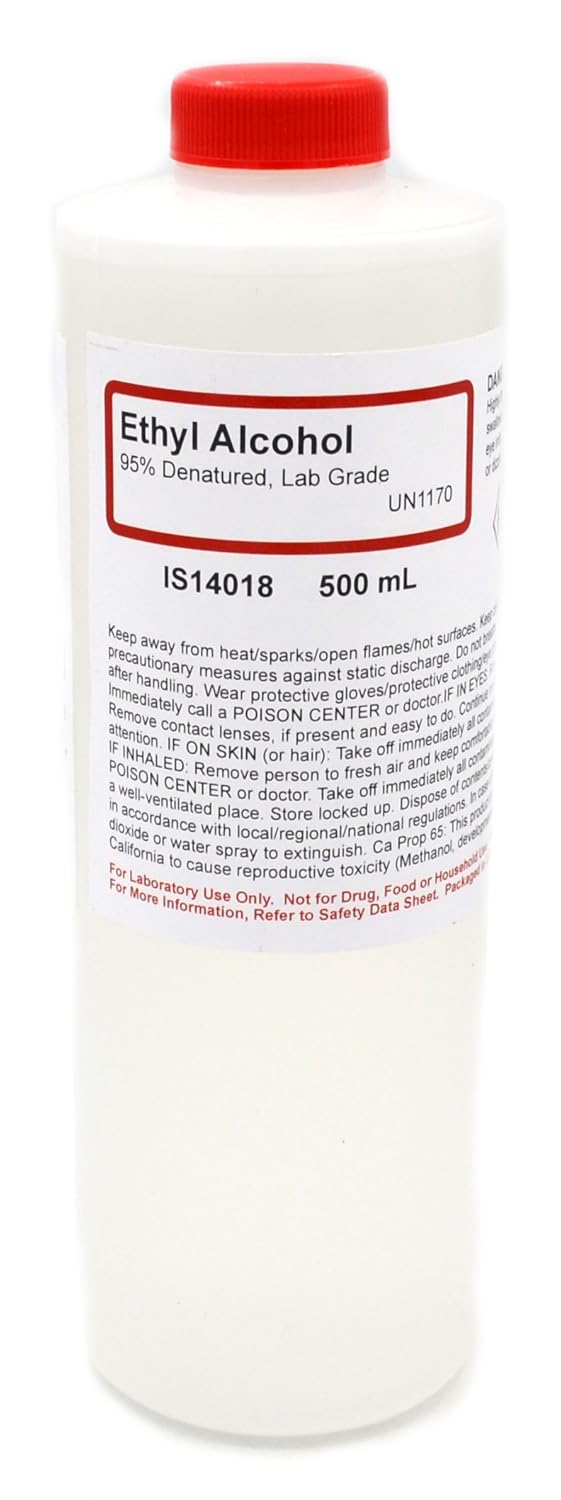
95% Ethyl Alcohol, 16oz - Denatured Ethanol Alcohol - Laboratory-Grade, Not for Topical Use - The Curated Chemical Collection
See current price
BASTION
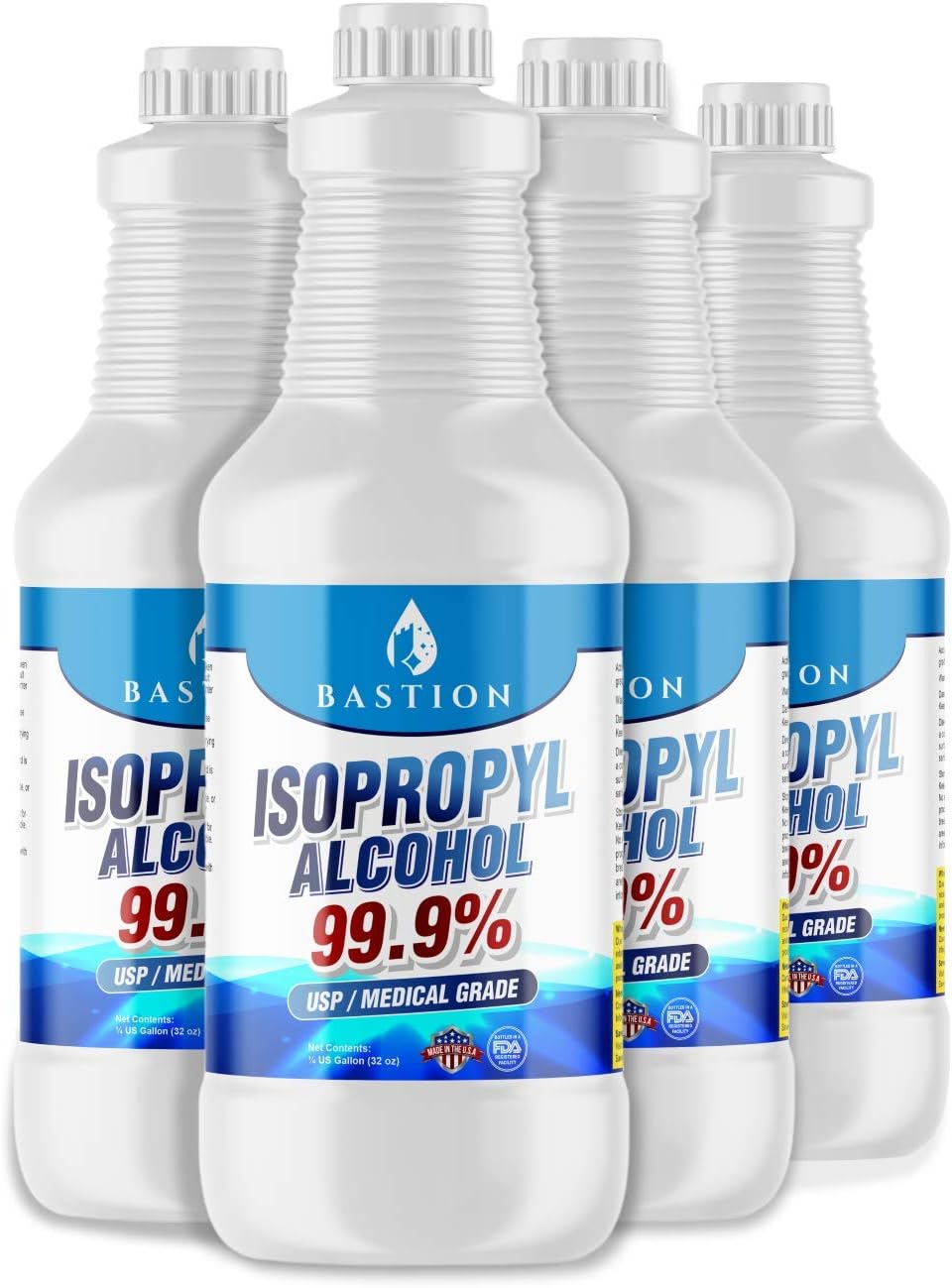
Isopropyl Alcohol (IPA) USP Grade 99.9% Purity - Made in The USA One Gallon (128 Fluid Ounces)
See current price


Florida Laboratories, Inc.
Isopropyl Alcohol Grade 99% Anhydrous - 4 Gallon - Empty Bottle Sprayer Included
See current price

Goof Off
Goof Off Professional Strength Remover, 6 fl. oz., Latex Paint and Adhesive Remover
See current price

Alpha Chemicals
Alpha Chemicals Non-GMO Project Verified Citric Acid - 1 Pound – Organic
See current price


Popular brands in Lab Chemicals
Lab chemicals cover a wide range of materials used for preparation, testing, cleaning, synthesis, preservation, and other laboratory tasks. The right choice depends on the application as well as the chemical’s identity, concentration, grade, packaging, and safety requirements.
K-Catalog helps shoppers compare product specifications and features before visiting Amazon for current availability and purchasing details. Always confirm that the listed information matches your lab’s procedures and compliance requirements.
How to choose lab chemicals
Start by defining the intended use. A chemical suitable for general educational work may not meet the requirements of analytical testing, manufacturing, formulation, or research. Check the product description and technical documentation for details about the material’s intended applications.
Important factors to compare include:
- Chemical identity: Confirm the name, formula, CAS information when provided, and any synonyms to avoid selecting a similar but unsuitable material.
- Grade and purity: Laboratory, reagent, analytical, technical, food, cosmetic, or other grades can have different impurity limits and appropriate uses.
- Concentration: Solutions and prepared mixtures should be checked for concentration, solvent, pH, and any stated tolerances.
- Physical form: Powders, crystals, liquids, gels, and premixed solutions may require different equipment and storage practices.
- Package size and container: Consider how much material the procedure requires, along with container compatibility and resealing needs.
- Documentation: Look for a safety data sheet, certificate of analysis, handling instructions, and lot information where relevant.
Common types of lab chemicals
Although this category does not use separate catalog subcategories, lab chemicals can be compared by their role in a workflow. Acids and bases are often selected for pH adjustment, neutralization, digestion, or chemical reactions. Solvents may be used for dissolving, extraction, rinsing, or processing, with compatibility and flammability requiring close attention.
Salts, powders, and crystalline compounds can serve as reagents, standards, buffers, or formulation ingredients. Prepared solutions may save setup time, but shoppers should verify concentration, solvent, shelf life, and storage conditions. Cleaning and maintenance chemicals are another group to evaluate carefully, especially when residue, material compatibility, or contact with sensitive equipment matters.
For equipment, containers, and supporting materials, browse Glassware & Labware. Related Lab Supplies & Consumables can also help complete a laboratory workflow.
Specifications and safety information to compare
Read the safety information before selecting or handling any chemical. The safety data sheet should explain hazards, required protective measures, first-aid guidance, spill response, storage, disposal, and transport considerations. Local, institutional, and workplace rules may impose additional requirements.
Check whether the container and closure are suitable for the substance. Some chemicals can react with particular plastics, metals, seals, or liners. Storage may depend on temperature, light exposure, moisture, ventilation, segregation from incompatible materials, or access controls.
Also consider how the chemical will be measured and transferred. The product’s form and packaging should work with the available pipettes, balances, funnels, pumps, or dispensing tools. Avoid relying on appearance alone to identify a material, and keep original labels and documentation with the container.
Brands represented in the catalog
The catalog includes lab chemical products from Alpha Chemicals, Innovating Science, Florida Laboratories, Inc., Biopharm, Duda Energy, Natures Wisdom, Vaxxen Labs, Ecoxall, Essential Depot, ChemCenter, Gotparts747, and Florida Laboratories. These names provide options to compare, but the product-level specifications and documentation should guide the selection rather than brand familiarity alone.
For a broader view of laboratory categories, see Lab Instruments & Equipment and Lab Furniture. Shoppers working with biological or life-science workflows may also find Life Science Supplies relevant.
Practical buying and handling tips
Before ordering, compare the product label with the procedure, protocol, or formulation requirement. Confirm the required grade, concentration, amount, solvent, and acceptable impurities. If a chemical is used in a regulated or validated process, verify that the available documentation meets the applicable standard.
Plan for receiving and storage before the product arrives. Make sure the laboratory has suitable secondary containment, labeling, ventilation, personal protective equipment, and disposal procedures. Keep chemicals segregated according to compatibility, and do not combine materials unless the procedure specifically calls for it.
When comparing alternatives, look beyond the package size. A lower quantity may reduce storage demands, while a larger package may be practical for frequent use if the material remains stable after opening. Shelf-life information, recommended storage, and resealing instructions can be just as important as the initial specification.
Frequently asked questions
What should be checked first when choosing a lab chemical?
Confirm the chemical identity and intended use first. Then compare grade, purity, concentration, form, packaging, documentation, and safety requirements.
Does laboratory grade mean a chemical is suitable for every procedure?
No. Grade descriptions can indicate different impurity limits and intended applications. Match the product documentation to the specific procedure or protocol.
Why is concentration important for prepared solutions?
Concentration affects how a solution performs in reactions, testing, pH adjustment, and formulation. Check the stated concentration, solvent, units, and any tolerance information.
How should lab chemicals be stored?
Follow the product’s safety data sheet and label. Storage may depend on temperature, light, moisture, ventilation, container compatibility, and separation from incompatible substances.
What documentation should accompany a chemical?
Depending on the application, useful documentation may include a safety data sheet, certificate of analysis, technical specifications, lot information, and handling or storage instructions.
How can shoppers compare similar products?
Place the identity, grade, purity, concentration, packaging, storage conditions, and documentation side by side. Select the option whose specifications match the procedure and facility requirements.