

Lab Instruments & Equipment
Compare laboratory instruments and equipment by intended use, specifications, compatibility, and workflow. K-Catalog helps you narrow down options before checking current product details on Amazon.
290 products in catalog
290 results
Filters

Rienar
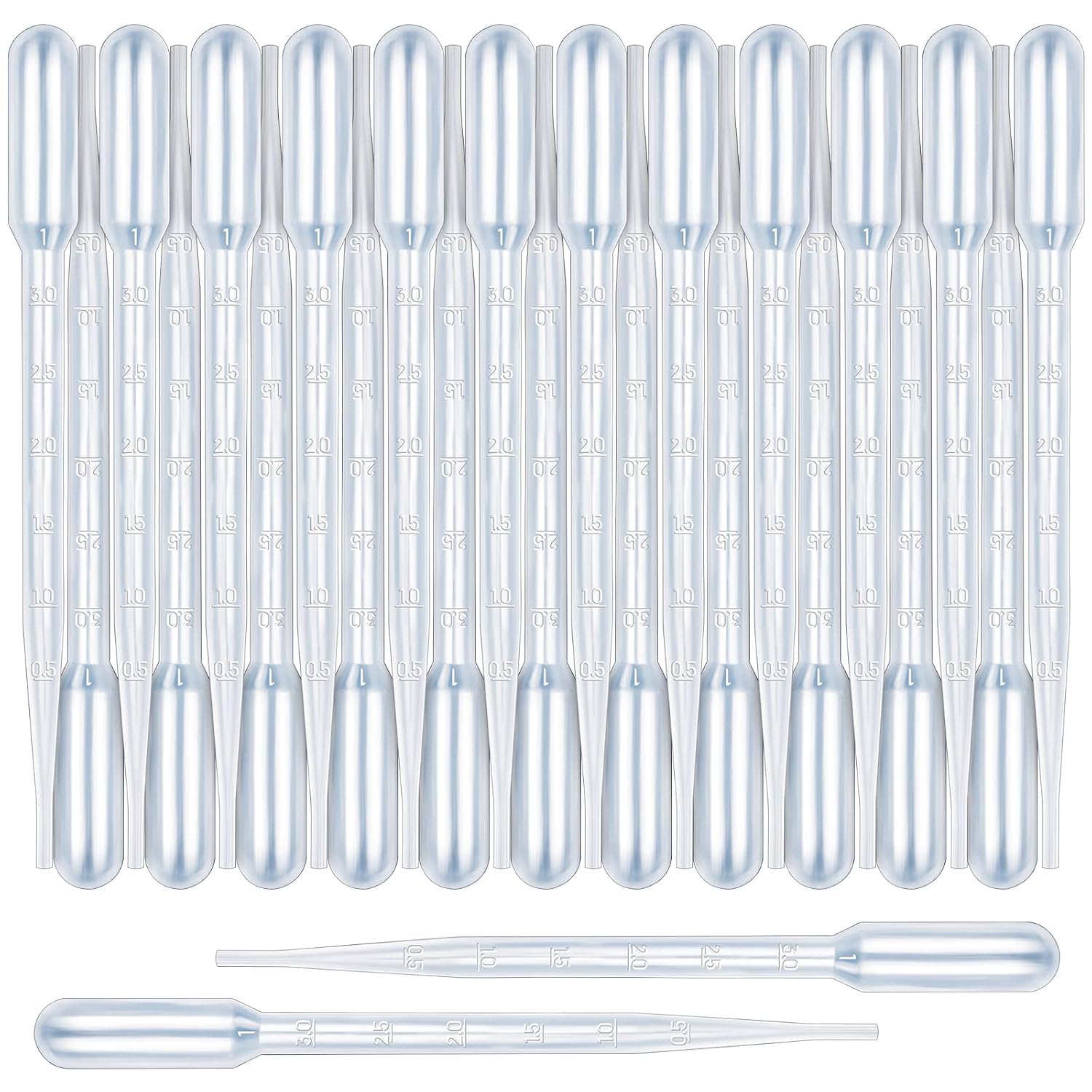
Rienar White 3ML Disposable Plastic Eye Dropper Set Transfer Graduated Pipettes (20 PCS)
See current price




KINGLAKE
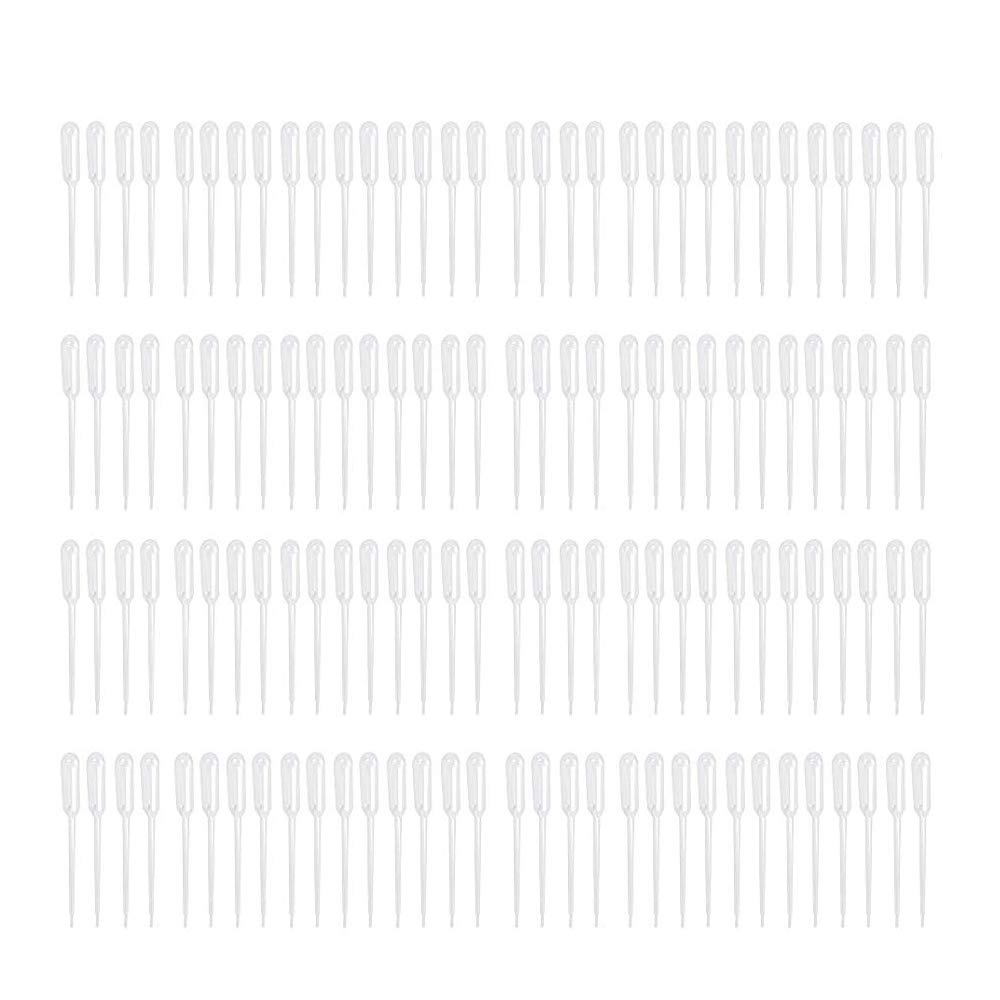
KINGLAKE 3ML Plastic Transfer Pipettes,Essential Oils Pipettes,Graduated,Pack of 50
See current price

Magicfly
Magicfly Bright Cool LED Light Egg Candler Tester, Power by Power Supply Only
See current price


JinXin Direct
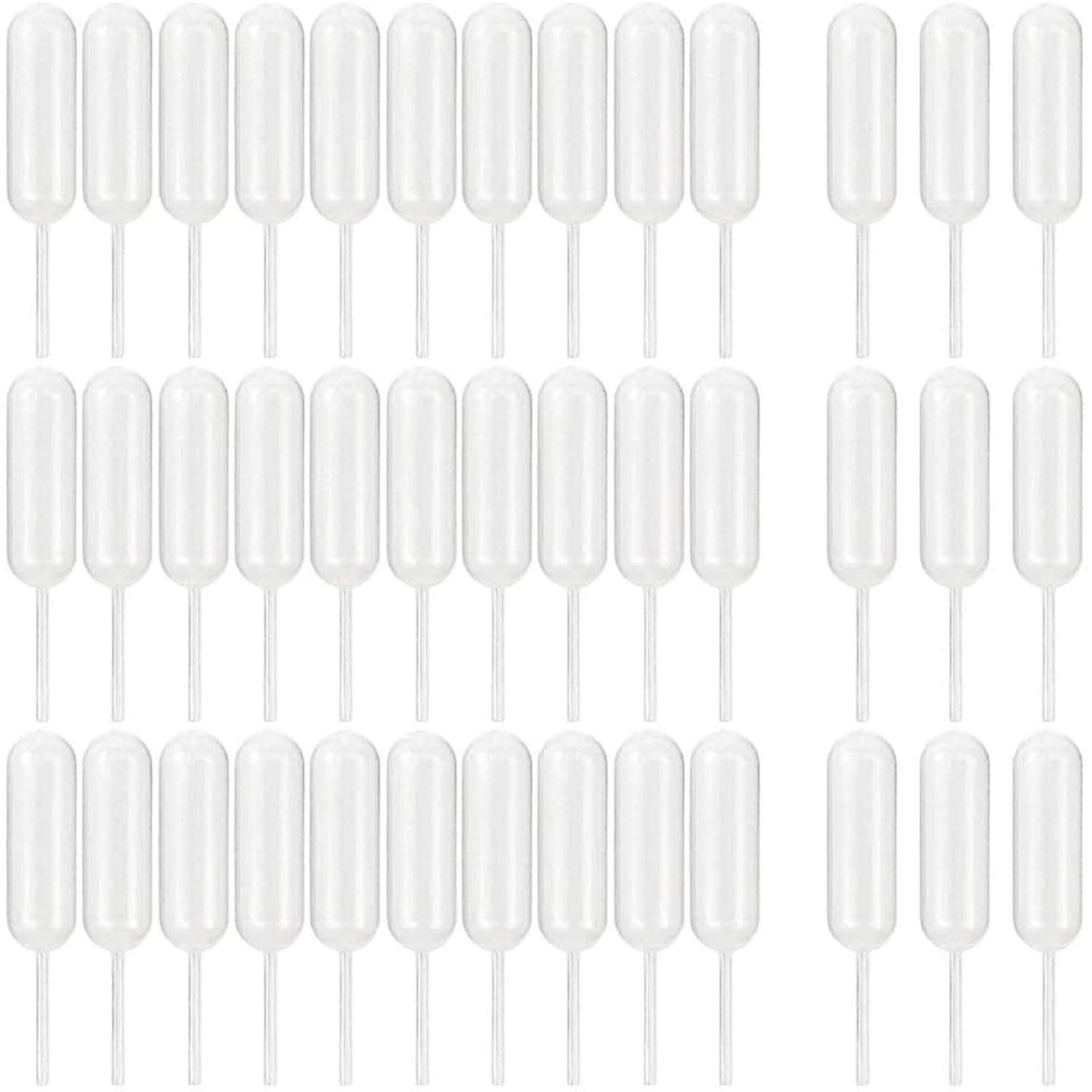
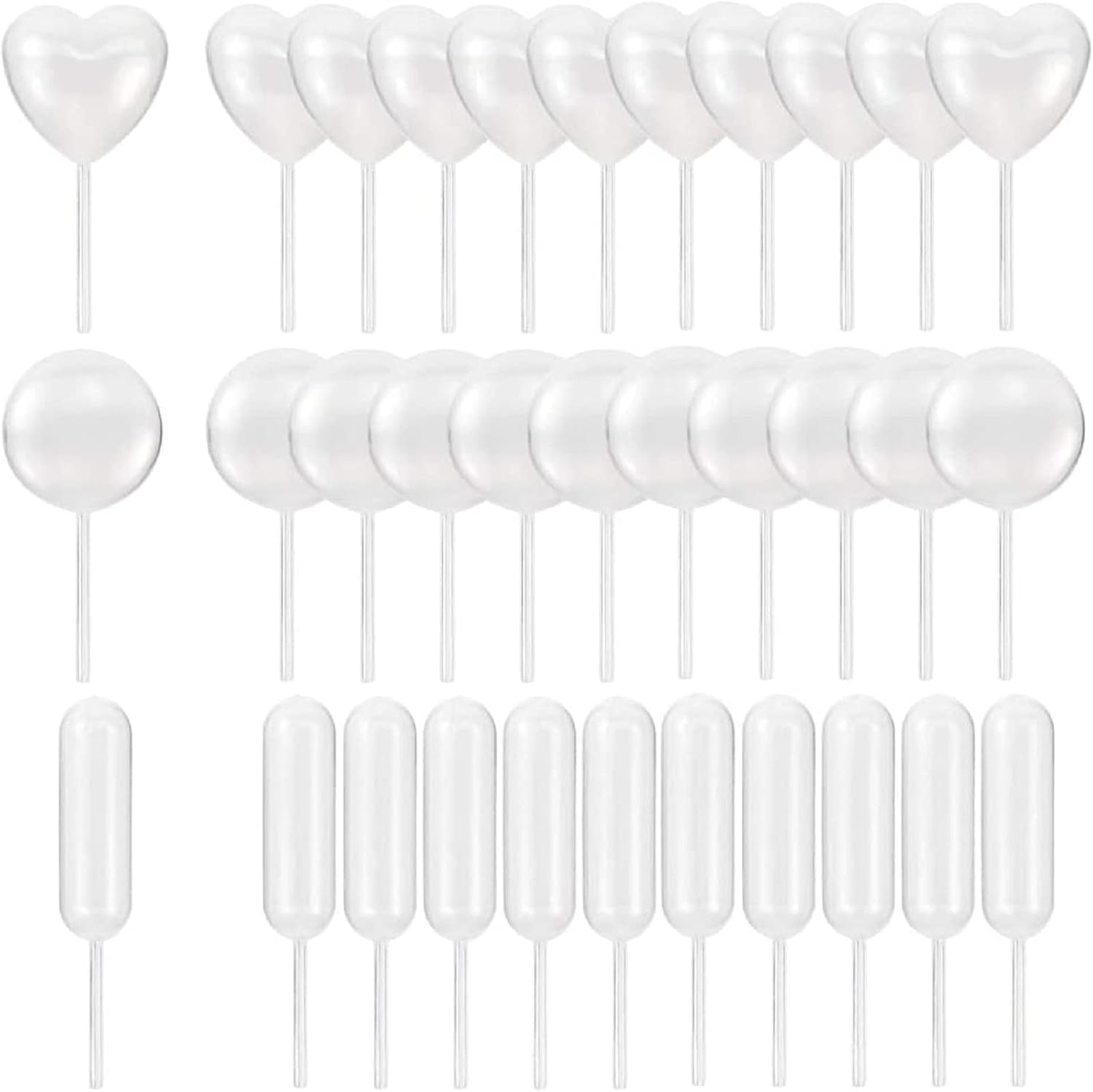
Dessert Pipettes 4ml, 60PCS Plastic Squeeze Transfer Pipettes Dropper Liquid Injector for Cupcake Strawberries (60)
See current price


Popular brands in Lab Instruments & Equipment
Lab instruments and equipment support measurement, preparation, observation, testing, and routine laboratory work. Because this is a broad category, the right choice depends on the task being performed, the materials involved, and the level of control or repeatability required.
Use this catalog to compare product specifications and features, then confirm the full listing details before choosing equipment for a laboratory, classroom, workshop, field setting, or other scientific environment.
How to choose lab instruments and equipment
Start by defining the job the instrument must perform. A device used for basic demonstrations may have different requirements from one used for repeated measurements, sample preparation, or controlled testing. Consider the following before comparing individual products:
- Application: Identify whether the equipment is intended for measuring, viewing, heating, mixing, transferring, organizing, or another task.
- Sample and material compatibility: Check whether the instrument is suitable for the liquids, solids, biological materials, or other substances involved.
- Required precision: Determine how closely readings or adjustments must be controlled for your work.
- Capacity and working size: Make sure the instrument can accommodate the sample volume, container dimensions, or batch size you expect to handle.
- Operating environment: Consider whether the equipment will be used on a benchtop, in a classroom, in a field setting, or alongside other laboratory systems.
- User requirements: Controls, displays, setup steps, and included accessories should be appropriate for the people using the equipment.
If an instrument will be used for regulated, safety-sensitive, or highly repeatable work, review the manufacturer’s documentation and operating requirements carefully rather than relying on a product title alone.
Main types of laboratory equipment to compare
This category covers a wide range of instruments, so shoppers may need to compare several product formats rather than look for one universal specification. Common groupings include measurement and monitoring devices, sample-preparation equipment, inspection and viewing tools, and general-purpose laboratory apparatus.
Measurement-focused instruments should be compared by the property they detect, the readable scale or display, the operating method, and any stated tolerance or adjustment features. Preparation equipment may require closer attention to capacity, speed or temperature controls, power requirements, and the type of containers it accepts. Viewing and inspection tools may depend on optical configuration, illumination, working distance, or image output.
For supporting items used with an instrument, browse Glassware & Labware and Lab Supplies & Consumables. These categories can help when you need containers, handling accessories, or regularly replaced materials alongside the main equipment.
Specifications and features that matter
Product specifications are most useful when matched to your actual workflow. Compare the following details where they are provided:
- Measurement method and range: Confirm that the instrument measures the property and operating span your work requires.
- Resolution, accuracy, or sensitivity: Distinguish between how finely a value is displayed and how closely the result may represent the true measurement.
- Power and controls: Check the power source, voltage requirements, control layout, display type, and whether the device can be used where it will be installed.
- Included components: Look for probes, adapters, holders, cables, calibration accessories, or other parts needed for operation.
- Materials and construction: Consider resistance to the substances, temperatures, cleaning methods, and handling conditions involved.
- Maintenance and storage: Review cleaning, calibration, replacement-part, and storage expectations before purchase.
Also check dimensions and connection details when equipment must fit an existing bench, enclosure, stand, or process. Compatibility problems can make an otherwise suitable instrument difficult to use.
Related laboratory categories
The surrounding setup can be just as important as the instrument itself. Lab Chemicals may be relevant when an application requires prepared reagents or other chemical materials. Life Science Supplies can help shoppers looking for equipment and supplies associated with biological or life-science workflows. For a complete workstation, compare Lab Furniture as well.
These related categories are useful for separating the main instrument from consumables, chemicals, storage, work surfaces, and other supporting equipment.
Brands represented in the catalog
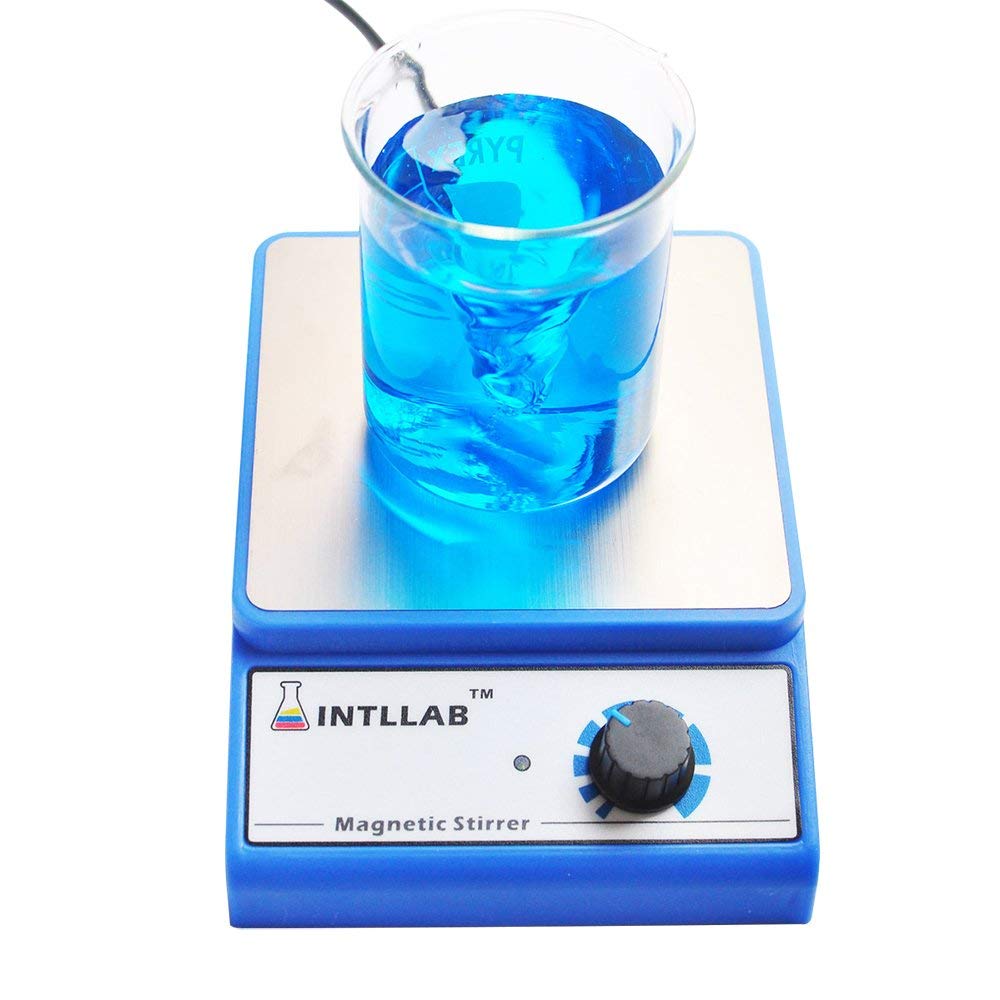
The catalog includes products from Ablaze, INTLLAB, Teenitor, Karter Scientific, AmScope, moveland, Four E's Scientific, Vetmed USA, BACO ENGINEERING, JinXin Direct, Dr.meter, and Yeomen Seafoods Inc. Brand availability varies by product type, so compare the specifications and included features of individual listings rather than assuming that every brand serves the same laboratory application.
Frequently asked questions
What should I compare first when choosing lab equipment?
Start with the application, sample compatibility, required measurement or operating performance, capacity, and available workspace. These factors usually narrow the options more effectively than appearance alone.
Are lab instruments suitable for every type of laboratory work?
No. Instruments are designed for particular tasks, materials, and operating conditions. Confirm the stated use, specifications, and compatibility before placing an instrument into a new workflow.
How do I know whether an instrument will fit my setup?
Check dimensions, power requirements, connections, included accessories, and the space available for operation and storage. If the instrument works with containers or other devices, verify those compatibility details as well.
Do I need to consider calibration and maintenance?
Yes. Measurement equipment may require calibration, cleaning, inspection, or replacement parts to remain suitable for its intended use. Follow the manufacturer’s documentation for the specific product.
Where can I find supporting laboratory items?
Use the related categories for glassware, labware, consumables, chemicals, life-science supplies, and laboratory furniture. These can help complete the surrounding workflow.