

Ladders for Home Projects and Job Sites
Compare ladders by configuration, reach, materials, weight capacity, safety features, and storage needs to find a practical fit for home maintenance or job-site work.
382 products in catalog
382 results
Filters

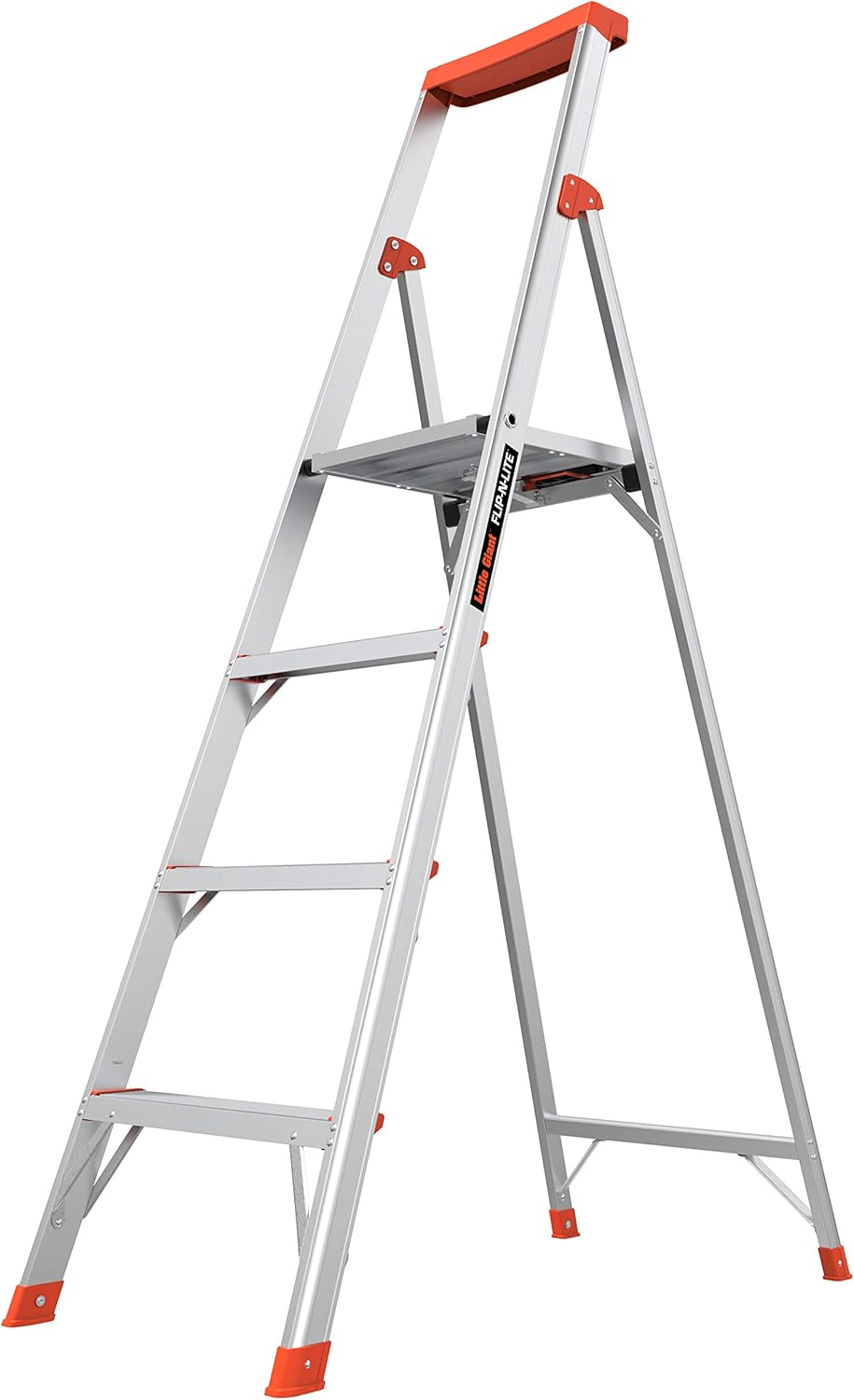
Little Giant Ladder Systems
Little Giant Ladder Systems Flip N Lite 6 Foot 300 Pound Capacity Aluminum Lightweight Slim Stepladder Ladder
See current price


Best Choice Products
Best Choice Products 4-Step Portable Folding Heavy-Duty Steel Ladder w/Hand Rail, Wide Platform Steps, 330lbs Capacity
See current price

Louisville Ladder
Louisville Ladder FS1502 2' Fiberglass Step Ladder, 2-Feet, Orange
See current price

Little Giant Ladder Systems
Little Giant Ladder Systems, Work Platform, Ladder Accessory, Aluminum, 375 lbs weight rating, (10104)
See current price

Best Choice Products
Best Choice Products 3-Step Ladder, Portable Folding Anti-Slip Step Stool w/Utility Tray, Hand Grip, Rubber Feet Caps, 330lb Capacity
See current price


CoscoProducts
Cosco Signature Step Stool Two-Step Aluminum Step Stool with Plastic Steps
See current price


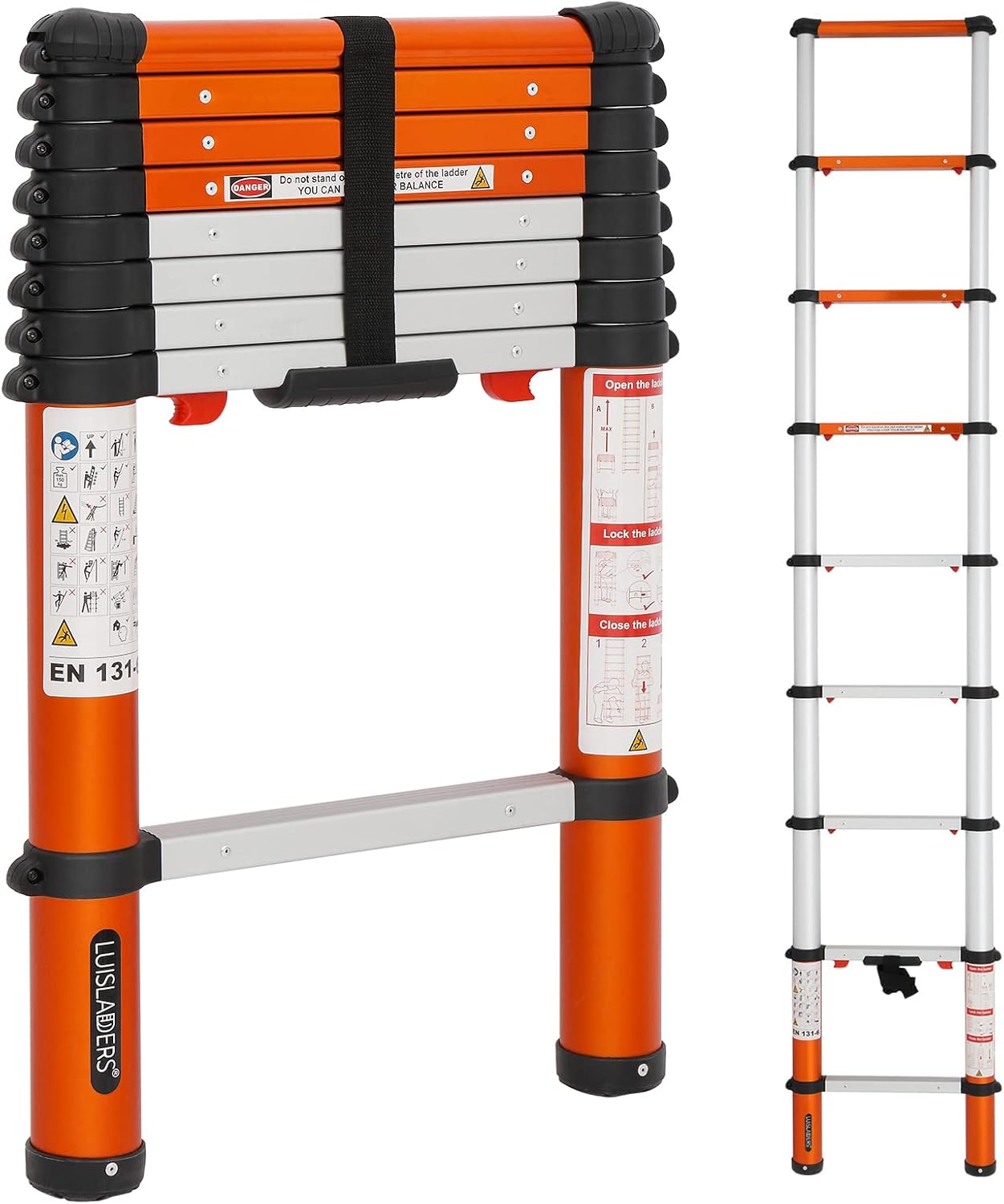


Xtend & Climb
Xtend & Climb 785P Aluminum Telescoping Ladder Type I Professional Series, 15.5-Foot
See current price


Little Giant Ladder Systems
Little Giant Ladders, Wing Span/Wall Standoff, Ladder Accessory, Aluminum, (10111)
See current price
Popular brands in Ladders
Ladders vary widely in design, reach, portability, and intended use. The right choice depends on the task, the working height, the surface where the ladder will stand, and how often it must be moved or stored.
Use this K-Catalog guide to compare specifications and features across ladders from brands represented in the catalog. Before choosing, consider whether you need a compact option for occasional household tasks, a more versatile ladder for regular projects, or a heavy-duty design for demanding work.
How to choose a ladder
Start with the job rather than the ladder’s appearance. A ladder used for changing light fixtures may have different requirements from one used for exterior maintenance, construction, or trade work.
Consider these factors:
- Working height: Choose enough reach for the task without standing on unsafe steps or stretching beyond a stable position.
- Configuration: Decide whether a step ladder, straight ladder, extension ladder, or multi-position design is most suitable.
- Weight capacity: Account for the user, clothing, tools, and materials carried while climbing.
- Material: Aluminum is often selected for low weight, while fiberglass may be preferred around electrical work because it is nonconductive when properly used.
- Storage and transport: Check the folded size, overall weight, and whether the ladder will fit in a closet, vehicle, garage, or work area.
For more general project planning, browse Building Supplies and compare ladders with other Building Materials categories.
Common ladder types
Step ladders
Step ladders stand independently and usually include a platform or top area for light tools. They are a practical choice for indoor maintenance, painting, shelving, and tasks where there is no safe wall or structure to lean against. Look for a stable base, secure steps, a useful top cap, and a height that suits the task.
Extension and straight ladders
Extension and straight ladders are designed for reaching higher areas, often with a wall or other suitable support. Compare the closed length, extended reach, ladder weight, rung design, locking mechanisms, and requirements for safe placement. These ladders need an appropriate setup area and should not be used where the base can slide or the upper section cannot rest securely.
Multi-position ladders
Multi-position ladders can be adjusted into different configurations, such as a step-ladder arrangement or a leaning ladder. Their flexibility can reduce the need for separate ladders, but buyers should pay close attention to adjustment points, locking indicators, folded dimensions, and the effort required to reposition them.
Compact and specialty ladders
Compact designs may suit apartments, offices, kitchens, workshops, and occasional household use. Specialty options can include low-profile step stools, telescoping designs, and ladders intended for particular access situations. Compare stability and usable reach rather than choosing solely for compact storage.
Features and specifications to compare
A ladder’s listed specifications help explain how it will perform in daily use. Pay particular attention to:
- Step or rung spacing: Consistent, comfortable spacing can make repeated climbing easier.
- Tread design: Wide, textured, or deeply formed steps may provide a more secure footing.
- Feet and levelers: Non-slip feet and adjustable levelers can help on suitable surfaces, though they do not replace a stable setup.
- Locks and hinges: On extension or multi-position models, confirm that locks engage fully and are easy to inspect before use.
- Tool storage: A tray, platform, or accessory area can reduce the need to carry items while climbing.
- Load rating: Compare the stated capacity with the total load, not just the user’s body weight.
- Portability: Wheels, carry handles, folded dimensions, and overall weight matter when the ladder must be moved frequently.
- Finish and construction: Check the listed materials, joint construction, corrosion considerations, and intended environment.
If the project involves equipment access, ductwork, or overhead installations, related HVAC and Material Handling categories may help with broader planning.
Brands represented in the catalog
The Ladders catalog includes products from Louisville Ladder, Little Giant Ladder Systems, and Werner, along with LUISLADDERS, Giantex, Hailo, BEETRO, WolfWise, SUNCOO, Ohuhu, Soctone, and RIKADE. Brand name alone should not determine the purchase. Compare each product’s configuration, capacity, dimensions, materials, safety features, and intended use.
Safe setup and use tips
Inspect a ladder before each use for damaged steps, loose hardware, bent rails, worn feet, or malfunctioning locks. Place it on a firm, level, uncluttered surface and keep the area around the base clear. Avoid using a ladder near doors, traffic, wet surfaces, or overhead hazards unless the area is controlled and the setup is appropriate.
Keep your body centered between the rails, maintain secure contact while climbing, and move the ladder instead of leaning excessively. Follow the manufacturer’s instructions for configuration, maximum load, positioning, and storage. For work around electrical systems, review the product’s material and electrical-use guidance carefully.
Frequently asked questions
How do I choose the right ladder height?
Choose a ladder that provides the required reach while allowing safe positioning. Do not rely on the highest steps or stretch beyond a stable working posture.
Is an aluminum or fiberglass ladder better?
It depends on the task. Aluminum is commonly chosen for lighter transport, while fiberglass may be more appropriate for certain electrical-related tasks. Always follow the product’s stated guidance.
What should I check before buying a ladder?
Compare configuration, working reach, load capacity, material, step design, folded dimensions, safety locks, feet, and storage requirements.
Are multi-position ladders worth considering?
They can be useful when one ladder must handle several configurations. Check how easily the positions adjust and whether the locks, hinges, weight, and folded size suit your intended use.
Can a ladder be used on uneven ground?
Only when the ladder is specifically designed and equipped for suitable leveling. Never improvise with blocks, loose objects, or unstable supports; follow the setup instructions for the product.