

Material Handling Equipment & Tools
Compare material handling equipment by load capacity, mobility, dimensions, and storage needs. This guide highlights the features that matter for workshops, warehouses, job sites, and home projects.
168 products in catalog
168 results
Filters




BLACK+DECKER
BLACK+DECKER Workmate, Work Bench Tool Stand Saw Horse , Dual Height with Heavy Duty Steel Frame, WM536
See current price


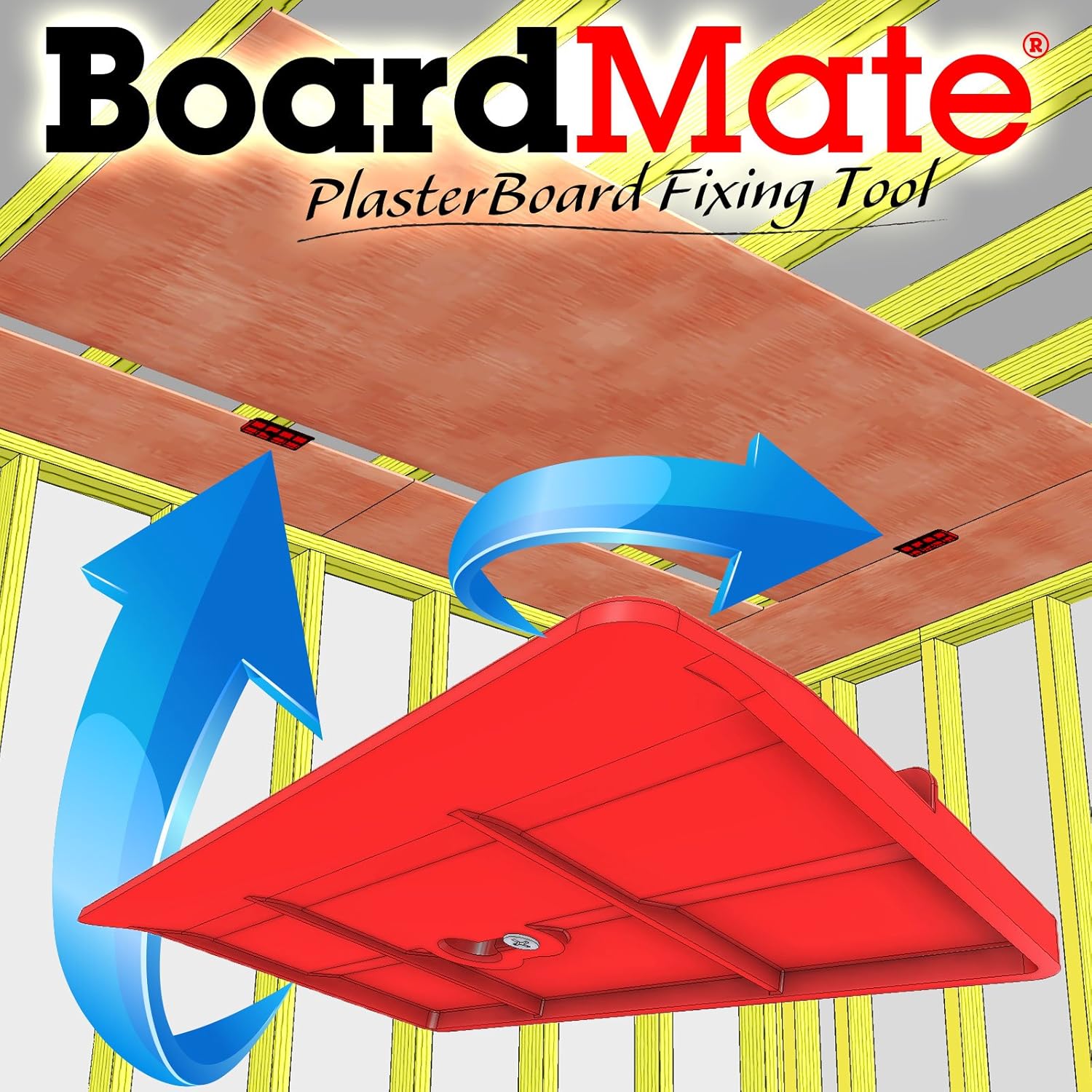
BoardMate
BoardMate - Drywall Fitting Tool, Supports The Board in Place While Installing
See current price


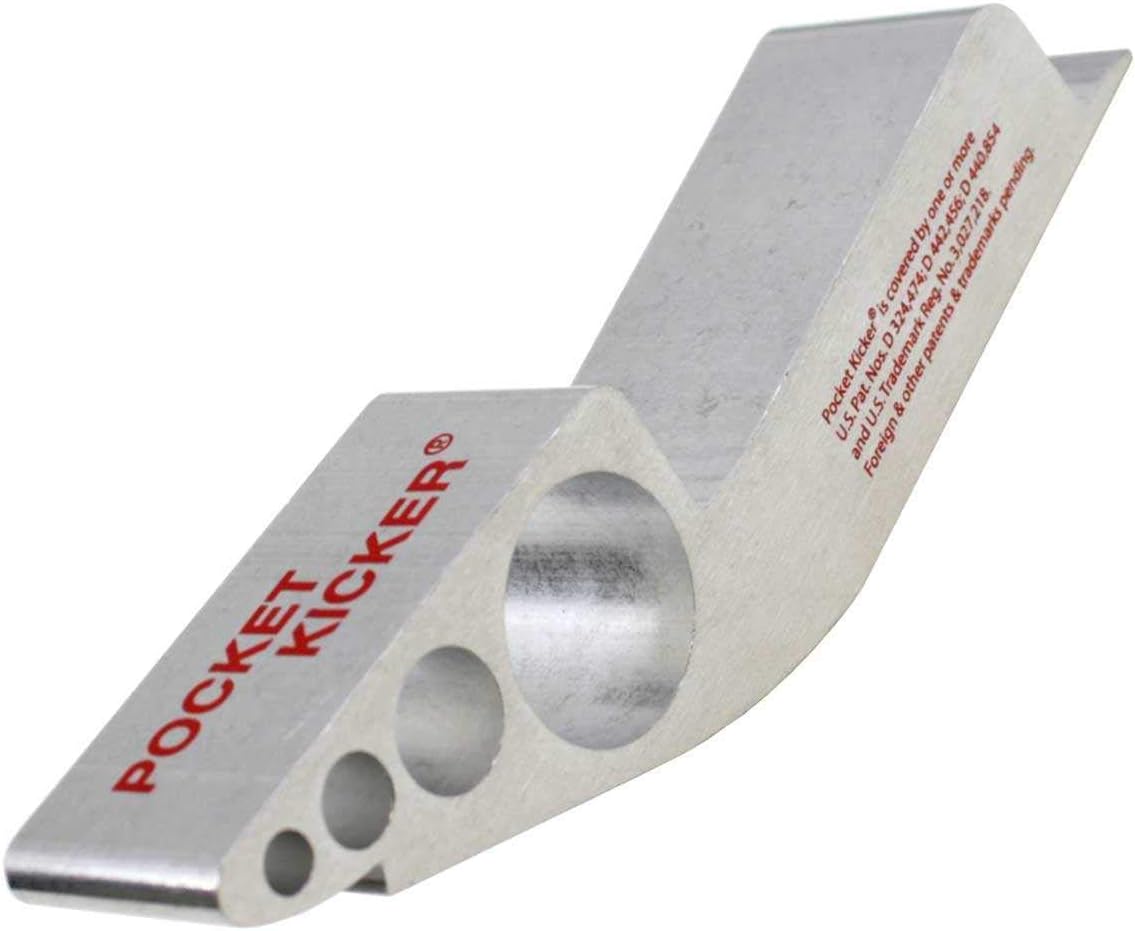
Diversified Tools
Diversified Tools Pocket Kicker - Drywall Panel Lifter + Edge Rasp + Scraper - Door Hanging Tool - Versatile Drywall Installation Tool.
See current price
Diversified Tools
Diversified Tools Pocket Kicker - Drywall Panel Lifter + Edge Rasp + Scraper - Door Hanging Tool - Versatile Drywall Installation Tool.
See current price


Seville Classics
Seville Classics UltraGraphite Wood Top Workbench on Wheels with Sliding Organizer Drawer Table, 48", Satin Graphite
See current price

Popular brands in Material Handling
Material handling equipment helps move, support, organize, and position supplies with less manual effort. The right choice depends on what you are moving, how often it needs to move, the available workspace, and whether the equipment will be used on smooth floors, uneven surfaces, or a job site.
K-Catalog brings together material handling products for practical comparison. Review specifications and features carefully, then check the current product details on Amazon before buying.
How to choose material handling equipment
Start with the load rather than the equipment’s appearance. Consider the weight, shape, center of gravity, and whether the item must remain stable while moving. A cart or platform should provide enough surface area to keep materials from shifting, while a compact dolly may be more suitable for narrow paths or individual items.
Other factors to consider include:
- Capacity: Confirm that the stated load limit suits the heaviest intended load, not just the typical one.
- Dimensions: Compare platform size, handle height, overall width, and storage footprint with the available space.
- Mobility: Wheel size, wheel placement, swivel action, and braking features affect maneuverability and control.
- Construction: Steel, aluminum, plastic, and composite parts can differ in weight, durability, and maintenance needs.
- Portability: Folding or collapsible designs may be useful when equipment must be transported or stored between tasks.
- Work environment: Check whether the design matches indoor floors, workshop surfaces, warehouse aisles, or outdoor use.
For more products in the wider building-supply category, browse Building Supplies.
Common types and uses
Material handling covers several equipment formats, each suited to a different job. Platform carts are useful for moving boxes, tools, containers, and broad materials across relatively clear surfaces. Look for a deck size that supports the load without creating excessive overhang.
Hand trucks and dollies are better suited to tall or compact loads that can be secured against a vertical frame. Their balance, handle design, wheel arrangement, and toe plate dimensions are especially important when moving heavy or awkward items.
Utility carts and rolling storage can combine transport with organization. These may suit workshops, maintenance areas, garages, and project spaces where tools or supplies need to stay accessible while being moved. Drawer configuration, shelf spacing, and locking casters can matter as much as overall capacity.
Material stands, supports, and organizers can help position long, flat, or irregular materials during cutting, assembly, or storage. Compare height, footprint, adjustability, and the way the material is supported. Related equipment categories such as Ladders and Scaffolding & Accessories may also be relevant when a project involves elevated work or temporary access.
Specifications and features to compare
Read the product specifications closely instead of relying on a product name alone. A larger load rating does not necessarily mean a product will be easiest to maneuver, and a compact design may sacrifice platform area or stability.
Pay particular attention to:
- Wheel and caster details: Compare fixed versus swivel wheels, locking functions, tread style, and clearance.
- Handle design: A padded, angled, telescoping, or removable handle can affect comfort and storage.
- Surface protection: Non-slip deck materials, edge guards, straps, or raised lips can help keep loads in place.
- Assembly requirements: Check whether the product arrives assembled and whether tools or hardware are needed.
- Foldability and storage: Measure the folded or nested dimensions if space is limited.
- Safety features: Brakes, locking mechanisms, stable bases, and appropriate load distribution support safer handling.
If a project involves ventilation, ductwork, or equipment installation, HVAC may provide a useful related category. For broader project supplies, compare Building Materials as well.
Brands represented in the catalog
The Material Handling catalog includes products from ENPOINT, Seville Classics, GypTool, BLACK+DECKER, Keter, Kreg, K Tool International, Worx, Bora, SUNCOO, WORKPRO, and SPACEKEEPER. Brand selection can help narrow a comparison, but specifications should remain the deciding factor. Compare each product’s dimensions, capacity, materials, wheel configuration, and included components rather than assuming that products within a brand share the same design.
Practical handling and storage tips
Before moving a load, clear the route and check that the equipment is appropriate for the surface. Keep heavy items low and centered, secure materials that could slide or fall, and avoid exceeding the stated capacity. When using a cart or dolly on a slope, maintain control from the handle and use any available brake or locking feature when stationary.
Store equipment where wheels, handles, and moving joints will not be damaged. Periodically inspect fasteners, casters, deck surfaces, and locking parts for wear or looseness. If material handling equipment is used near active construction, Job Site Lighting can be useful for improving visibility in dim work areas.
Frequently asked questions
What should I move with a platform cart?
Platform carts are generally suited to boxed, containerized, or broad loads that can sit securely on a flat deck. Match the deck dimensions and capacity to the intended materials.
Are larger wheels always better?
Not always. Larger wheels can help with certain thresholds or uneven surfaces, while smaller casters may offer tighter turning in confined indoor spaces. The best choice depends on the route and floor conditions.
How much load capacity do I need?
Choose a capacity that exceeds the heaviest expected load and allows the load to remain stable. Consider distribution and balance, not just total weight.
What is the difference between a cart and a dolly?
A cart commonly supports loads on a horizontal platform or shelves. A dolly or hand truck is often designed around a vertical frame or smaller base for moving individual items.
What details matter for compact storage?
Check folded dimensions, handle movement, caster position, shelf or platform depth, and whether the equipment can stand securely when stored.