

HVAC Equipment and Supplies Buying Guide
Compare HVAC equipment and supplies by application, compatibility, airflow, filtration, and installation requirements. K-Catalog helps you review product specifications before choosing.
3,013 products in catalog
3,013 results
Filters


Decor Grates Inc
Decor Grates AJH410-GM Oriental Floor Register, 4x10 Inches, Gun Metal
See current price


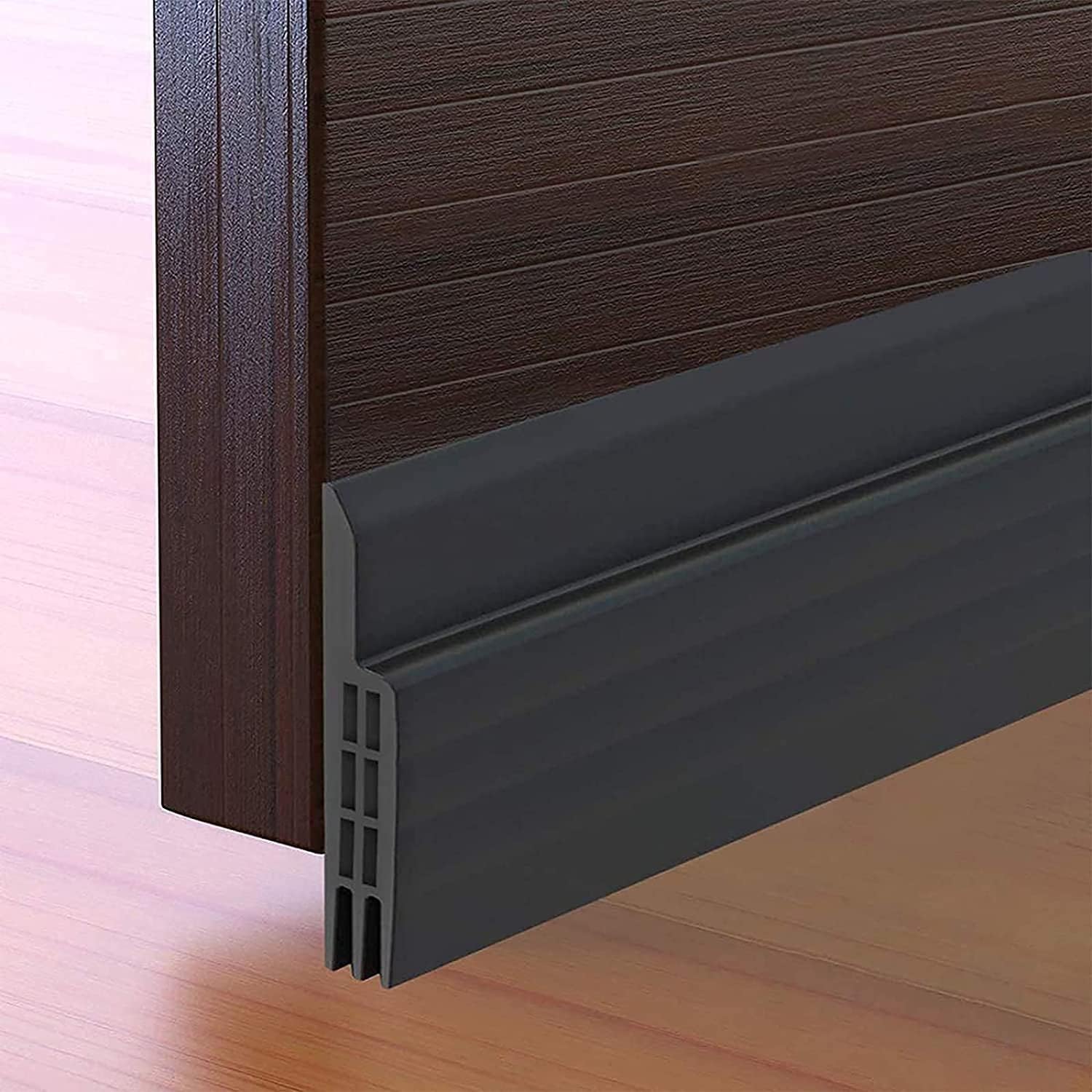


MervFilters
Simply by MervFilters 14x25x1 Air Filter, MERV 8, MPR 600, AC Furnace Air Filter, 6 Pack
See current price


Dewalt
DEWALT DCE511B 11" Corded/Cordless Jobsite Fan (Tool Only) with DCB230C 20V Battery Pack
See current price
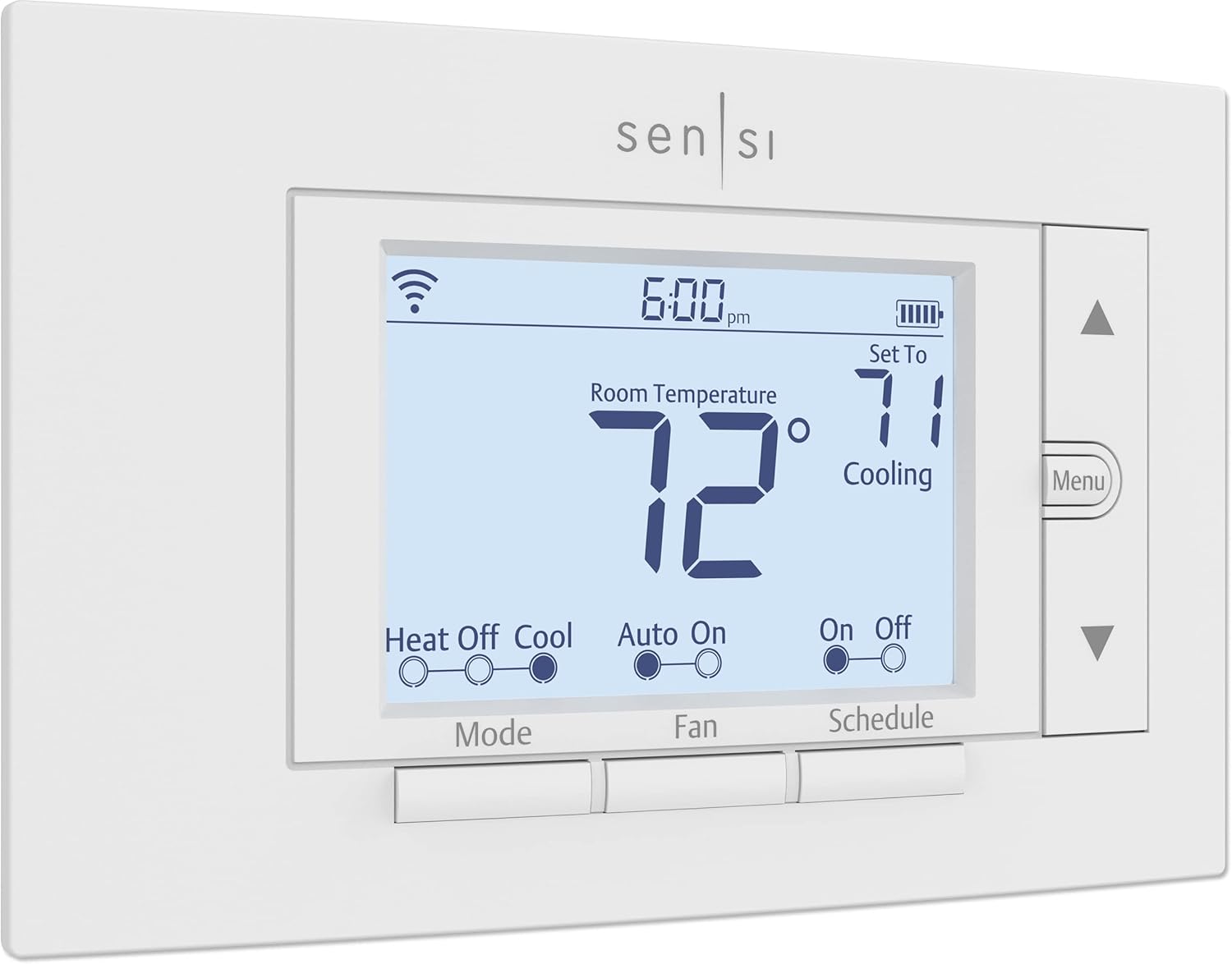
Emerson Thermostats
Emerson Sensi Wi-Fi Smart Thermostat for Smart Home, DIY, Works With Alexa, Energy Star Certified, ST55
See current price

North American Rescue
North American Rescue Hyfin Vent Chest Seal, Original Version 2 Count (Pack of 1)
See current price


Popular brands in HVAC
HVAC covers the equipment and supplies used to heat, cool, filter, ventilate, and move air through residential, commercial, and workshop spaces. The right choice depends on the system already in place, the size and layout of the space, and the installation requirements—not just the product name.
Use this catalog to compare specifications and features across HVAC products, then confirm that the selected item matches your equipment and project conditions. For broader construction needs, browse Building Supplies or compare adjacent Building Materials categories.
How to choose HVAC products
Start by identifying the job the product must perform. A replacement filter, exhaust fan, duct component, air-quality accessory, and control device each have different compatibility requirements. If replacing an existing part, record the dimensions, connection style, electrical information, and any markings on the original before searching.
Consider these factors:
- System compatibility: Check whether the product is intended for your heating, cooling, ventilation, or air-handling setup.
- Physical fit: Compare length, width, height, diameter, mounting pattern, and clearance requirements where applicable.
- Air movement: Review airflow-related specifications and connection sizes for fans, blowers, vents, and duct components.
- Electrical details: For powered equipment, confirm voltage, wiring requirements, controls, and whether a qualified installer is needed.
- Installation environment: Account for indoor or outdoor placement, moisture, heat, dust, access, and available service space.
- Maintenance: Look for replaceable filters, accessible panels, cleaning requirements, and the availability of compatible replacement parts.
Common HVAC product types
Although this catalog does not divide HVAC into listed subcategories, shoppers will commonly encounter products for air filtration, ventilation, air distribution, and system support. Filters are selected by exact size, filtration characteristics, construction, and the requirements of the equipment using them. Ventilation products may include exhaust or air-circulation equipment, where airflow, noise, mounting, and duct connections are important.
Ducting and air-distribution components should be matched by shape, diameter, material, and connection method. Accessories such as grilles, registers, dampers, controls, and installation hardware need to work with the surrounding system rather than being selected in isolation. When comparing similar products, prioritize the specifications that affect fit and function over cosmetic differences.
Specifications worth comparing
Product descriptions can use similar terminology while referring to different performance or installation details. Read the full specification list and check the manufacturer information when available.
For filters, compare the stated dimensions, filter thickness, frame construction, airflow considerations, and replacement schedule recommended for the equipment. For fans and ventilation equipment, examine airflow information, power requirements, control options, mounting method, duct compatibility, and operating environment.
For duct and connection parts, compare the inside and outside dimensions, flexibility or rigidity, insulation, joining method, and material. If a component is part of a larger assembly, verify that adapters and transitions will not create an incompatible connection or restrict the intended airflow.
Brands represented in the catalog
The HVAC catalog includes products from Filterbuy, Honeywell, Flanders, Broan-NuTone, Filtrete, Nordic Pure, HVAC Premium, Aerostar, MAGZO, Glasfloss, AC Infinity, and Lennox. These brands may appear across different HVAC applications, so compare the specifications of the individual product rather than relying on brand familiarity alone.
Brand and product compatibility information can be useful when replacing a component from an existing system. Still, the exact dimensions, electrical requirements, connection type, and intended use should determine whether an item suits the installation.
Installation, maintenance, and safety tips
Turn off relevant power before working on powered HVAC equipment, and follow the product instructions for installation and servicing. Some electrical, refrigerant, fuel-burning, or permanently installed work may require a qualified professional or compliance with local codes. Do not bypass safety controls or operate equipment with damaged wiring, blocked airflow, or incorrectly fitted components.
Keep a record of filter dimensions and replacement details so future purchases are easier to verify. Inspect filters and accessible vents regularly, but follow the equipment manufacturer’s guidance rather than changing components on an arbitrary schedule. Keep supply and return openings clear, and make sure access panels can be removed for routine service.
If a product is being installed in a ceiling, wall, attic, crawl space, or elevated work area, plan for safe access and adequate support. Related equipment and site supplies may be found in Ladders, Job Site Lighting, Material Handling, and Scaffolding & Accessories.
Frequently asked questions
How do I choose the right HVAC filter?
Match the exact dimensions and thickness first, then compare the filter’s stated filtration characteristics and airflow considerations with the requirements of the HVAC equipment.
What should I check before buying a ventilation fan?
Compare airflow information, power requirements, controls, mounting dimensions, duct connections, operating environment, and access for cleaning or maintenance.
Can any HVAC component be used as a universal replacement?
No. Even products with similar names may differ in size, connections, electrical requirements, or system compatibility. Verify the original component and the equipment documentation.
When should HVAC installation be handled by a professional?
Professional help is appropriate for work involving electrical connections, refrigerant, fuel-burning equipment, structural changes, permanent duct alterations, or local code requirements.
How can I compare similar HVAC products?
Create a short checklist from the existing equipment: application, dimensions, connections, power, airflow needs, installation location, and maintenance requirements. Then compare those specifications across products.