

Musical Instruments for Kids
Explore musical instruments designed for children, from beginner percussion and keyboards to playful wind and string instruments. Compare features and specifications before choosing.
572 products in catalog
572 results
Filters
Availability
Brand
Price


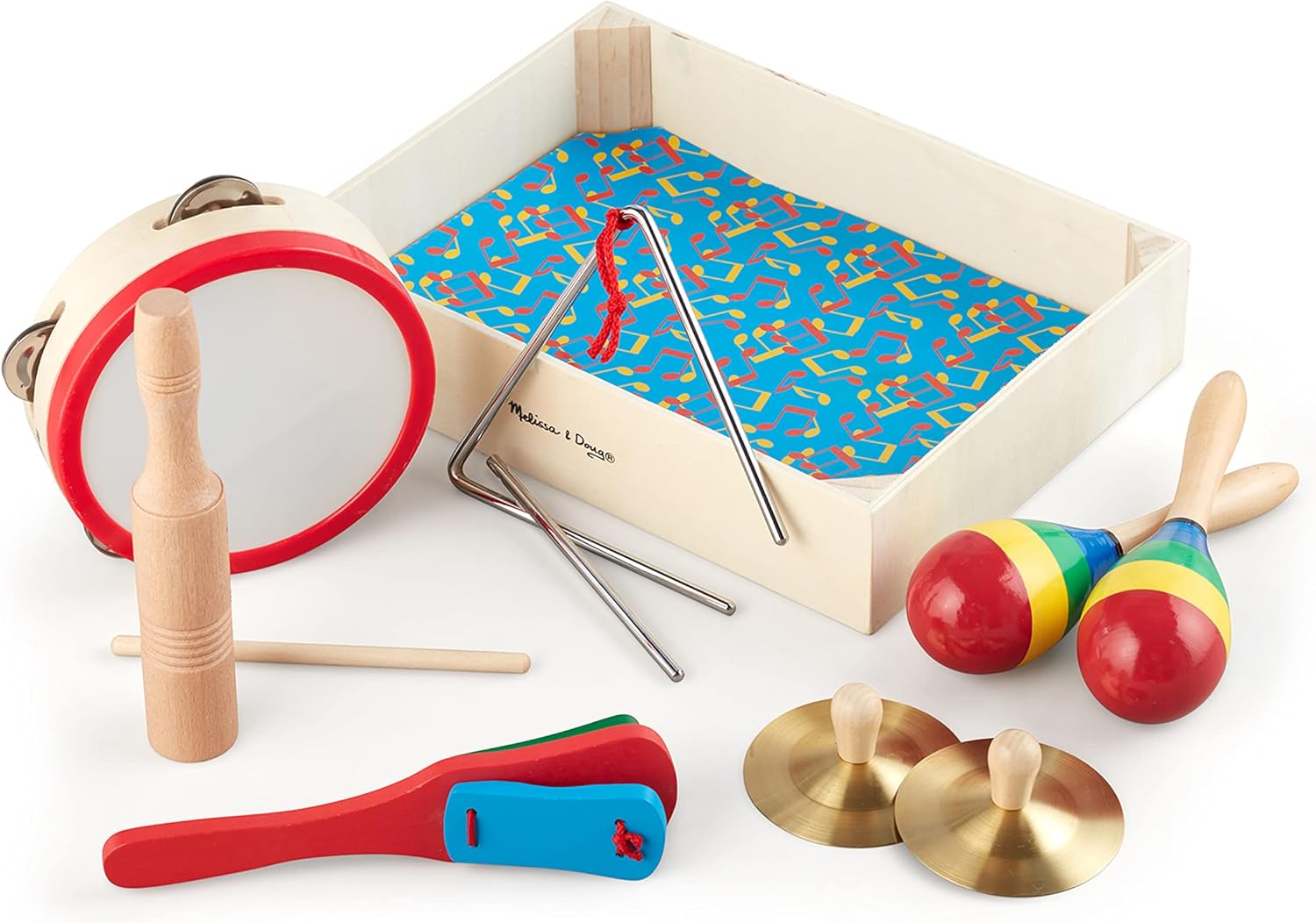


Melissa & Doug
Melissa & Doug Caterpillar Xylophone Musical Toy With Wooden Mallets 15.25" x 6.5" x 1.5 - For Toddlers,Ages 3+,Blue
See current price


Fisher-Price
Fisher-Price 4-in-1 Step 'n Play Piano 28.35x31.5x22.44 Inch (Pack of 1)
See current price
Fisher-Price
Fisher-Price 4-in-1 Step 'n Play Piano 28.35x31.5x22.44 Inch (Pack of 1)
See current price


Nanchang Wanhua Industry Co.,Ltd
Stoie’s Percussion Toddler Musical Instruments, Montessori Wooden Set of Musical Instruments for Kids Ages 3-5, 5-9, 9-12- Baby Musical Toys with Baby Xylophone, Kids Mini Band Musical Instruments
See current price


Just Play
Blue's Clues & You! Sing Along Guitar, Lights and Sounds Kids Guitar Toy, by Just Play
See current price


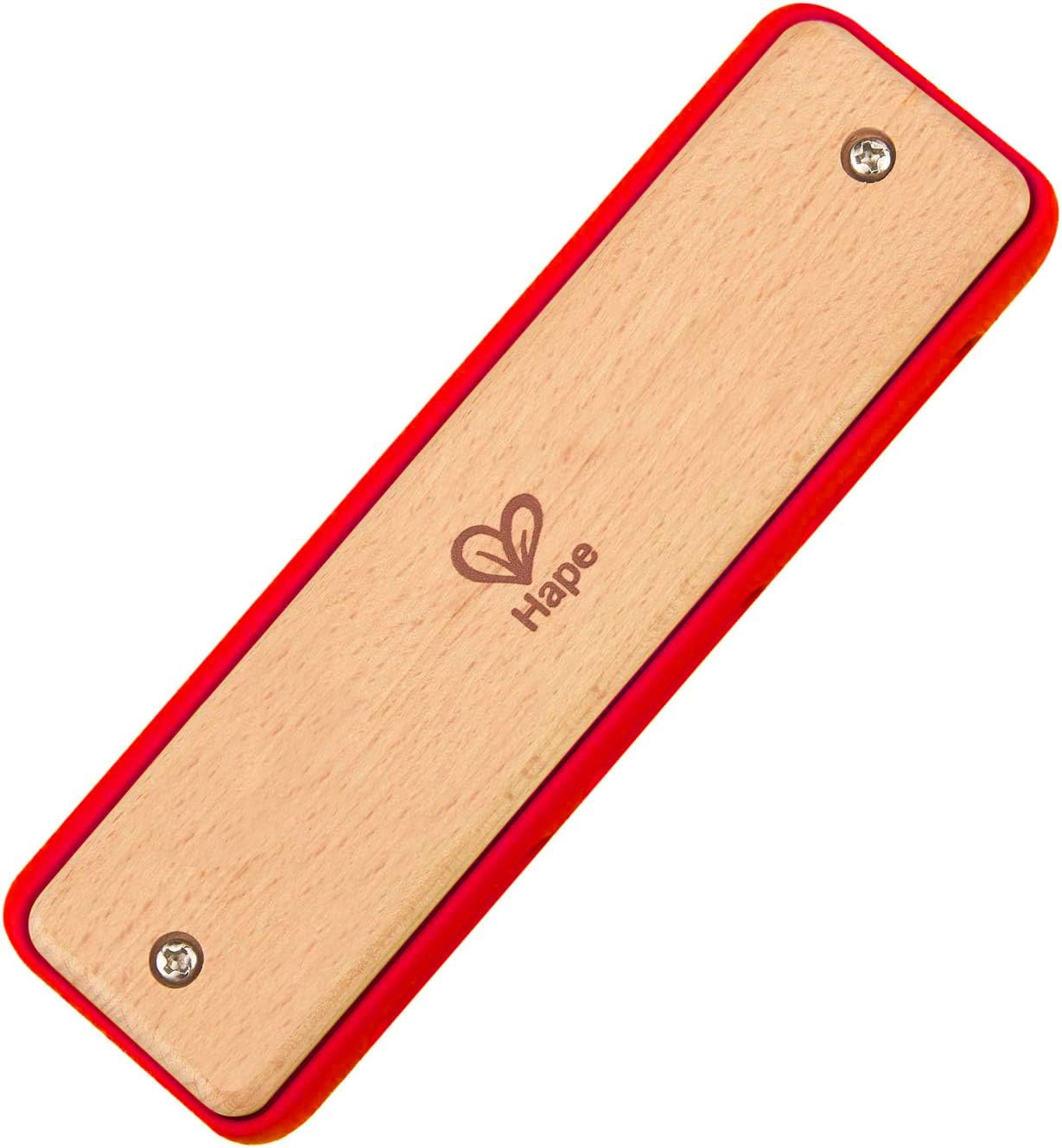

Popular brands in Musical Instruments
Musical instruments can make early learning active, creative, and hands-on. Children can experiment with rhythm, melody, volume, and coordination while enjoying open-ended play at home or in the classroom.
This K-Catalog selection focuses on instruments and musical toys for young learners. Compare the construction, controls, included accessories, and recommended age information to find an option that matches a child’s interests and ability level.
How to choose a musical instrument for a child
Start with the type of play the child enjoys. A child who likes tapping and movement may prefer drums or other percussion, while a child drawn to songs may enjoy a keyboard, xylophone, or simple wind instrument. Instruments with straightforward controls are often easier for beginners to explore independently.
Consider where the instrument will be used. Compact toys are convenient for bedrooms, playrooms, and travel, while larger sets may offer more ways to play but require dedicated storage. If several children will use the instrument, look for a sturdy design and surfaces that are easy to wipe clean.
Types of musical instruments to compare
Children’s instruments generally fall into several useful groups:
- Percussion instruments: Drums, tambourines, shakers, bells, and rhythm sets provide immediate sound and help children explore beat and timing.
- Keyboards and electronic instruments: These can introduce keys, melodies, sound effects, and interactive play. Check the control layout and whether the sounds are suitable for the intended play space.
- Melodic instruments: Xylophones and similar instruments let children play individual notes while developing hand-eye coordination and an understanding of pitch.
- Wind instruments: Whistles, recorders, harmonicas, and toy horns offer a different way to create sound. Size, mouthpiece design, and cleaning requirements matter here.
- String-style instruments: Beginner guitars and ukulele-style toys can encourage strumming and pretend performance. Look for child-friendly proportions and strings or controls that are easy to handle.
For more educational play ideas, browse Learning & Education or compare musical play with Electronic Learning Toys.
Features and specifications that matter
Materials and construction affect durability, comfort, and maintenance. Smooth edges, securely attached parts, and a stable base are useful considerations for younger children. Wood, plastic, metal, and fabric components can each create a different feel and sound, so compare the product description carefully.
Size and weight should suit the child’s reach and strength. An instrument that is too large may be frustrating to hold, while one that is too small may not offer enough room for comfortable play. For electronic options, compare the button layout, power requirements, volume controls, and any automatic or interactive modes.
Included accessories may include mallets, picks, straps, batteries, carrying cases, or instructional materials. Check what comes with the instrument rather than assuming accessories are included. Recommended age guidance is also important, particularly when a product contains small parts or requires more advanced coordination.
Brands represented in the catalog
The catalog includes musical products from brands such as Hape, M SANMERSEN, TWFRIC, Melissa & Doug, Best Choice Products, Bontempi, LOOIKOOS, Schylling, and Hohner Kids. Other represented brands include QUANZHOU AIQIAN ELECTRONIC TECHNOLOGY CO., LTD., VTech, and Little Tikes.
Brand familiarity can be a useful starting point, but specifications should guide the comparison. Pay attention to the intended age range, instrument dimensions, materials, sound options, and care instructions for each individual product.
Supporting learning through musical play
Musical play works best when children have room to experiment without pressure to perform correctly. Adults can introduce simple rhythm games, sing along, name instruments, or encourage children to copy a beat. Rotating between percussion, melody, and movement can keep the activity engaging.
Keep instruments in an accessible storage area so children can choose them during independent play. Wipe surfaces according to the manufacturer’s directions, keep electronic components dry, and inspect instruments periodically for loose pieces or damage. For complementary learning activities, explore Reading & Writing and Science Kits & Toys.
Frequently asked questions
What is a good first musical instrument for a child?
Simple percussion instruments and xylophones are common starting points because children can produce sound with limited instruction. The best choice depends on age, coordination, interests, and tolerance for sound.
Are electronic musical toys better than acoustic-style instruments?
Neither type is automatically better. Electronic instruments may offer varied sounds and interactive features, while acoustic-style instruments provide direct, hands-on control. Compare the play style and features that fit the child.
What should I check for younger children?
Review the recommended age range, inspect the instrument for small detachable parts, and look for smooth construction and easy-to-hold proportions. Adult supervision may be appropriate depending on the design and the child.
How can musical instruments support learning?
They can encourage listening, rhythm, coordination, creative expression, and turn-taking. Instruments also give children a practical way to connect movement with sound and pattern.
How should children’s instruments be maintained?
Follow the manufacturer’s cleaning guidance, store instruments in a dry location, and check for loose or cracked components. Electronic products should be kept away from moisture unless specifically designed for it.