

Electronic Learning Toys
Compare electronic learning toys by learning goals, age suitability, controls, and included features. Browse catalog options to find an engaging fit for independent play, shared activities, or learning on the go.
396 products in catalog
396 results
Filters


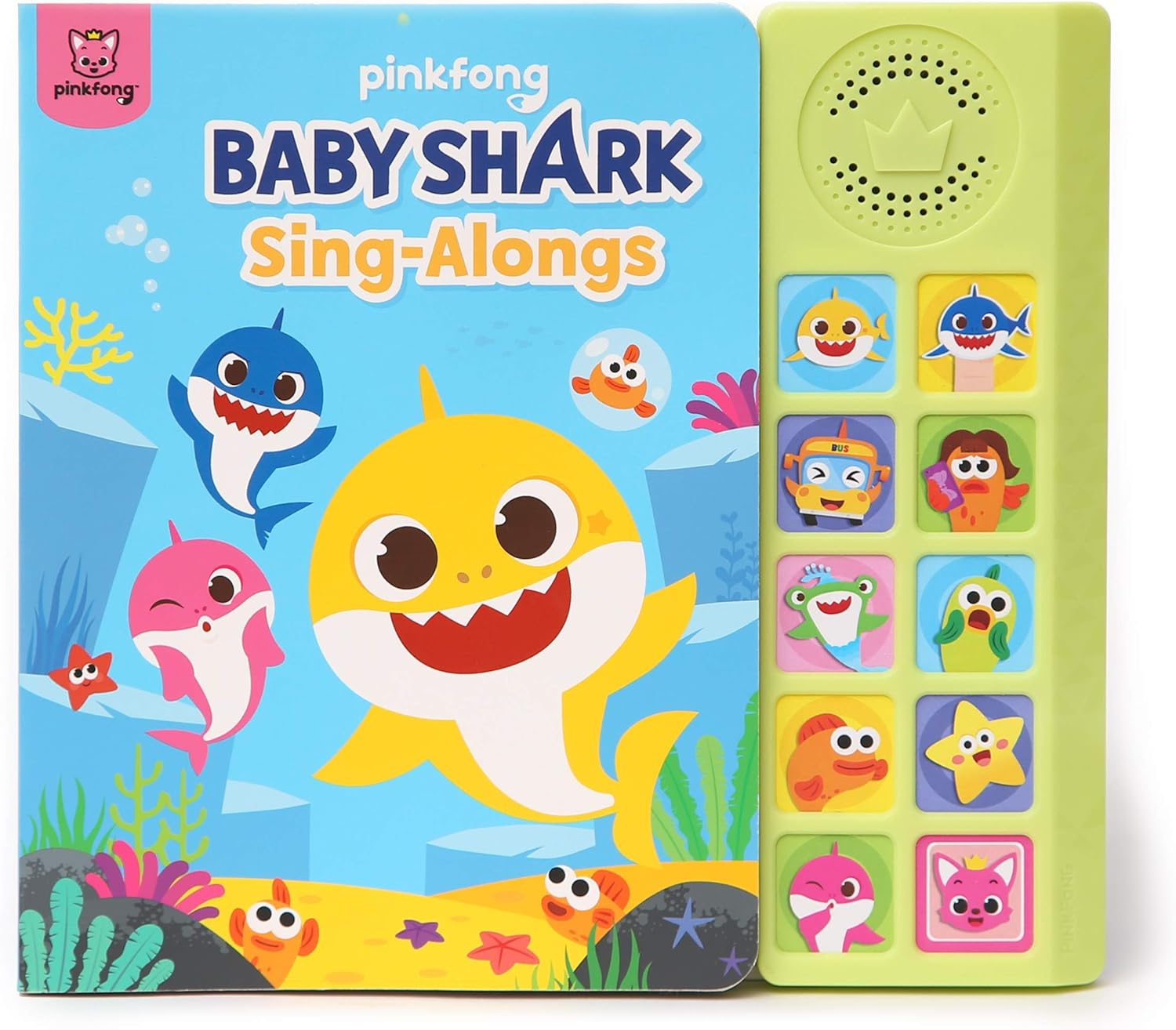


Melissa & Doug
Melissa & Doug Children's Book - Poke-a-Dot: Who’s in the Ocean (Board Book with Buttons to Pop)
See current price




Popular brands in Electronic Learning Toys
Electronic learning toys can turn practice into interactive play, helping children explore letters, numbers, language, music, problem-solving, and general knowledge. The right choice depends less on having the most features and more on matching the toy’s activities, controls, and level of challenge to the child.
Use this catalog to compare specifications and features across electronic learning products. Before choosing, consider where the toy will be used, whether an adult will join the activity, and how easily it can fit into the child’s existing play and learning routine.
How to choose an electronic learning toy
Start with the learning goal. Some toys focus on early literacy or phonics, while others introduce counting, spelling, memory, logic, music, coding concepts, or creative expression. A toy with a clear educational focus may be easier to use regularly than one with many unrelated activities.
Consider the child’s developmental stage and confidence. Look for instructions, controls, and challenges that are understandable without becoming frustrating. If several children may use the toy, adjustable difficulty or multiple activity modes can make it more flexible.
Also think about the play setting:
- Independent play: Simple controls, clear prompts, and responsive feedback can help a child use the toy with less assistance.
- Shared learning: Toys that encourage conversation, turn-taking, or parent-led activities may work well for family play.
- Travel and portability: Compact designs, built-in storage, and battery operation can be useful away from home.
- Quiet environments: Check whether sound can be lowered, muted, or used with headphones where appropriate.
Common types and learning approaches
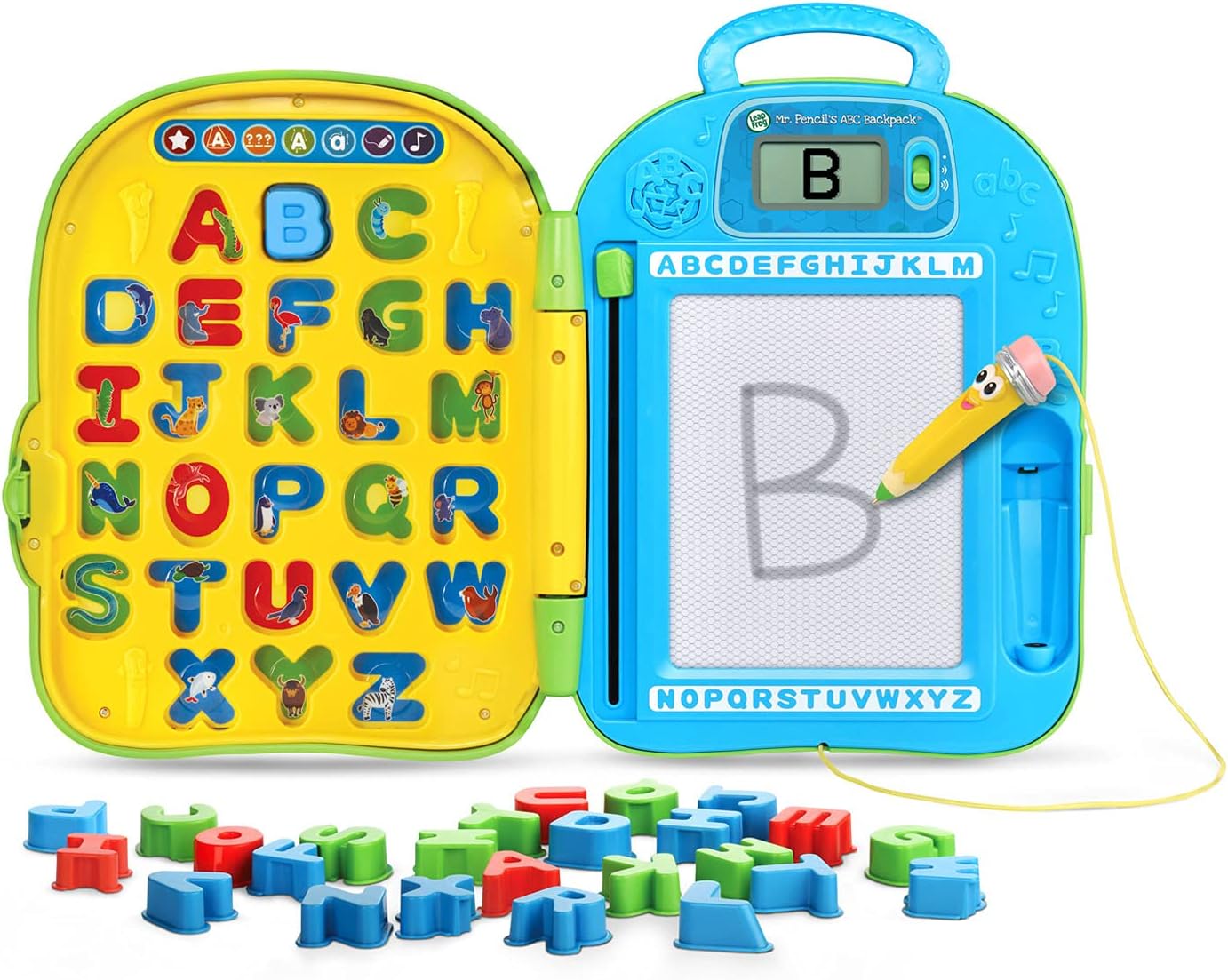
Electronic learning toys cover several formats, even when they do not appear as separate subcategories. Interactive books and reading systems can support letter recognition, vocabulary, phonics, and listening activities. Electronic writing or drawing toys may encourage tracing, spelling, handwriting practice, and creative work.
Learning tablets and activity systems often combine several subjects in one device. They can suit households looking for varied activities, but compare the interface, included content, expansion options, and any device or software requirements before buying.
Electronic puzzles, games, and quiz toys can focus on memory, matching, logic, sequencing, or general knowledge. Musical toys may introduce rhythm, sound, songs, and instrument-style play. For hands-on science exploration, compare this category with Science Kits & Toys.
Families focused on early reading can also browse Reading & Writing and Flash Cards for complementary, less electronic practice materials. For sound and performance-oriented play, Musical Instruments offers another direction.
Features and specifications to compare
Pay close attention to the details that affect everyday use:
- Age guidance and skill level: Confirm that the activities fit the intended child and offer an appropriate challenge.
- Learning content: Check which subjects, languages, vocabulary areas, or skills are included rather than assuming every toy covers the same material.
- Controls and feedback: Buttons, touch controls, voice prompts, lights, and display information should be easy for the child to understand.
- Power requirements: Compare battery type, rechargeable operation, charging method, and whether batteries or accessories are included.
- Durability and cleaning: Smooth surfaces, sturdy construction, and easy-to-wipe materials can matter for frequent handling.
- Storage and portability: Look for compartments, detachable pieces, carry handles, or a design that is practical for the intended space.
- Connectivity and compatibility: If a toy uses an app, computer, tablet, or other device, verify operating-system requirements and connection needs.
- Privacy and supervision: For connected products, review available parental controls, account requirements, microphone or camera features, and the maker’s privacy information.
Brands represented in the catalog
The catalog includes electronic learning products from LeapFrog, VTech, Fisher-Price, Osmo, Cali's Books, Melissa & Doug, V Tech, Little Tikes, Accutime, Tonies, Smart Study, and Educational Insights. Brand names can help narrow a search, but specifications still deserve the closest attention because products within one brand may serve different ages, subjects, and play styles.
Related ways to support learning
Electronic activities do not need to replace hands-on play, books, or offline practice. A balanced play area might combine interactive instruction with physical puzzles, drawing, music, or experiments. Children interested in observing the natural world may also enjoy Optics, while Marble Runs can add practical play involving sequencing, motion, and problem-solving.
Before purchasing, check the product details for included pieces, replacement-part availability, setup requirements, and safe-use guidance. Keep small components away from children who may place objects in their mouths, and supervise use when the activity involves batteries, cords, internet-connected features, or advanced challenges.
Frequently asked questions
What skills can electronic learning toys support?
Depending on the product, activities may support early literacy, numeracy, spelling, language, memory, logic, music, science concepts, or creative expression. Review the listed activities to confirm the specific skills included.
Are electronic learning toys suitable for independent play?
Some are designed for simple self-directed use, while others work better with an adult explaining instructions or discussing answers. Look for clear controls and guidance if independent play is important.
What should I check if the toy uses an app?
Verify device compatibility, connection requirements, setup steps, account needs, update policies, and parental-control options. Also check whether the toy remains usable without the app.
Do electronic learning toys require batteries?
Power varies by product. Check whether the toy uses disposable batteries, a rechargeable battery, or an external power source, and whether the required power accessories are included.
How can I choose a toy that will not become too easy quickly?
Look for multiple levels, varied activities, expandable content, or skills that develop gradually. A toy may remain more useful when it supports progression rather than repeating one fixed task.
Can electronic learning toys replace books or hands-on activities?
They are best viewed as one part of a broader learning routine. Pair interactive play with reading, conversation, physical materials, creative work, and real-world exploration.