

Lipid Supplements
Compare lipid supplements by ingredient form, source, serving details, and label information. This K-Catalog page helps shoppers narrow options before checking current product details on Amazon.
120 products in catalog
120 results
Filters


NOW Sports - Nutrition and Wellness
NOW Supplements, Lecithin 1200 mg with naturally occurring Phosphatidyl Choline, 400 Softgels
See current price


NusaPure
NusaPure Choline Bitartrate 650 mg.200 Veggie Capsules (Vegetarian, Non-GMO & Gluten-Free)
See current price


Nested Naturals
Nested Naturals Choline Bitartrate 500mg per Serving, Supports Cognitive Function, 100% Vegan & Non-GMO Choline
See current price


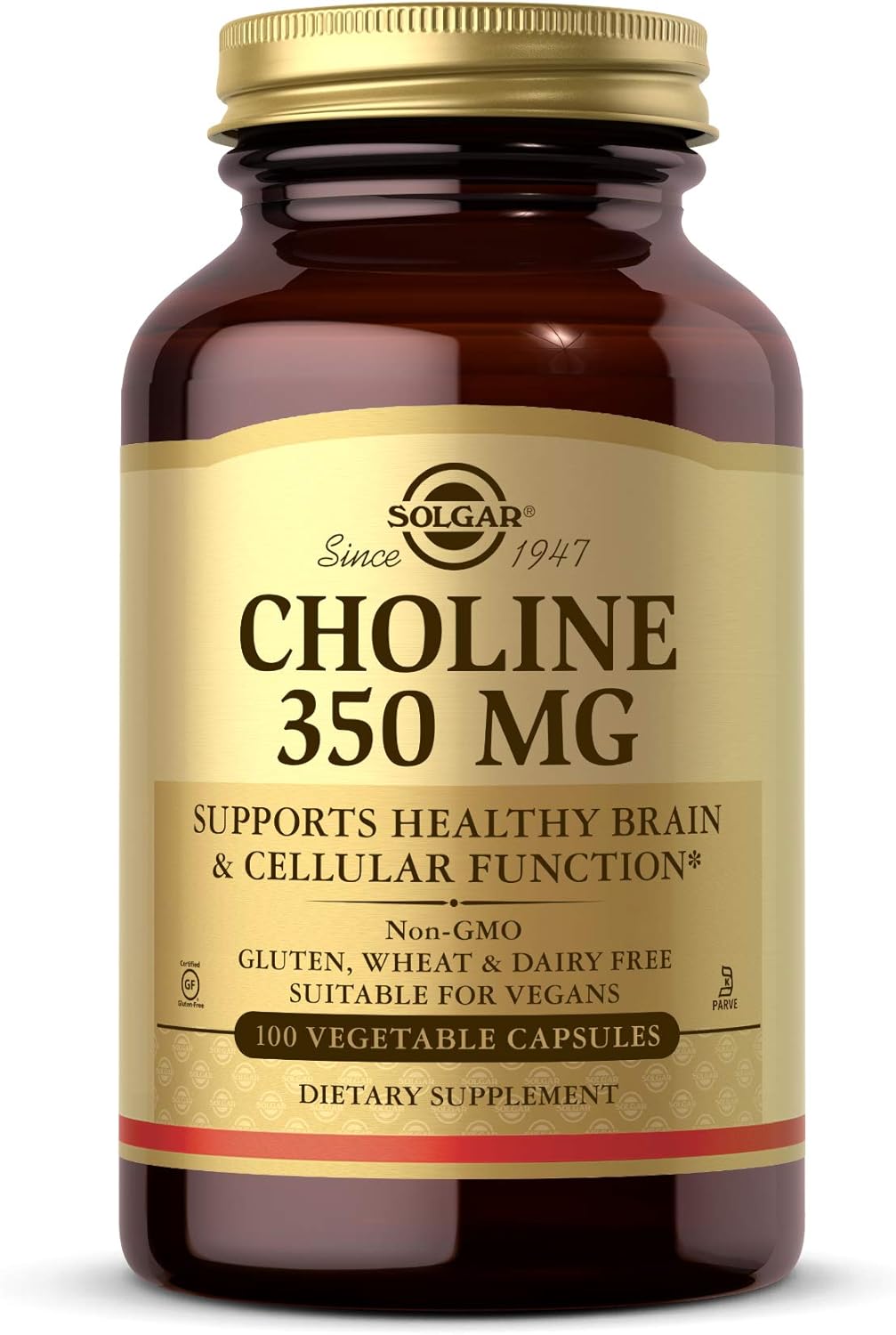

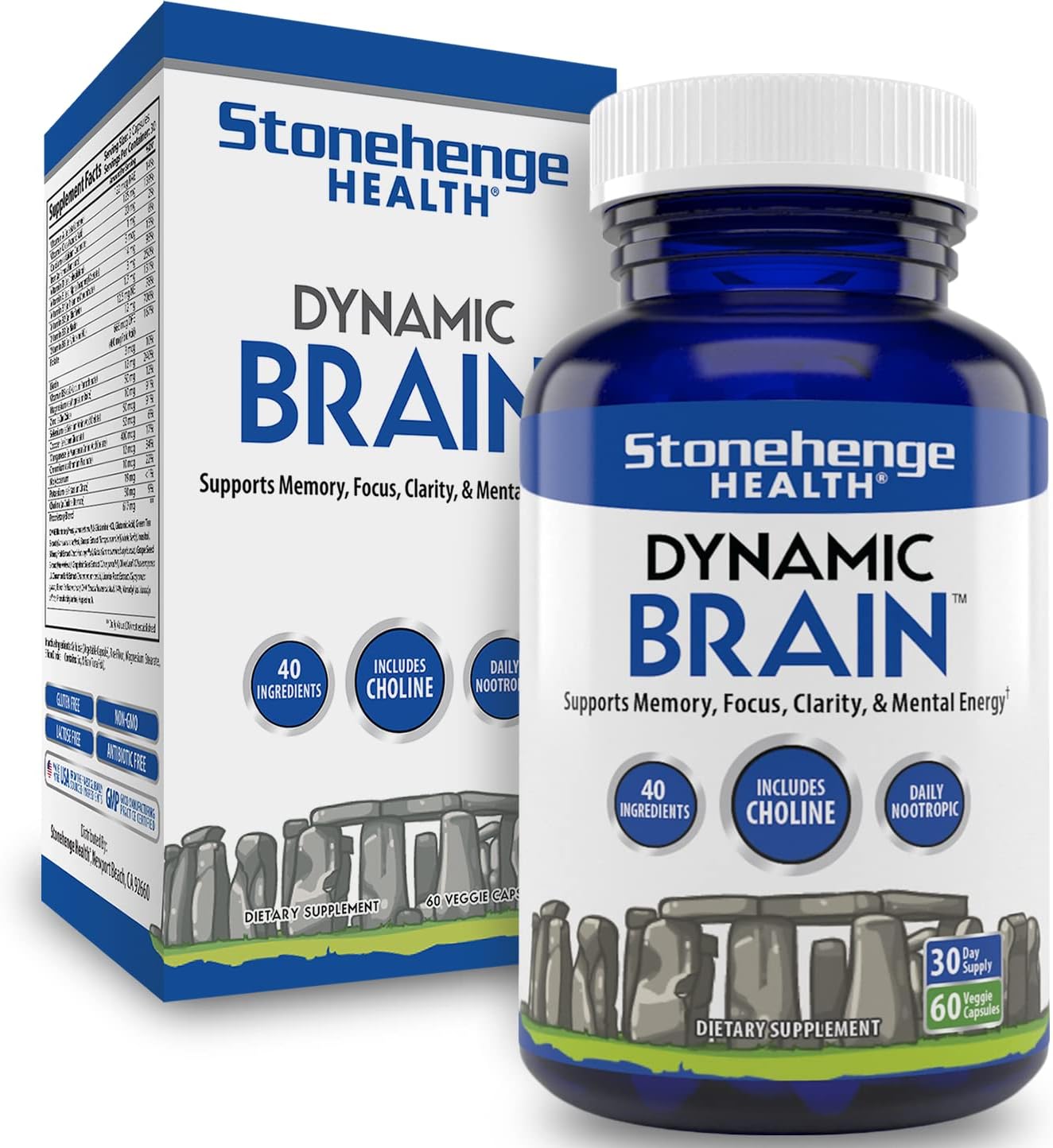

Amazing Nutrition
Amazing Formulas Lecithin 1200mg High Potency 240 Softgels Supplement | Non-GMO | Gluten Free | 2 Pack
See current price


Carlyle
Carlyle Citicoline CDP Choline 1000mg | 60 Capsules | Non-GMO, Gluten Free Supplement
See current price

Double Wood Supplements
CDP Choline (Citicoline) Supplement, Pharmaceutical Grade, Manufactured in USA (60 Capsules 300mg)
See current price

Popular brands in Lipid
Lipid supplements cover products centered on fats, fatty-acid compounds, phospholipids, and other lipid-based ingredients. Because products in this category can differ substantially in form and purpose, comparing the Supplement Facts panel and full ingredient list is more useful than relying on the category name alone.
Use this catalog to compare available options by formulation, serving information, capsule or powder format, and other product specifications. Shoppers should also consider how a lipid supplement fits with their existing diet and supplement routine.
How to choose a lipid supplement
Start by identifying the ingredient you want to compare. “Lipid” is a broad category, so two products may have very different ingredients even when they appear next to each other in a catalog. Check the active ingredient name, the amount per serving, and whether the label identifies a specific source or form.
Other useful questions include:
- Is the product a capsule, softgel, liquid, powder, or another format?
- How many servings are listed per container?
- Does the formula contain one primary lipid ingredient or a blend?
- Are there additional oils, extracts, flavoring ingredients, or excipients?
- Does the serving guidance suit the way you plan to use it?
If a product is intended to complement a particular dietary goal, compare its label with other options rather than assuming that a higher serving amount or longer ingredient list is automatically preferable.
Common lipid supplement formats
Lipid products may be presented in several formats. Softgels and capsules are convenient for premeasured servings and are often selected by shoppers who prefer a portable option. Liquid products may allow more flexibility in measuring a serving, while powders can be mixed into food or beverages when that format is appropriate.
Form also matters for storage and everyday use. Liquids may require more attention to the label’s storage instructions, while capsules and softgels may be easier to organize for travel. Always confirm the manufacturer’s directions for serving, storage, and handling.
Lipid ingredients can include fatty-acid compounds, phospholipids, and other oil-based or fat-associated substances. The most relevant comparison is the named ingredient and its stated amount, not simply the total size of the capsule or container.
Key specifications to compare
When reviewing products, focus on details that affect identification, compatibility, and convenience:
- Active ingredients: Compare the exact names and amounts shown in the Supplement Facts panel.
- Source: Look for information about the source material when it is important to your preferences or dietary needs.
- Serving instructions: Check the suggested serving and whether the product is intended to be taken with food.
- Other ingredients: Review oils, gelatin, capsule materials, sweeteners, colors, and preservatives.
- Dietary suitability: Look for label information relevant to vegetarian, allergen, or other dietary requirements, but confirm details with the manufacturer when necessary.
- Container and format: Consider whether a softgel, capsule, liquid, or powder fits your routine.
Supplement labels can change, so the current product page and packaging information should be treated as the final reference. If you take medication, have a medical condition, are pregnant or nursing, or are planning supplements for a child, ask a qualified healthcare professional before use.
Brands represented in the catalog
The lipid catalog includes products from brands such as Now Foods, NOW, Nature’s Way, Double Wood Supplements, Fearn, Solgar, NatureBell, Swanson, Carlyle, Nutricost, Natural Nutra, and BulkSupplements. These names provide additional ways to filter and compare formulations, but brand presence alone does not indicate that one product is right for every shopper.
You can also browse neighboring sections of the broader Vitamins, Minerals & Supplements catalog. Depending on the ingredient you are considering, Essential Fatty Acids may offer a more focused comparison. Other useful sections include Herbal Supplements, Vitamins, Blended Vitamin & Mineral Supplements, Minerals, and Digestive Supplements.
Shopping and label-checking tips
Read the complete label before comparing products. Pay attention to serving size, the number of servings, and whether the displayed ingredient amount applies to one capsule, one scoop, or the full suggested serving. This prevents misleading comparisons between products that use different serving conventions.
Consider practical details as well. A product that fits your preferred format, storage space, dietary requirements, and daily schedule may be easier to use consistently. If you are comparing several formulas, make a short list of the active ingredients and other ingredients so differences are easy to see.
Frequently asked questions
What are lipid supplements?
Lipid supplements are products built around lipid-related ingredients, including certain fatty-acid compounds, phospholipids, oils, or other fat-associated substances. The exact contents vary by product.
How should I compare two lipid supplements?
Compare the active ingredient names, amounts per serving, source information, format, other ingredients, and serving directions. Use the Supplement Facts panel rather than the product title alone.
Are lipid supplements available in different forms?
Yes. Cataloged supplements may be offered as softgels, capsules, liquids, powders, or other formats. Check the individual product details to confirm the available form.
Should I take a lipid supplement with food?
Some products may include directions related to food, but instructions vary. Follow the product label and ask a healthcare professional if you need advice for your situation.
How do I check whether a product suits my diet?
Review the full ingredient list and dietary statements, including capsule materials and potential allergens. Contact the manufacturer when the label does not provide enough detail.
Can lipid supplements replace medical treatment?
Supplements should not be treated as a replacement for prescribed care. Discuss intended use with a qualified healthcare professional, especially when medication or a health condition is involved.