

Medical Compression Garments
Compare medical compression garments by fit, compression level, materials, and intended use. Check product specifications carefully and consult a qualified healthcare professional when needed.
436 products in catalog
436 results
Filters


Best Top Buys Online
TechWare Pro Plantar Fasciitis Socks - Ankle Compression Socks for Women & Men. Achilles Tendonitis Brace & Foot Arch Support
See current price

Dr. Frederick's Original
Dr. Frederick's Original Arthritis Gloves for Women & Men - Compression for Arthritis Pain Relief - Large
See current price


Amazon.com Services LLC.
Amazon Basic Care Medical Compression Stockings, 20-30 mmHg Support, Women & Men Thigh Length Hose, Open Toe, Beige, Small (Previously NuVein)
See current price

Surgical Appliance Industries
Truform Sheer Compression Stockings, 15-20 mmHg, Women's Knee High Length, Open Toe, 20 Denier, Navy, X-Large
See current price

Surgical Appliance Industries (Accelerator Program)
NuVein Medical Compression Stockings, 20-30 mmHg Support, Women & Men Thigh Length Hose, Open Toe, Black, Small
See current price
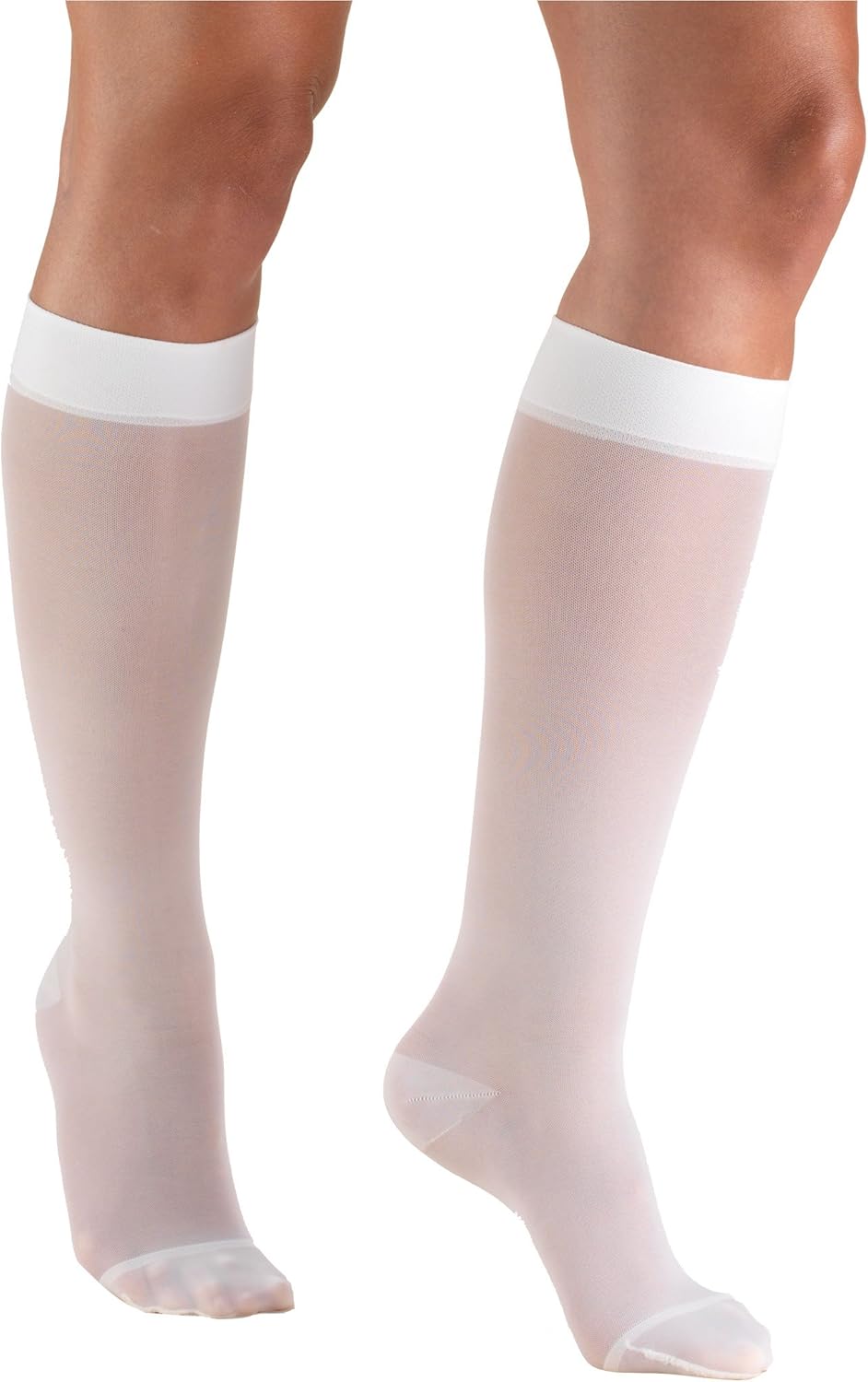
Surgical Appliance Industries
Truform Sheer Compression Stockings, 15-20 mmHg, Women's Knee High Length, 20 Denier, White, 2X-Large
See current price

Surgical Appliance Industries
Truform 20-30 mmHg Compression Stockings for Men and Women, Knee High Length, Closed Toe, Black, Small
See current price


Powerlix Compression Socks All
See current price

Surgical Appliance Industries
Truform 20-30 mmHg Compression Stockings for Men and Women, Knee High Length, Open Toe, Beige, Large
See current price

![Medical Zippered Compression Socks - Open Toe 15-20 mmHg Varicose Veins Compression Stockings with Zip Guard for Skin Protection, Lightweight Diabetic Compression Socks - 3XL, Beige [1 Pair]](https://m.media-amazon.com/images/I/91uFOsFB2fL._AC_SL1500_.jpg)


CompressionZ
CompressionZ Compression Socks For Men & Women 30-40 mmHG Tight Stockings
See current price
Popular brands in Medical Compression Garments
Medical compression garments are designed to provide controlled support around a specific area of the body. This category can include sleeves, stockings, socks, and other wearable garments for shoppers comparing options for daily use, recovery, or clinician-recommended care.
The right choice depends on more than size alone. Compression level, garment coverage, construction, comfort, and ease of use all affect whether a product fits your needs. Review each listing’s specifications and follow advice from a healthcare professional when compression is being used for a diagnosed condition.
How to choose a medical compression garment
Start by identifying the body area that needs coverage and the type of garment recommended for it. A product intended for the arm will have a different shape and sizing method from one designed for the leg, foot, hand, or torso.
Consider these factors before comparing individual products:
- Intended use: Look for a garment that matches the body area and purpose described in the product listing or by your clinician.
- Compression level: Compression may be described using terms such as light, moderate, firm, or graduated. Confirm which level is appropriate rather than choosing based only on personal preference.
- Sizing method: Measurements may involve circumference, limb length, shoe size, waist size, or another fit point. Use the seller’s sizing chart and measure as directed.
- Coverage: Decide whether you need coverage over a joint, a full limb, a smaller area, or a specific problem spot.
- Wearability: Consider the garment’s opening, stretch, seam placement, fabric weight, and how easy it is to put on and remove.
If a garment causes unusual pain, numbness, tingling, skin discoloration, or other concerning symptoms, remove it and seek appropriate medical guidance.
Common types and coverage areas
Medical compression garments vary by both body area and construction. The product title and specifications should make the intended coverage clear, but shoppers may encounter several broad formats:
- Compression socks and stockings: Often selected for lower-leg or full-leg coverage, with different lengths and compression designs.
- Compression sleeves: Typically cover an arm, calf, thigh, or another limb section without covering the hands or feet, depending on the design.
- Hand and wrist garments: May provide coverage around the hand, wrist, or fingers. Check whether the fingers are enclosed and whether the design allows normal movement.
- Foot and ankle garments: Useful when coverage needs to focus on the foot or ankle area. Confirm how the garment transitions around the heel and toes.
- Specialized garments: Some products are shaped for a particular body area or use case. Read the description closely to distinguish a targeted design from a general-purpose sleeve.
There are no subcategories listed for this catalog section, so comparing the garment’s coverage and construction is especially important when browsing the available products.
Key features and specifications to compare
Compression garments can look similar while differing substantially in fit and function. Pay close attention to the details provided for each product:
- Graduated or uniform compression: Graduated designs may provide varying compression across the garment, while uniform compression is consistent throughout. Do not assume one approach is suitable for every need.
- Fabric composition: Materials affect stretch, breathability, softness, durability, and moisture handling. Check the listed fiber content if you have a material sensitivity.
- Seams and edges: Flat seams, reinforced areas, and wide bands may influence comfort and whether the garment stays in place.
- Open or closed toe: For socks and stockings, the toe design can affect ventilation, footwear compatibility, and ease of putting the garment on.
- Care instructions: Washing and drying requirements can affect convenience and garment longevity. Follow the manufacturer’s instructions rather than relying on general laundry habits.
- Left, right, or bilateral fit: Some products are designed for one side, while others can be worn on either side. Verify this before ordering.
Brands represented in the catalog
The catalog includes medical compression garments from Surgical Appliance Industries, Absolute Support, LighSele, EvoNation, Bluemaple, JOBST, YZ-store, Laite Hebe, RELAXSAN, BstAmzStore, and PAPLUS. Surgical Appliance Industries also appears under an Accelerator Program listing. These brands are represented in the catalog for comparison; shoppers should evaluate the specifications, sizing information, and intended use of each individual product rather than choosing by brand name alone.
Fit, care, and safety tips
Accurate measuring is essential. Measure at the points requested in the product’s sizing guide, and take measurements when swelling or other temporary changes are accounted for according to professional guidance. If measurements fall between sizes, check the seller’s instructions or ask a qualified healthcare provider which option is appropriate.
Compression garments should generally be smooth rather than bunched or folded under clothing. Inspect the skin regularly, particularly when first trying a new garment. Replace a product when the fabric is stretched out, damaged, or no longer provides the expected fit. Always check care instructions, since heat, bleach, or unsuitable washing methods may affect elastic fibers.
For shoppers comparing adjacent support products, Braces, Splints & Supports may be relevant when the primary need is stabilization rather than compression. Mobility & Daily Living Aids can help when garment use is affected by limited reach or hand strength. Browse the broader Medical Supplies & Equipment category for additional related products.
Frequently asked questions
How do I select the correct size?
Use the measurements and sizing chart supplied with the specific product. Do not rely only on your usual clothing or shoe size, because compression garments use specialized fit measurements.
What compression level should I choose?
The appropriate level depends on the garment’s intended use and your individual health situation. Follow a clinician’s recommendation when one has been provided.
Can I wear a compression garment all day?
Wear time varies by garment and individual circumstances. Follow the product instructions and professional guidance, and stop using it if concerning discomfort or skin changes occur.
How should compression garments be washed?
Check the care label or product listing for washing and drying instructions. Avoid methods that could damage elastic fibers or alter the garment’s fit.
What should I do if the garment feels too tight?
Remove it and reassess the size, fit, and compression level. Persistent pain, numbness, tingling, discoloration, or swelling warrants medical advice.