

Mobility & Daily Living Aids
Compare mobility and daily living aids by design, dimensions, support features, adjustability, and intended use. Find options that can help make movement and everyday tasks more manageable.
4,204 products in catalog
4,204 results
Filters

RMS Royal Medical Solutions, Inc.
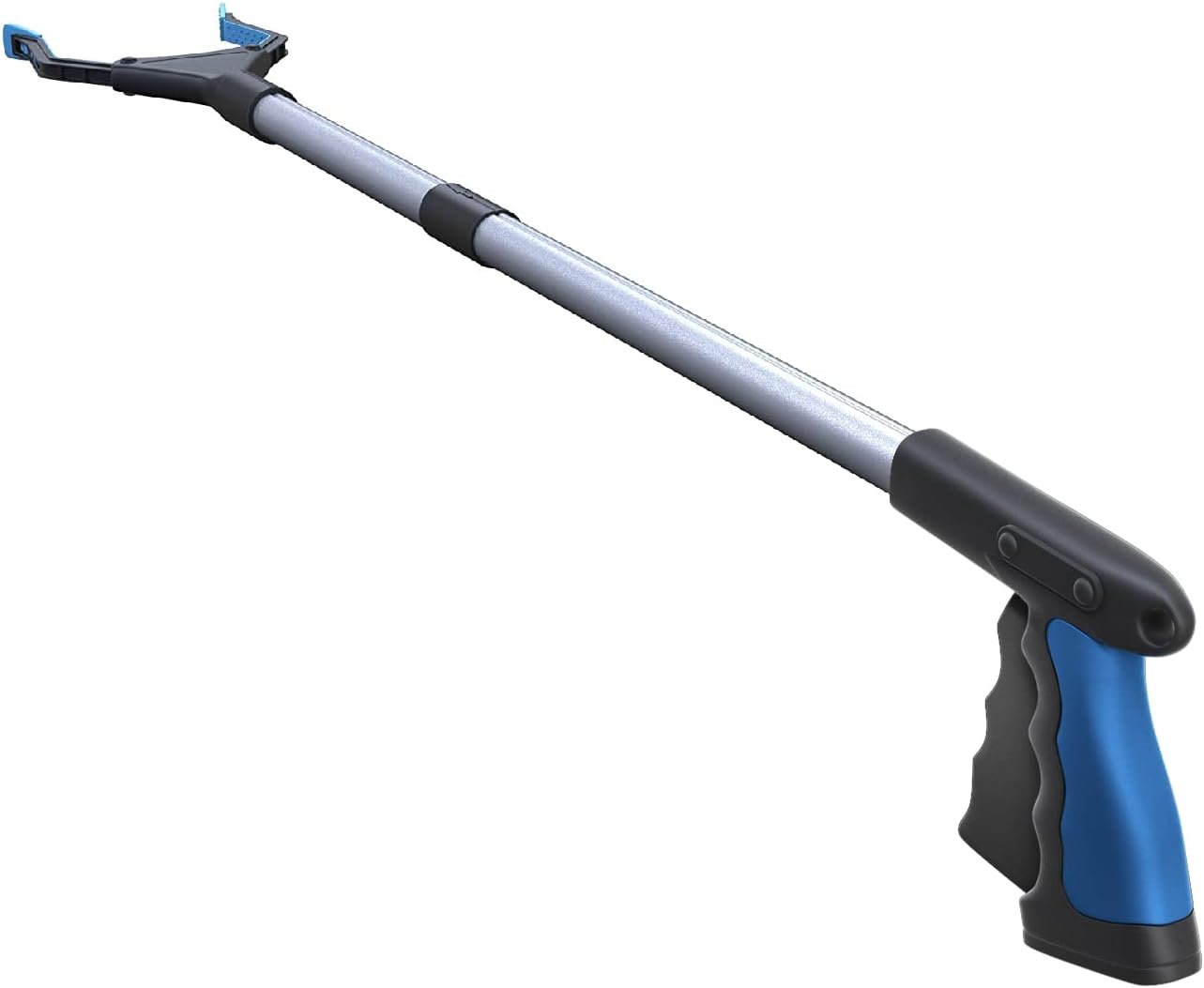
2-Pack 32 Inch Extra Long Grabber Reacher with Rotating Jaw - Mobility Aid Reaching Assist Tool (Blue)
See current price


Drive Medical
Drive Medical 12011KD-1 Tub Transfer Bench For Bathtub with Adjustable Backrest
See current price

Amazon Basics
Amazon Basics 60-Pack Hearing Aid Size 675 Zinc-Air Batteries, 1.45 Volt, Blue Tab, 4-Year Shelf Life
See current price


Vaunn
Vaunn Adjustable Overbed Bedside Table With Wheels (Hospital and Home Use), Walnut Brown
See current price


HurryCane
HurryCane HCANE-BL-C2 Freedom Edition Foldable Walking Cane with T Handle, Trailblazer Blue
See current price

Rayovac
Rayovac Size 312 Extra Advanced Mercury Free Hearing Aid Batteries (80 Batteries)
See current price
![HONEYBULL Walking Cane for Men & Women - Foldable, Adjustable, Collapsible, Free Standing Cane, Pivot Tip, Heavy Duty, with Travel Bag | Walking Sticks, Folding Canes for Seniors & Adults [Black]](https://m.media-amazon.com/images/I/613kdrOdCxL._AC_SL1500_.jpg)


Essential Medical Supply
Essential Medical Supply Height Adjustable Shower and Bath Bench with Padded Arms and Textured Shower Chair Seat
See current price

Royal Medical Solutions
2-Pack 32 Inch and 19 Inch Grabber Reacher with Rotating Jaw - Mobility Aid Reaching Assist Tool
See current price


NOVA Medical Products
NOVA Medical Products Walker Glide Skis, Universal Fit, One Pair, Gray
See current price
Popular brands in Mobility & Daily Living Aids
Mobility & daily living aids cover a broad range of equipment designed to support movement, transfers, personal care, and routine tasks at home or away. The right choice depends on the user’s mobility needs, strength, balance, living environment, and level of assistance required.
Use this catalog to compare product specifications and features before visiting Amazon to check current availability and purchase options. For a wider selection of medical equipment, browse the broader Medical Supplies & Equipment category.
How to choose mobility and daily living aids
Start by identifying the specific task that needs support. Walking aids are intended to improve stability or reduce weight placed on the legs, while transfer and bathroom aids can help with getting in, out, or around common household spaces. Daily living tools may make dressing, reaching, bathing, or preparing items easier when bending or gripping is difficult.
Consider the user’s current abilities rather than choosing solely by product type. Important questions include:
- Is the main need balance support, weight-bearing assistance, or help with endurance?
- Will the aid be used indoors, outdoors, or in both settings?
- Does it need to fit through doorways, around furniture, or in a vehicle?
- Can the user safely operate brakes, locks, folding mechanisms, or adjustment controls?
- Will a caregiver provide assistance with setup, transport, or transfers?
A healthcare professional can help determine whether a particular aid is appropriate, especially when mobility has changed suddenly or the user has a condition affecting balance, strength, or coordination.
Common types to compare
This category may include walking aids such as canes, crutches, walkers, and rollators, along with equipment intended for transport or seated mobility. Compare the support pattern, handle height, seat or backrest design where applicable, folding method, and overall dimensions.
Bathroom and home safety products can include shower seating, bath supports, raised toilet equipment, grab-assist tools, and other aids for areas where wet floors and limited maneuvering can increase risk. Look closely at fit, stability, installation requirements, and whether the product is intended for a particular bathroom layout.
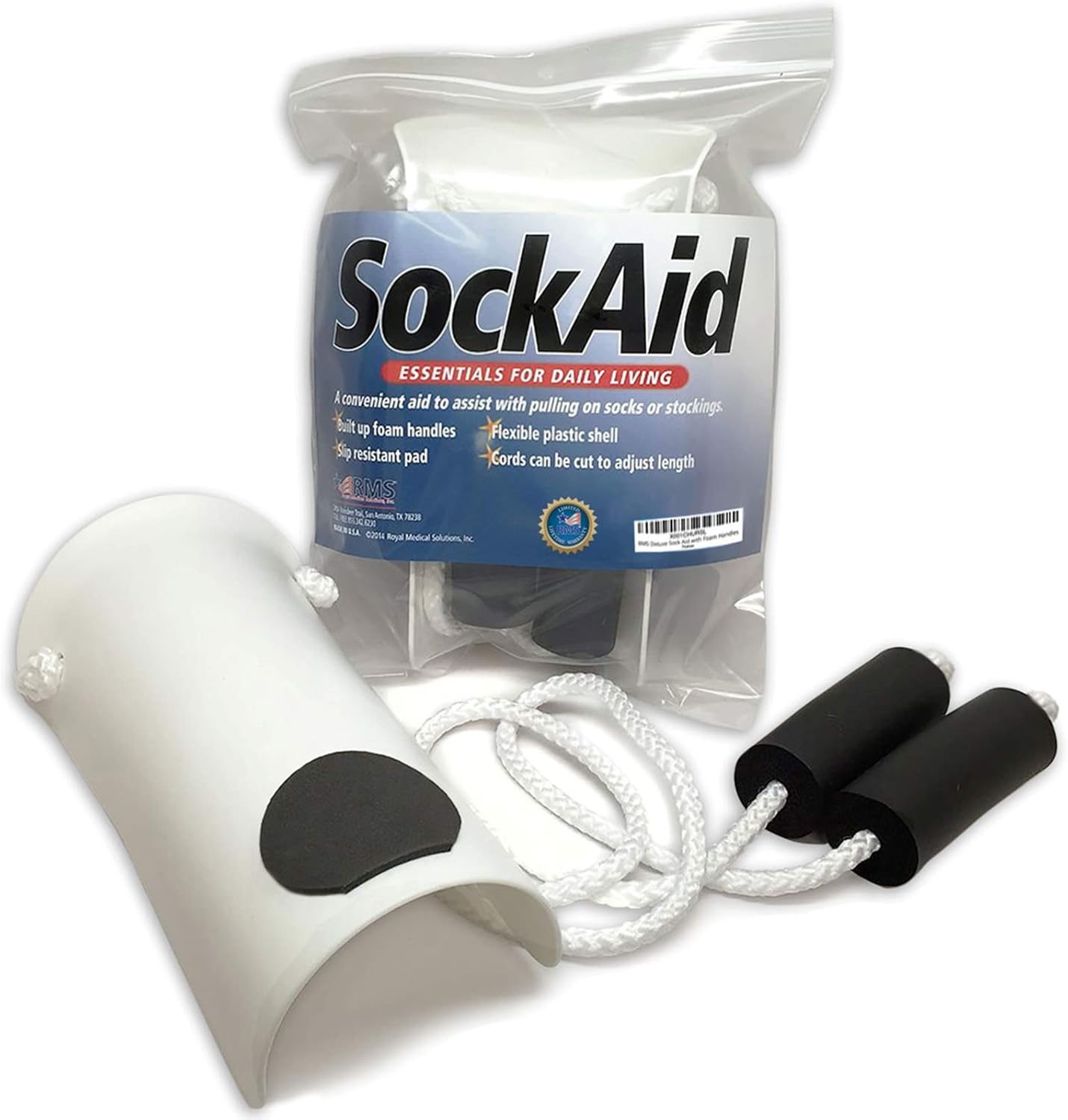
Daily living aids may assist with reaching, dressing, gripping, eating, or transferring. If the need is focused on rehabilitation or structured exercise, the related Occupational & Physical Therapy Aids category may be more relevant. For focused support around a joint or limb, compare Braces, Splints & Supports as well.
Specifications and features that matter
Fit and adjustability: Check height ranges, width, seat dimensions, handle positioning, and other measurements against the user and the intended space. Adjustable equipment should lock securely at the selected setting.
Weight and portability: A lighter aid may be easier to lift and transport, while a larger design may provide a different level of support or stability. Confirm folded dimensions if the product must fit in a closet, car, or storage area.
Contact points and surfaces: Look for handle shapes, padded areas, foot supports, seat materials, and non-slip contact surfaces that suit the user’s comfort and control needs. Replaceable tips, caps, or glides may also affect long-term maintenance.
Operation: Brakes, wheels, locking pins, folding releases, and transfer mechanisms should be understandable and practical for the person using them. A feature is only useful if the user or caregiver can operate it consistently.
Cleaning and care: For bathroom and personal-care equipment, consider whether surfaces are easy to wipe clean and whether parts can be removed for maintenance. Follow the manufacturer’s instructions for inspection, cleaning, and replacement of worn components.
Brands represented in the catalog
The catalog includes products from Drive Medical, Medline, Carex, DMI, Vive, Invacare, NOVA Medical Products, Top Glides, Essential Medical Supply, MEDca, SAMMONS PRESTON, and Stander. Compare each product by its own specifications and intended use rather than relying on brand name alone.
Some needs may overlap with other medical categories. Medical Compression Garments focus on compression wear, while Health Monitors cover equipment for tracking health measurements. These products serve different purposes from mobility equipment and should be evaluated separately.
Safe setup and everyday use
Read the instructions before assembling or adjusting an aid. Check that height settings, locks, wheels, tips, seats, and contact surfaces are secure before use. Keep walkways clear and use extra caution on stairs, uneven ground, wet floors, and transitions between floor surfaces.
Avoid using a mobility aid for a purpose it was not designed to handle. Weight limits, user positioning, and installation requirements matter for safety. Inspect equipment regularly for loose fasteners, worn rubber tips, damaged wheels, cracked frames, or other changes that could affect stability.
Frequently asked questions
How do I choose between a cane and a walker?
A cane may suit someone who needs support on one side and can maintain reasonable balance. A walker generally provides a wider base of support. A clinician can help determine which option matches the user’s strength and stability.
What measurements should I take before buying?
Measure the user’s height and relevant body dimensions, along with doorways, hallways, bathroom spaces, and storage areas. Compare these measurements with the product’s listed adjustment range and overall dimensions.
Are mobility aids suitable for outdoor use?
Some are designed for indoor use, while others may be suitable for outdoor surfaces. Check wheel or tip design, frame construction, braking features, and the manufacturer’s intended-use guidance.
How can I tell whether a bathroom aid will fit?
Measure the available space, toilet or tub dimensions, and nearby clearance. Check installation details, adjustment ranges, weight limits, and whether the product requires tools or permanent mounting.
When should an aid be replaced?
Replace or repair an aid when it has damaged structural parts, unreliable locks or brakes, worn tips, unstable wheels, or other defects. Follow the manufacturer’s maintenance and replacement guidance.