
KT Tape
KT Tape, Original Cotton, Elastic Kinesiology Athletic Tape, 20 Count, 10” Precut Strips
See current price

Compare braces, splints, and supports by body area, stability, fit, materials, and intended use. Review product specifications to narrow the options that match your needs.
5,630 products in catalog
5,630 results
KT Tape
See current price


KT Tape
See current price


MUELLER
See current price


Bodyprox
See current price
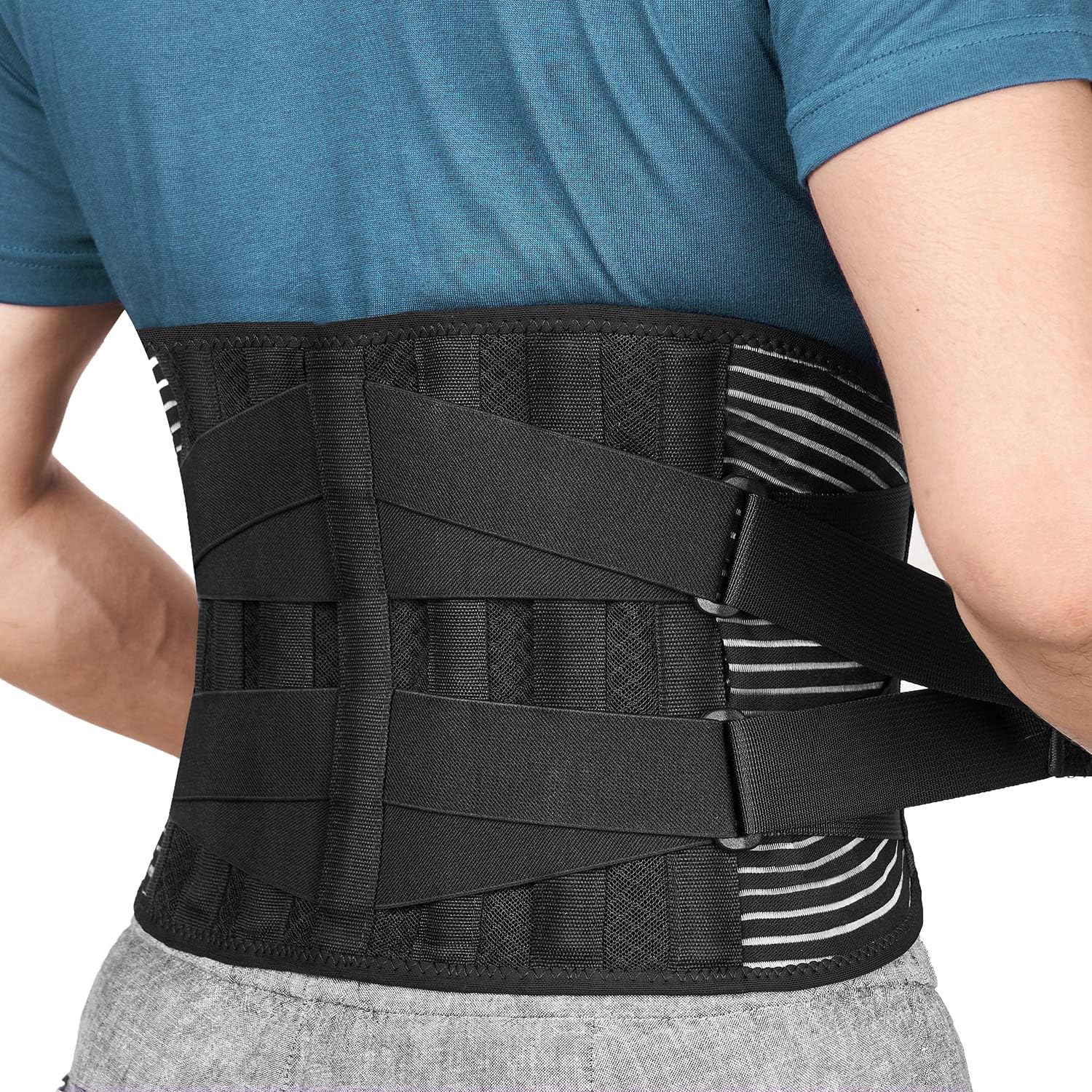
Braces, splints, and supports are designed for different body areas and different levels of stabilization. Some are intended for everyday wear, activity support, or recovery, while others provide more structured positioning or compression. The right choice depends on where the support will be used, how much movement it should allow, and whether a healthcare professional has recommended a particular design.
This K-Catalog category brings together options from brands including MUELLER, CAMBIVO, McDavid, Vive, Copper Compression, BraceAbility, Copper Compression Gear, Neo-G, Copper Fit, RockTape, KARM, and HLTPRO. Compare the specifications and features on each product page, then check the current product information on Amazon before making a purchase.
Start with the body area and the purpose of the product. A wrist splint for rest has different requirements from a knee brace for movement, and an ankle support used during activity may need a different fit from one worn for general comfort. Product descriptions should clarify the intended body part, wearing position, and level of support.
Consider these questions before comparing individual options:
A support should feel secure without creating excessive pressure, pinching, or numbness. If symptoms worsen or circulation appears affected, discontinue use and seek appropriate medical guidance.
Although products in this category vary widely, most fall into a few practical groups.
Compression sleeves and elastic supports are usually made to fit closely around a joint or limb. They may suit shoppers who want a low-profile option with flexibility for everyday activity. Compare the fabric, stretch, breathability, and whether the product uses a pull-on design or adjustable closure.
Wraparound braces use straps, hook-and-loop fasteners, or other closures to let the wearer adjust the fit. These designs can be easier to put on than pull-on sleeves and may accommodate changes in swelling or clothing. Check how the straps are arranged and whether the product is intended for the left side, right side, or either side.
Stabilizing braces may include stays, panels, hinges, or reinforced sections. They are often considered when more structured support is needed while still allowing a specified range of movement. Pay close attention to the stated support level and the location of rigid or semi-rigid components.
Splints are generally more focused on positioning or limiting movement in a particular joint or group of fingers. Some are designed for the wrist and hand, while others target the thumb, finger, ankle, or foot. Compare the shape, padding, closure system, and whether the splint is designed for daytime or nighttime use.
Taping and support accessories may provide a different approach from a traditional brace. Products such as athletic or kinesiology tape can require correct application and may not be suitable for every skin type or condition. Follow the product instructions and professional advice when appropriate.
For adjacent products, shoppers may also want to compare Medical Compression Garments and Occupational & Physical Therapy Aids, especially when the goal involves compression, rehabilitation, or daily function.
Product specifications matter more than appearance when comparing supports. Focus on the details that affect fit, comfort, and intended use.
Review the manufacturer’s sizing method carefully. Some products use body-area measurements, while others offer general size ranges based on circumference or shoe size. Measure according to the product instructions rather than assuming your usual clothing or footwear size will apply.
Adjustable straps can help create a more personalized fit, but too many layers or complicated closures may be inconvenient for people with limited hand strength. For a one-handed application, look for clear information about the fastening system and ease of adjustment.
Neoprene, elastic blends, breathable knits, nylon, and other textiles can feel different against the skin and perform differently during activity. Compare thickness, ventilation, moisture management, seams, edge binding, and whether the material is intended for direct skin contact.
If you have sensitive skin or a known material allergy, inspect the listed materials before ordering. Some products may also include metal stays, plastic supports, silicone elements, or adhesives that affect suitability.
Terms such as light, moderate, firm, stabilized, or immobilizing can vary between products. Read the description for concrete design details, such as compression fabric, reinforced panels, stays, hinges, or molded components. A highly restrictive design is not automatically better; it should match the intended use and professional guidance.
Check whether the item is machine washable, hand washable, or intended to be cleaned by another method. Removable inserts can make cleaning easier, while delicate closures may require special care. Follow the manufacturer’s drying instructions because heat can affect elastic materials, adhesives, padding, or molded components.
The catalog includes products from MUELLER, CAMBIVO, McDavid, Vive, Copper Compression, BraceAbility, Copper Compression Gear, Neo-G, Copper Fit, RockTape, KARM, and HLTPRO. Brand availability can vary by product type and body area, so compare the specifications of the individual item rather than choosing by brand name alone.
When reviewing products, look for consistent information about the supported body part, sizing, materials, support structure, care instructions, and intended activity. Clear specifications make it easier to compare products across different brands and designs.
Braces and supports may be part of a broader home-care setup. Mobility & Daily Living Aids may be relevant when support needs affect movement or routine tasks. Shoppers comparing general health equipment can also browse Health Monitors and Home Tests, while Cloth Face Masks & Accessories covers a separate type of personal health accessory. For the wider medical-supply category, see Medical Supplies & Equipment.
Choose based on the body area, desired restriction, and intended use. A flexible support allows more movement, a brace may add compression or stabilization, and a splint is often shaped to limit or guide movement. Follow professional guidance for injuries or diagnosed conditions.
It should feel secure and stay in position without excessive tightness, pinching, skin irritation, numbness, or changes in circulation. Use the manufacturer’s sizing instructions and adjust the closures gradually.
Some products are designed for activity, while others are intended for rest or limited movement. Check the product description for permitted activities, support level, breathability, and movement restrictions before using it during exercise.
Only use a product overnight if its instructions indicate that it is suitable for sleep or a healthcare professional recommends it. A design that works during the day may be too restrictive or uncomfortable for nighttime use.
Follow the care label and product instructions. Cleaning methods vary by material and construction, and some products require air drying or removal of inserts. Do not use heat unless the instructions specifically allow it.
Seek guidance for significant pain, an injury, persistent swelling, numbness, weakness, skin changes, or uncertainty about the correct support level. Professional advice is especially important when a brace is being used after a procedure or for a diagnosed condition.