

Men's Accessories: Compare Styles and Features
Compare men’s accessories by purpose, materials, fit, and everyday usability. Browse catalog details for practical staples and style-focused pieces that complement clothing, shoes, jewelry, and watches.
19,713 products in catalog
19,713 results
Filters

Buffway
Buffway Slim Minimalist Front Pocket RFID Blocking Leather Wallets for Men Women
See current price
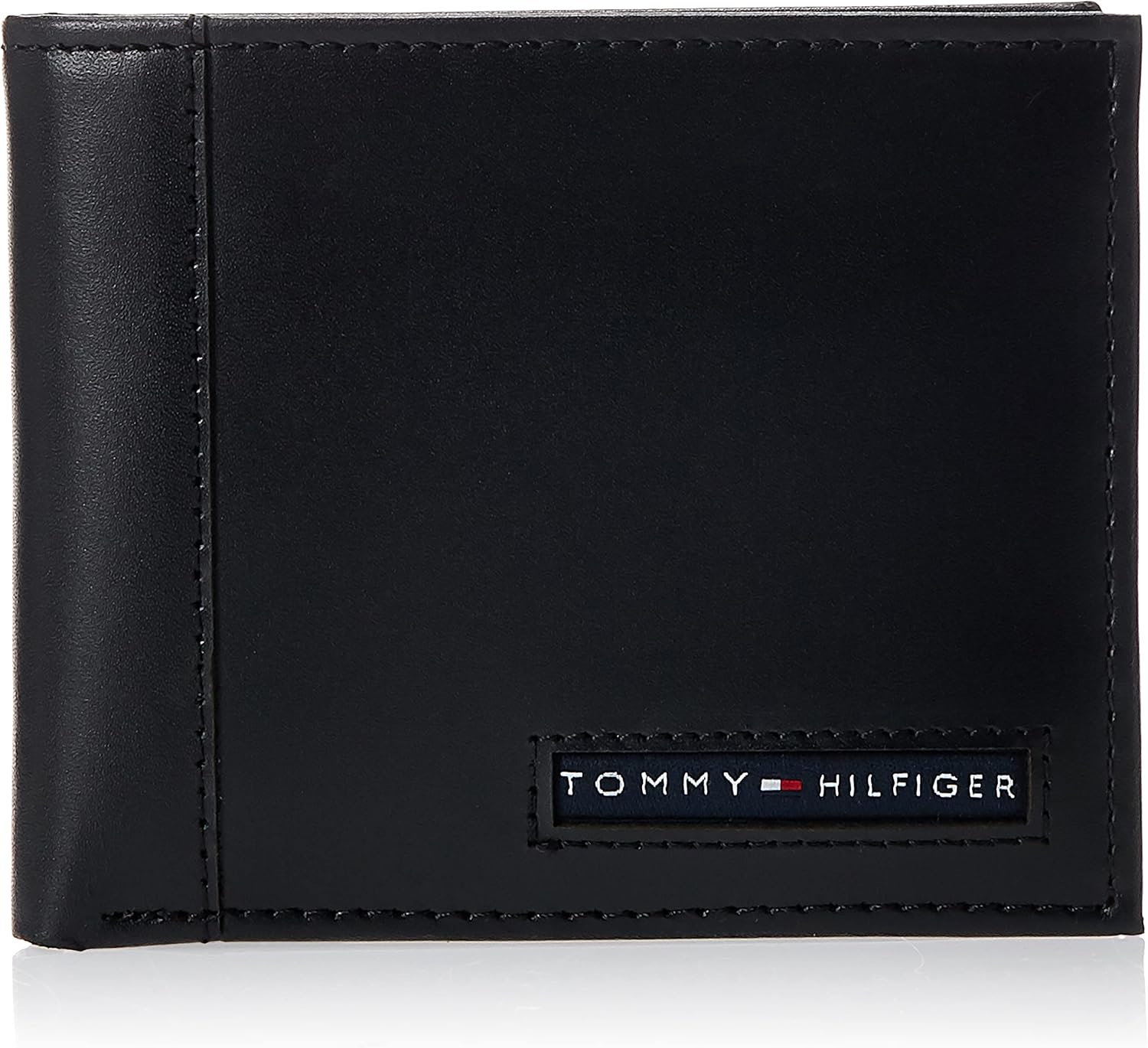
Tommy Hilfiger
Tommy Hilfiger Men's Genuine Leather Passcase Wallet with Multiple Card Slots
See current price

HiMi
Wallet for Men-Genuine Leather RFID Blocking Bifold Stylish Wallet With 2 ID Window
See current price


Tommy Hilfiger
Tommy Hilfiger Men's Genuine Leather Passcase Wallet with Multiple Card Slots
See current price


Travelambo
Travelambo Front Pocket Minimalist Leather Slim Wallet RFID Blocking Medium Size
See current price

Lavemi
Lavemi Men's Real Leather Ratchet Dress Casual Belt, Cut to Exact Fit, Elegant Gift Box
See current price


BULLIANT
BULLIANT Men's Belt, Slide Ratchet Belt For Men Dress Pant Shirt Oxfords,trim To Fit
See current price


MERRYS
MERRY'S Unisex Polarized Aluminum Sunglasses Vintage Sun Glasses For Men/Women S8286
See current price


Dickies Men's Accessories
Dickies Men's 1 1/2 inch Solid Straight Clip Adjustable X Back Suspender
See current price


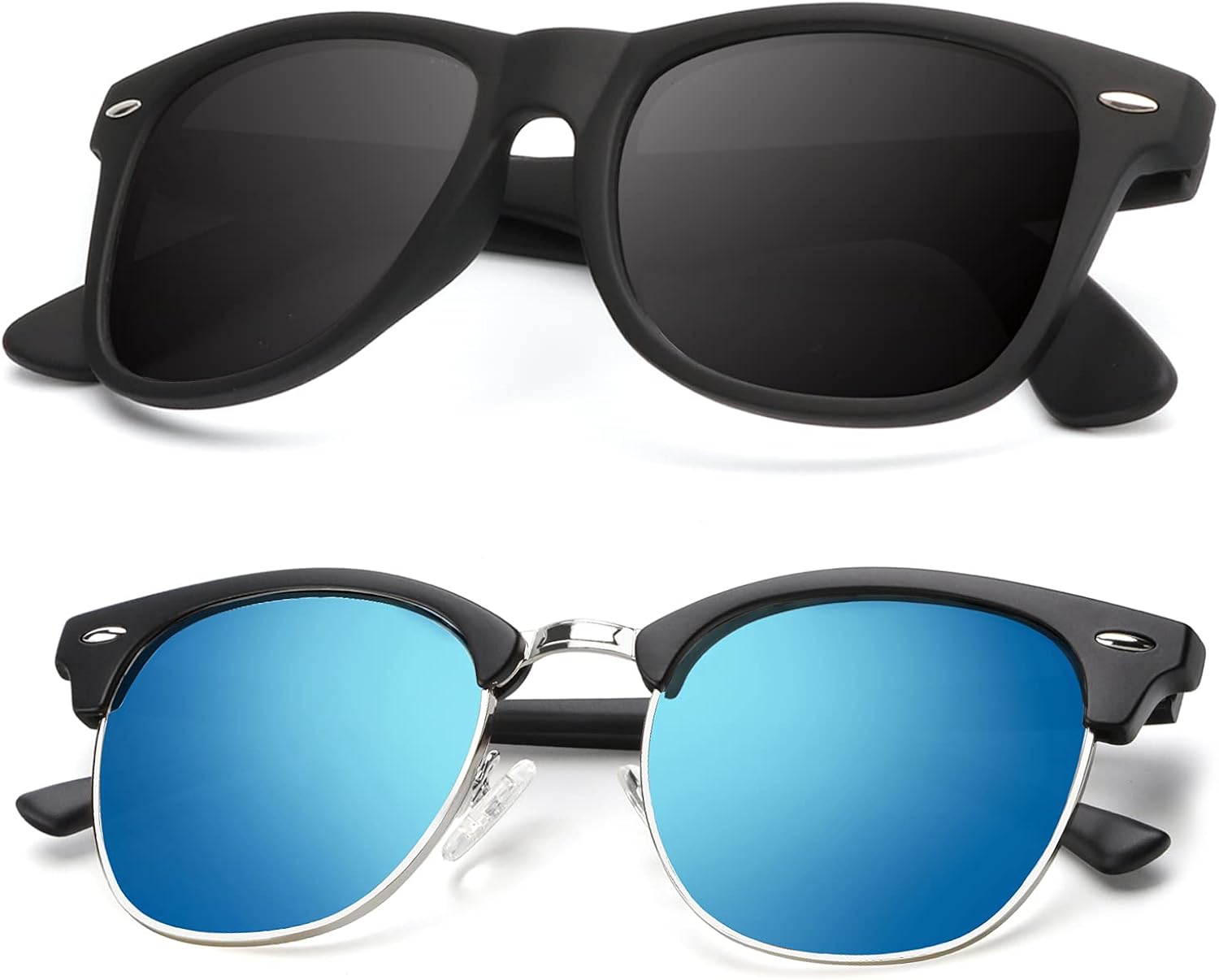
KALIYADI
KALIYADI Polarized Sunglasses for Men and Women Semi-Rimless Frame Driving Sun glasses UV Blocking
See current price


Popular brands in Accessories
Men’s accessories can be practical, personal, or both. The right belt can improve the fit of an outfit, sunglasses can support comfortable outdoor wear, and a wallet or bag can make daily essentials easier to carry. Because accessories vary widely in construction and intended use, comparing the details is more useful than choosing by appearance alone.
This category brings together accessories for work, travel, commuting, outdoor activities, and everyday styling. Use the available product information to compare materials, dimensions, closure systems, fit options, compatibility, and care requirements before selecting an item.
How to choose men’s accessories
Start with the situation in which the accessory will be used most often. An item for office wear may call for a different finish and level of formality than one for outdoor activities or physical work. Consider whether the accessory needs to coordinate with existing clothing or perform a specific job.
Key questions to ask include:
- What is its primary purpose? Decide whether you need storage, sun protection, warmth, organization, decoration, or support for an outfit.
- How often will it be used? Daily-use items should be comfortable, durable, and easy to maintain.
- What must it fit? Check waist measurements, head sizing, wrist or hand dimensions, phone compatibility, and available adjustment points where relevant.
- What will it need to withstand? Consider weather, moisture, friction, bending, repeated opening and closing, or exposure to dirt.
- Will it work with your wardrobe? Color, finish, pattern, and hardware can affect whether an accessory suits casual, business, formal, or athletic clothing.
Accessories are often small purchases, but poor sizing or an unsuitable closure can make an otherwise attractive item inconvenient. Product specifications help narrow the selection before checking the current details on the retailer’s product page.
Common types of men’s accessories
This category covers a broad range of items rather than one single product type. Common options include belts, wallets, hats, caps, beanies, gloves, scarves, ties, bow ties, suspenders, sunglasses, socks, and small bags. Some accessories are mainly functional, while others are chosen to add color, texture, or a finishing detail to an outfit.
- Headwear: Compare brim shape, crown construction, closure type, adjustability, fabric, and ventilation. A structured cap may create a different look from a soft, packable hat.
- Belts and suspenders: Pay attention to sizing method, strap width, buckle or clip design, material, and adjustability. The right width and finish should suit both the clothing and the belt loops or fastening points.
- Wallets and small organizers: Compare the layout, number of compartments, closure, dimensions, and material. A slim design may suit light everyday carry, while a larger organizer may provide more separation for cards and documents.
- Sunglasses: Look at lens type, frame material, fit, hinge construction, and any stated protection or optical features. Frame width and bridge fit are important for comfort during extended wear.
- Gloves and cold-weather accessories: Compare insulation, lining, cuff design, dexterity, and weather resistance. If a glove must work with a phone or other touchscreen, look for that feature in the specifications.
- Bags and carry accessories: Review capacity, compartment layout, strap length, closure, handle design, and the dimensions of items intended to fit inside.
For apparel that forms the main outfit, browse Men’s Clothing. Accessories designed to coordinate with footwear can be compared alongside Men’s Shoes, while rings, chains, bracelets, and similar pieces belong with Men’s Jewelry.
Features and specifications to compare
Materials and construction
Material affects appearance, flexibility, weight, maintenance, and durability. Leather, textile, synthetic, metal, rubber, and blended constructions can each suit different uses. Check whether the product description identifies the main material, lining, hardware, coating, or reinforcement. Stitching, edge finishing, seams, and fastening points may also matter for items handled frequently.
Fit and dimensions
Sizing is especially important for belts, hats, gloves, sunglasses, and wearable accessories. Look for a measurement chart rather than relying only on general labels such as small, medium, or large. For bags and organizers, compare external dimensions with the size of the items you plan to carry. Adjustable straps, elastic sections, hook-and-loop panels, and stretch materials can provide a more flexible fit, but they do not replace checking the stated measurements.
Closures and adjustability
Zippers, snaps, buckles, magnetic closures, hook-and-loop fasteners, drawstrings, and clips each offer different levels of access and security. A quick-release closure may be convenient, while a zippered or snapped compartment can help keep contents contained. For belts and hats, compare the adjustment range and whether the fastening system allows precise changes.
Comfort and usability
Consider weight, padding, breathability, lining, texture, and pressure points. Sunglasses should sit securely without creating uncomfortable pressure. Gloves need enough flexibility for the intended activity, and hats should remain comfortable during extended wear. For bags, evaluate strap width, handle padding, and how the load is distributed.
Care and storage
Care instructions can affect the practical lifespan of an accessory. Check whether an item can be hand-washed, wiped clean, machine-washed, spot-treated, or requires special handling. Store leather and structured pieces so they retain their shape, keep metal hardware dry when appropriate, and protect lenses from scratches by using a suitable case or pouch.
Brands represented in the catalog
The catalog includes accessories from Oakley, SATINIOR, Autolock, adidas, Oakley Sunglasses, Under Armour Accessories, Hurley, Alpine Swiss, Columbia, Ray-Ban, Flexfit, and Carhartt. These names cover a range of accessory styles and intended uses, from athletic and outdoor-oriented pieces to everyday, workwear, and classic wardrobe staples.
Brand familiarity can help narrow a search, but specifications should remain the deciding factor. Compare the actual material, dimensions, closure, fit guidance, and care information for each product because construction and intended use can differ across a brand’s accessory range.
Coordinating accessories with your wardrobe
A simple way to build a versatile accessory selection is to start with neutral colors and finishes that work across multiple outfits. Black, brown, gray, navy, and understated metal tones can be easier to coordinate, while brighter colors and patterns can add emphasis to a simple outfit. Matching every accessory exactly is not required; balancing the overall level of formality is usually more important.
For work or uniform requirements, check whether the accessory meets any stated dress, safety, visibility, or identification needs. The Men’s Uniforms, Work & Safety category may be useful when accessories must support a specific workplace purpose. For timepieces and wristwear, explore Men’s Watches, and for larger carry items, compare Handbags & Shoulder Bags.
Frequently asked questions
What accessories are most useful for everyday wear?
Belts, wallets, sunglasses, hats, gloves, and small bags are common everyday choices. The best option depends on what you carry, the local climate, your dress requirements, and the features you value most.
How do I choose the right accessory size?
Use the product’s measurement guide whenever available. Measure the relevant body area or compare the listed dimensions with an item you already own, and check whether the accessory is adjustable.
Which materials are suitable for accessories used often?
Look for materials and construction suited to the item’s purpose, along with reinforced seams, dependable hardware, and care instructions that fit your routine. Frequent use makes comfort and maintenance as important as appearance.
How should sunglasses be compared?
Compare frame dimensions, fit, lens characteristics, frame material, hinge design, and any stated protection features. The frame should sit securely without excessive pressure or slipping.
What should I check before buying a bag or organizer?
Review its dimensions, usable compartments, closure, strap or handle design, and compatibility with the items you plan to carry. Consider how the load will feel during regular use.
Can accessories be used for work or outdoor activities?
Yes, but select them according to the environment. Check for weather resistance, visibility, durability, warmth, secure closures, or other features relevant to the task rather than choosing on style alone.