

Men's Clothing
Compare men's clothing by fit, fabric, construction, and intended use. K-Catalog helps you review product specifications and features before visiting Amazon.
84,678 products in catalog
84,678 results
Filters
Availability
Brand
Price


Hanes Branded Printwear
Hanes Men's EcoSmart Fleece Sweatshirt, Cotton-Blend Pullover, Crewneck Sweatshirt for Men (1 or 2 pack)
See current price

Hanes Men's Underwear
Hanes Boxer Briefs, Cool Dri Moisture-Wicking Underwear, Cotton No-Ride-up for Men, Multi-Packs Available
See current price

Hanes Men's Athletic Child Code
Hanes Men's Hoodie, EcoSmart Fleece Zip-Front Hooded Sweatshirt, Cotton-Blend Fleece Hooded Sweatshirt, Mid-Weight Zip-Up
See current price


Wrangler Authentics
Wrangler Authentics Men's Classic 5-Pocket Relaxed Fit Flex Jean
See current price


Champion
Champion mens Hoodie, Powerblend, Fleece, Comfortable Sweatshirt for Men (Reg. Or Big & Tall)
See current price

Kanu Surf Men's Swimwear
Kanu Surf Men's Barracuda Swim Trunks (Regular & Extended Sizes)
See current price


Hanes Men's Athletic Child Code
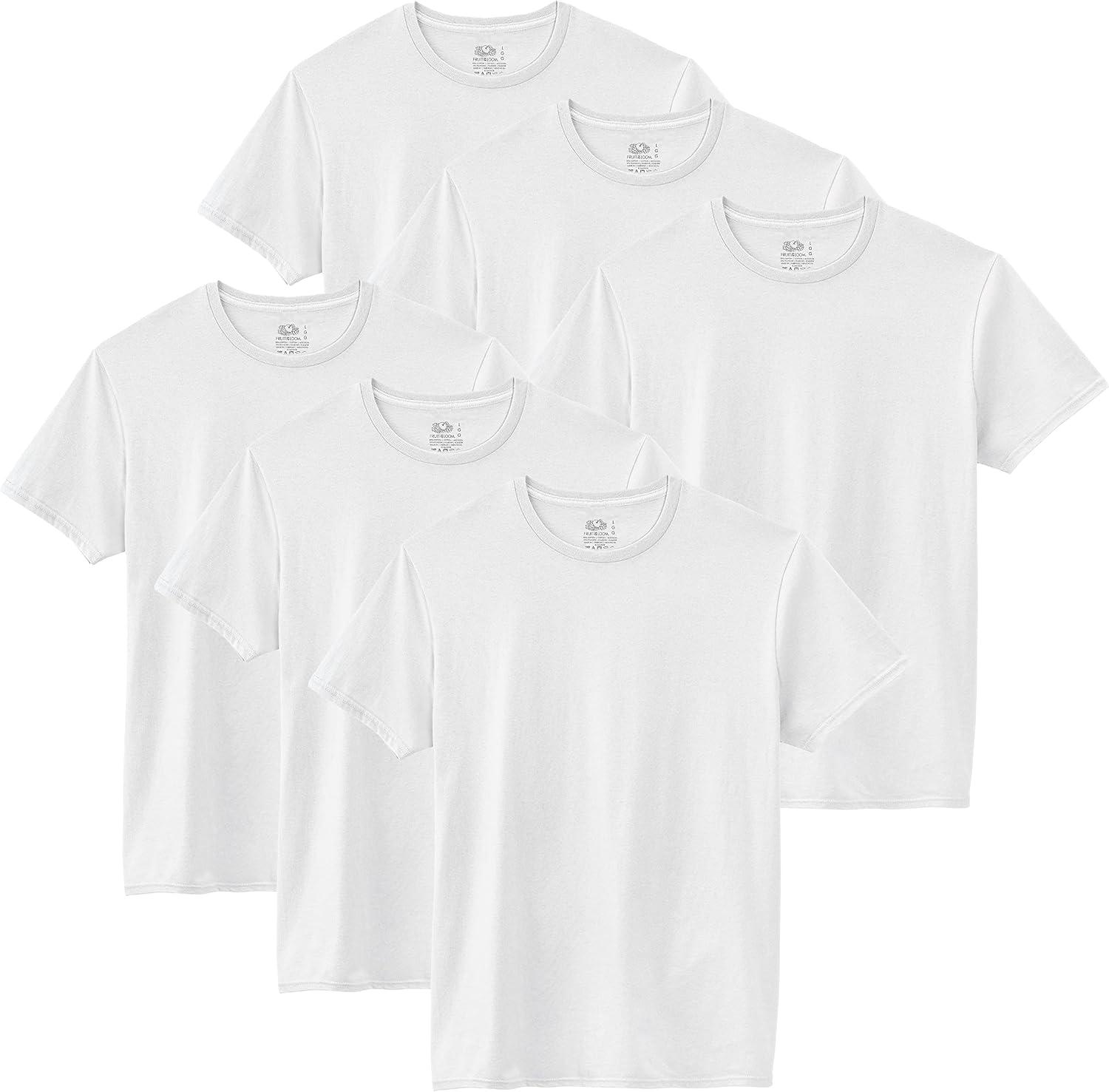
Hanes Essentials Men's T-Shirt Pack, Men's Short Sleeve Tees, Crewneck Cotton T-Shirts for Men, Value Pack
See current price


Champion
Champion Men's Powerblend Hoodie for Men, Hoodie Sweatshirt, Iconic C Logo (Reg. or Big & Tall)
See current price
Popular brands in Clothing
Men’s clothing covers everyday basics, work-ready pieces, activewear, formal styles, and layers for changing conditions. The right choice depends on where you will wear it, how it should fit, how often it will be washed, and which fabrics feel comfortable for the season.
Use this catalog to compare the details that are easy to overlook in product listings, including materials, closures, pockets, stretch, care instructions, and available sizing. Product pages can then help you check the latest information on Amazon before buying.
How to choose men's clothing
Start with the garment’s purpose rather than its appearance alone. A shirt for office wear may need a polished collar and wrinkle-resistant fabric, while an everyday T-shirt may be chosen for softness, breathability, and easy care. Clothing for travel, outdoor activity, or physical work has different priorities from clothing for social occasions.
Consider these questions before comparing products:
- Where will you wear it? Workplaces, casual settings, formal events, travel, exercise, and outdoor activities may call for different fabrics and construction.
- What fit do you prefer? Slim, standard, relaxed, athletic, and oversized cuts can all fit differently, even when the labeled size is the same.
- What weather is it for? Lightweight fabrics suit warm conditions, while heavier materials and layering pieces provide more coverage in cool weather.
- How much care is practical? Machine-washable garments may be more convenient for frequent use, while some fabrics require gentler washing or special drying.
- How will it be worn? Check whether the garment works on its own or is designed to layer over a shirt, under a jacket, or with other clothing.
For a broader view of the men’s assortment, see the Men category, then compare garments based on the features most relevant to your routine.
Main clothing types to compare
Men’s clothing is easier to evaluate when grouped by role in a wardrobe. Product titles can use similar terms for different cuts or materials, so read the specification details instead of relying only on the name.
Shirts and tops
Shirts may include casual button-downs, dress shirts, polos, T-shirts, henleys, and performance tops. Compare collar shape, sleeve length, hem design, closure type, and whether the fabric has stretch. A straight hem may suit untucked wear, while a longer or curved hem may be intended for tucking or layering.
For frequent wear, pay attention to fabric weight, breathability, color options, and care instructions. Button-down shirts may also differ in pocket design, cuff construction, collar structure, and whether they are intended for formal or casual outfits.
Pants and shorts
Bottoms can range from denim and chinos to dress trousers, cargo pants, joggers, swim shorts, and everyday shorts. Compare the rise, leg shape, waistband construction, fastening, and pocket arrangement. Stretch fibers can make sitting and movement more comfortable, but the amount and type of stretch may affect how the garment holds its shape.
The inseam and overall cut are especially important for pants. When available, use the product’s size chart and compare its measurements with a garment that already fits well. A relaxed leg, tapered leg, or straight leg creates a different silhouette and may work better with different shoes.
Jackets, coats, and outer layers
Outerwear can provide warmth, weather protection, structure, or simply an extra layer. Compare insulation, lining, shell fabric, hood design, closure, cuffs, and pocket placement. A lightweight jacket may be convenient for layering, while a heavier coat may be more suitable when warmth and coverage are the main priorities.
If a jacket will be worn over sweaters or work clothing, check the intended fit and available room through the shoulders and chest. For active use, features such as articulated sleeves, adjustable hems, ventilation, and water-resistant materials may matter more than a highly structured appearance.
Underwear, sleepwear, and loungewear
These garments are usually selected for comfort, softness, breathability, and ease of movement. Compare waistband construction, seam placement, support, fabric content, and care requirements. For sleepwear or loungewear, consider whether the cut allows comfortable movement and whether the material feels appropriate for the season.
Suits, formalwear, and occasion clothing
Formal clothing requires closer attention to proportion and construction. Compare jacket closure, lapel style, lining, vent design, trouser waistband, and whether the pieces are sold separately or as a coordinated set. A garment that looks suitable in a product image may still need tailoring, so check the measurements and alteration potential before choosing a size.
Key specifications and features
Fabric and comfort
Fiber content affects feel, breathability, drape, durability, and care. Cotton is commonly chosen for a familiar natural feel, while synthetic fibers may be included for stretch, moisture management, resilience, or quicker drying. Blended fabrics can combine several properties, but the exact composition matters.
Also compare fabric weight and texture. Lightweight materials may feel cooler but can offer less structure. Heavier materials may drape differently and provide more coverage. If the listing identifies a finish such as brushed, ribbed, garment-washed, or moisture-wicking, consider how that feature fits your intended use rather than treating it as universally better.
Fit and sizing
Sizing is not fully standardized across brands or garment types. Compare the size chart with your own measurements, paying particular attention to chest, waist, seat, shoulder, sleeve, and inseam measurements where relevant. Product descriptions may also identify the model’s fit as slim, classic, athletic, relaxed, or oversized.
Think about how much ease you want. A close fit may suit layering under a jacket or creating a neat formal silhouette, while a looser fit may be more comfortable for casual wear or movement. If you are between sizes, the fabric’s stretch and the garment’s intended fit can help guide the choice, but the listed measurements should remain the primary reference.
Construction and practical details
Small construction details can affect daily usability. Compare stitching, reinforced stress points, button or snap quality as described in the listing, zipper type, pocket depth, lining, and adjustable elements. For shirts, inspect the cuffs, collar, placket, and hem. For pants, check the fly, waistband, belt loops, and pocket layout.
Look for details that match how you use the garment. Secure pockets may be helpful for commuting, while a clean design may be preferable for formal wear. Adjustable cuffs, drawstrings, stretch panels, and removable layers can make a garment more adaptable, but they may also change its overall appearance or care requirements.
Care and durability
Read the care label information before buying, especially if the item will be worn frequently. Washing temperature, drying method, ironing guidance, and dry-cleaning requirements can influence the total effort needed to maintain the garment. Dark colors, textured fabrics, and stretch materials may need particular care to retain their appearance and shape.
Durability depends on fiber, fabric weight, stitching, finish, and use. No single material is ideal for every situation. Compare the expected wear, the garment’s construction, and whether replacement or maintenance will be convenient for your routine.
Brands represented in the catalog
The catalog includes clothing from Amazon Essentials, Goodthreads, Buttoned Down, Peak Velocity, Dockers, Epic Garments DWC LLC, Starter, Levi’s, 28 Palms, COOFANDY, Dockers Men’s Bottoms, and Under Armour Apparel. These names are represented across different clothing needs and product styles.
Brand familiarity can help narrow a search, but it should not replace checking the individual listing. Compare the fabric composition, garment measurements, fit description, care instructions, and construction details for the specific item. Even within one brand, shirts, pants, outerwear, and activewear may use different sizing conventions or fits.
Building outfits beyond clothing
Clothing is only part of how an outfit functions. The right footwear can affect trouser length, hem break, comfort, and overall formality, so compare options in Men’s Shoes when planning a complete look. Belts, hats, wallets, scarves, and other practical additions can be found in Men’s Accessories.
For work-specific requirements, review Uniforms, Work & Safety. Watches and jewelry may add a finishing detail for formal or everyday outfits; browse Men’s Watches and Men’s Jewelry when those features are relevant. For carrying personal items, Handbags & Shoulder Bags offers another related category to consider.
Frequently asked questions
How should men’s clothing fit?
The ideal fit depends on the garment and intended use. Check that shoulders, chest, waist, seat, sleeves, and inseam align with the product’s measurements. Allow enough room for comfortable movement and any layers you plan to wear underneath.
Should fabric content be a deciding factor?
Yes, but it should be considered alongside fit, construction, climate, and care. Fabric content can indicate likely feel, stretch, breathability, and maintenance needs, while the garment’s weave and finish also affect performance.
How can I compare clothing sizes between brands?
Use the product-specific size chart instead of assuming that the same labeled size will fit identically everywhere. Measure a well-fitting garment or your body according to the listing’s instructions, then compare those measurements with the chart.
What should I check before buying pants?
Compare waist, rise, inseam, leg shape, stretch, fastening, and pocket design. Consider whether the pants are intended to sit at the waist or lower and whether the leg opening works with the shoes you expect to wear.
What features matter most in a jacket?
Start with the intended weather and activity. Compare insulation or lining, shell material, closure, hood, cuffs, pockets, mobility, and layering room. For daily use, also consider weight and care requirements.
How can clothing last longer?
Follow the care instructions, avoid washing more aggressively than necessary, and use the recommended drying method. Store garments in a way that prevents unnecessary stretching, crowding, or moisture buildup.