

Men’s Uniforms, Work & Safety Clothing
Compare men’s uniforms, workwear and safety apparel by fit, fabric, durability and job requirements. Use the catalog to narrow options, review specifications and choose complementary clothing, footwear and accessories.
7,495 products in catalog
7,495 results
Filters
Availability
Brand
Price


Carhartt Sportswear - Mens
Carhartt Men's Loose Fit Heavyweight Long-Sleeve Pocket T-Shirt
See current price


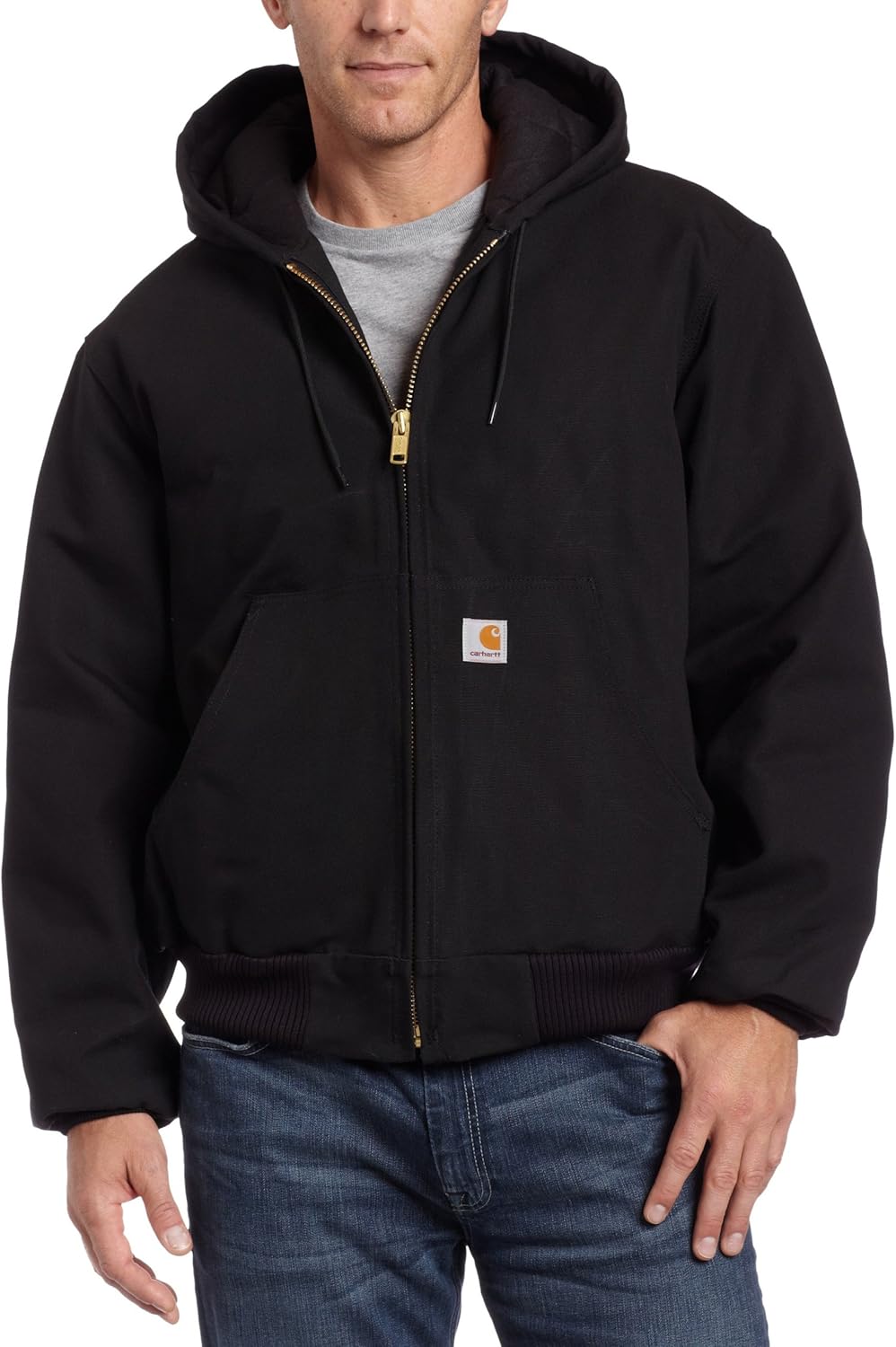
Carhartt Sportswear - Mens
Carhartt Men's Loose Fit Firm Duck Insulated Flannel-Lined Active Jacket
See current price

Cherokee
Medical Cargo Pants for Men Workwear Originals, Zipper Fly Scrubs for Men 4000
See current price


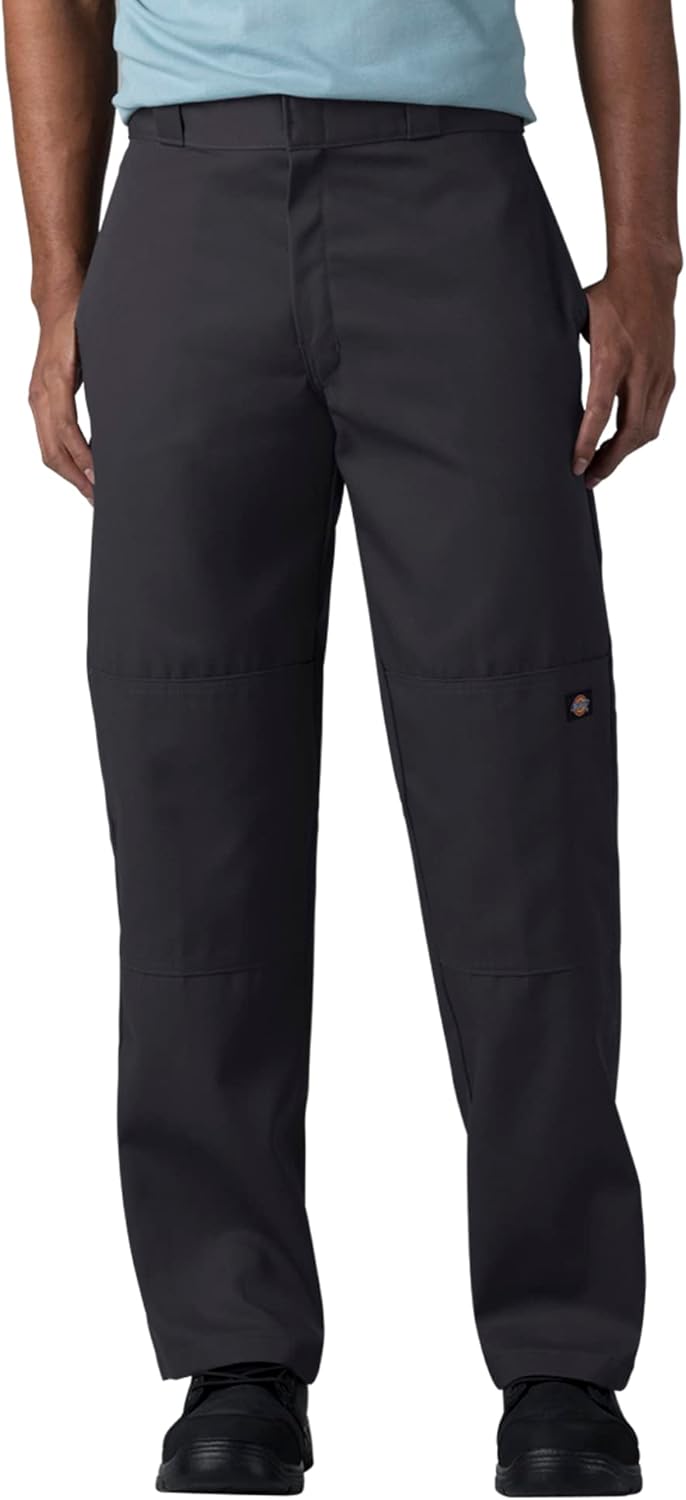


Wrangler - MEN'S
Wrangler Men's Cowboy Cut Western Long Sleeve Snap Work Shirt Washed Finish
See current price

Popular brands in Uniforms, Work & Safety
Men’s work clothing has to suit the job, the environment and the way it will be worn throughout the day. Uniforms may prioritize a consistent appearance and easy care, while workwear often emphasizes durability, mobility and useful storage. Safety-focused clothing adds visibility, protective construction or compatibility with other equipment.
This K-Catalog category brings together a broad selection of men’s uniforms, work and safety products for comparison. Check each listing’s specifications carefully, since fabric weight, fit, closures, pocket layouts and protective features can vary considerably between garments.
How to choose work and safety clothing
Start with the conditions the clothing must handle. Consider whether the wearer works indoors or outdoors, in warm or cold weather, around moisture, on rough surfaces or in a setting where visibility matters. A lightweight uniform shirt may be suitable for a controlled indoor workplace, while outdoor or physically demanding work may call for more substantial layers and reinforced construction.
Think about how the garment will be used during a normal shift:
- Movement: Look for a cut that allows reaching, bending, climbing or driving without excessive restriction.
- Durability: Pay attention to fabric composition, stitching, reinforced areas and the intended work environment.
- Comfort: Breathability, softness, stretch and moisture management can affect how practical a garment feels over long hours.
- Maintenance: Review washing instructions, drying guidance, wrinkle resistance and any limitations on cleaning.
- Appearance: For uniforms, color consistency, collar style, branding space and a neat fit may be important.
- Layering: Make sure shirts, jackets and outer layers work together without creating unnecessary bulk.
Sizing deserves particular attention. Compare the product’s size chart with the wearer’s measurements rather than relying only on a usual size. Check whether the cut is described as relaxed, regular or slim, and allow room for base layers where needed. For work trousers, consider rise, waistband comfort, inseam and whether the leg opening works with the intended footwear.
Main types of products to compare
Uniforms, workwear and safety clothing cover several practical uses. Identifying the primary use makes it easier to compare the specifications that matter most.
Uniform shirts and coordinated apparel
Uniform shirts and other coordinated garments are generally chosen for a consistent workplace appearance, repeatable sizing and straightforward care. Compare collar and cuff construction, button or zip closures, fabric feel, ventilation and available colors. If the garment will be worn frequently, easy-care instructions and resistance to wrinkling may be more useful than decorative details.
Work shirts, trousers and coveralls
Work garments are designed around movement, storage and repeated wear. Compare pocket placement, tool storage, gusseting, seam construction and fabric weight. Coveralls can simplify outfit selection and provide broad coverage, while separate shirts and trousers offer more flexibility for changing temperatures or replacing individual pieces.
Jackets, vests and outer layers
Outerwear should match the weather and the activity. Examine insulation, lining, closures, hood design, cuff adjustment and the way the garment fits over other layers. For wet or windy conditions, review the listed water-resistant or weather-related features rather than assuming every heavy jacket offers the same protection.
High-visibility and safety-oriented apparel
When visibility is part of the work environment, read the product description and labeling closely. Look for the stated visibility features, reflective elements, coverage and intended conditions. Protective clothing is not automatically suitable for every hazard, so compare the garment with workplace requirements and any applicable employer or regulatory guidance.
Key specifications and features
Product pages can use similar terms for different designs, so compare details rather than relying on the category name alone. Useful specifications include:
- Fabric and weight: Fiber content, weave and thickness influence comfort, durability and seasonal suitability.
- Stretch and mobility: Added stretch or articulated construction may help with frequent movement, but should be considered alongside abrasion resistance.
- Closures: Buttons, snaps, zippers and hook-and-loop fasteners affect convenience, adjustability and repairability.
- Storage: Count and placement of pockets matter for carrying tools, identification, a phone or other work essentials.
- Reinforcement: Double-layer panels, reinforced seams and durable high-wear areas may be relevant for physically demanding jobs.
- Visibility details: Reflective trim, contrasting panels and high-visibility colors should be checked against the setting where the garment will be used.
- Weather features: Review descriptions of insulation, water resistance, wind protection and breathability individually.
- Care requirements: A garment that needs specialized care may be less practical for frequent workplace use.
For safety-related purchases, distinguish between a general work garment and equipment intended for a defined protective purpose. Read the manufacturer’s listed limitations, inspect the fit and confirm that the item works with required helmets, gloves, footwear or other protective equipment.
Brands represented in the catalog
The catalog includes products from Carhartt Sportswear - Mens, Carhartt, Amazon Essentials, Dickies Men's Sportswear, Wolverine, Dickies, Skechers, Rothco, Timberland PRO, Keen Utility - US Shoes, Guide Gear and KEEN Utility. These brands are represented across workwear, uniforms, footwear and related products, but the right choice depends on the specifications of the individual item rather than the brand name alone.
Compare garments within the same intended use, then check fabric, sizing, construction, care instructions and stated safety features. Brand availability and product details can change, so use the current listing information when narrowing your options.
Build a complete work outfit
A work garment is only part of a practical setup. Browse men’s clothing for additional apparel and layering pieces, or compare men’s shoes when traction, comfort and workplace compatibility are important. Men’s accessories may help complete an everyday uniform, while the wider Men category can be useful when comparing clothing, footwear and other personal items together.
Before choosing, check that the full outfit is compatible. Trousers should work with the selected footwear, outer layers should allow comfortable arm movement, and cuffs or hems should not interfere with required equipment. For uniforms, confirm that colors and garment styles meet the workplace dress code.
Care and fit tips
Follow the care label instead of assuming a heavy garment can be washed like ordinary casual clothing. Close zippers and fasteners before washing, separate heavily soiled workwear when appropriate and inspect high-wear areas regularly. Replace clothing when damage, excessive wear or loss of a required feature could affect its intended use.
Try to assess fit using the movements required on the job. Raise the arms, bend at the waist and sit if possible. The garment should stay secure without pulling across the shoulders, waist or seat. For layered outfits, check fit with the layers that will actually be worn.
Frequently asked questions
What is the difference between a uniform and general workwear?
A uniform usually supports a consistent workplace appearance, while workwear is more often selected for durability, movement, storage or job-specific conditions. Some garments serve both purposes.
How should men’s work clothing fit?
It should allow the movements required for the job without excessive looseness that could catch on equipment. Use the listing’s measurements and size chart, and account for any layers worn underneath.
What should I check in safety clothing?
Review the stated protective or visibility features, intended use, fit, care instructions and any listed limitations. Confirm that the garment meets the requirements of the workplace and works with other protective equipment.
Are heavier fabrics always more durable?
Not necessarily. Durability also depends on fiber content, weave, stitching, reinforcement and how the garment is used. Compare the complete specification rather than fabric weight alone.
How can I choose work clothing for changing weather?
Use a layering approach: select a comfortable base, a suitable mid-layer when needed and an outer layer matched to wind, rain or cold. Check that each layer permits movement and fits comfortably with the others.