

Optics Learning Toys & Science Tools
Explore optics products for hands-on learning about light, vision, magnification, and observation. Compare specifications and features to find an option suited to the learner and activity.
123 products in catalog
123 results
Filters


India Overseas Trading Co
6" Handheld Brass Telescope with Wooden Box - Pirate Navigation
See current price

India Overseas Trading Co
6" Handheld Brass Telescope with Wooden Box - Pirate Navigation
See current price
India Overseas Trading Co
6" Handheld Brass Telescope with Wooden Box - Pirate Navigation
See current price

Carson
Carson MicroPen LED Lighted 24x-53x Magnification Microscope Pen (MP-300), Black
See current price


Educational Insights
GeoSafari Jr. My First Kids Microscope Toy, Preschool Science, STEM Toy, Gift for Toddlers Ages 3+
See current price

Educational Insights
Educational Insights Nancy B's Science Club Microscope for Kids, Microscope Kit, Gift for Boys & Girls, Ages 8-12
See current price
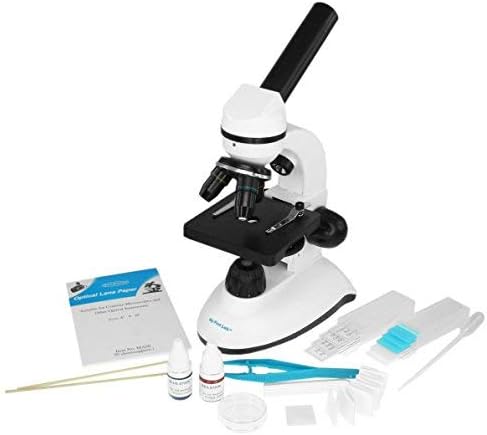


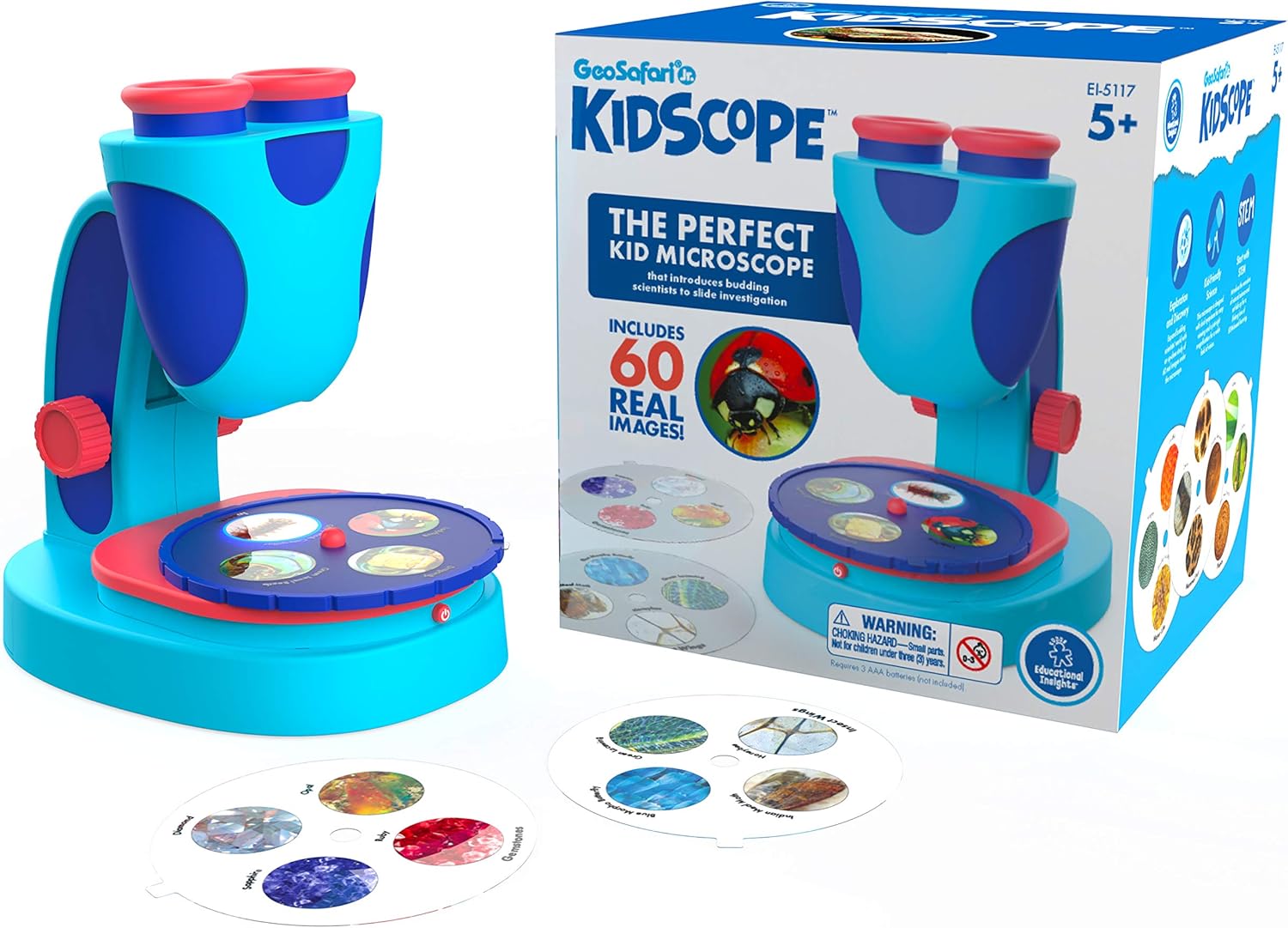
Educational Insights
Educational Insights GeoSafari Jr. Kidscope, Kids Microscope, STEM Toy, Gift For Boys & Girls, Ages 5+
See current price
Popular brands in Optics
Optics learning tools can make abstract science concepts easier to explore through direct observation. Depending on the product, children may investigate magnification, focus, light paths, color, distance, or the way lenses change an image.
This K-Catalog category brings together optics products listed for learning and educational play. Compare the specifications and features of each item before visiting Amazon to check the current listing and purchase options.
How to choose optics learning products
Start with the learner’s age, experience level, and intended activity. A simple magnifier may be suitable for examining leaves, textures, or small objects, while a more involved microscope or telescope can support longer, guided activities. Consider whether the product is intended for independent discovery, classroom use, family projects, or demonstration by an adult.
Think about where the product will be used as well. An indoor observation tool may need a stable table and a nearby light source. Products intended for outdoor viewing should be comfortable to carry and easy to adjust. Storage requirements, included accessories, and the amount of setup can make a meaningful difference to everyday use.
For additional hands-on learning ideas, browse the related Science Kits & Toys category.
Common types of optics tools
The Optics category does not use catalog subcategories, so comparing products by their main function can help narrow the choices.
- Microscopes and inspection tools: Designed for viewing small details that are difficult to see with the unaided eye. Compare the focusing method, illumination, viewing style, and the types of objects the product is designed to examine.
- Telescopes and viewing scopes: Intended for observing distant subjects. Look at the mounting arrangement, adjustment controls, portability, and whether the learner will be able to use the scope comfortably.
- Magnifying glasses and lenses: Useful for close-up observation and introductory activities. Check the lens size, handle or stand design, construction, and ease of holding.
- Prisms and light-learning accessories: These can support activities involving color, reflection, refraction, and the direction of light. Review what components are included and whether instructions are supplied.
- Binocular-style viewers: Helpful for looking at subjects outdoors or across a room. Compare the focusing controls, grip, eye comfort, and size before choosing.
Some products may combine more than one of these functions, so read the full specification list rather than relying only on the product title.
Features and specifications to compare
Magnification and image control are important when comparing microscopes, magnifiers, and close-viewing tools. Higher magnification is not automatically more useful if the image becomes difficult to focus or the field of view is limited. Check how magnification is adjusted and whether the focus controls are positioned for comfortable use.
Lighting can affect visibility. Compare whether illumination is built in, how it is powered, and whether the product can also be used with natural or room light. For outdoor optics, consider how the product performs in changing light and whether controls are easy to operate.
Construction and stability matter for young learners. Look for a secure base, a comfortable grip, smooth controls, and materials suited to the intended setting. A lightweight product may be easier to carry, while a heavier base may be preferable for tabletop observation.
Also compare:
- Included lenses, slides, specimens, filters, stands, or other accessories
- Power requirements and whether batteries or cables are included
- Assembly and setup instructions
- Cleaning and storage requirements
- The recommended age range and any supervision guidance
- Compatibility with a phone, camera, or other device, when applicable
Brands represented in the catalog
Brands represented in this catalog include Educational Insights, AmScope, National Geographic, India Overseas Trading Co, My First Lab, Laupha, CollectiblesBuy, Emarth, United Scope LLC., ToyerBee, hi!SCI, and Science Can. They cover a range of educational optics formats, from introductory observation products to more specialized science tools.
Brand familiarity can be a useful starting point, but specifications should guide the final comparison. Pay particular attention to included components, construction, power requirements, and the activity the product is designed to support.
Pairing optics with other learning activities
Optics products can work well as part of a broader science activity. A microscope or magnifier may complement a nature-observation project, while a prism can be used during a lesson about light and color. Learners interested in broader educational play can also explore Electronic Learning Toys or the wider Learning & Education category.
For younger children, pair observation with drawing, labeling, or simple written notes. Reading & Writing resources can support vocabulary and recording observations. The goal is to choose a tool that encourages careful looking and questions, not merely one with the most features.
Frequently asked questions
What can children learn from optics toys?
They can explore concepts such as magnification, focus, reflection, refraction, color, light, and observation. The exact learning opportunity depends on the type of product and the activity.
Is higher magnification always better?
No. The most useful magnification depends on the subject, image clarity, focusing controls, and the learner’s ability to use the product comfortably.
What should I check before buying a microscope?
Compare magnification settings, focusing controls, illumination, included accessories, power requirements, stability, and the recommended age range.
Are optics products suitable for independent play?
Some simple magnifiers may be easy to use independently, while microscopes, telescopes, or products with small components may benefit from adult guidance. Follow the manufacturer’s instructions and supervision recommendations.
How should optics products be stored?
Keep lenses covered or protected from dust, store small accessories together, and follow the product’s cleaning instructions. Avoid touching optical surfaces unnecessarily and use only recommended cleaning materials.