
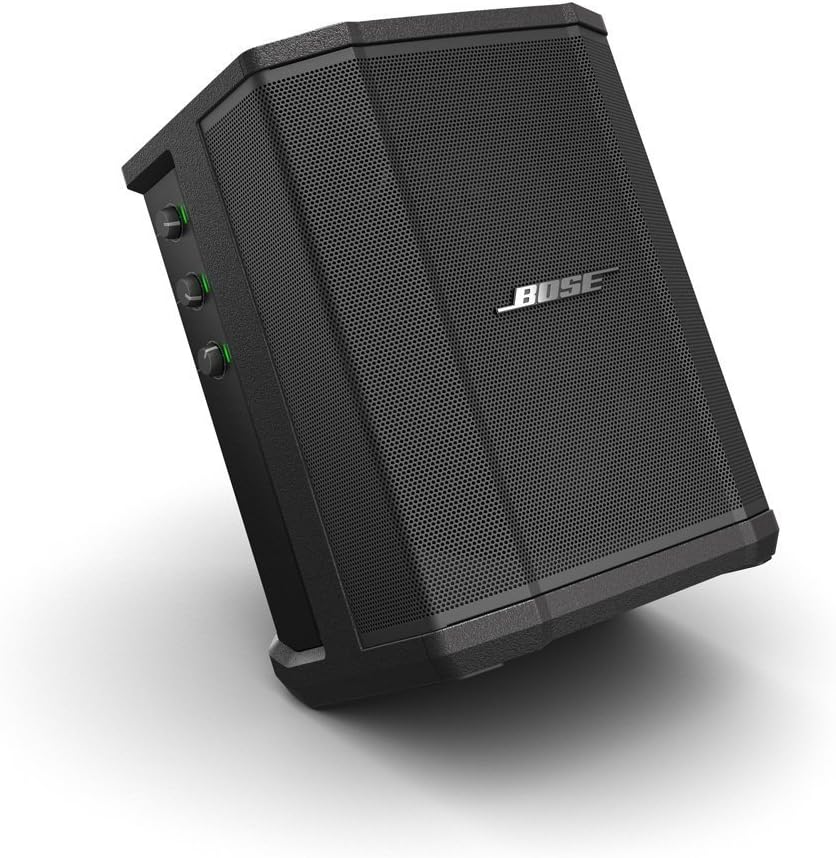
PA Systems for Live Sound and Events
Compare PA systems by speaker format, power source, inputs, controls, portability, and coverage needs. Find equipment for speeches, performances, meetings, and events.
153 products in catalog
153 results
Filters


Alto Professional
Alto Professional Bluetooth Total | Professional XLR Equipped Rechargeable Bluetooth Receiver For Mixers and PA Systems
See current price


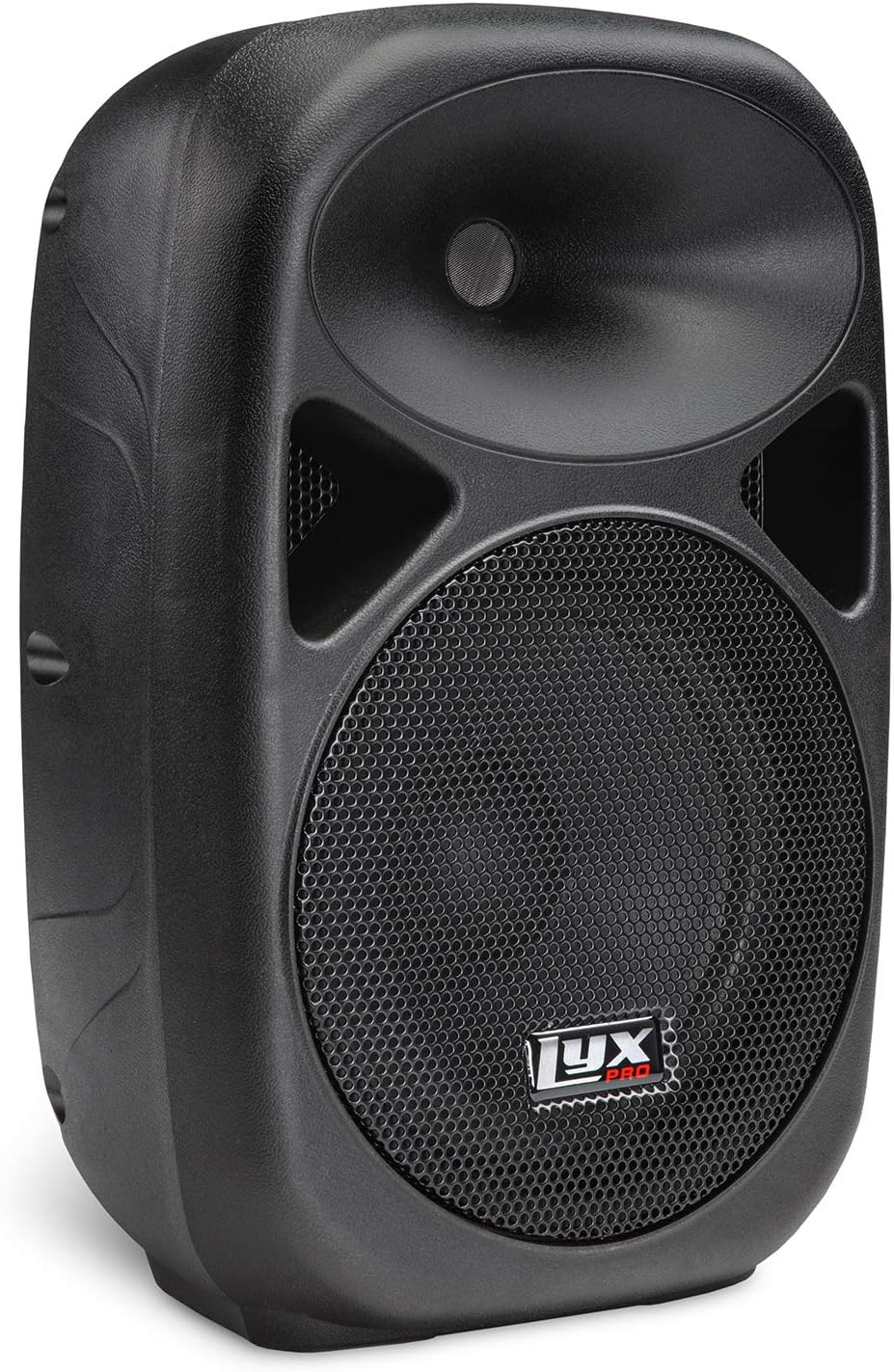
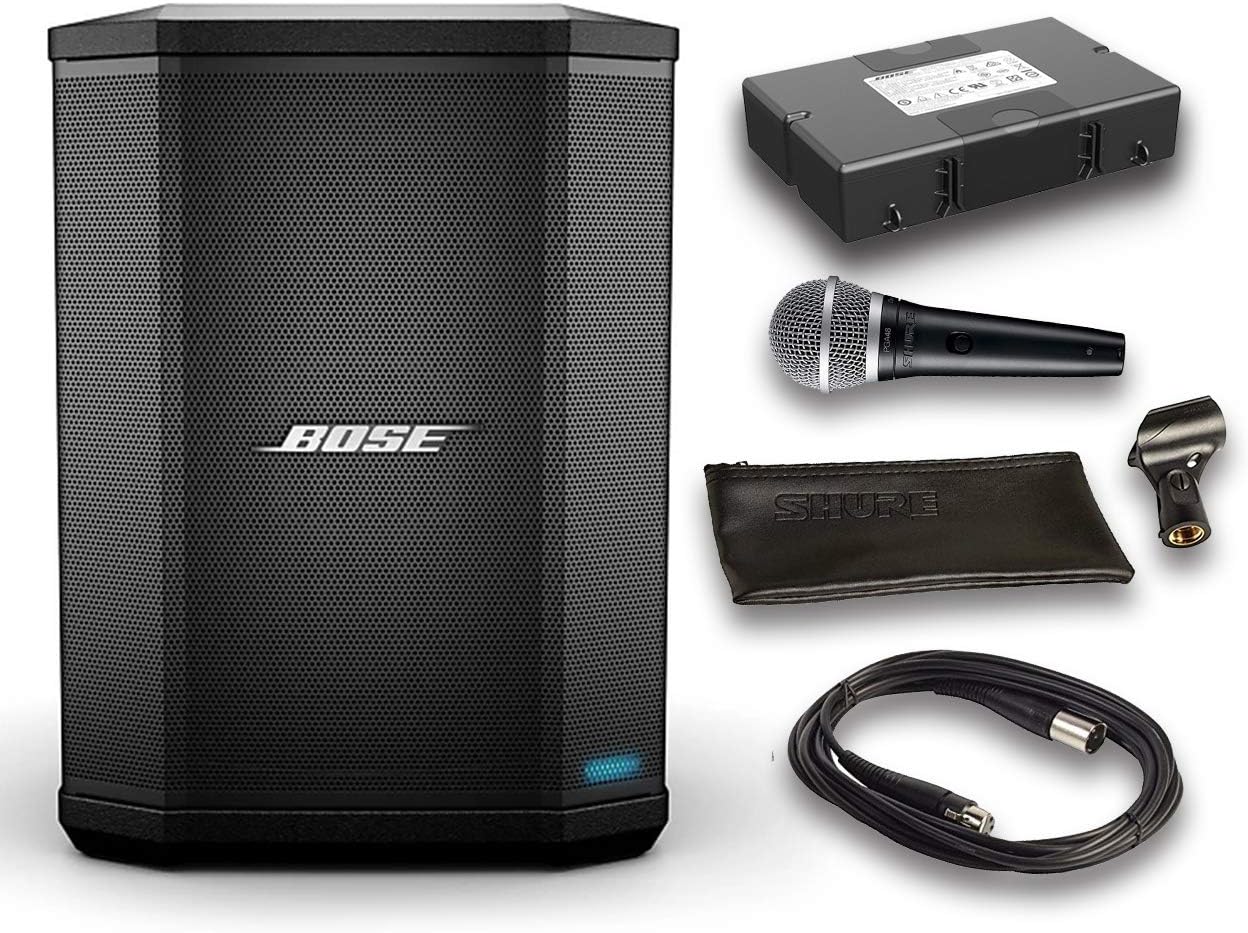


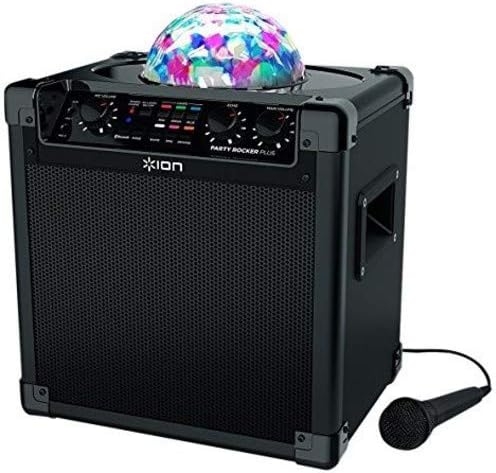


Rockville
Rockville Package PA System Mixer/Amp+10" Speakers+Stands+Mics+Bluetooth, (RPG2X10)
See current price



Popular brands in PA Systems
PA systems help project speech, music, and other audio across spaces ranging from meeting rooms to performance venues. The right setup depends on how many people need to hear it, what sources you will connect, and how easily the equipment must move between locations.
Use this catalog to compare specifications and features across PA equipment, then check compatibility and included components before choosing a system for your setup.
How to choose a PA system
Start with the intended use. A system for announcements or presentations may prioritize clear vocal reproduction, simple controls, and fast setup. Live music typically calls for more input flexibility, tone adjustment, and enough headroom to keep the sound clean as volume increases.
Consider the venue as well. Room size, audience position, indoor or outdoor use, and background noise all affect the coverage you need. A compact system may suit small gatherings, while larger spaces can require multiple speakers, a subwoofer, or a more flexible mixer arrangement.
Portability is another important factor. Look for manageable speaker designs, integrated handles, wheels, stands, or a battery-powered configuration when the system will be transported regularly. For a fixed installation, connection options and expansion potential may matter more than compact storage.
Common PA system types
PA equipment can be configured in several ways, even when products are listed under the same broad category:
- Portable PA systems: Designed for convenient transport and quick setup at presentations, parties, classes, and small events.
- All-in-one systems: Combine speakers, amplification, mixing controls, and sometimes microphones or media playback in one coordinated package.
- Powered speaker setups: Use speakers with built-in amplification and pair them with a mixer or source devices as needed.
- Column-style systems: Use a slim speaker arrangement intended to save space while distributing sound across the listening area.
- Component PA setups: Separate speakers, mixers, amplifiers, and signal sources for shoppers who need more control or future expansion.
For adjacent equipment, compare Monitors, Speakers & Subwoofers and Powered Mixers when building a system from individual components.
Specifications and features to compare
The most useful specifications depend on your source equipment and venue. Pay attention to:
- Power and amplification: Compare the system’s power design and whether amplification is built into the speakers, mixer, or separate equipment. Power alone does not determine sound quality, so consider it alongside coverage and intended use.
- Inputs and outputs: Check for the connections you need for microphones, instruments, phones, playback devices, monitors, or additional speakers. Connection types should match your existing cables and accessories.
- Mixer controls: Look for the number of channels, independent volume controls, equalization, effects, and other processing features that support your sound sources.
- Speaker design: Consider driver configuration, cabinet size, frequency response, and whether the system includes dedicated low-frequency support.
- Wireless and media features: Some systems may support wireless microphones, Bluetooth-style playback, USB media, or other convenience features. Confirm which functions are actually included rather than assuming they are standard.
- Power source: AC-powered systems suit locations with reliable outlets. Battery-capable systems can be useful for mobile events, but check charging, operating, and replacement-battery details.
- Included accessories: Review whether the package includes microphones, stands, speaker cables, remote controls, covers, or carrying components. These details affect how quickly the system can be put to use.
For signal connections and replacement leads, see Stage & Studio Cables. If the setup needs separate amplification, Power Amplifiers may also be relevant.
Setup and compatibility tips
Match every component before buying. Confirm that the mixer outputs, speaker inputs, microphone connectors, and cable types work together. If adding speakers later, check impedance, output requirements, and the manufacturer’s stated compatibility guidance rather than connecting equipment solely because the plugs fit.
Place speakers where they can cover the audience without being blocked by furniture or performers. Avoid pointing microphones directly toward speakers, since this can contribute to feedback. Keep cables secured and positioned away from walkways, and use suitable stands or mounting hardware when the system design requires them.
For outdoor events, verify that the equipment is appropriate for the environment and protect it from moisture. Related event equipment, including Lighting Equipment & Accessories and Special Effects, should have separate power and placement plans so the audio system remains accessible and safely connected.
Brands represented in the catalog
The PA Systems catalog includes equipment from Pyle, Behringer, AKUSTIK, EARISE, Rockville, PRORECK, Bose, Alto Professional, LyxPro, JBL Professional, Alphasonik, and QFX. Comparing brands can help narrow the search, but the specifications of the individual system should guide the final choice. Focus on the required inputs, speaker format, power arrangement, included accessories, and portability rather than relying on brand name alone.
Frequently asked questions
What is a PA system used for?
A PA system amplifies speech, music, or other audio so it can be heard by an audience. Common uses include presentations, live performances, announcements, classes, parties, and community events.
Is a portable PA system enough for live music?
It can be suitable for smaller performances when its inputs, controls, speaker coverage, and power design match the performers’ needs. Larger or more complex shows may benefit from separate speakers, mixers, monitors, or subwoofers.
Do all PA systems include microphones?
No. Some packages may include microphones, while others are sold as speaker or amplification systems only. Check the included-items list and microphone input compatibility before purchasing.
Are powered speakers easier to set up?
Powered speakers include built-in amplification, which can reduce the number of separate components and simplify connections. You still need to confirm mixer, cable, power, and source-device compatibility.
What accessories may a PA system need?
Depending on the setup, useful additions can include speaker stands, microphone stands, compatible cables, carrying cases, covers, extension power solutions, monitors, or a subwoofer. Review the system’s included accessories before adding equipment.