

Pole Saws for Pruning and Yard Maintenance
Compare pole saws by power source, reach, cutting setup, and handling features. Use the specifications to narrow your options for pruning branches and maintaining trees.
29 products in catalog
29 results
Filters

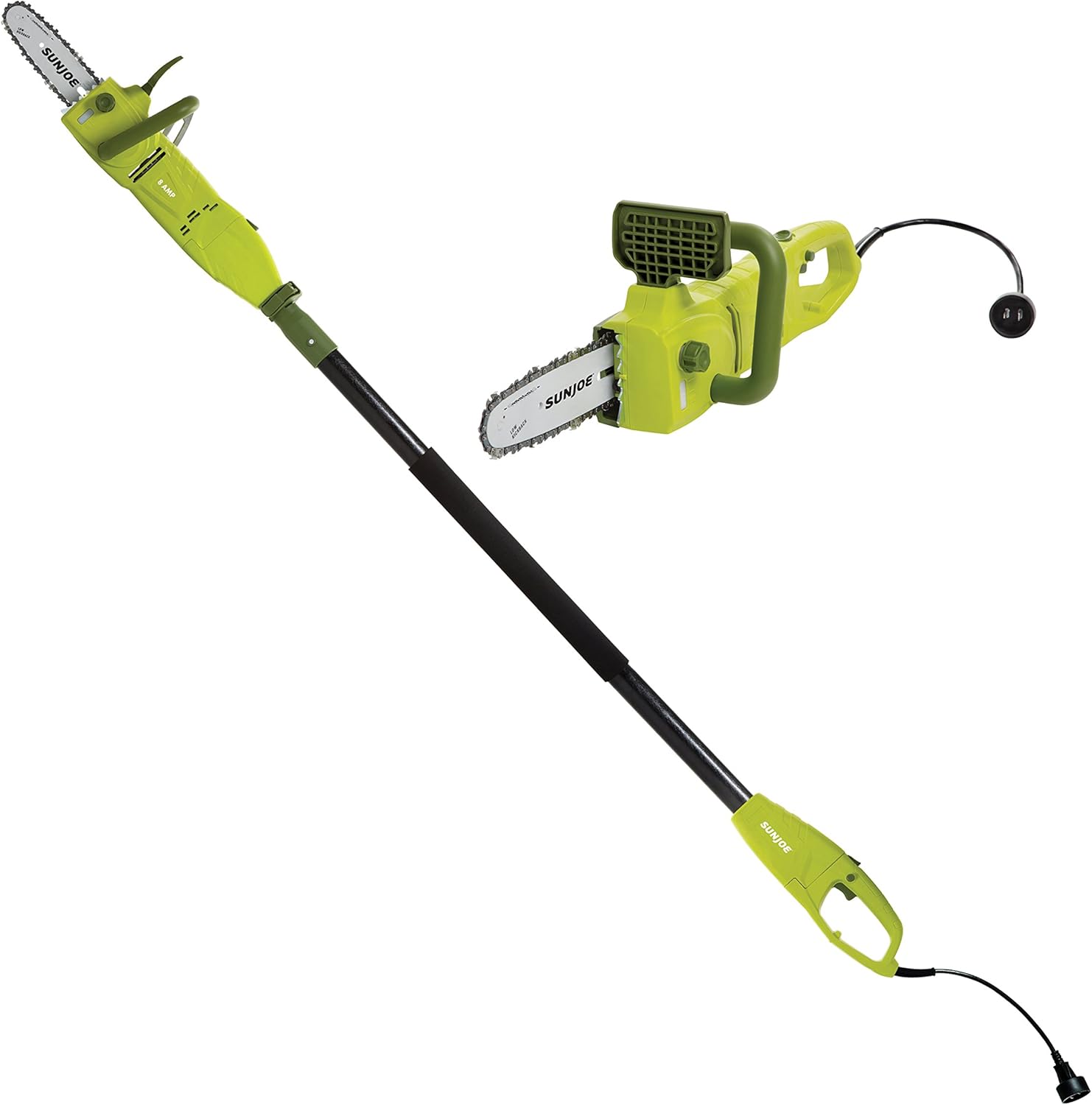
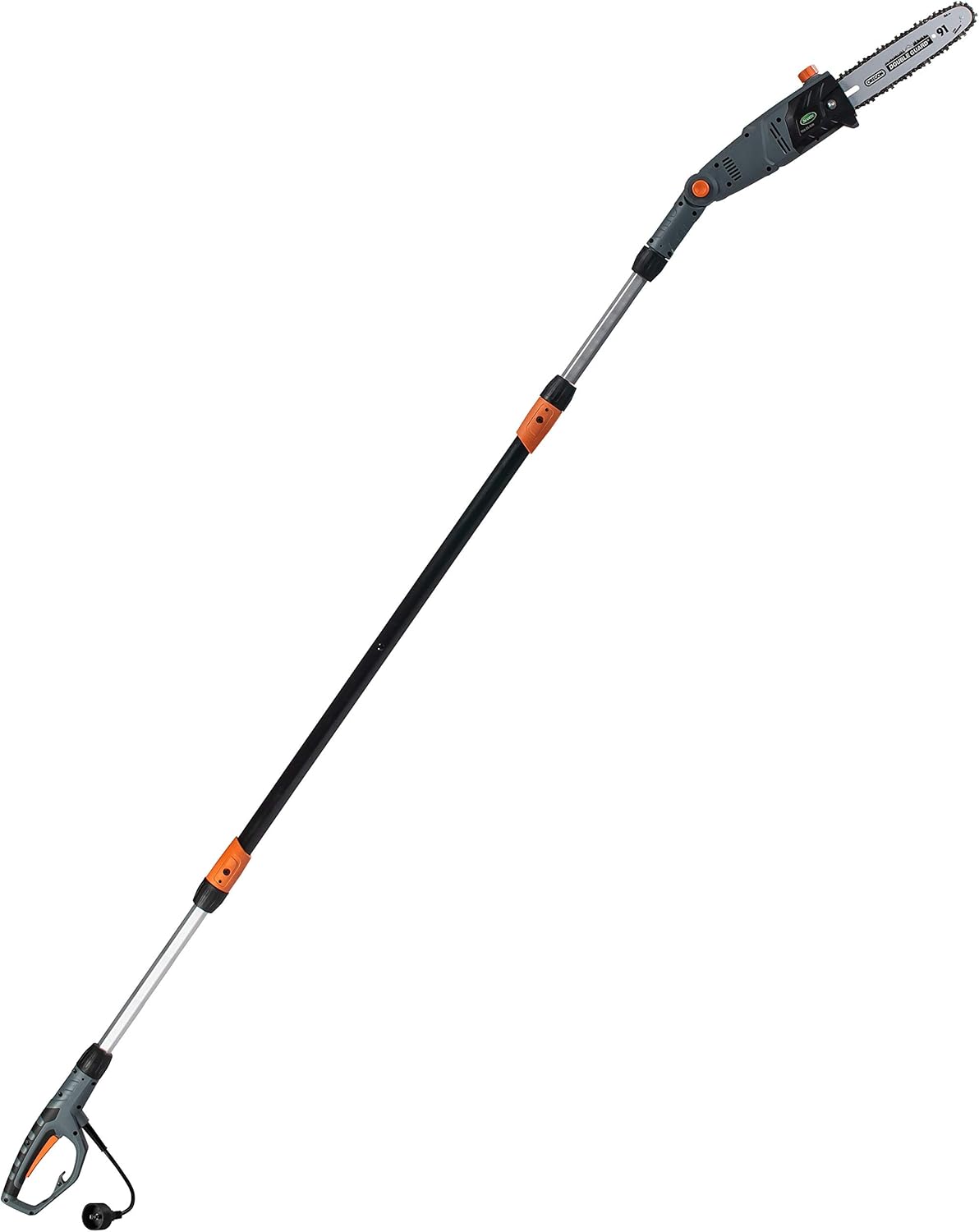
Scotts Outdoor Power Tools
Scotts Outdoor Power Tools PS45010S 10-Inch 8-Amp Corded Electric Pole Saw, Adjustable Head & Oregon Bar and Chain
See current price

Sun Joe
Sun Joe SWJ803E-CMO 10 inch 8.0 Amp Electric Multi-Angle Pole Chain Saw, Camo
See current price




Greenworks
Greenworks 40V 20 Inch Cordless Pole Saw (Without Battery or Charger), Pole Hedge, Green
See current price

SUNSEEKER
Sunseeker 10-Inch Pole Saw with 30-Inch Shaft Universal Attachment, Articulating Pole
See current price


RyobiOne+
Ryobi ONE+ 8 in. 18-Volt Lithium-Ion Cordless Pole Saw - 1.3 Ah Battery and Charger Included
See current price

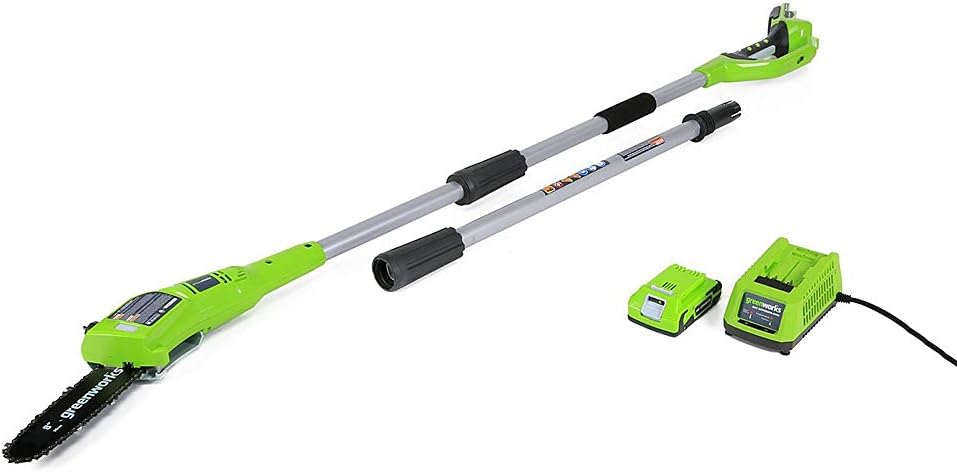


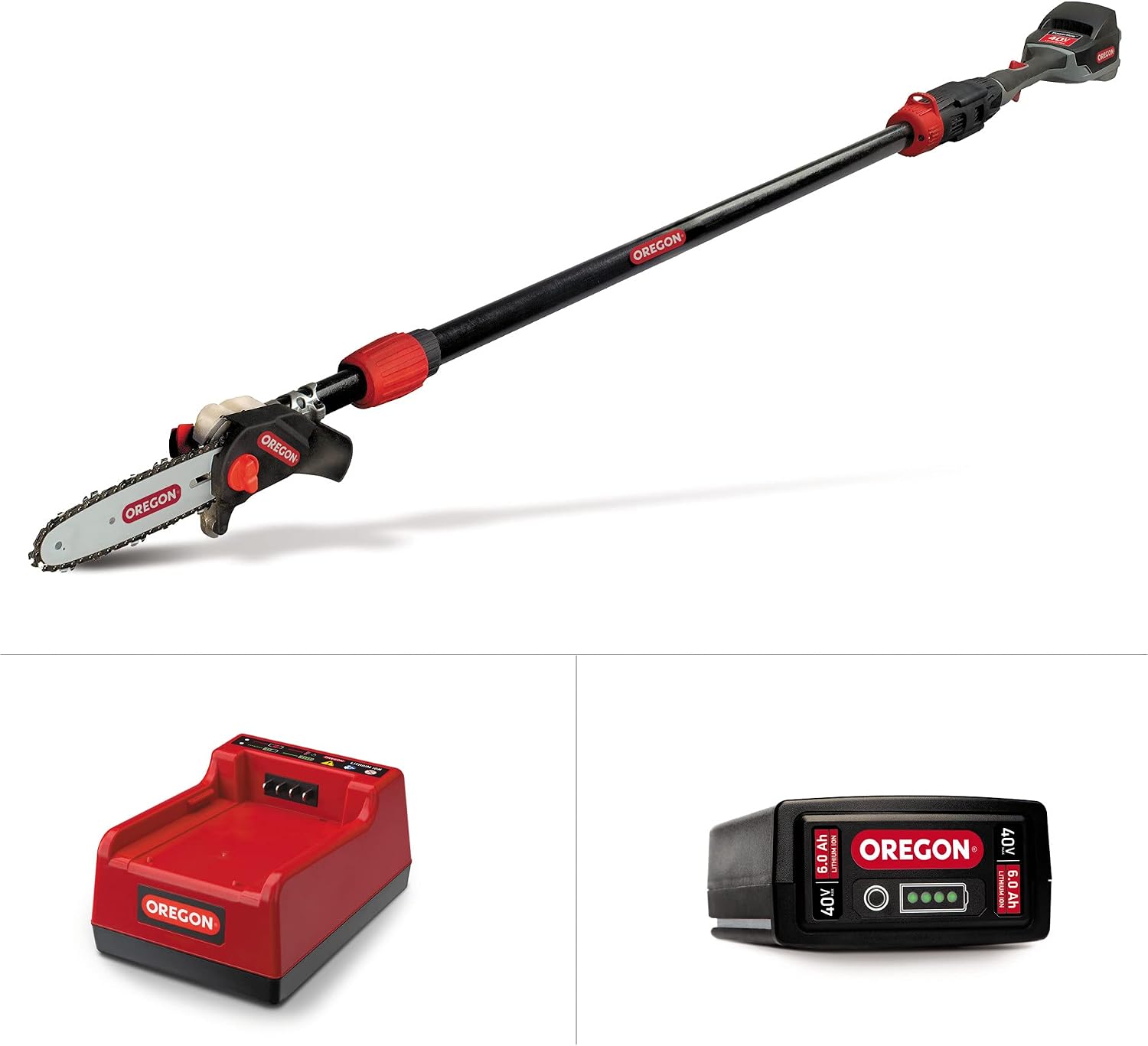
Oregon
Oregon Cordless PS250 8-Inch 40V Telescoping Pole Saw with 6.0Ah Battery and Rapid Charger
See current price


Popular brands in Pole Saws
Pole saws are designed to help trim elevated branches from the ground, reducing the need for a ladder in many routine yard-maintenance tasks. The right model depends on the branches you need to cut, how often you plan to use the tool, and how much weight and reach you can comfortably control.
This K-Catalog selection sits within Outdoor Power Tools. Compare each listing’s specifications and features, then check the current product details on Amazon before making a purchase.
How to choose a pole saw
Start by considering the type of pruning work you expect to do. Light seasonal trimming may call for a compact, easy-to-handle tool, while frequent maintenance or thicker branches may require a more capable cutting system. A longer pole can improve access, but it may also increase the tool’s overall weight and make precise positioning more difficult.
Important questions include:
- What branches need trimming? Check the stated cutting capacity and make sure it suits the size of branches you plan to maintain.
- How high is the work area? Compare the pole’s adjustment range and overall reach, while considering whether you can hold and guide the saw comfortably.
- How often will it be used? Occasional users may prioritize simple setup and storage, while regular users may value battery convenience, runtime, or easier maintenance.
- Where will it be used? A corded design may suit accessible areas near an outlet; battery-powered and gas-powered options can offer more flexibility, depending on the product specifications.
Pole saw types and cutting setups
The main distinction between pole saws is their power source. Battery-powered models are often chosen for convenient startup and reduced dependence on an outdoor power cord. Compare the included battery information, charger details, compatible battery system, and stated runtime if provided. A battery may be sold separately, so check what is included with each listing.
Corded electric pole saws can be useful when an appropriate outlet is available. Compare cord requirements, extension-cord guidance, and the working area before choosing one. Gas-powered models may be considered for demanding outdoor work, but buyers should review fuel requirements, starting procedures, noise considerations, and maintenance needs.
The cutting head also matters. Look for the bar length, chain specifications, automatic or manual oiling system, and any adjustable-head feature. An adjustable head can help position the chain for different pruning angles, but it may affect balance and handling. Product pages should be checked for the exact configuration because included accessories and specifications vary.
Key features and specifications to compare
Reach is only one part of usability. Compare the pole construction, adjustment method, and whether the tool can be shortened for transport or storage. Telescoping sections, locking mechanisms, shoulder straps, and padded grips may affect comfort during extended use.
Also review:
- Cutting capacity and chain speed, when listed
- Tool weight and whether the listed weight includes the battery
- Battery voltage, battery compatibility, and charger inclusion
- Oil reservoir design and chain-tension adjustment
- Detachable components or included pruning accessories
- Warranty information and replacement-part availability
A lighter tool can be easier to guide, while a heavier design may feel more substantial but require more effort overhead. Specifications should be compared as a complete package rather than focusing on reach alone.
Brands represented in the catalog
The Pole Saws catalog includes products from Sun Joe, Greenworks, Worx, RYOBI, Remington, K I M O., Trimmer Plus, IMOUMLIVE, LiTHELi, MAXLANDER, Oregon, and RyobiOne+. These brands are represented across the available listings; compare the individual product specifications rather than assuming that all models from one brand share the same design or compatibility.
If you are building a broader outdoor tool setup, related categories include Chainsaws, String Trimmers, and Leaf Blowers, Vacuums & Accessories. For replacement chains, bars, batteries, or other compatible items, browse Replacement Parts & Accessories.
Safe use and maintenance tips
Before cutting, inspect the work area for people, pets, structures, and overhead utility lines. Follow the manufacturer’s instructions for protective equipment, starting the tool, chain adjustment, lubrication, and shutdown. Do not use the saw from a ladder unless the product documentation specifically permits the setup and it can be done safely.
Keep both hands positioned as directed, maintain stable footing, and avoid forcing the chain through a branch. Branches can shift as they are cut, so consider the likely fall path before starting. After use, clean debris from the tool, check chain tension, inspect the bar and chain, and store the pole saw in a dry, secure location.
Frequently asked questions
What is a pole saw used for?
A pole saw is used to prune elevated branches from the ground. It is generally intended for controlled trimming rather than removing large trees or performing complex tree work.
Should I choose a battery-powered or corded pole saw?
Choose based on where you will work and how you prefer to manage power. Battery models offer cordless convenience, while corded models require access to a suitable outlet and careful cord management.
Does a longer pole always make a pole saw better?
Not necessarily. More reach can help access higher branches, but additional length may make the tool heavier or harder to control. Compare reach with balance, weight, and adjustability.
What should I check before buying a replacement chain?
Confirm the pole saw’s bar length, chain pitch, gauge, drive-link details, and manufacturer compatibility. The product manual is the safest source for exact replacement specifications.
Can a pole saw replace a chainsaw?
A pole saw is designed for elevated pruning and has different handling characteristics. A Chainsaw may be more appropriate for ground-level cutting or work that exceeds the pole saw’s stated capacity.
What other outdoor tool might help with yard maintenance?
The right companion tool depends on the task. A pressure washer can address outdoor surface cleaning, while a string trimmer or leaf blower can help with lawn and debris maintenance. See Pressure Washers for a separate category.