

Protractors for Measuring and Setting Angles
Compare protractors by scale design, angle range, readability, and construction to find the right tool for drafting, woodworking, machining, schoolwork, or general layout.
101 products in catalog
101 results
Filters


General Tools
General Tools Digital Angle Finder Ruler #823 - 10" H - Stainless Steel Measurement Tool
See current price

General Tools
General Tools Contour Gauge 833 - 10" Angle Finder Tool for Home Improvement - Gadgets for Men
See current price


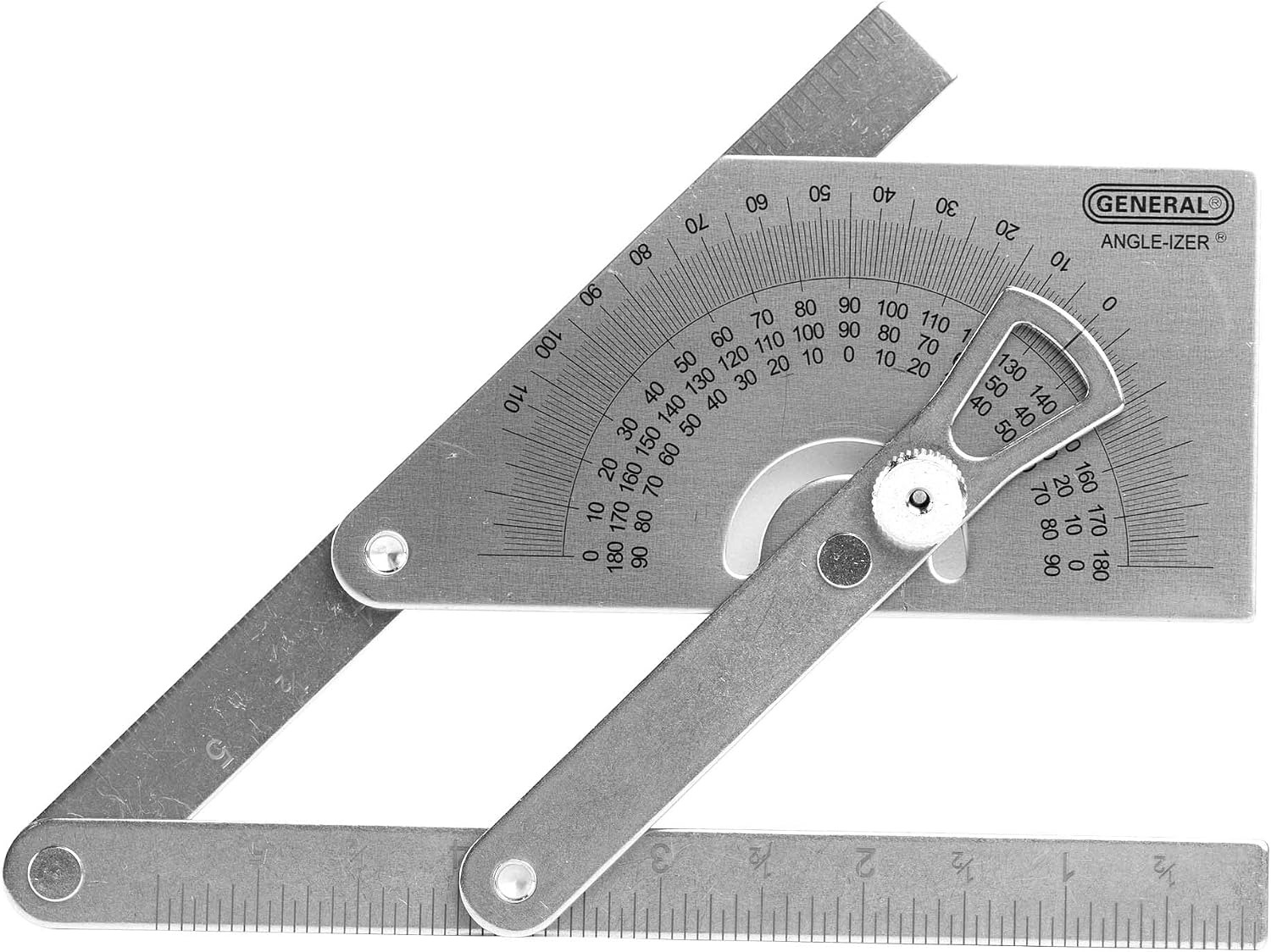
General Tools
General Tools Protractor and Angle Finder #39, Stainless Steel, Outside, Inside, Sloped Angles, 0° to 180°
See current price

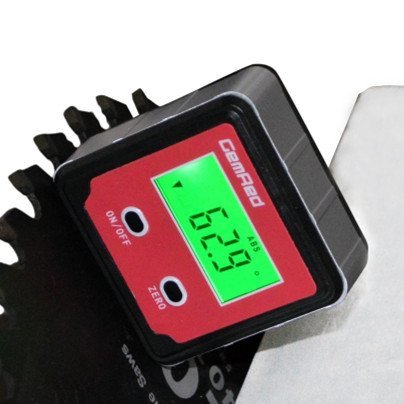
Guilin GemRed Sensor Technology Co., Ltd
GemRed 82412 Mini Digital Level Angle Gauge Angle Finder Protractor Inclinometer Aluminum Framework with Magnet
See current price


General Tools
General Tools T-Bevel Gauge & Protractor #828 - Digital Angle Finder with Full LCD Display & 8" Stainless Steel Blade
See current price
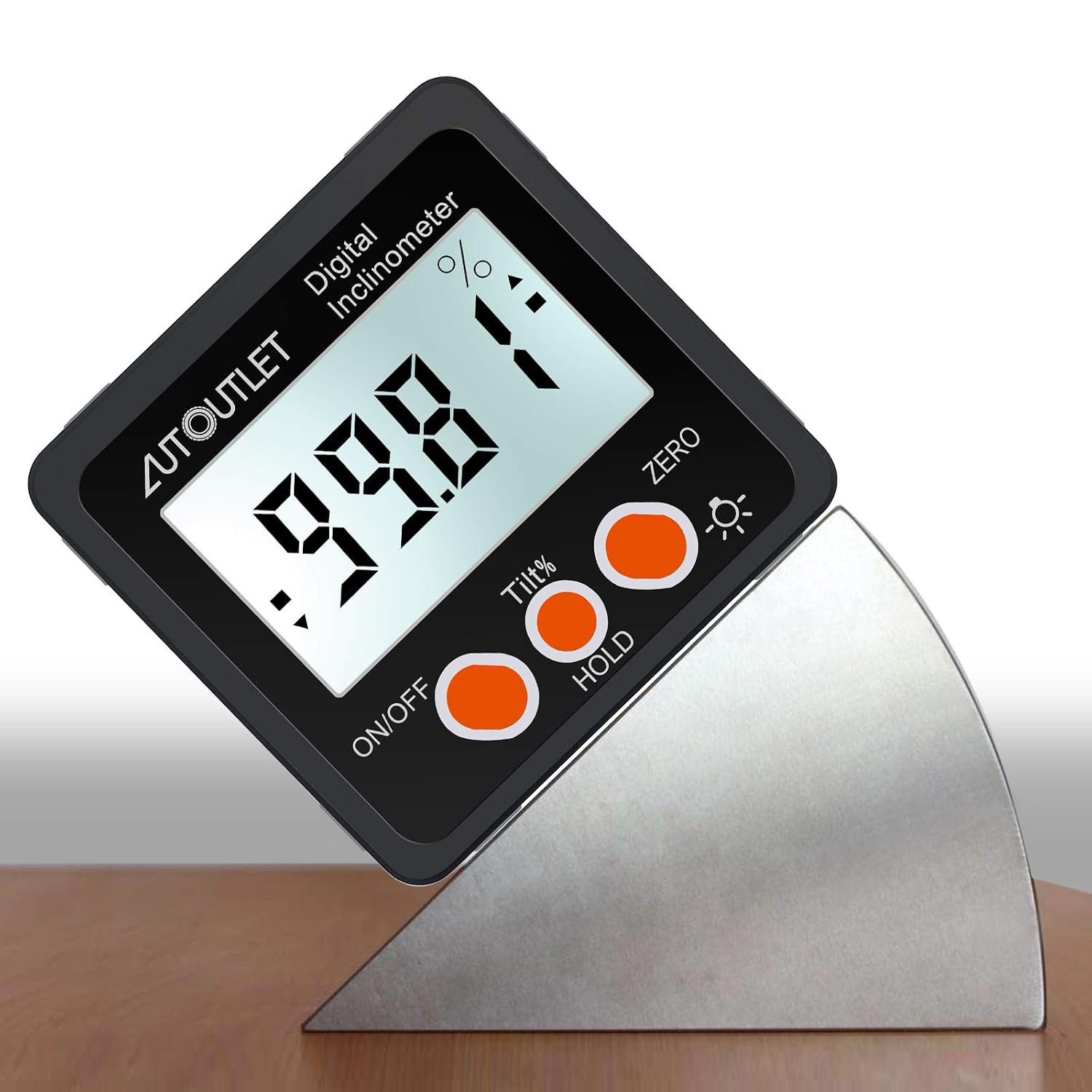


Guilin GemRed Sensor Technology Co., Ltd
GemRed Digital Angle Gauge (Aluminum-with Vial & Hold)
See current price
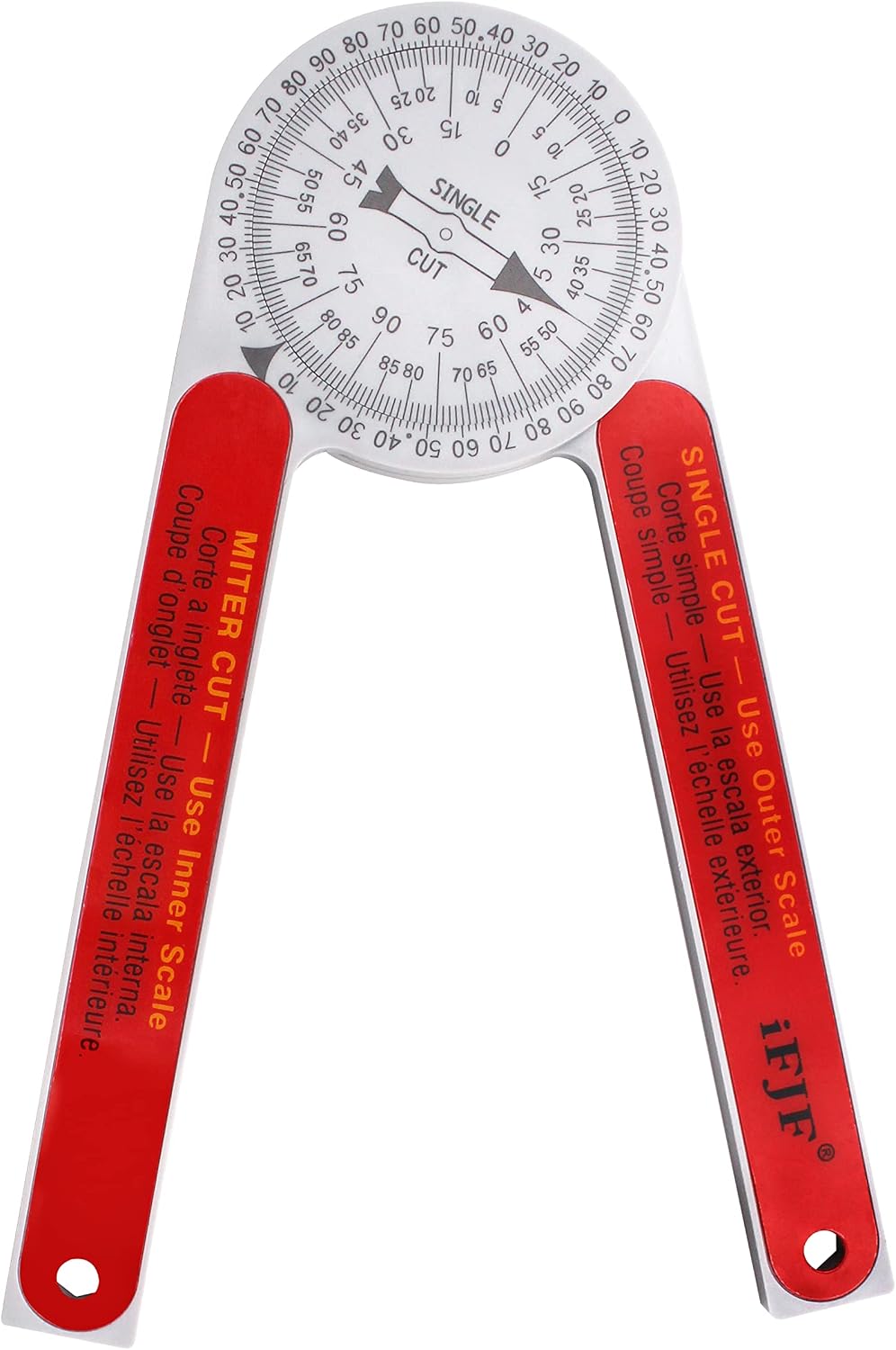




SHENZHEN REDDRAGON INSTRUMENTS CO.,LTD
Digital Angle Finder Magnetic PT180 Table Saw Angle Finder Tool - Digital Inclinometer -4 of 90 Degree Finder Angle Cube Digital Protractor Bevel Gauge for Woodworking Micro Jig
See current price

Popular brands in Protractors
Protractors help measure, copy, mark, and set angles. The right choice depends on whether you need a simple reference tool for paper, a durable layout aid for a workshop, or a digital instrument for faster readings and repeatable adjustments.
This K-Catalog category brings together protractors from brands including OLI, General Tools, iGaging, RISEPRO, Neoteck, Starrett, and others. Compare the specifications and features of each option before selecting a tool that fits your work surface, measurement method, and required precision.
How to choose a protractor
Start with the type of work you do most often. A basic transparent protractor can be convenient for school, drawing, and light layout tasks. A metal or combination model may be more suitable for workshop use, especially when the tool must align with an edge or remain stable during marking. Digital models can make readings easier to see, but they may require batteries and occasional calibration checks.
Consider these questions before choosing:
- Do you need to measure an angle, set an angle, or do both?
- Will you work on paper, wood, metal, or another surface?
- Is a compact tool preferable, or would a longer rule improve alignment?
- Do you need a clear scale for quick visual readings or a digital display?
- Will the protractor be carried between locations or stored in a workshop?
Common protractor types
Standard and semicircular protractors
These familiar designs use a printed or engraved scale and a center point for measuring angles. Transparent plastic is useful when the lines or reference marks beneath the tool must remain visible. Standard protractors are often a practical choice for classrooms, drafting, crafts, and occasional household projects.
Full-circle protractors
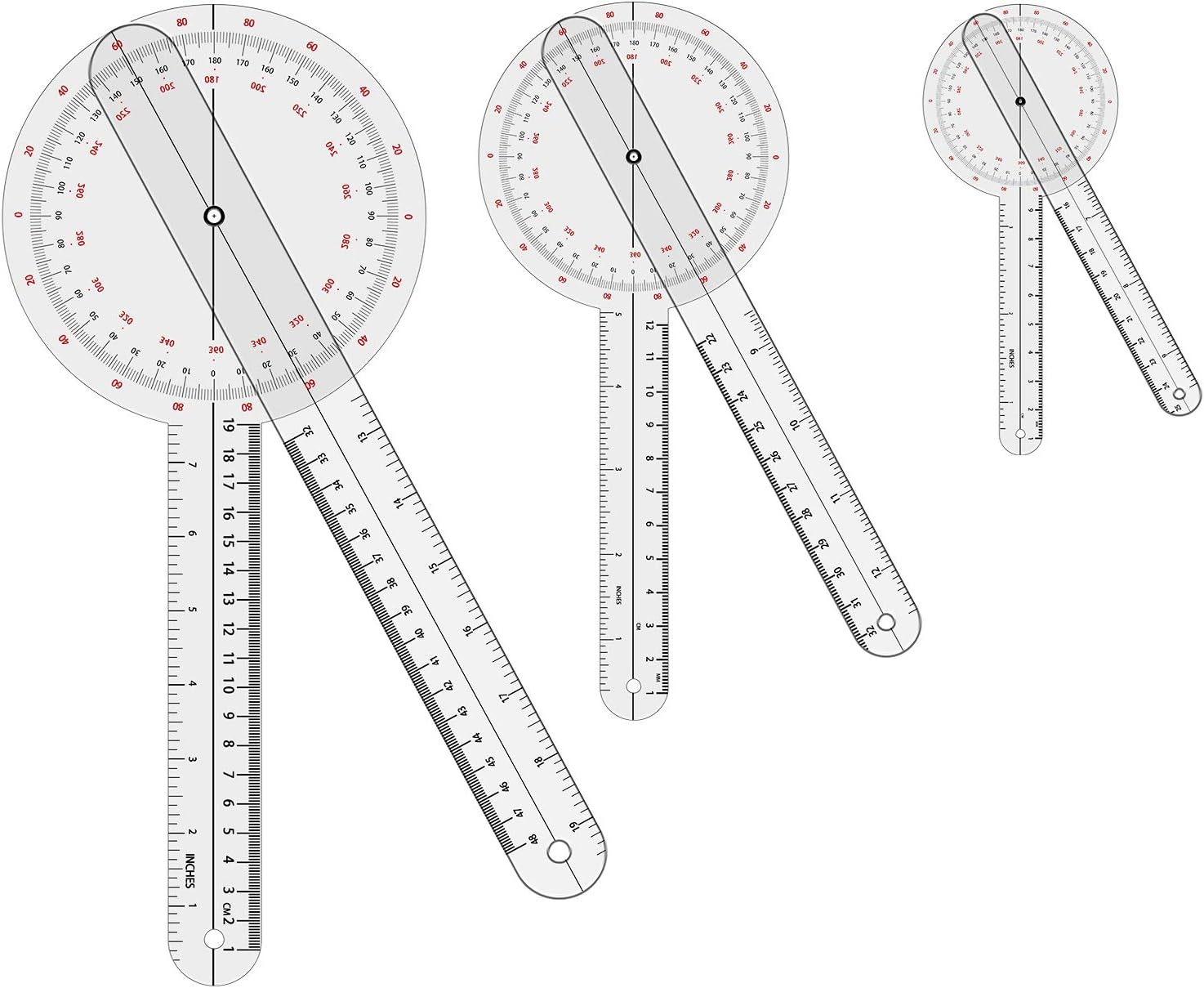
A full-circle design can make it easier to read angles across a complete rotation. This format may be useful for technical drawing, mapping, education, and projects where measurements can extend beyond a simple straight-edge layout.
Digital protractors
Digital protractors display the measured angle electronically. They can be helpful when a large, high-contrast readout is more convenient than interpreting a scale. Look for controls that are easy to use, a stable base or reference edge, and a display position that remains visible while the tool is in place.
Bevel and adjustable protractors
Bevel-style tools combine an angle scale with a movable blade or rule. They are useful for transferring an existing angle from one surface to another. Adjustable designs can be especially practical in woodworking, trim work, fabrication, and other layout tasks where the angle must be held while it is marked.
Features and specifications to compare
Scale and readability: Check whether the graduations are printed, etched, or displayed digitally. Clear markings, legible numbers, and a well-defined center point reduce the chance of reading the wrong scale.
Construction: Plastic can keep a tool lightweight and transparent, while metal may provide a more rigid reference for workshop tasks. Examine the material, edge finish, and overall build for the environment in which the protractor will be used.
Range and resolution: Confirm the measurement range suits your projects. For digital tools, compare the displayed increment and whether the instrument supports resetting or zeroing at a chosen reference angle.
Alignment and holding features: A straight edge, adjustable arm, locking mechanism, magnets, or a stable base can help keep the tool positioned while measuring or marking. These features matter more for hands-on layout than for simple paper measurements.
Size and portability: A larger scale can be easier to align across a broad surface, while a compact protractor is simpler to carry and store. Compare the tool’s dimensions with the materials and workpieces you normally handle.
Brands represented in the catalog
The catalog includes protractors from OLI, General Tools, iGaging, Guilin GemRed Sensor Technology Co., Ltd, Anytrp, eOUTIL, RISEPRO, Neoteck, Starrett, SanLiang, 2PM TOOLS, and S&F STEAD & FAST. Compare each listing by its stated materials, scale style, operating method, included components, and intended use rather than choosing by brand name alone.
Related measuring and layout tools
Protractors are often used alongside other tools. Browse Linear Measurement for tools that establish length, or compare Levels when horizontal and vertical alignment matters. For larger layout jobs, Laser Levels & Accessories may provide projected reference lines.
For woodworking and general construction layout, Carpentry Squares can help check or mark common relationships between edges. Pair angle measurement with Marking Tools when the final measurement must be transferred clearly to a workpiece.
Frequently asked questions
What is a protractor used for?
A protractor measures angles and, depending on its design, can also help set, copy, or transfer an angle during drafting, woodworking, fabrication, education, and general layout.
Are digital protractors more suitable than standard models?
Not always. Digital models may offer a quick-to-read display, while standard models are simple, lightweight, and do not depend on batteries. Choose based on the work surface, readability needs, and preferred measuring method.
What should I look for in a workshop protractor?
Prioritize rigid construction, a readable scale, a straight reference edge, and a locking or holding feature if the angle must stay in position while you mark the workpiece.
How do I choose the right protractor size?
Match the tool to the surfaces you measure. A compact model suits small drawings and portable kits, while a larger tool may align more easily across wide boards, sheets, or layout lines.
What is the difference between measuring and transferring an angle?
Measuring determines the angle value. Transferring uses a movable blade, rule, or another reference feature to reproduce that angle on a different surface.