
Swanson Tool Co., Inc
SWANSON S0101CB Speed Square Layout Tool with Blue Book and Combination Square Value Pack
See current price

Compare carpentry squares by construction, scale readability, angle markings, and intended use. Explore options for framing, woodworking, trim work, and general layout tasks.
155 products in catalog
155 results
Swanson Tool Co., Inc
See current price

wolfcraft
See current price

Irwin Tools
See current price

Swanson Tool Co., Inc
See current price


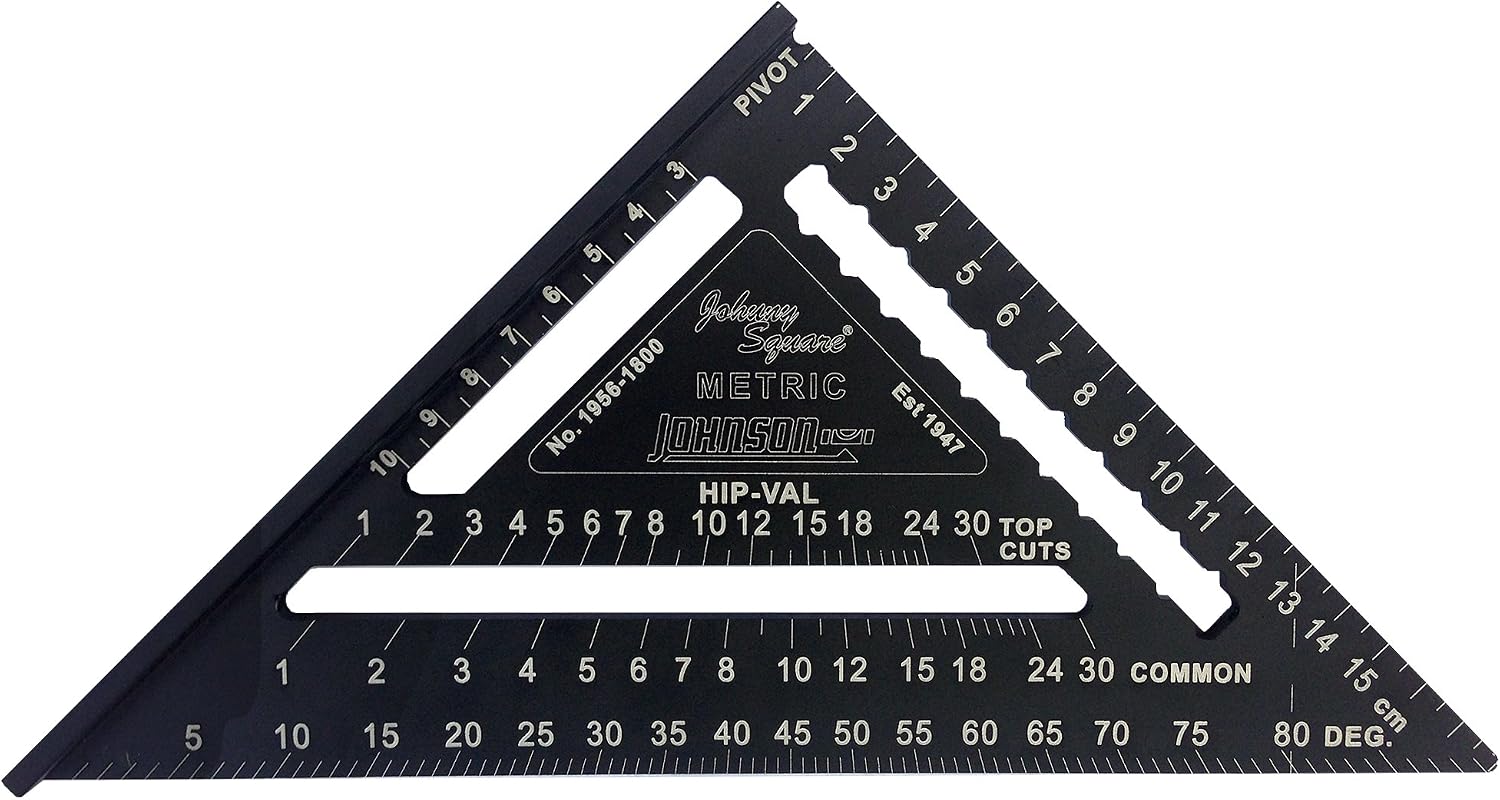


VINCA
See current price


Swanson Tool Co., Inc
See current price

Irwin Tools
See current price

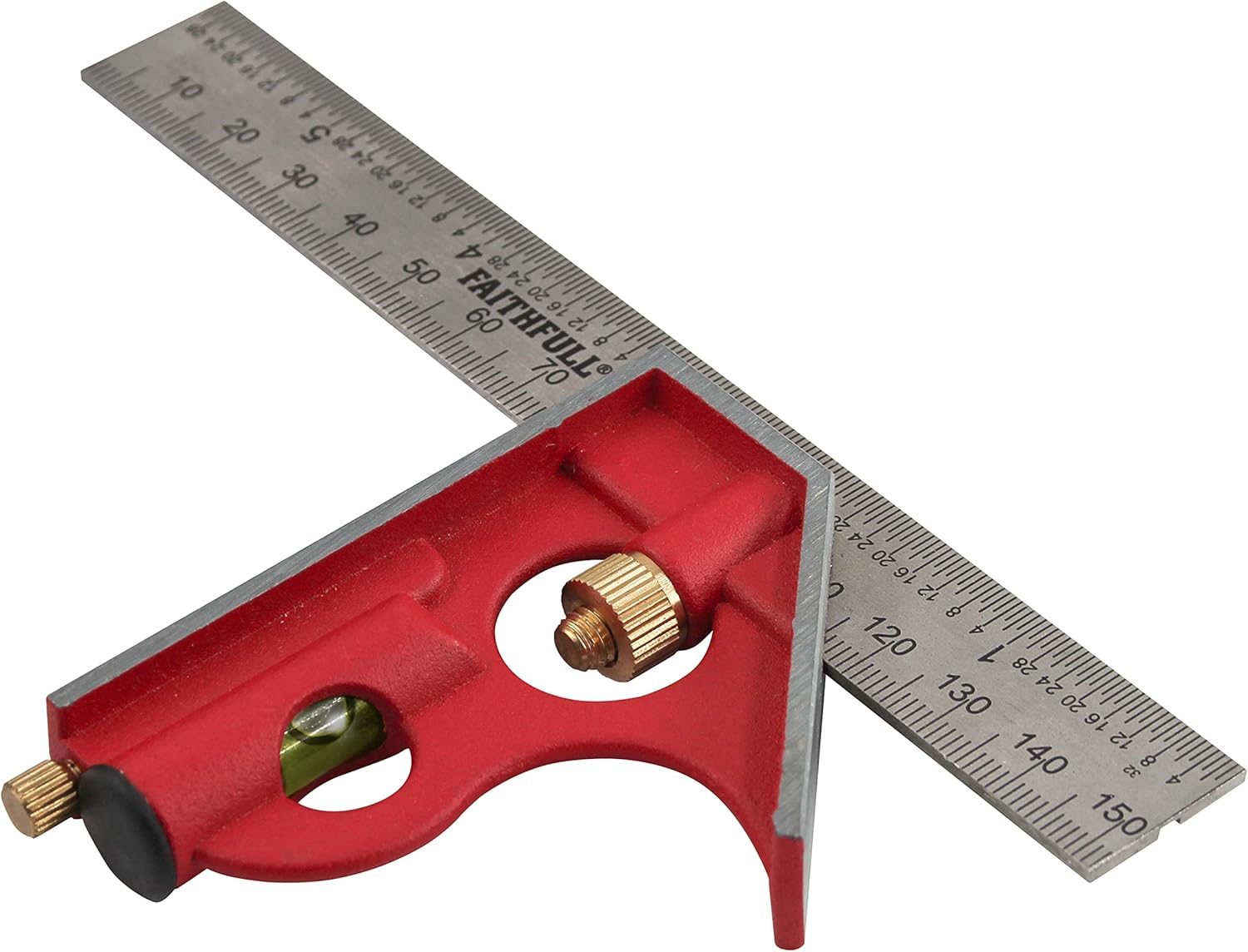

Swanson Tool Co., Inc
See current price

Swanson Tool Co., Inc
See current price


Carpentry squares help transfer measurements, check corners, mark cut lines, and lay out repeatable angles. The right square depends on the work involved: a framing tool for large construction projects may not be the most convenient choice for cabinetmaking or detailed shop work.
This K-Catalog category brings together carpentry squares from brands including Swanson Tool Co., Inc, Starrett, Johnson, iGaging, Irwin, Empire Level, Woodpeckers, Mecurate, Faithfull, wolfcraft, Dewalt, and Milwaukee. Compare the listed specifications and features, then check the current product details before choosing a tool.
Start with the jobs the square must handle most often. For framing, roofing, decking, and general construction, a larger square with clear graduations and useful layout markings can make long workpieces easier to mark. For furniture, cabinetry, and shop projects, a compact square may be easier to control around smaller parts.
Consider these factors:
If you are comparing other measuring and layout equipment, browse Measuring & Layout Tools for adjacent tool categories.
Carpentry squares are available in several designs, each suited to different layout needs.
These are intended for larger construction tasks such as framing, roof layout, stair work, and marking lumber. Their broad shape and extended scales can support quick reference work on boards and sheets. Check which graduations, angle markings, and layout guides are included rather than assuming every framing square has the same layout system.
A compact triangular format is convenient for marking crosscuts, checking corners, and establishing common angles. It can be useful for both job-site work and quick DIY projects, especially when one-handed positioning matters.
These squares are often chosen when checking a corner or transferring a short, precise line is more important than covering a long board. They can suit fine woodworking, cabinetry, joinery, and bench work.
Combination designs may bring together a rule and adjustable head for checking, marking, and measuring. They can be versatile for a workshop, but compare the adjustment mechanism, scale markings, and locking arrangement carefully.
Read the product specifications for details that affect daily use. A square may include multiple scales, angle references, a depth or height stop, or markings intended for a particular trade. Decide which features support your work instead of choosing by appearance alone.
Material is another important comparison. Metal construction may appeal to shoppers seeking a rigid tool for frequent use, while a lighter design can be convenient for portable kits. Finish and marking durability also matter because worn graduations make accurate layout more difficult.
Check whether the tool is designed for measuring, marking, checking, or a combination of these tasks. For longer distances, compare it with Linear Measurement. For checking whether a surface or assembly is level, see Levels. A square and a level solve different layout problems, even when they are used together.
The catalog includes carpentry squares from Swanson Tool Co., Inc, Starrett, Johnson, iGaging, Irwin, Empire Level, Woodpeckers, Mecurate, Faithfull, wolfcraft, Dewalt, and Milwaukee. Brand availability can vary by product, so compare the specific construction, markings, dimensions, and included features of each listing rather than relying on the brand name alone.
For projects requiring several layout references, related options include Marking Tools and Protractors. Laser-based layout equipment is covered in Laser Levels & Accessories, while electronic diagnostic tools are grouped under Scanners & Testers.
Keep the square clean and dry so debris does not interfere with contact against the workpiece. Store it where the edges and corners will not be struck or bent. Before relying on a square for repeated work, check it against a known straight edge or a verified corner. When marking, hold the tool firmly and use a sharp, consistent marking point to reduce wandering.
Avoid dragging a precision square across rough surfaces when a clean reference edge is available. If the tool has an adjustable component, keep it secured during layout and inspect it periodically for looseness.
It is used to check corners, transfer measurements, mark cut lines, and lay out angles on wood and other workpieces.
A framing or rafter square with a larger working area and clearly marked layout references is often more practical for lumber, roof, and construction layout. Compare the exact markings and dimensions for the tasks involved.
A compact square can be easier to control on small parts, panels, and joinery. A larger tool may be preferable when working across wide boards or handling longer layout distances.
Inspect the straightness of the edges, the consistency of the graduations, and the fit of any adjustable parts. A square should sit flush against the reference edge without rocking.
One versatile square may cover common measuring and marking tasks, but specialized framing, trim, and fine woodworking work may benefit from different sizes or designs.