

Marking Tools for Accurate Layout Work
Compare marking tools for carpentry, construction, fabrication, and DIY layout work. Review tip style, marking medium, visibility, durability, and compatibility with the surface or material.
139 products in catalog
139 results
Filters


![MOTEM [Upgrade Version] 2 Pieces Contour Gauge 5" and 10" Widen Contour Duplications Gauge Profile Copy Tool Shape Measuring for Corners and Contoured](https://m.media-amazon.com/images/I/614UmWI4-PL._AC_SL1200_.jpg)


General Tools
General Tools Contour Gauge 837 - 6" Angle Finder Tool for Home Improvement - Gadgets for Men
See current price

Grip-iT
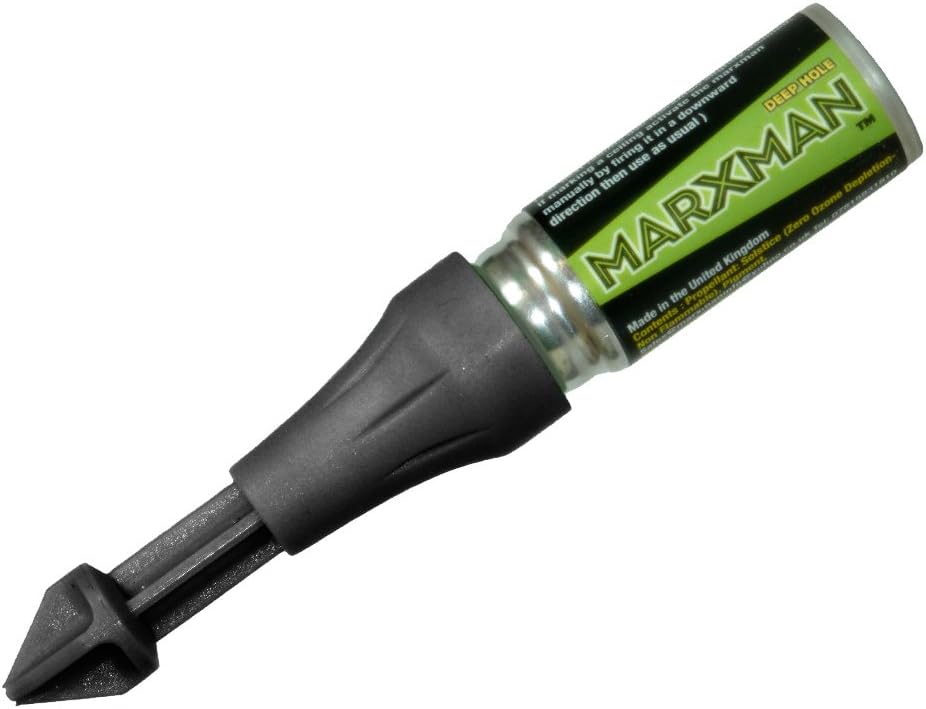
Grip-it MarXman Chalk Non-Permanent DIY Marking Pen Tool (Deep Hole Over 45mm)
See current price


Bon Tool
Tajima CR202B-P Chalk Rite II - Contractor Grade Ultra Thin Chalk Line,Blue
See current price



Lufkin
Crescent Lufkin 100' Contractor Chalk Reel with HardMark Blue Chalk - CL100BA
See current price

General Tools
General Tools Pencil Compass and Scriber, Adjustable up to 8 inches, 3 Pack 843/3 , Gold
See current price
Popular brands in Marking Tools
Marking tools help transfer measurements, identify cut lines, indicate drilling points, and create reference marks before work begins. The right tool can make layout faster and easier to read while reducing the risk of marks that are too faint, too wide, or difficult to remove.
This category sits within Measuring & Layout Tools, alongside equipment used to measure distance, check alignment, and establish angles. Use the guide below to compare marking methods and choose tools suited to the material, environment, and level of precision required.
How to choose marking tools
Start with the surface and the type of mark needed. A pencil or fine marker may be suitable for detailed indoor layout, while chalk or a highly visible paint marker can be more practical for rough construction work, dark materials, or larger reference lines.
Consider these factors before choosing:
- Surface: Wood, metal, masonry, drywall, glass, plastic, and finished surfaces may require different marking media.
- Precision: Fine tips are useful for joinery, drilling points, and cut lines; broader tips are easier to see from a distance.
- Visibility: Choose a contrasting color or marking medium that remains readable under the available lighting.
- Removal: Some marks need to disappear after cutting or installation, while others must remain visible outdoors or through a work phase.
- Durability: Look for a construction suited to the conditions, including job-site handling, moisture, dust, and repeated use.
- Refillability: Replaceable leads, cartridges, or ink systems can be useful when a tool is used regularly.
Common types of marking tools
Marking tools vary by application rather than belonging to one single format. Comparing the following types can help narrow the selection:
Pencils and mechanical markers
Pencils are useful for controlled layout lines, notes, and points on materials such as wood and paper. Mechanical designs can provide a consistent tip and may be convenient when line width matters. Check lead or refill compatibility and whether the marking medium suits the intended surface.
Pens and permanent markers
Markers offer quick, visible lines for identifying parts, labeling materials, and indicating locations. Fine-point options support detail, while larger tips improve visibility. For permanent marks, confirm that the ink is appropriate for the material and that it will not bleed, smear, or damage a finished surface.
Paint markers
Paint markers are designed for bold, high-contrast marks on surfaces where ordinary ink may be difficult to see. They can be useful for metal, plastic, glass, and other nonporous materials, but the mark may be harder to remove. Check drying behavior, tip size, and surface compatibility before use.
Chalk lines and layout chalk
Chalk-based marking is suited to long, straight reference lines in construction and installation work. Compare line visibility, reel or applicator design, chalk color, and whether the chalk is intended for temporary or more persistent marks.
Features and specifications to compare
Tip design affects both accuracy and control. A narrow tip can help place a precise point or line, while a chisel or broad tip may be easier to see during rough layout. If the tool includes a cap, clip, holder, or built-in sharpener, consider how those details affect storage and access on the job.
The marking medium is equally important. Look for information about water resistance, drying time, opacity, permanence, and suitability for indoor or outdoor use. For tools with replaceable components, compare available refills and the process for loading them. A tool that is easy to maintain is more practical when marking is a frequent task.
For layout work that also requires checking distance, browse Linear Measurement. If marks must be transferred at a right angle or a specific angle, Carpentry Squares and Protractors may complement the marking tool.
Brands represented in the catalog
The catalog includes marking tools from brands such as Tajima, Irwin, General Tools, Irwin Tools, Stanley, Milwaukee, OX Tools, Keson, AVIDE, Bon Tool, Dixon, and Krylon. Compare each product by its listed tip, marking medium, intended surfaces, included accessories, and refill or replacement options rather than choosing by brand name alone.
For projects where marks support alignment or detection, related options include Levels, Laser Levels & Accessories, and Scanners & Testers. These tools can help verify position or locate conditions before a mark becomes a cut, hole, or installation reference.
Practical marking tips
Clean dust, oil, and loose debris from the surface when possible so the mark remains clear. Test an unfamiliar marker or chalk on a hidden area first, especially on painted, polished, porous, or finished materials. Use eye protection when sharpening, snapping chalk lines, or working around cutting and drilling operations.
Store markers capped and protect pencils, leads, and tips from moisture or impact. When accuracy matters, make the reference mark from the same measurement point used for the layout and keep the line width in mind; a thick mark can shift the actual cut or drill location.
Frequently asked questions
What marking tool is best for precise layout?
A fine-point pencil, mechanical marker, or narrow-tip marker is generally suited to precise lines and points. The best choice depends on the surface and whether the mark must be removable.
How do I choose a marking tool for metal?
Look for a marker designed for metal with suitable visibility and adhesion. Paint markers may help on dark or smooth metal, while a finer tip can support detailed layout.
Are permanent markers suitable for every project?
No. Permanent ink may bleed, stain, or remain visible after the work is complete. Check surface compatibility and test the mark before applying it to a finished piece.
When is a chalk line useful?
A chalk line is useful for creating a long, straight reference across a surface. Compare chalk visibility and permanence with the needs of the project.
What should I compare when buying a marking tool?
Compare the tip, marking medium, surface compatibility, visibility, permanence, grip, cap or storage design, and refill availability. Also consider whether the tool is intended for indoor, outdoor, temporary, or permanent use.