
Pruning Shears, Parts & Accessories
Compare pruning shears, replacement parts, and accessories by cutting style, power source, compatibility, and maintenance needs to find the right setup for garden care.
18 products in catalog
18 results
Filters


Scotts Outdoor Power Tools
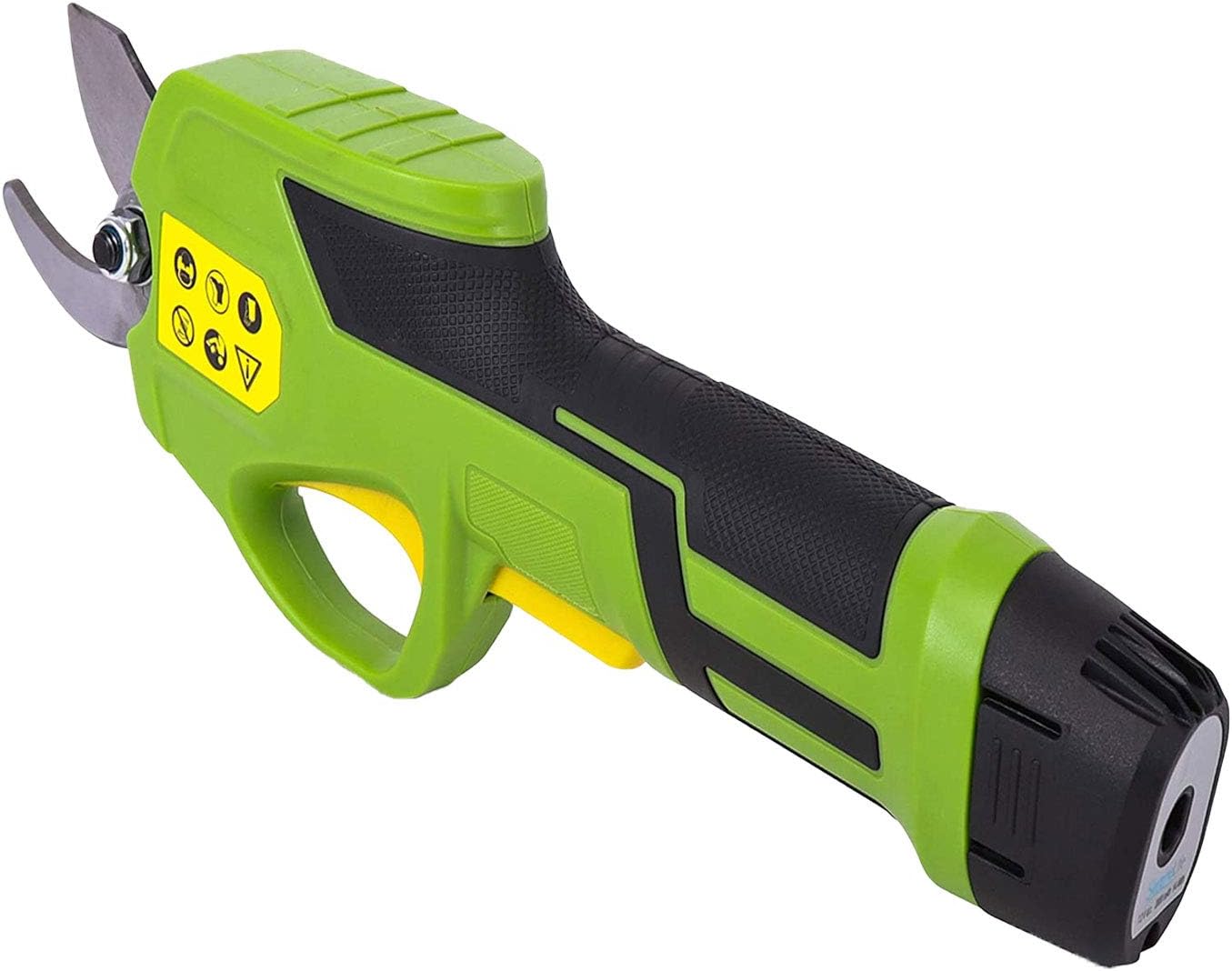
Scotts Outdoor Power Tools PR17216PS 7.2-Volt Lithium-Ion Cordless Rechargeable Power Pruner with Extension Pole, Green
See current price

![Electric Pruning Shears, Bravolu Professional Power Secateurs Battery Powered, 2 x 2Ah Batteries, Cordless Electric Pruning Shears Equipped With a Brushless Motor-30mm [1.2 Inch] Cutting Diameter](https://m.media-amazon.com/images/I/6172Ov-jYNL._AC_SL1200_.jpg)

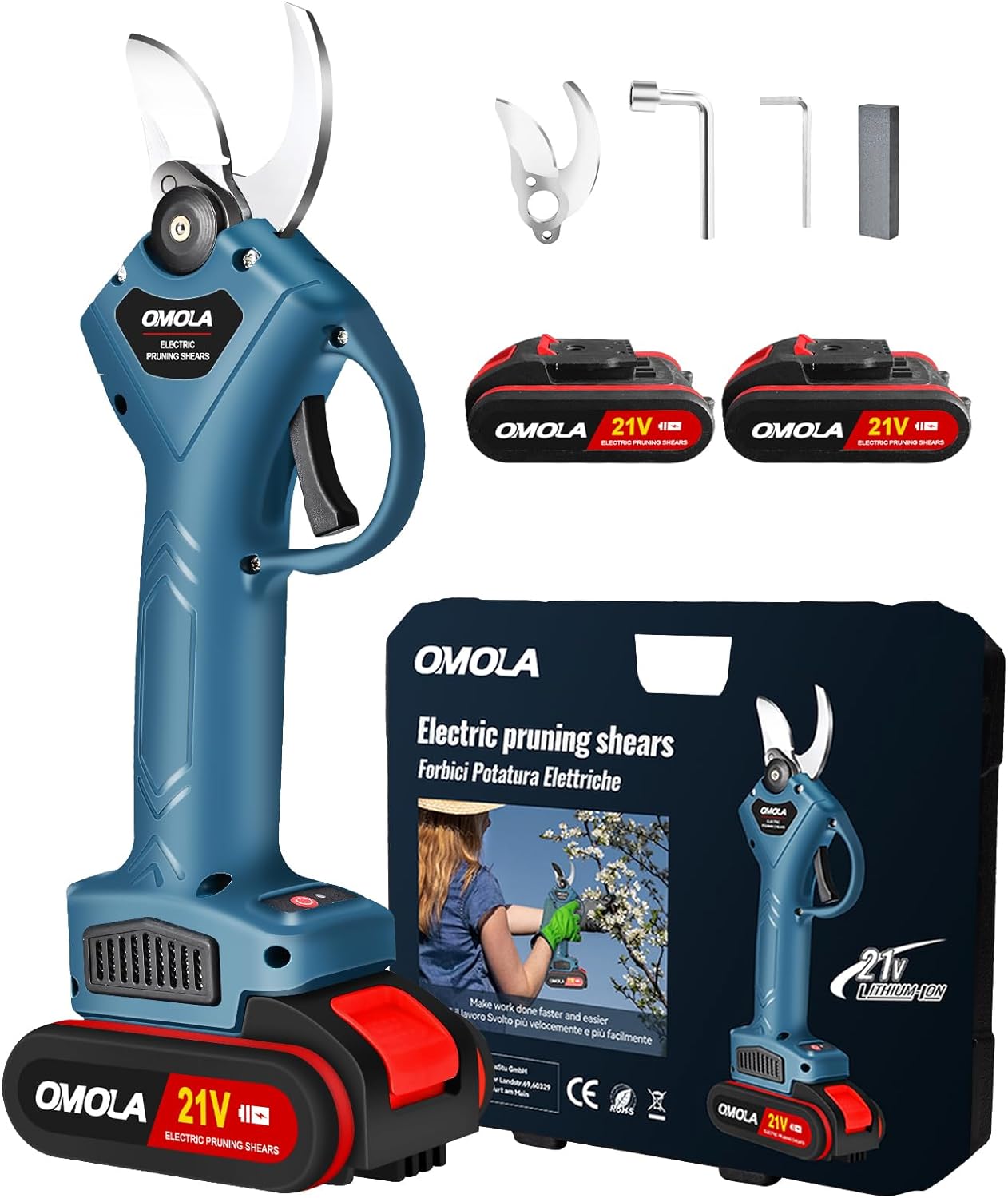


![Kebtek Professional Pruning Shears Electric Pruner Branch Cutter, 25V Cordless Pruning Shears Heavy Duty with 2 Pack Brushless Motor Rechargeable -40mm [1.57 Inch] Cutting Diameter](https://m.media-amazon.com/images/I/61vXg+Iy-KL._AC_SL1500_.jpg)


Popular brands in Pruning Shears, Parts & Accessories
Pruning shears are useful for shaping plants, removing dead growth, and maintaining shrubs, vines, flowers, and small branches. This category also includes parts and accessories that can help keep a pruning tool functional or adapt it to a particular gardening task.
When comparing products, start with the work you expect to do. A compact hand pruner may suit occasional trimming and detailed cuts, while a powered model can be more convenient for repetitive pruning. Parts and accessories require a closer look at compatibility, dimensions, and the exact tool they are designed to fit.
How to choose pruning shears and accessories
The right product depends on the plant material, frequency of use, and amount of effort you want to apply. Consider these factors before selecting an item:
- Cutting task: Light stems, fresh growth, woody branches, and dead material may call for different blade designs.
- Operating method: Manual shears offer direct control, while powered shears may reduce hand fatigue during repeated cuts.
- Reach and handling: A lightweight, compact tool can be easier to maneuver around dense foliage. Larger handles or extended designs may offer more leverage or reach.
- Maintenance: Replaceable blades, fasteners, guards, chargers, and other service parts can affect how easy a tool is to maintain over time.
- User comfort: Look for a handle shape, grip, trigger arrangement, and overall weight that match the length of your typical pruning sessions.
Types of pruning tools and parts
Manual bypass shears are commonly suited to clean cuts on living stems, while anvil-style designs can be useful for tougher or dry material. The product listing should identify the cutting action and recommended use. If the listing does not clearly describe the blade type, compare its specifications with the job you need to complete.
Powered pruning shears may be useful for frequent garden maintenance. Compare the power source, included components, charging requirements, cutting capacity, safety controls, and replacement-part availability. Accessories may include blades, guards, cases, fasteners, or other components, but the exact contents vary by product.
For broader outdoor equipment needs, browse Outdoor Power Tools or explore Replacement Parts & Accessories for related maintenance items.
Key specifications to compare
Product titles can look similar, so read the full specification details before choosing. Pay particular attention to:
- Blade material and construction: Durable, corrosion-resistant materials can be helpful for tools exposed to sap, moisture, and outdoor storage conditions.
- Maximum cutting capacity: Treat this as a guide rather than a reason to force the tool through material beyond its intended use.
- Power and battery details: For powered models, check whether the battery, charger, or other power components are included and whether replacement components are available.
- Compatibility: Confirm the accessory is made for the specific tool, version, or connection type. Similar-looking parts are not necessarily interchangeable.
- Safety features: A locking mechanism, blade cover, trigger lock, or protective guard may help during transport and storage.
- Included items: Check whether the package contains only a replacement part or a complete working tool with supporting accessories.
Brands represented in the catalog
The catalog includes pruning-related products from KOMOK, T TOVIA, LIGO, Bbrand, Rokrou, Gardtech, Lagatuns, KOHAM, SereneLife, Dragro, Scotts Outdoor Power Tools, and Bravolu. Brand availability can vary by product, so compare each listing’s specifications, included components, compatibility information, and care instructions rather than relying on the brand name alone.
Care, storage, and safe use
Clean plant residue from blades after use and dry metal components before storage. Sap and moisture can affect cutting performance and may contribute to corrosion. Follow the product instructions for lubrication, sharpening, blade replacement, charging, and cleaning; powered tools should be switched off and disconnected from their power source before maintenance.
Use eye protection when cutting brittle or springy material, and keep hands clear of the blades and cutting path. Store shears with the blades closed or covered, especially where children cannot access them. Do not use a pruning tool beyond its stated capacity, and avoid cutting material that may contain wire, fasteners, or other hard objects.
If you are also maintaining larger outdoor plants or clearing heavier growth, related categories such as Chainsaws, String Trimmers, and Leaf Blowers, Vacuums & Accessories may help you compare tools for different jobs.
Frequently asked questions
What are pruning shears used for?
Pruning shears are designed for trimming plants, removing unwanted growth, shaping shrubs, and cutting suitable stems or small branches. Always check the product’s stated capacity.
Should I choose manual or powered pruning shears?
Manual shears provide simple, direct control and may suit occasional work. Powered shears can be more convenient for repetitive pruning, but require attention to battery, charging, safety, and maintenance details.
How do I know whether a replacement part will fit?
Match the part with the exact tool information, connection style, dimensions, and compatibility notes in the listing. Do not assume that parts with similar shapes are interchangeable.
Are replacement blades worth considering?
A compatible replacement blade may extend the useful life of a tool when the original blade is damaged, worn, or no longer cutting effectively. Confirm installation requirements before ordering.
How should pruning shears be stored?
Clean and dry the tool, close or cover the blades, and store it in a dry location. Powered models should be stored according to the manufacturer’s battery and charging guidance.