

Belts, Hoses & Pulleys
Compare automotive belts, hoses and pulleys by vehicle fitment, construction, dimensions and intended use. Review the specifications carefully before selecting a replacement part.
558 products in catalog
558 results
Filters


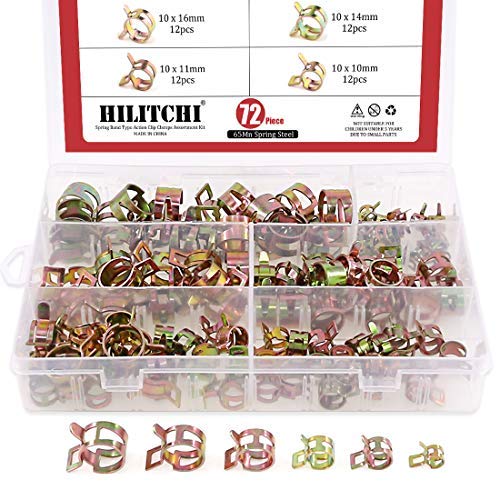
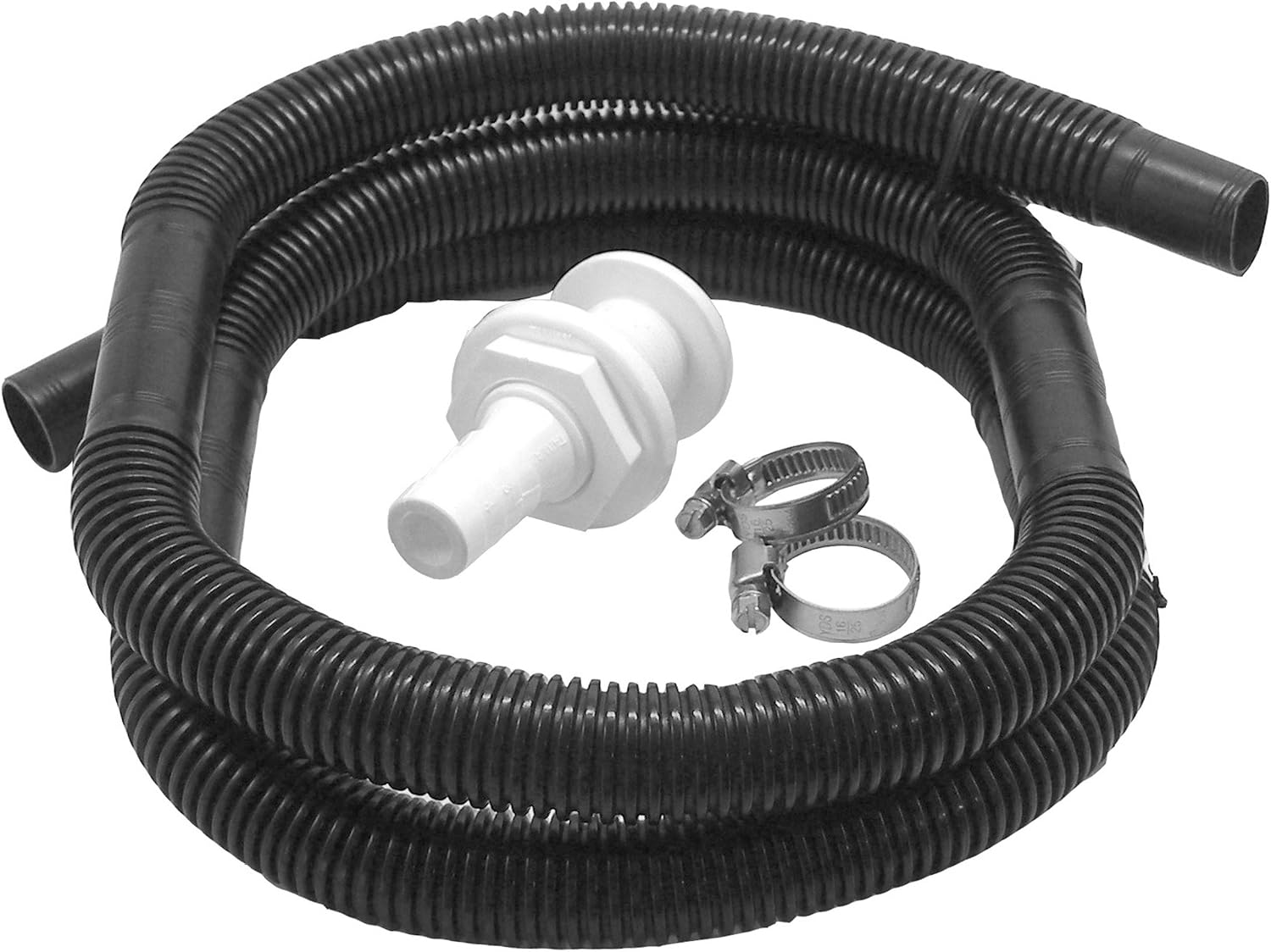

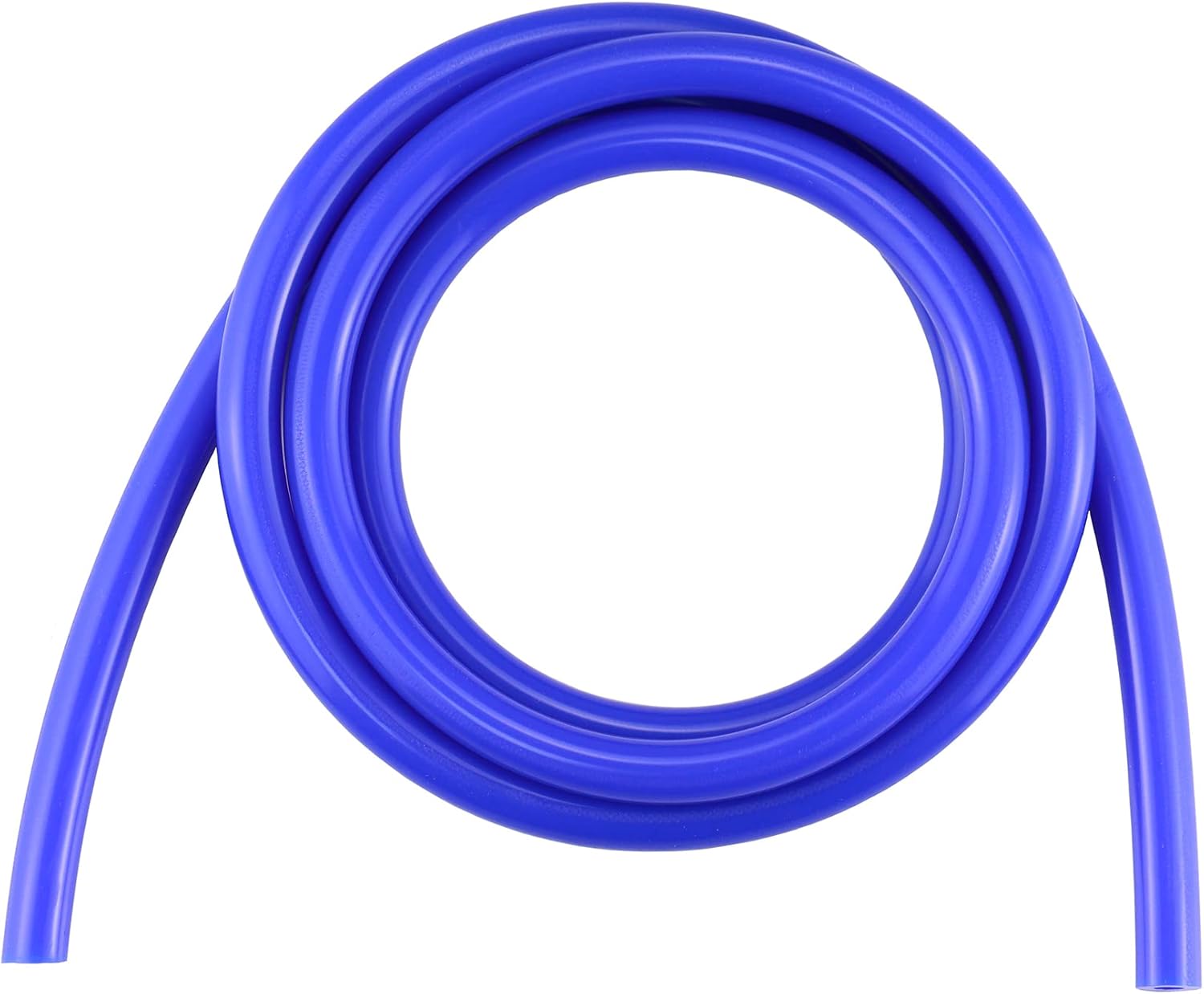
Ucreative
Ucreative 5FT High Temperature Silicone Vacuum Tubing Hose 130PSI Max Pressure Blue ID: 3/16" (5mm)
See current price
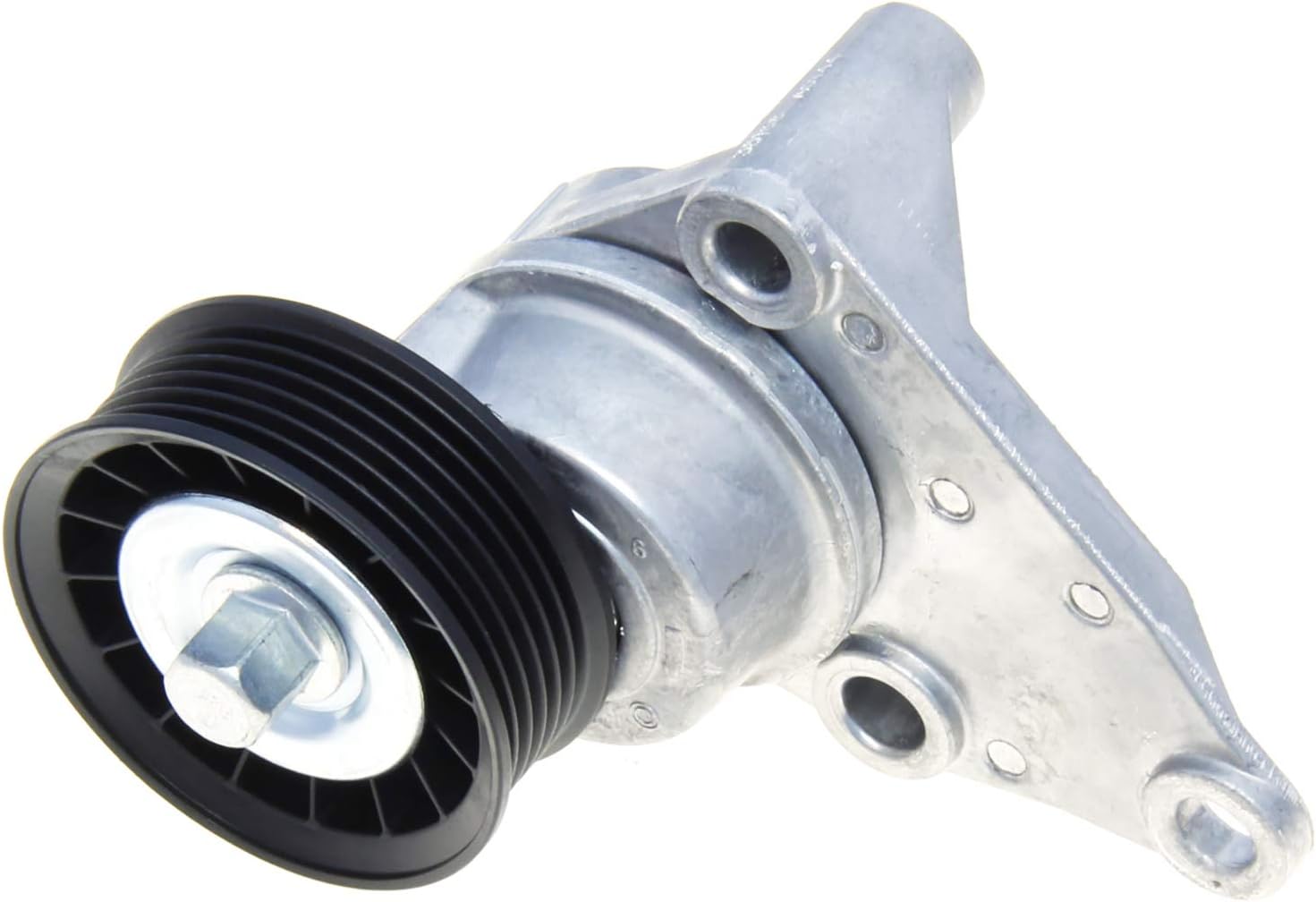
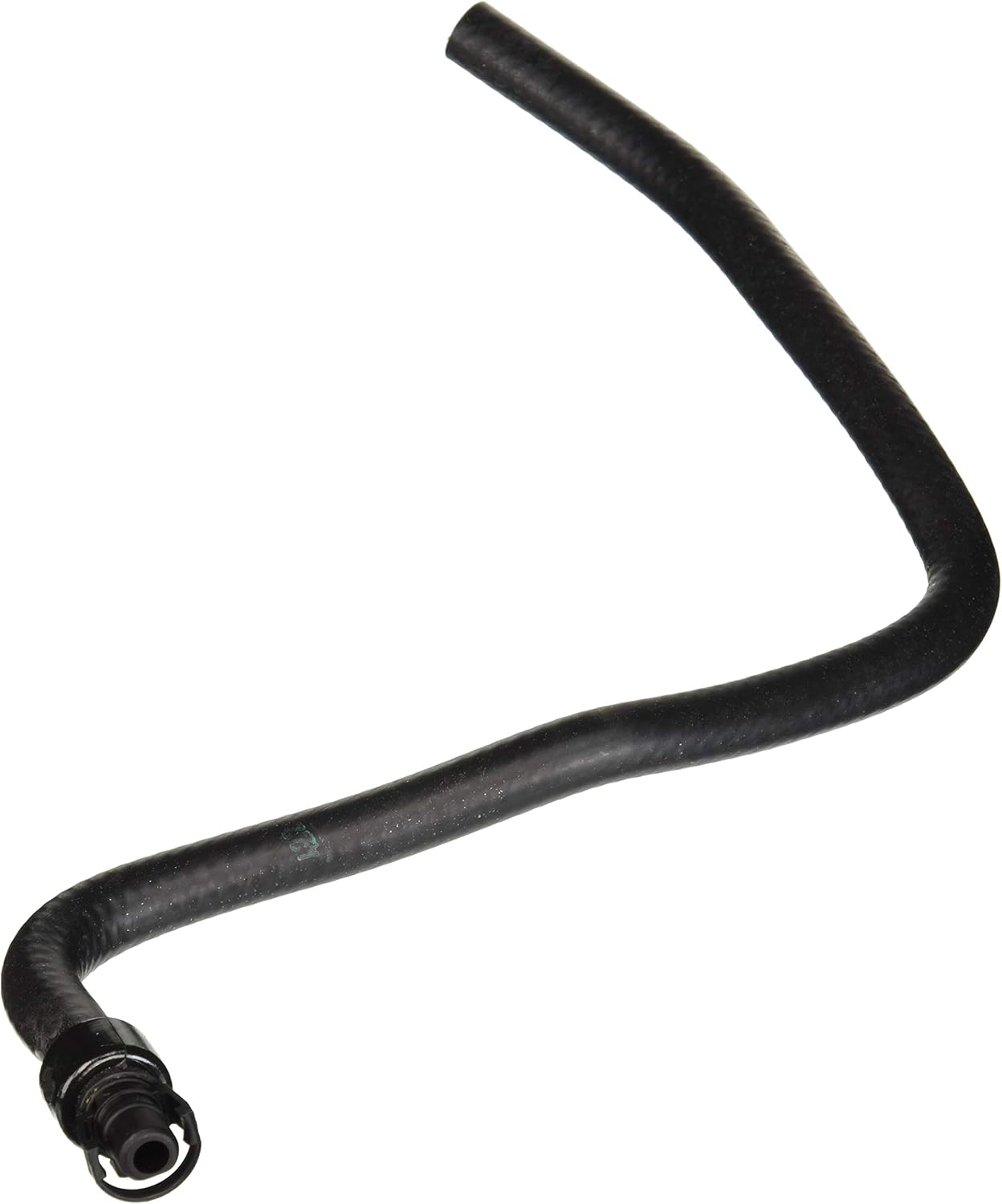
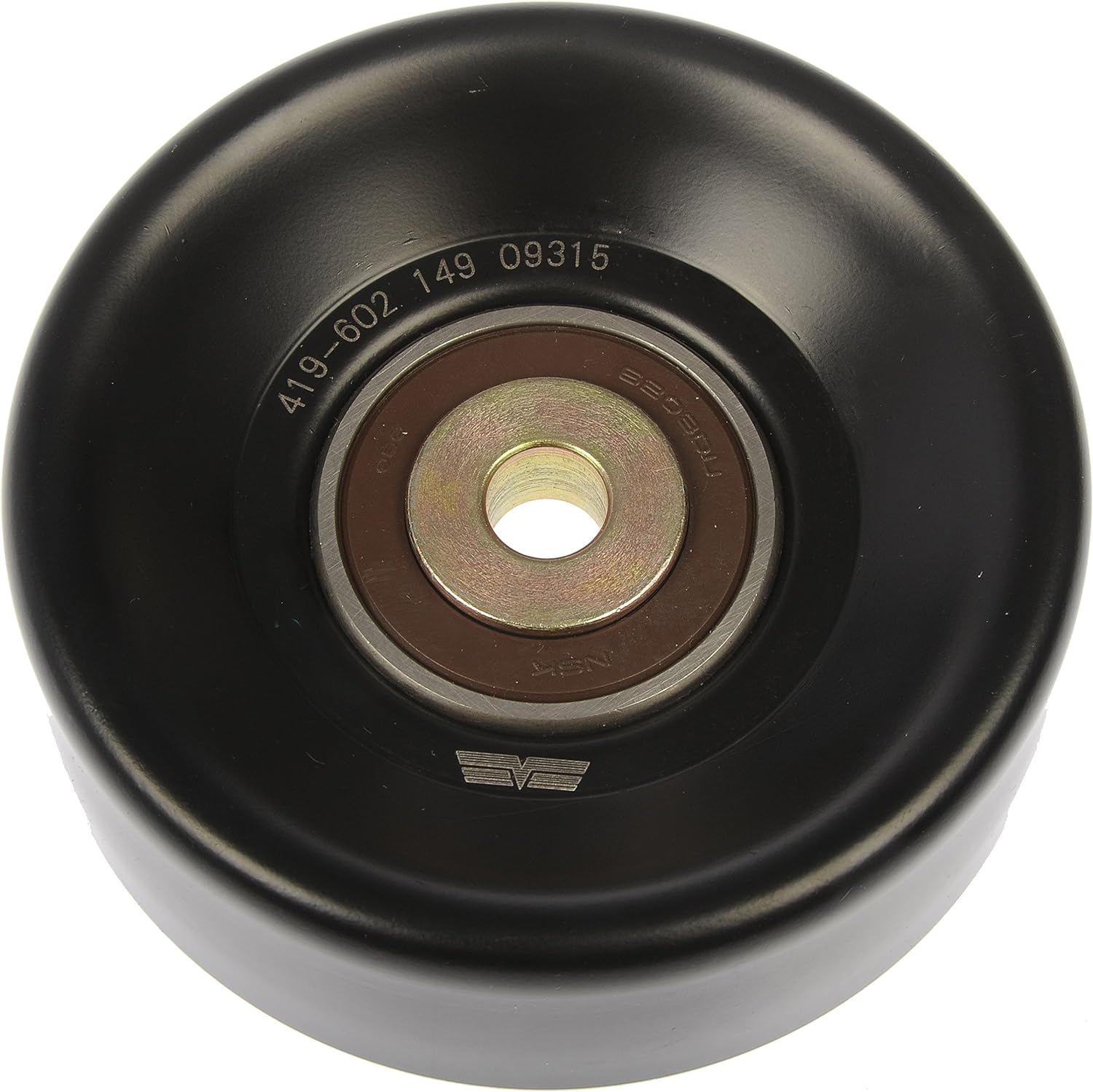
Dorman
Dorman 419-602 Accessory Drive Belt Tensioner Pulley Compatible with Select Models, Black
See current price

EVIL ENERGY
EVIL ENERGY 10AN Fuel Line Kit,AN10 Braided Nylon Fuel Hose CPE 10FT Silver
See current price


Gates
Gates 28491 Safety Stripe Standard Straight Heater Hose-6' Length, Inner Diameter 5/8"
See current price


Popular brands in Belts, Hoses & Pulleys
Belts, hoses and pulleys play important roles in engine operation, cooling and accessory drive systems. The right replacement must match the vehicle, engine configuration and the original part’s function—not just its general appearance.
Use this catalog to compare product specifications and compatibility details before checking the current price and purchase options on Amazon. If the part is associated with a critical engine or cooling-system function, professional installation may be appropriate.
How to choose the right replacement part
Start with exact vehicle information, including the model year, make, model, engine and any relevant submodel or trim details. A part listed for a similar vehicle may still differ in length, routing, connector style or mounting points.
Compare the following details whenever they are provided:
- Application and fitment: Confirm that the part is designed for the specific vehicle and engine configuration.
- Part function: Identify whether it drives accessories, transfers coolant, guides a belt or performs another system role.
- Dimensions: Check belt length and rib profile, hose shape and connection points, or pulley size and bearing arrangement.
- Construction: Look for material information, reinforcement and resistance to heat, fluids or wear where relevant.
- Included components: Determine whether the listing is for an individual part, a set or a kit with related hardware.
The original part number can be useful for cross-referencing, but it should be checked against the full vehicle fitment information rather than used as the only selection criterion.
Main types of belts, hoses and pulleys
Accessory and serpentine belts transfer power from the engine to systems such as the alternator, air-conditioning compressor and other driven accessories. Matching the rib count, length, width and routing is essential. A belt that is too loose, too tight or incorrectly profiled can lead to noise, slippage or premature wear.
Timing belts synchronize engine components. Fitment and installation accuracy are especially important, and some applications use related tensioners, idlers or water-pump components. Check whether a listing includes only the belt or additional parts needed for the intended repair.
Engine and coolant hoses carry coolant, air or other fluids through connected systems. Compare the hose’s molded shape, inside diameter, connection style, bends and material. A visually similar straight hose may not be suitable for a routed or formed application.
Pulleys, tensioners and idlers help guide, support or maintain tension on a belt. The replacement should match the mounting arrangement, pulley profile, bearing design and vehicle application. When a belt problem is caused by a worn pulley or tensioner, replacing only the belt may not address the underlying issue.
Specs and features worth comparing
Look closely at whether the belt is described by its ribbed profile, tooth design or intended drive system. For hoses, pay attention to temperature and fluid compatibility, reinforcement and whether clamps or fittings are included. For pulleys and tensioners, compare mounting hardware, adjustment method and the location within the belt system.
Fitment notes can also identify exclusions, such as vehicles with a particular engine, accessory package or production change. Product photos are useful for checking general shape, but specifications and application information are more dependable for confirming compatibility.
Brands represented in the catalog
The catalog includes products from Gates, ACDelco, Dorman, Continental, Dayco, EVIL ENERGY, AISIN, Ban.do, Motorcraft, TASAN RACING, Bando USA and GM. These brands cover a range of belt, hose, pulley and related replacement-part applications. Compare each listing on its own specifications and fitment information rather than choosing by brand name alone.
Installation and maintenance considerations
Inspect the surrounding components before installation. Look for cracking, glazing, fraying, oil contamination or unusual wear on belts, as well as swelling, soft spots, abrasions or leaks on hoses. Pulleys and tensioners should be checked for rough movement, wobble or abnormal noise according to the vehicle’s service requirements.
Route belts exactly as specified for the vehicle and avoid forcing a belt over a pulley. Hoses should not be kinked, twisted or stretched into position. Allow hot engine and cooling-system components to cool before inspection, and follow the manufacturer’s service procedure when working around pressurized coolant or moving engine parts.
For other automotive replacement needs, browse Replacement Parts, or compare related categories such as Filters, Ignition Parts and Lighting & Electrical. Body-related components can be found in Body & Trim, while ride and handling parts are listed under Shocks, Struts & Suspension. Electrical control components are also available in Switches & Relays.
Frequently asked questions
How do I confirm that a belt fits my vehicle?
Check the complete application details, including year, make, model, engine and accessory configuration. Then compare the belt profile, dimensions and routing requirements with the original part or service information.
Should I replace a pulley when replacing a belt?
Not always, but inspect the pulley, tensioner and idlers for noise, wobble, rough movement or visible wear. A damaged related component can affect the replacement belt.
How can I choose the correct engine hose?
Match the vehicle fitment, hose shape, connection points, inside diameter and material. Confirm that the hose is intended for the specific fluid and temperature conditions of the application.
Are timing belts and accessory belts interchangeable?
No. They perform different functions and use different designs. Select the belt type specified for the vehicle’s particular engine system.
Is a product photo enough to verify fitment?
No. Photos can help compare general shape, but exact vehicle application, dimensions, specifications and included components should determine the selection.