

Automotive Gaskets
Compare automotive gaskets by vehicle fit, gasket type, materials, and sealing requirements. Review specifications to narrow your choices before visiting Amazon for the current listing details.
404 products in catalog
404 results
Filters


BETOOLL
BETOOLL 9pcs Wire Long Reach Hose Clamp Pliers Set Fuel Oil Water Hose Auto Tools
See current price


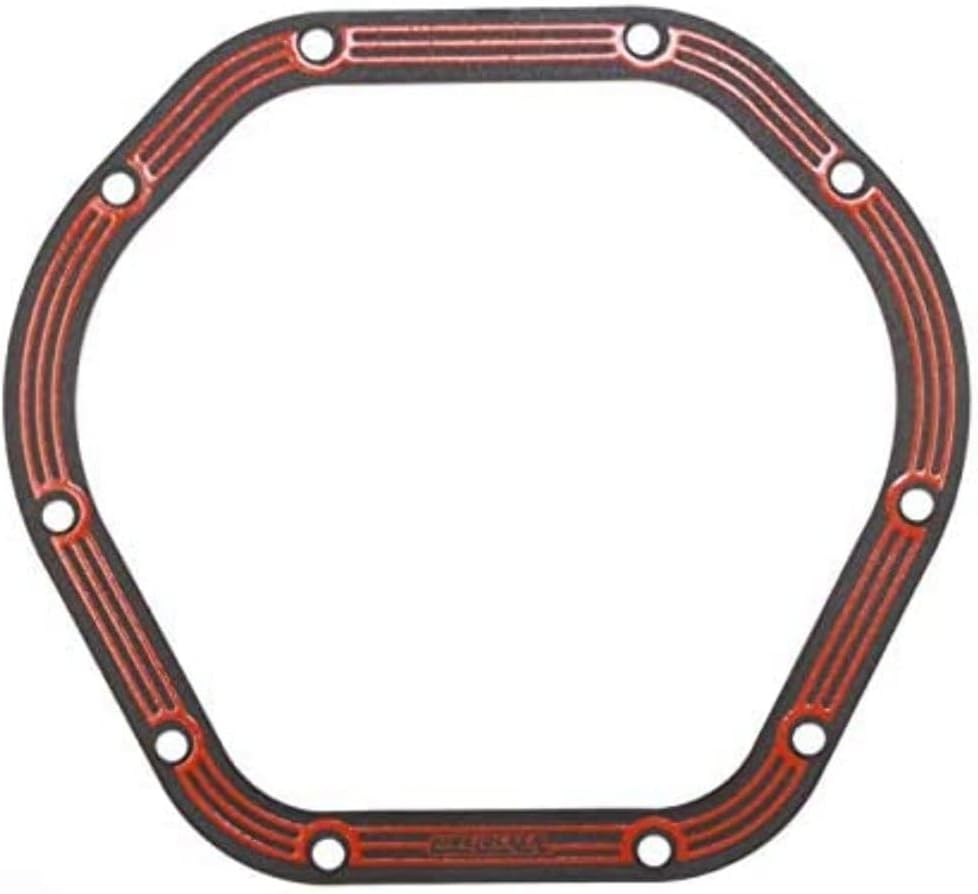


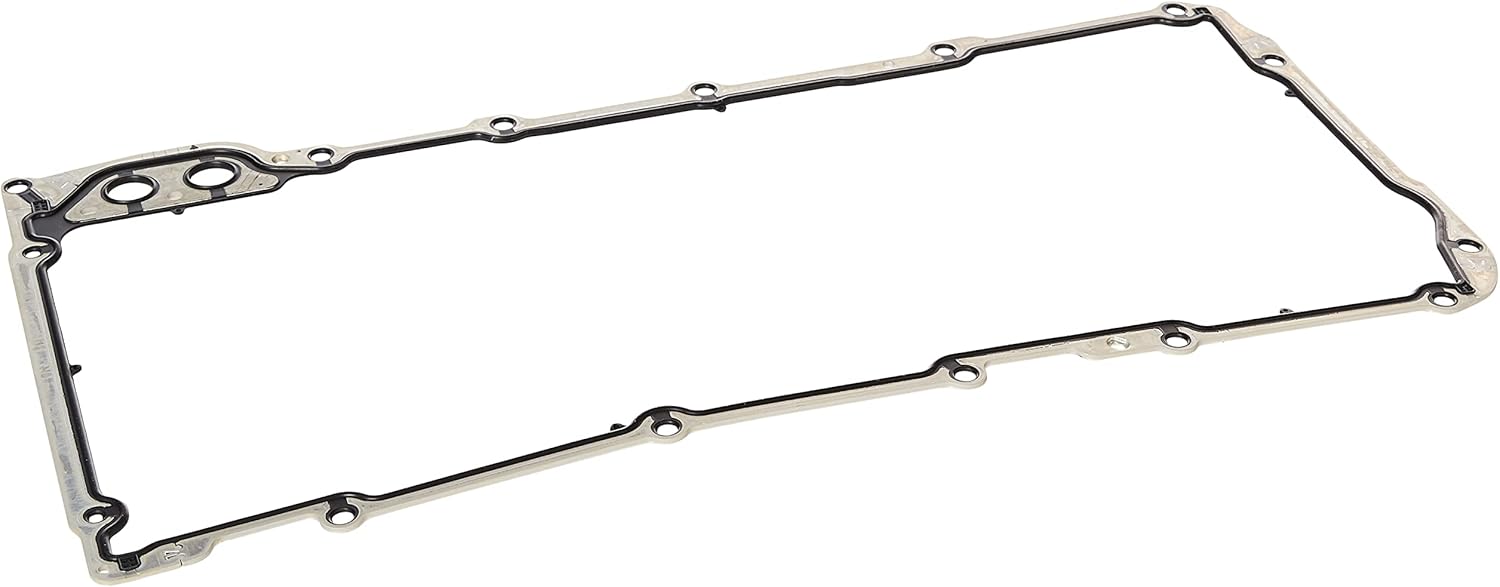


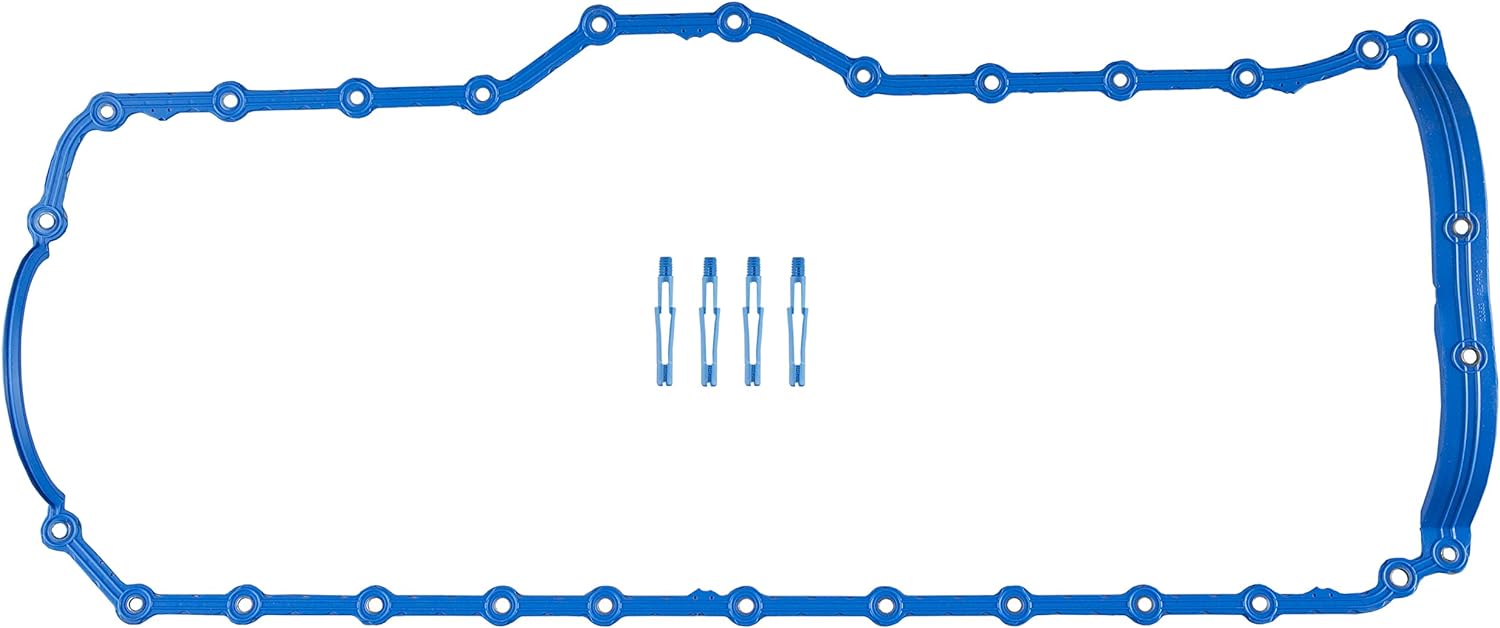



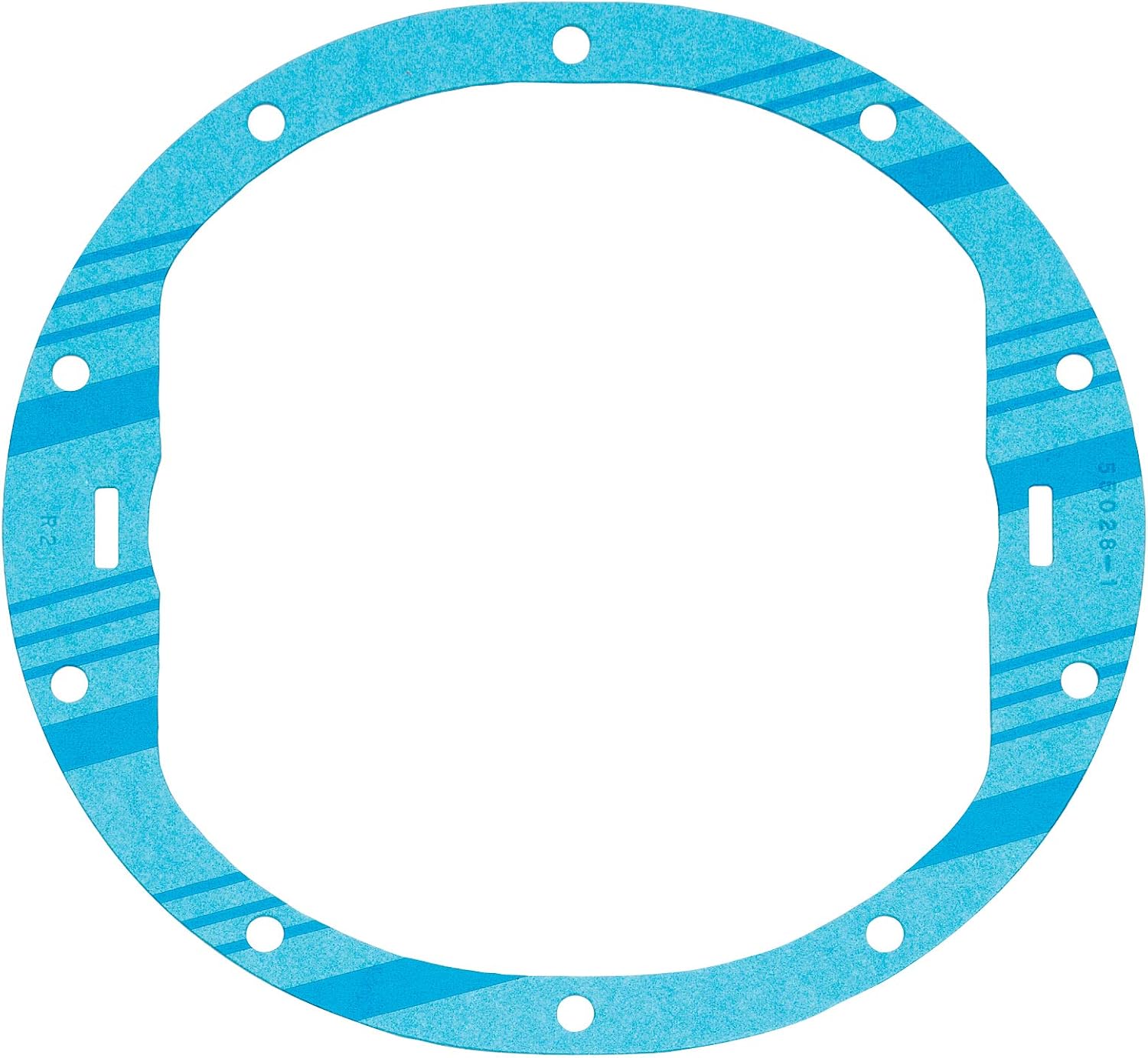
Popular brands in Gaskets
Gaskets create a seal between mating surfaces, helping contain fluids, gases, pressure, or combustion within an automotive system. The correct replacement depends on more than shape alone: vehicle fitment, engine or component location, material, thickness, and installation requirements all matter.
Use this K-Catalog page to compare gasket specifications and features before selecting an option for your repair. For broader vehicle replacement needs, browse the Replacement Parts category as well.
How to choose the right gasket
Start with the exact vehicle and component application. A gasket designed for one engine area, exhaust connection, intake passage, fluid housing, or sensor may not be suitable for another, even when the pieces appear similar. Check the product description for compatibility with the vehicle’s make, model, engine, model year, and system location.
Before choosing, compare:
- Application: Identify whether the gasket is intended for the engine, exhaust, intake, cooling, fuel, transmission, or another system.
- Fit and dimensions: Check the opening shape, bolt-hole arrangement, outside dimensions, and thickness where provided.
- Material: Materials may be selected for resistance to heat, pressure, oil, coolant, fuel, exhaust gases, or other operating conditions.
- Seal design: Some gaskets use molded sealing beads, metal layers, composite construction, or integrated sealing elements.
- Installation requirements: Confirm whether the part is designed for use with sealant, should be installed dry, or requires a particular tightening sequence.
If the old gasket is damaged, use it as a reference for overall shape but do not assume it was the correct replacement. Verify the application against the manufacturer’s fitment information and the vehicle service documentation.
Common automotive gasket applications
Gaskets are used throughout a vehicle, and each location places different demands on the seal. Engine-related gaskets may need to handle high temperatures, combustion pressure, oil, coolant, or vacuum. Exhaust gaskets must tolerate heat and help prevent exhaust leaks at connected components. Intake and throttle-body gaskets commonly support an airtight connection where air or fuel mixture passes between parts.
Other common applications include water pumps, thermostats, oil pans, valve covers, exhaust manifolds, collector connections, fuel-system components, and transmission housings. The right choice is determined by the specific mating surfaces and the fluids or gases involved—not simply by the general part name.
For adjacent maintenance and repair categories, you can also compare Filters, Ignition Parts, or Lighting & Electrical when planning related work.
Specifications and features to compare
Pay close attention to the product title, application notes, diagrams, and included components. A listing may describe a single gasket, a seal set, or a broader kit. Make sure the contents match the repair rather than assuming every related seal is included.
Important details may include:
- Original-equipment replacement or aftermarket application
- Single-layer, multi-layer, composite, rubber, cork, paper, or metal construction
- High-temperature or fluid-resistance claims relevant to the installation
- Pre-applied sealing beads or other integrated sealing features
- Required surface preparation and torque information
- Whether fasteners, O-rings, seals, or supplementary gaskets are included
Inspect the mating surfaces during installation. Warping, corrosion, old sealant, scratches, or debris can prevent a properly selected gasket from sealing. Follow the vehicle manufacturer’s procedure for cleaning, tightening, and reassembly, particularly for engine and exhaust components.
Brands represented in the catalog
The Gaskets catalog includes products from Fel-Pro, Walker, Vincos, Dorman, MNJWS, AOIT, LIMICAR, LUBE LOCKER, Kohler, UTSAUTO, Beck/Arnley, and Ticon. These brands are represented across the catalog, but the best choice should be based on verified vehicle fitment, application details, construction, and installation requirements rather than brand name alone.
When comparing listings from different manufacturers, look for equivalent application information and confirm whether each listing covers the same component. A gasket from one brand may be packaged differently or offer different included parts than another option for a similar repair.
Installation and maintenance tips
Remove the old gasket carefully and clean both mating surfaces without damaging them. Avoid reusing a gasket that was designed for one-time compression. Do not force a gasket into place, trim it unless the manufacturer explicitly permits it, or substitute household sealants for a specified automotive sealing product.
After installation, check for fluid seepage, exhaust noise, vacuum symptoms, overheating, or other signs of an incomplete seal. If the repair involves combustion pressure, fuel, coolant, or exhaust gases and the procedure is uncertain, consult a qualified technician and the vehicle’s service information.
Frequently asked questions
How do I know which automotive gasket fits my vehicle?
Check the vehicle make, model, model year, engine, component location, and part application. Use the manufacturer’s fitment information and compare dimensions or diagrams when available.
Are all gaskets made from the same material?
No. Gaskets may use rubber, cork, paper, composite, metal, or layered constructions. Material choice should match the temperature, pressure, and fluid or gas exposure of the application.
Should gasket sealant always be used?
No. Some gaskets are designed for dry installation, while others may specify a compatible sealant. Follow the product instructions and vehicle service procedure rather than applying sealant automatically.
Can an old gasket be reused?
Most compressed or damaged gaskets should be replaced. Reusing one can lead to leaks or an unreliable seal, especially after the component has been separated.
What should I do if the replacement gasket looks different?
Compare the bolt holes, openings, dimensions, and application information. A different appearance may be intentional, but the part should not be installed unless its fitment is confirmed.
What other replacement categories may be relevant?
Depending on the repair, related areas may include Body & Trim, Shocks, Struts & Suspension, or Switches & Relays.