

Respiratory Aids & Accessories
Explore respiratory aids and accessories by intended use, fit, compatibility, and maintenance requirements. Compare product specifications and features before checking availability on Amazon.
818 products in catalog
818 results
Filters


RespLabs Medical Inc.
resplabs CPAP Mask Wipes - CPAP Cleaner for All Masks, Cushions, Supplies, and Accessories, Unscented and Alcohol-free - 3x 110 Pack
See current price

Westmed
1-Pack Westmed #0210 VixOne Nebulizer Mouthpiece, Tee, Flex Hose, and 7' Kink Resistant Tubing
See current price

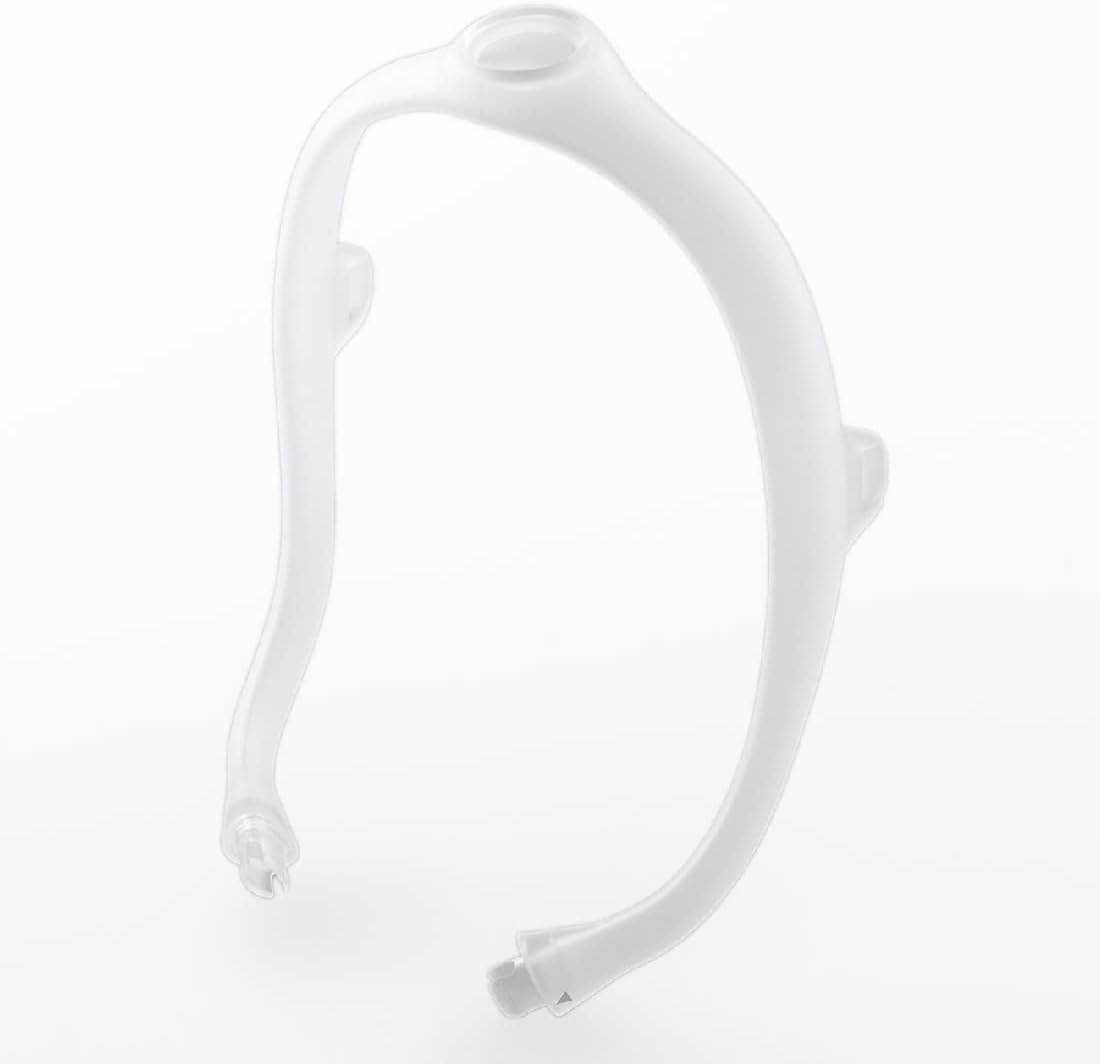
Respironics
Frame for Dreamwear Nasal/Gel/Full Face: Medium Size, 1 Count (Pack of 1)
See current price

RespLabs Medical Inc.
resplabs Hose Replacement - 6 Foot Universal Tubing Compatible with All ResMed and Philips Respironics Machines
See current price


Philips Respironics
Water Chamber Tub for Philips Respironics DreamStation Humidifier - 1122520
See current price
Philips Respironics
Water Chamber Tub for Philips Respironics DreamStation Humidifier - 1122520
See current price
Philips Respironics
Water Chamber Tub for Philips Respironics DreamStation Humidifier - 1122520
See current price

Respironics
Standard Plastic Tubing for Philips Respironics DreamStation-15mm-PR15 , 6ft
See current price
Respironics
Standard Plastic Tubing for Philips Respironics DreamStation-15mm-PR15 , 6ft
See current price

Respironics
Replacement Elbow/Swivel for Philips Respironics Dreamwear Nasal Mask,1116748 (Original Version)
See current price

RespLabs Medical Inc.
resplabs CPAP Filters - Compatible with The Philips Respironics DreamStation 1 Machine. 6 Disposable, 3 Reusable - 9 Filter Pack
See current price


Care Touch
Care Touch CPAP Wipes | Alcohol-free CPAP Cleaner | 3 Packs of 70 Scented CPAP Mask Wipes (210 Total)
See current price

Future Diagnostics USA
Care Touch CPAP Mask Cleaning Wipes - Scented | 70 Scented Cleaning Wipes for CPAP Masks | Made in The USA
See current price
Popular brands in Respiratory Aids & Accessories
Respiratory aids and accessories can support breathing routines, sleep equipment, home care, and the upkeep of compatible devices. The right choice depends on the equipment being used, the user’s care plan, and details such as fit, connection type, cleaning needs, and replacement schedules.
K-Catalog organizes products in the Respiratory Aids & Accessories category so shoppers can compare specifications and features in one place. Use product descriptions carefully, and consult a qualified healthcare professional when equipment is part of prescribed respiratory care.
How to choose respiratory aids and accessories
Start by identifying the specific task the product needs to perform. An accessory for a positive airway pressure setup may not work with another system, while a general comfort or maintenance item may have different requirements. Check the product description for intended equipment, connection details, sizing information, and included components.
Important questions to ask include:
- Is the item intended for a particular device, mask style, tubing setup, or interface?
- Does it come in a suitable size, shape, or configuration?
- Is it a replacement part, an add-on accessory, or a standalone aid?
- What cleaning, drying, storage, or replacement routine does it require?
- Does the product description identify any restrictions or clinician-directed uses?
When compatibility is unclear, compare the product specifications with the equipment documentation or contact the manufacturer before purchasing.
Common types in this category
Respiratory aids and accessories may include equipment-related replacement parts, mask and interface accessories, tubing components, filters, connectors, cushions, headgear, and cleaning or storage supplies. The exact features vary by product, so shoppers should focus on how each item fits into an existing routine rather than choosing by name alone.
Some products are designed to improve the fit or comfort of a respiratory interface. Others help maintain airflow pathways, replace worn components, or keep compatible equipment organized. If the item will be used during sleep, the related Sleep & Snoring category may provide useful context for comparing sleep-related care products.
For general home health needs, shoppers may also want to browse First Aid or Over-the-Counter Medication. These categories cover different types of health products and should not be treated as substitutes for respiratory equipment or professional medical guidance.
Specifications and features to compare
Compatibility is often the first specification to verify. Look for named device families, attachment styles, tubing diameters, connector types, or other manufacturer-provided compatibility information. A product that appears similar may still be unsuitable if the connection or design differs.
Fit and sizing matter for components worn on the face or head. Review available size options, adjustment features, materials, and the part being replaced. A replacement cushion, strap, or interface should correspond to the correct equipment design.
Materials and construction can affect comfort, flexibility, durability, and cleaning. Examine whether the product uses soft or rigid components, removable parts, sealed sections, or washable materials. Follow the manufacturer’s instructions rather than assuming a component can be cleaned or disinfected in the same way as another item.
Included pieces are also worth checking. Some listings may contain one replacement component, while others may include several related parts. Confirm what is included before comparing products, particularly when replacing a complete assembly.
Brands represented in the catalog
The catalog includes respiratory products from ResMed, Respironics, Philips Respironics, Westmed, Philips, Medihealer, Fisher & Paykel, Snugell, RespLabs Medical Inc., MARS WELLNESS, ItAll, and Fisher & Paykel Healthcare. These brands may appear across different types of equipment and accessories, so brand familiarity alone is not enough to establish compatibility.
Compare the specifications for the exact product, including intended equipment, dimensions, materials, included components, and care instructions. Manufacturer documentation can be especially useful when replacing a part on a device already in use.
Safe use and maintenance tips
Use respiratory equipment only as directed by its manufacturer and, where applicable, a healthcare professional. Do not alter connectors, tubing, masks, or other components to make an incompatible item fit. If a product is part of prescribed therapy, confirm substitutions with the prescribing clinician or equipment provider.
Keep reusable components clean and completely dry according to the care instructions. Inspect parts for visible wear, cracking, deformation, damaged seals, or other changes that could affect fit or function. Replace components according to the manufacturer’s guidance, and stop using an item if it causes unexpected discomfort or appears damaged.
For questions involving breathing difficulty, worsening symptoms, or an urgent health concern, seek professional medical assistance rather than relying on an accessory or product listing.
Frequently asked questions
How do I know whether an accessory will fit my equipment?
Check the listing for compatible devices, connection details, dimensions, and part descriptions. Compare those details with your equipment manual or contact the manufacturer when uncertain.
Are respiratory accessories interchangeable between brands?
Not necessarily. Similar-looking parts may use different connections, sizing, or attachment systems. Verify compatibility before selecting a replacement.
How often should respiratory components be replaced?
Replacement timing depends on the component, how it is used, its condition, and the manufacturer’s instructions. Inspect parts regularly and follow the applicable care guidance.
Can I wash every respiratory accessory?
No. Cleaning methods vary by material and component. Use only the cleaning, drying, and disinfection methods specified for that product.
Should I ask a healthcare professional before choosing respiratory equipment?
If the product supports prescribed therapy, changes how a device is used, or is intended for a medical condition, consult a qualified healthcare professional before making a substitution.