

Securing Straps for Material Handling
Compare securing straps for holding, bundling, and stabilizing materials during handling or transport. Review construction, fastening style, capacity information, and fit before choosing.
80 products in catalog
80 results
Filters
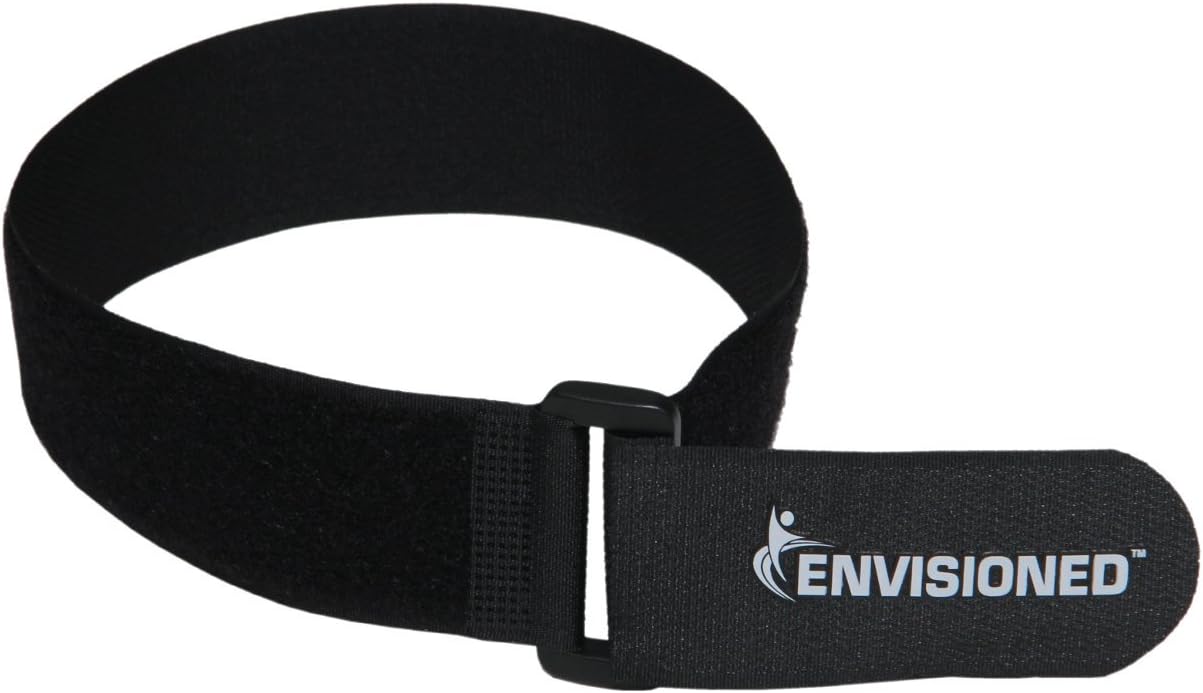



TJMデザイン(TJM Design)
Tajima GASFG3GLM2550BL Convex Rigid Thick Tape, 16.4 x 1.0 inches (5 x 25 mm), Rigid Thickness Safety Conveyor G3 Gold Rock Mug Claw 25
See current price
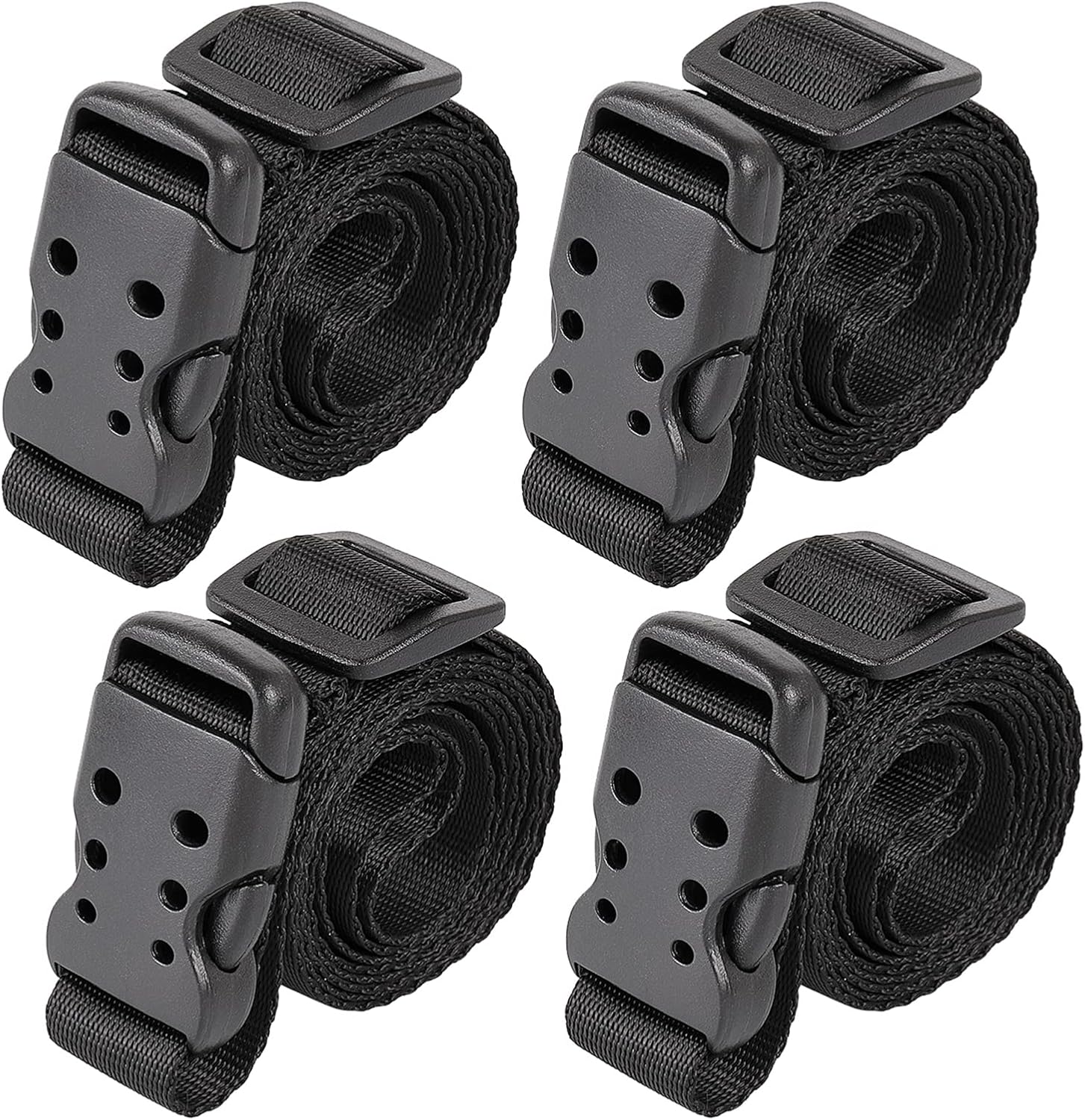
Ayaport
Ayaport Utility Straps with Buckle 40" Quick-Release Adjustable Nylon Straps Black 4 Pack
See current price


ROK Straps
ROK Straps ROK-10306 Black/Orange 12" - 42" Pack Adjustable Stretch Strap
See current price


SECURE IT QUICK
Straps & Buckles - Cinch Tie Down CAM Cargo Utility Lashing Straps - 1" Wide Heavy Duty Webbing (120" CAM - 2 PK, Black)
See current price


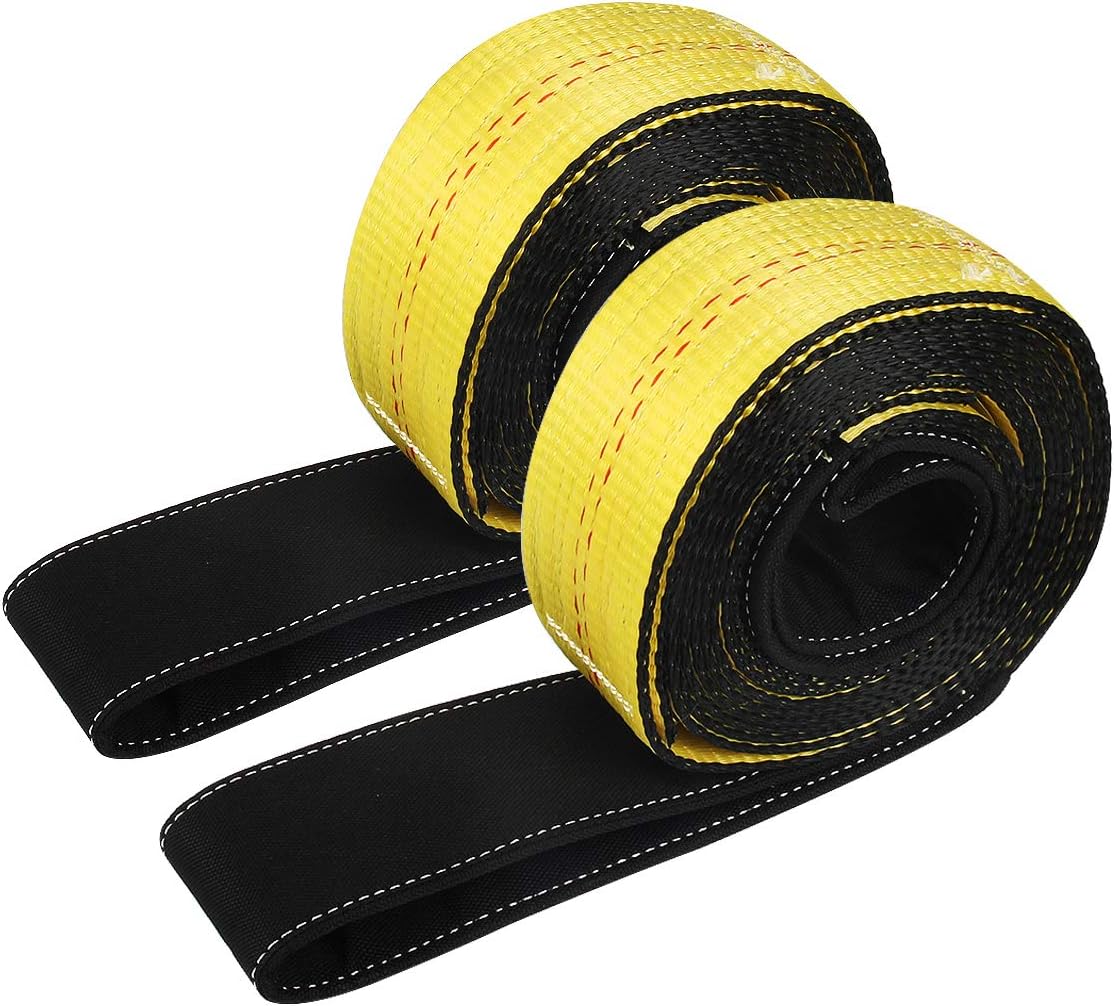
Trekassy
Trekassy 2 Pack 6' x 2" Lift Sling Straps 10,000lbs Max Vertical Break Strength Capacity
See current price


Mobile Home Parts
Mobile Home Part Set of 4 Auger Anchors; 4-8 ft Tie Down Strap, 4 Bolts
See current price
Popular brands in Securing Straps
Securing straps help keep loads, equipment, and materials in place during movement, storage, or handling. The right strap depends on what is being secured, how much tension is required, how often it will be used, and whether the strap must be adjusted quickly or tightened firmly.
This K-Catalog selection makes it easier to compare product specifications and features from brands represented in the catalog. Use the manufacturer’s information to confirm suitability for the intended load and working environment.
How to choose securing straps
Start by identifying the load and the direction of movement. A strap used to bundle materials may have different requirements from one used to restrain cargo on a vehicle or stabilize equipment during lifting preparation. Consider:
- Working load limit: Look for the stated working load limit or rated capacity, and compare it with the actual application. Do not confuse working load information with breaking strength.
- Strap length and width: The strap must reach around or across the load while leaving enough room for the fastening mechanism and adjustment.
- Material: Webbing materials differ in flexibility, abrasion resistance, moisture handling, and resistance to sunlight or chemicals. Match the material to the work environment.
- Hardware: Buckles, hooks, loops, and other attachment points affect how the strap connects and tightens.
- Frequency of use: A quick-adjust strap may suit repeated handling, while a ratcheting design may be preferable when more controlled tension is needed.
Always follow the product instructions and any workplace requirements for load restraint. A strap should not be selected solely because it looks wide or heavy-duty; its complete rated assembly and intended use matter.
Common types of securing straps
Securing straps are available in several functional styles, even when they are grouped under one broad category. Understanding the fastening method can narrow the selection.
Ratchet straps
Ratchet straps use a mechanical tightening mechanism to apply tension and help keep it consistent. They are often considered when a load needs firm restraint or when manual tightening alone may not provide enough control. Compare the ratchet design, attachment hardware, strap material, and rated capacity.
Cam buckle and quick-adjust straps
Cam buckle straps are convenient when fast adjustment and release are more important than high mechanical tension. They can be useful for lighter-duty bundling, securing items temporarily, or applications where the strap needs to be repositioned often.
Loop, hook, and specialty attachment straps
Some straps are designed around particular attachment methods, such as sewn loops, hooks, or anchor-compatible ends. Check whether the hardware will fit the available tie-down points without slipping, bending, or contacting a delicate surface.
For related equipment used to move or position loads, browse Pulling & Lifting and Material Transport Equipment.
Specifications and features to compare
Product descriptions can vary, so compare the full specification set rather than focusing on one feature. Pay attention to:
- Overall assembly rating: Confirm that the rating applies to the complete strap and hardware combination.
- Webbing construction: Look for information about weave, edge treatment, stitching, and resistance to abrasion or environmental exposure.
- Tensioning mechanism: Consider how easily it can be operated while wearing work gloves and whether it allows controlled tightening and release.
- Attachment configuration: Hooks and loops should match the anchor points and load shape. Protective surfaces may be useful when metal hardware could cause damage.
- Storage and portability: Compact straps can be easier to carry between work areas, while longer assemblies may be needed for bulky loads.
- Color or identification details: These can help distinguish straps by task, length, or intended use when several assemblies are stored together.
Do not exceed the stated capacity, use a damaged strap, or add improvised knots and extensions unless the manufacturer specifically permits that method.
Brands represented in the catalog
The catalog includes securing strap products from MAGARROW, ENVISIONED, Ayaport, Forearm Forklift, Trekassy, JCHL, Gates, TCH, Baheel, Ytonet, HOLLY TRIP, and UCEDER. These brands provide options to compare across construction, fastening style, attachment design, and intended application. Product pages should be checked for the exact specifications of each item rather than assuming that similar-looking straps have the same rating or use case.
If your project involves rolling equipment, Casters may be relevant. For other load-handling tools, the broader Material Handling Products category can help you compare adjacent equipment types.
Inspection, use, and care tips
Inspect webbing, stitching, hooks, buckles, and ratchets before each use. Fraying, cuts, melted fibers, severe abrasion, corrosion, deformation, or missing components can compromise the assembly. Keep straps clean and dry when possible, and store them away from sharp edges, heat, chemicals, and prolonged sunlight unless the product is specifically designed for those conditions.
Protect the strap from sharp corners and avoid twisting the webbing during installation. Make sure the load is stable before tensioning, and release tension carefully so the strap or hardware does not move unexpectedly. Follow site procedures and the manufacturer’s guidance for securing, transporting, and inspecting loads.
Frequently asked questions
What are securing straps used for?
They are used to hold, bundle, stabilize, or restrain materials and equipment during handling, transport, or storage. The suitable style depends on the load and application.
How do I select the correct strap capacity?
Determine the load requirements and compare them with the manufacturer’s stated working load limit for the complete assembly. Include the effect of attachment points and the restraint configuration.
Are ratchet straps stronger than cam buckle straps?
Not automatically. The capacity depends on the webbing, hardware, stitching, and product design. Ratchets provide mechanical tensioning, while cam buckles emphasize quick adjustment and release.
How long should a securing strap be?
Choose a length that reaches the anchor points or wraps the load as required, with sufficient material for safe fastening and adjustment. Avoid excess slack or a connection that leaves too little usable strap.
When should a strap be replaced?
Replace it when the webbing, stitching, hardware, or tensioning mechanism shows damage, excessive wear, deformation, corrosion, or another condition identified by the manufacturer as unsafe.