

Pulling & Lifting Equipment
Compare pulling and lifting equipment for workshops, warehouses, job sites, and other material-handling applications. Review capacity, construction, operation, and compatibility before choosing a product.
527 products in catalog
527 results
Filters


WishDirect
WishDirect Vinyl Siding Hooks (4 Pack), Heavy Duty Stainless Steel Low Profile No-Hole Hanger Hooks
See current price
WishDirect
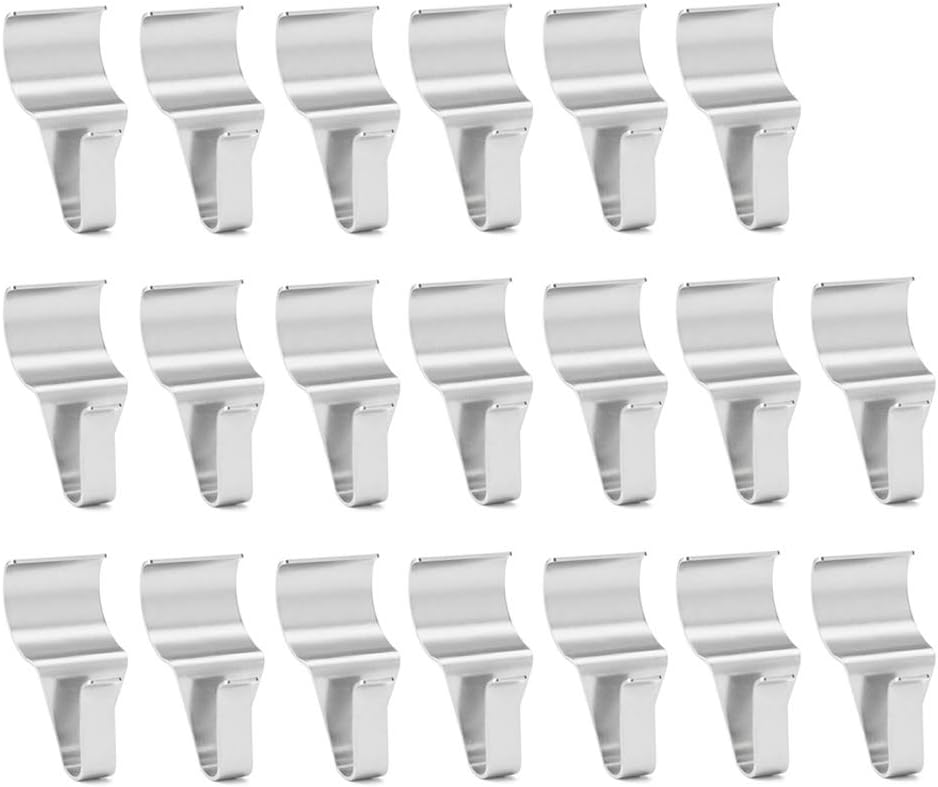
WishDirect Vinyl Siding Hooks (20 Pack), Heavy Duty Stainless Steel Low Profile No-Hole Hanger Hooks
See current price

WishDirect
WishDirect Vinyl Siding Hooks (6 Pack), Heavy Duty Stainless Steel Low Profile No-Hole Hanger Hooks
See current price

WishDirect
WishDirect Vinyl Siding Hooks (10 Pack), Heavy Duty Stainless Steel Low Profile No-Hole Hanger Hooks
See current price


Nite Ize
Nite Ize NCJSA-29-R3 CamJam XT Aluminum Tie Down Rope Tightener with Carabiner Clip, Black
See current price


Forney
Forney 70452 Wire Rope, Vinyl Coated Aircraft Cable, 250-Feet-by-1/8-Inch thru 3/16-Inch
See current price


RANGER ULTRANGER
RANGER (2 Tons 4,500 LBs) Commercial Reliability Snatch Block by Ultranger
See current price
Popular brands in Pulling & Lifting
Pulling and lifting equipment helps move, raise, position, or secure heavy materials with greater control than manual handling alone. The right choice depends on the load, movement required, working environment, and how often the equipment will be used.
This K-Catalog category brings together products for material-handling tasks so shoppers can compare specifications and features before visiting Amazon for current purchasing information. For a broader view of the category, see Material Handling Products.
How to choose pulling and lifting equipment
Start by defining the job rather than choosing by appearance or size. A device designed to pull a load horizontally may not be suitable for suspending or raising it. Consider these factors:
- Load capacity: Confirm the rated capacity meets the intended load, including any accessories or attachments. Avoid selecting equipment based only on the average weight of the materials being moved.
- Direction of movement: Decide whether the task involves lifting, pulling, tensioning, positioning, or a combination of these actions.
- Reach and working distance: Check cable, chain, strap, handle, hook, or line length against the space available for the job.
- Operating environment: Dust, moisture, chemicals, heat, outdoor exposure, and limited clearance can affect which materials and finishes are appropriate.
- Control and handling: Manual equipment may suit occasional tasks, while powered or mechanically assisted options can reduce effort during repeated work.
- Mounting and attachment: Make sure the product can connect securely to the anchor point, load, beam, frame, or other supporting structure.
Common types to compare
Pulling and lifting products are available in several formats, each suited to different work patterns. Hand winches and come-along-style pullers are commonly considered for controlled horizontal movement or tensioning. Chain hoists and lever-operated hoists are often evaluated when a load must be raised or positioned with manual control. Pulleys and related lifting components may be useful when changing the direction of a line or reducing the effort required for a task.
Magnetic lifting products can be relevant when handling compatible ferrous materials, but the load surface, shape, and operating conditions must be checked carefully. Browse Industrial Magnets when magnetic handling is part of the application.
For loads that must remain secured during transport or storage, compare the options in Securing Straps. When the primary need is moving equipment across a floor rather than lifting it, Casters and Material Transport Equipment may be more suitable categories.
Key specifications and features
Product listings should be compared using the specifications that affect safe, practical operation:
- Rated lifting or pulling capacity and any stated working-load information
- Construction materials and corrosion-resistant finishes
- Hook, shackle, eye, magnet, or other attachment design
- Cable, chain, rope, or strap type and usable length
- Handle, lever, brake, lock, or control mechanism
- Mounting requirements and available clearance
- Product dimensions, operating weight, and storage needs
- Compatibility with the load and any required accessories
A compact product may be easier to carry but offer less reach or mechanical advantage. A larger unit may provide more capability while requiring a stronger anchor point and more room to operate. Read the manufacturer’s instructions and capacity markings before use, and never exceed the stated limits.
Brands represented in the catalog
The catalog includes products from BIG RED, FINDMAG, Pro-LifT, Nite Ize, Wukong, MHDMAG, HEVERP, DIYMAG, VEVOR, King Kong Magnetics, ROIS-SHOP, and AKRON PRODUCTS. Brand availability can vary by product type, so compare the specifications of individual listings rather than selecting by brand name alone.
Application and safety considerations
Inspect load-bearing components before each use. Look for bent hooks, damaged chains or cables, worn straps, cracked housings, loose fasteners, or signs of corrosion. Confirm that anchors and support structures are rated for the intended load and that the load will remain balanced throughout the movement.
Keep people clear of suspended or tensioned loads, and avoid placing hands near pinch points. Use compatible lifting accessories, follow the manufacturer’s operating instructions, and select equipment designed for the environment. For drums and pails, specialized Drum & Pail Handling Equipment may provide a more appropriate solution than general-purpose lifting gear.
Frequently asked questions
What is the difference between pulling and lifting equipment?
Pulling equipment is generally used to draw, tension, or position a load, while lifting equipment raises a load. Some products may support both functions, depending on their design and rating.
How do I determine the required capacity?
Identify the maximum total load, including attachments, and compare it with the product’s stated capacity. The anchor point and supporting structure must also be suitable for the application.
Can a pulling device be used for overhead lifting?
Not automatically. Use a product for overhead lifting only when its specifications and instructions explicitly support that application.
What should I check before buying?
Compare capacity, movement direction, reach, attachment points, construction, controls, dimensions, mounting needs, and compatibility with the intended load.
What category is useful for moving loads across a floor?
Caster and Material Transport Equipment listings may be more appropriate when rolling movement is the main requirement rather than lifting or pulling.