

Material Transport Equipment
Compare material transport equipment for warehouses, workshops, facilities, and job sites. Review dimensions, load capacity, mobility, and handling features to narrow your options.
319 products in catalog
319 results
Filters


Welcom
Magna Cart Personal 150 lb Capacity Aluminum Folding Hand Truck (Black/Red), 1 Pack
See current price


Barbra Streisand (Actor), Walter Matthau (Actor) Rated: G Format: Laser Disc
HELLO, DOLLY! starring BARBRA STREISAND - WALTER MATTHAU - MICHAEL CRAWFORD - LOUIS ARMSTRONG
See current price


Harper Trucks
Harper Trucks PGDY8635P 700 lb Capacity Glass Filled Nylon Convertible Hand Truck and Dolly,Black, Pack of 6
See current price

WEN
WEN 1320 lbs. Capacity 18 in. x 30 in. Hardwood Furniture Moving Dolly, Two Pack
See current price


dbest products
dbest products Stair Climber Bigger Trolley Dolly, Black Grocery Shopping Foldable Cart Condo Apartment 44 Inch
See current price


Amazon Basics
Amazon Basics Folding Shopping Cart Converts into Dolly, 40 inch Handle Height, Red
See current price

Amazon Basics
Amazon Basics Folding Shopping Cart Converts into Dolly, 36 inch Handle Height, Red
See current price

Amazon Basics
Amazon Basics Folding Shopping Cart Converts into Dolly, 36 inch Handle Height, Black
See current price

Amazon Basics
Amazon Basics Folding Shopping Cart Converts into Dolly, 40 inch Handle Height, Black
See current price

Amazon Basics
Amazon Basics Folding Shopping Cart Converts into Dolly, 40 inch Handle Height, Blue
See current price
Popular brands in Material Transport Equipment
Material transport equipment helps move supplies, tools, containers, and other loads through workplaces more efficiently. The right choice depends on the load itself, the route it must travel, available storage space, and how much control the operator needs.
This K-Catalog category brings together equipment for routine handling tasks across industrial, commercial, maintenance, and facility settings. Use the listed specifications and features to compare designs before checking the current product details on Amazon.
How to choose material transport equipment
Start by describing the complete handling task rather than choosing by appearance alone. Consider:
- Load type: Boxes, equipment, irregular objects, containers, and loose materials may require different support surfaces or restraints.
- Working load: Check the stated capacity and allow an appropriate margin for the loads you expect to move. Never assume a larger-looking frame has a higher capacity.
- Travel path: Doorways, aisles, ramps, thresholds, elevators, and uneven floors affect the suitable wheel type, frame size, and turning radius.
- Handling frequency: Occasional light-duty movement may call for a compact tool, while repeated transport can justify a more durable design with ergonomic controls.
- Storage: Foldable or nesting equipment can be useful where floor space is limited, while fixed frames may suit dedicated work areas.
For a broader view of related handling solutions, browse Material Handling Products.
Common equipment types to compare
Material transport equipment can include several distinct formats, each suited to a different workflow.
Hand trucks and stair-climbing designs support upright loads and can be useful where a narrow footprint matters. Compare handle height, wheel arrangement, toe plate dimensions, frame construction, and any features intended to help with stairs or curbs.
Platform trucks and carts provide a flat surface for cartons, tools, and equipment. Look at platform dimensions, edge lips, handle configuration, wheel layout, and whether the design is intended for pushing, pulling, or both.
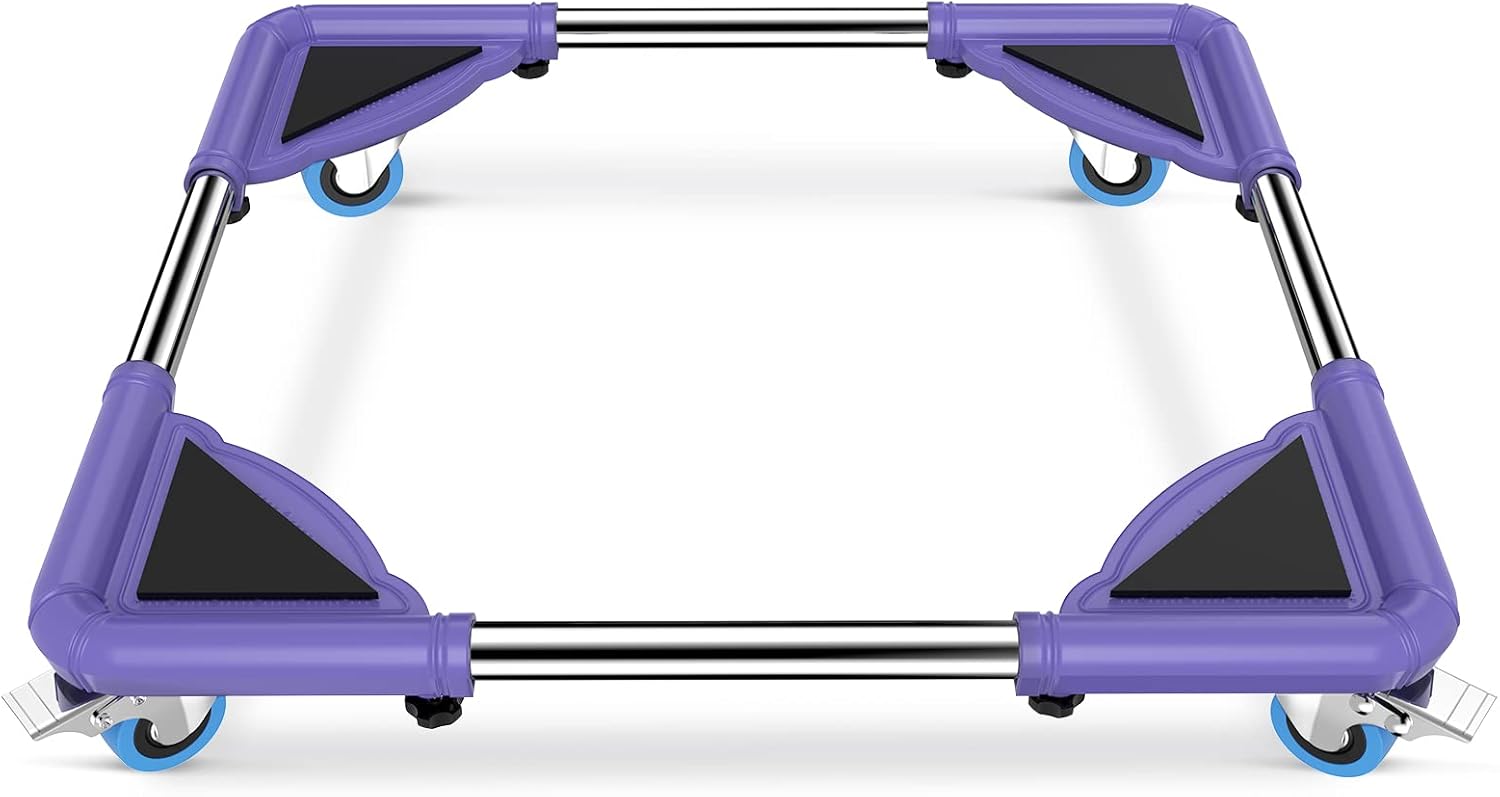
Dollies and moving platforms are often selected for bulky items that can rest on a low base. Check the deck shape, clearance, wheel placement, and load distribution requirements.
Special-purpose transport tools may be designed around particular containers, appliances, or maintenance tasks. These products should be compared for compatibility first, including the object’s dimensions, weight, center of gravity, and points of contact.
When a task involves raising or repositioning a load rather than simply rolling it, Pulling & Lifting may be a useful related category to explore.
Key features and specifications
Specifications often reveal more about suitability than product names. Pay close attention to:
- Capacity and weight: Confirm both the rated load and the equipment’s own weight, especially when it must be carried, stored, or loaded into a vehicle.
- Overall dimensions: Compare height, width, length, and platform size with the spaces where the equipment will operate.
- Wheels and casters: Wheel diameter, tread material, swivel behavior, brakes, and total wheel count influence maneuverability and floor protection. See Casters for related component options.
- Frame and surface materials: Steel, aluminum, molded materials, and other construction choices can affect durability, weight, corrosion resistance, and cleaning requirements.
- Ergonomics: Handle shape, grip position, push height, balance, and foot clearance can make a meaningful difference during repeated use.
- Security and containment: Retaining lips, straps, shelves, panels, or other load-control features may help prevent shifting during movement.
Do not compare capacity in isolation. A transport tool can have an adequate rating but still be a poor match if the load is unstable, too wide for the platform, or difficult to control on the intended route.
Brands represented in the catalog
The catalog includes material transport options from dbest products, Harper Trucks, FCH, Goplus, Amazon Basics, Rubbermaid, UpCart, Etonomy, Shepherd Hardware, MaxWorks, Mount-It!, and Milwaukee. Brand availability can vary by product type, so compare the specifications of individual listings rather than relying on the brand name alone.
Safe and practical use
Inspect wheels, fasteners, handles, platforms, and brakes before use. Keep the load centered and low when possible, and secure items that could slide, tip, or fall. Avoid exceeding the stated capacity or using equipment on surfaces and inclines outside its intended application.
For containers that need to be moved or positioned, Drum & Pail Handling Equipment may be more suitable than a general-purpose cart. Loads that need magnetic pickup or separation may instead relate to Industrial Magnets. If equipment will be transported on a vehicle or trailer, review Securing Straps as a separate solution for restraint.
Frequently asked questions
What is material transport equipment used for?
It is used to move loads through workplaces, including warehouses, workshops, facilities, stores, and job sites. The equipment may support, carry, roll, or reposition materials.
How do I choose the right load capacity?
Identify the heaviest expected load, include the way its weight will be distributed, and compare that requirement with the manufacturer’s stated capacity. Leave a sensible operating margin.
Are carts or hand trucks better for moving loads?
Neither is universally better. Hand trucks suit upright loads and narrow paths, while carts and platform trucks can support multiple items or wider loads. The route and load shape should guide the choice.
Why do wheel and caster specifications matter?
They affect rolling resistance, turning, floor contact, stability, and performance over thresholds or uneven surfaces. Match them to the floor and route where the equipment will be used.
What should I check before buying?
Compare capacity, dimensions, wheel configuration, materials, handle design, braking or restraint features, storage needs, and compatibility with the load and travel path.