
Automotive Sensors
Compare automotive replacement sensors by vehicle fit, sensor function, connector design, and technical specifications. Use the catalog to narrow compatible options before checking the current price on Amazon.
673 products in catalog
673 results
Filters


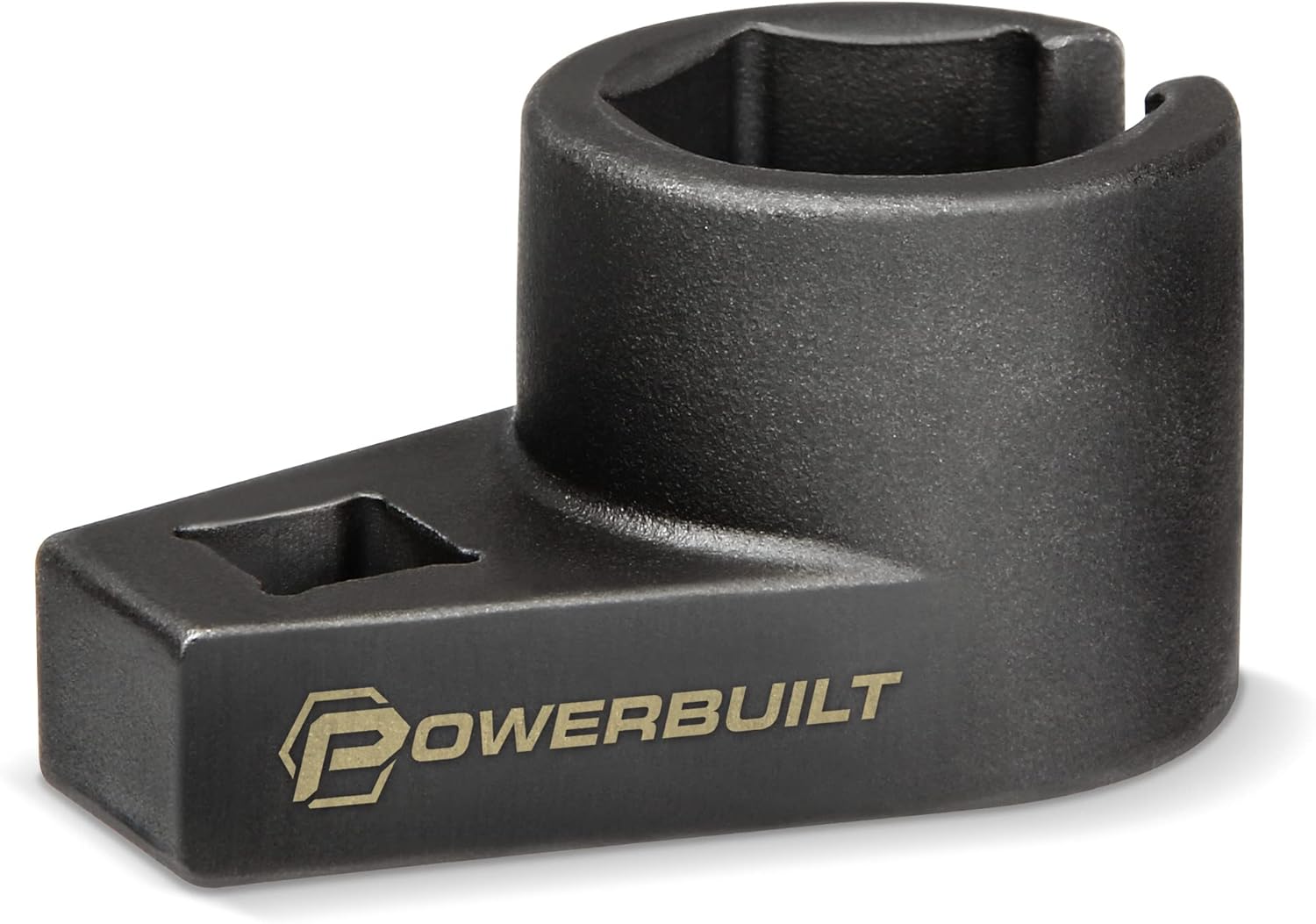


Dorman
Dorman 917-033 Ignition Knock (Detonation) Sensor Connector Compatible with Select Models
See current price


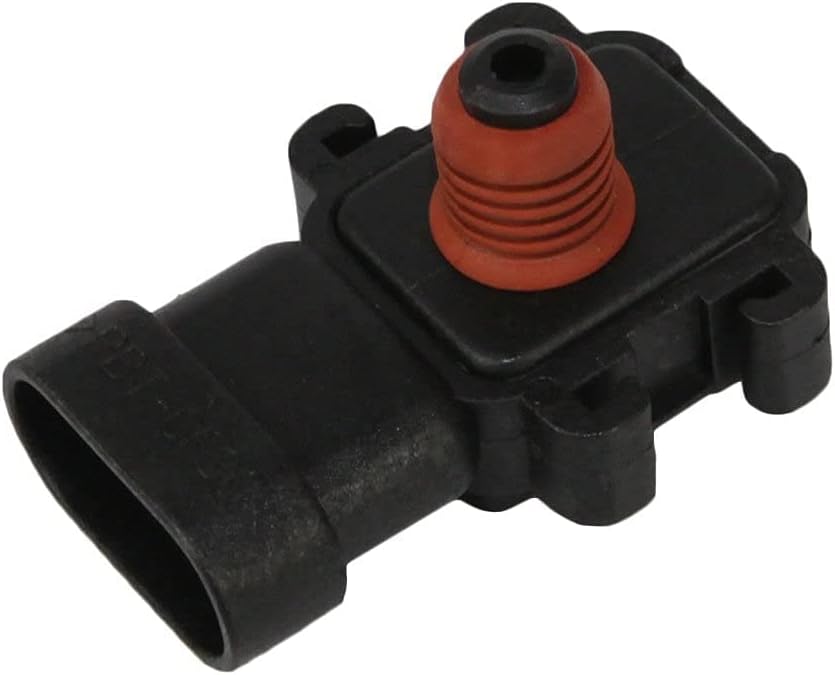


Partschoice
Mass Air Flow Meter Sensor MAF Compatible with Volvo C70 S60 S80 V50 V70 XC70 XC90 Fit 0280218088 8670115
See current price


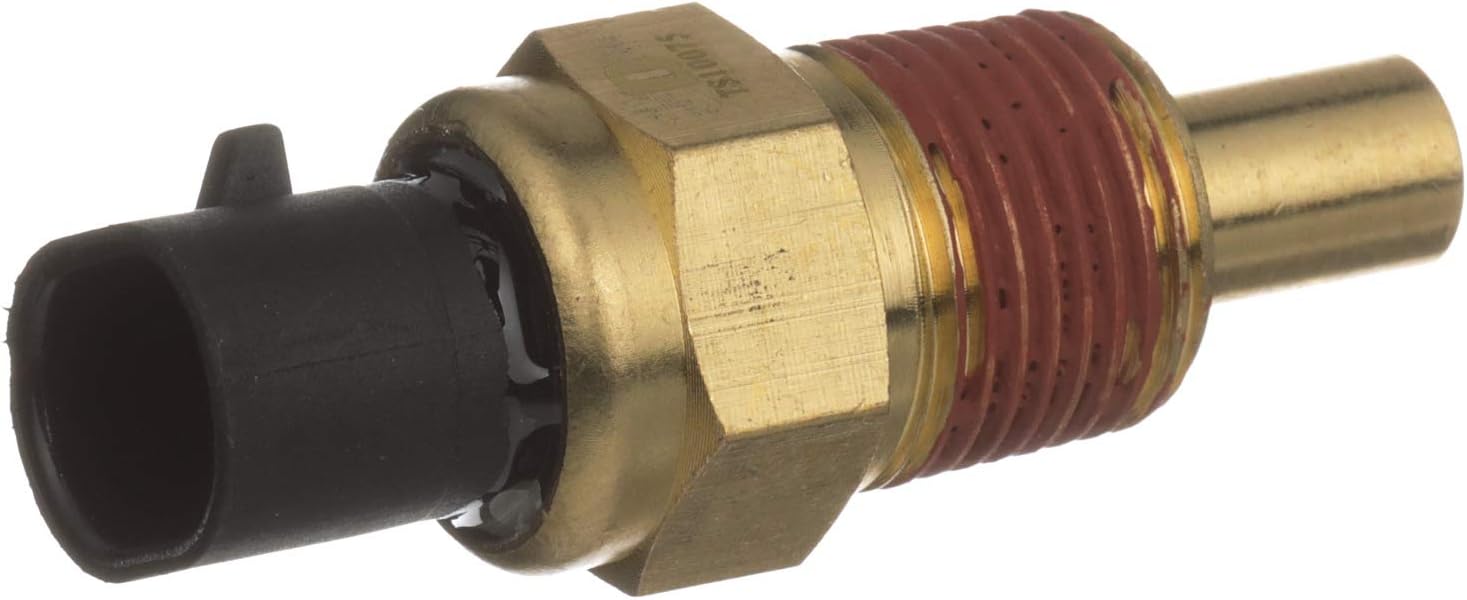

MOSTPLUS
MOSTPLUS EGR Valve Pressure Feedback Sensor Compatible for 1994-2010 Ford Lincoln Mazda VP8
See current price
Popular brands in Sensors
Automotive sensors monitor conditions throughout a vehicle and send information to the engine, transmission, safety systems, or dashboard. A replacement sensor must match the vehicle and system it serves, so application details are more important than appearance alone.
K-Catalog helps shoppers compare sensor specifications and features across a broad selection of automotive replacement parts. Confirm the exact application and connector details before selecting an option to view on Amazon.
How to choose the right automotive sensor
Start with the vehicle’s year, make, model, engine, drivetrain, and any other application information shown in the product listing. The same vehicle name can use different sensors depending on engine configuration, emissions equipment, transmission, or production changes.
Identify the sensor’s position and purpose as precisely as possible. Terms such as upstream, downstream, intake, exhaust, coolant, wheel speed, camshaft, and crankshaft describe different locations or systems. If replacing an existing part, compare its markings, connector, mounting arrangement, and wire routing with the listing photos and specifications.
A diagnostic trouble code can help identify a system that needs attention, but it does not always prove that the sensor itself is the only faulty component. Wiring, connectors, fuses, leaks, contamination, or related parts can produce similar symptoms. Verify the diagnosis and application before ordering.
Sensor types and vehicle systems
Sensors are used in several areas of a vehicle rather than one single system. Common applications include:
- Engine and emissions sensors: These can monitor air, fuel, exhaust, temperature, pressure, or engine position to support fuel control and engine management.
- Position and speed sensors: Crankshaft, camshaft, wheel speed, and other position sensors provide movement or rotational information to vehicle systems.
- Temperature and pressure sensors: These measure conditions such as coolant temperature, oil pressure, intake pressure, or other fluid and air characteristics.
- Oxygen and air-fuel sensors: These are installed in the exhaust system and are selected by location, connector, vehicle application, and emissions configuration.
- Safety and convenience sensors: Some sensors support systems such as parking assistance, tire-pressure monitoring, or other vehicle controls.
If you are comparing sensors alongside other replacement components, browse Replacement Parts for the broader category. Related Lighting & Electrical and Switches & Relays may also be useful when the issue involves wiring, controls, or power delivery.
Specifications and features to compare
Vehicle compatibility is the first filter. Look for a listing that explicitly identifies the correct application rather than relying only on a visual match. Check engine size, trim, transmission, emissions requirements, and installation position where provided.
Connector and terminal design should match the original part. A plug that looks similar may still have a different keying pattern, terminal arrangement, or wire length. Compare the number and shape of terminals, connector orientation, and included wiring or pigtail details.
Construction and installation can affect fit and serviceability. Compare mounting threads, bolt holes, sensor tip shape, housing design, cable length, and whether a gasket, seal, clip, or other installation hardware is included. Also check whether the part is intended as a direct replacement or requires transferring components from the original.
Electrical and operating specifications may include resistance, voltage range, pressure range, temperature range, sensing technology, or calibration information. When those details are listed, match them to the vehicle’s requirements instead of assuming that all sensors of the same general type are interchangeable.
Brands represented in this catalog
The Sensors catalog includes products from DENSO, ACDelco, MOSTPLUS, YCT, ZBN, Dorman, Bosch Automotive, General Motors, A ABIGAIL, NewYall, Standard Motor Products, and KAX. These brands are represented across the catalog; shoppers should still compare each individual listing’s application data, specifications, connector details, and included components rather than choosing by brand name alone.
Installation and troubleshooting considerations
Use the vehicle service information for torque requirements, sensor location, testing procedures, and any required relearn or calibration steps. Some sensors may need system initialization after installation, while others simply require clearing a diagnostic code after the underlying problem is resolved.
Before installation, inspect the wiring harness and connector for corrosion, loose terminals, damaged insulation, oil, water, or heat damage. Avoid pulling on the wires, and keep sensing elements clean unless the manufacturer’s instructions specify otherwise. For exhaust-mounted or difficult-to-access sensors, allow components to cool and use appropriate tools and safety procedures.
Other replacement categories may help when diagnosing a broader issue. Consider Ignition Parts for engine-start or misfire-related systems, Filters when airflow or fluid condition is involved, and Shocks, Struts & Suspension for suspension-related components. Body & Trim can be relevant for exterior-mounted components and related hardware.
Frequently asked questions
How do I know which sensor fits my vehicle?
Use the vehicle’s year, make, model, engine, drivetrain, emissions configuration, sensor position, and connector details. Cross-check the listing’s application information with the original part and service documentation.
Can a diagnostic code identify the exact sensor to replace?
A code usually points to a system, circuit, or condition rather than proving that one component has failed. Check wiring, connectors, related parts, and the vehicle’s diagnostic procedure before ordering.
Are sensors interchangeable if they look the same?
Not necessarily. Differences in calibration, connector pinout, thread size, cable length, mounting, and operating range can prevent a visually similar sensor from working correctly.
Should I compare the connector before buying?
Yes. Connector shape, terminal arrangement, locking features, and wire length are important fit details. Product photos and specifications can help, but the vehicle application should remain the primary match.
Is installation always a direct replacement?
Some sensors are designed for direct replacement, while others may require transferring hardware, routing a wire correctly, clearing a code, or completing a relearn procedure. Follow the applicable service instructions.