

Small Animal Carriers
Compare small animal carriers by ventilation, access, security, and ease of cleaning. Review specifications to find a practical fit for short trips, appointments, and everyday handling.
51 products in catalog
51 results
Filters

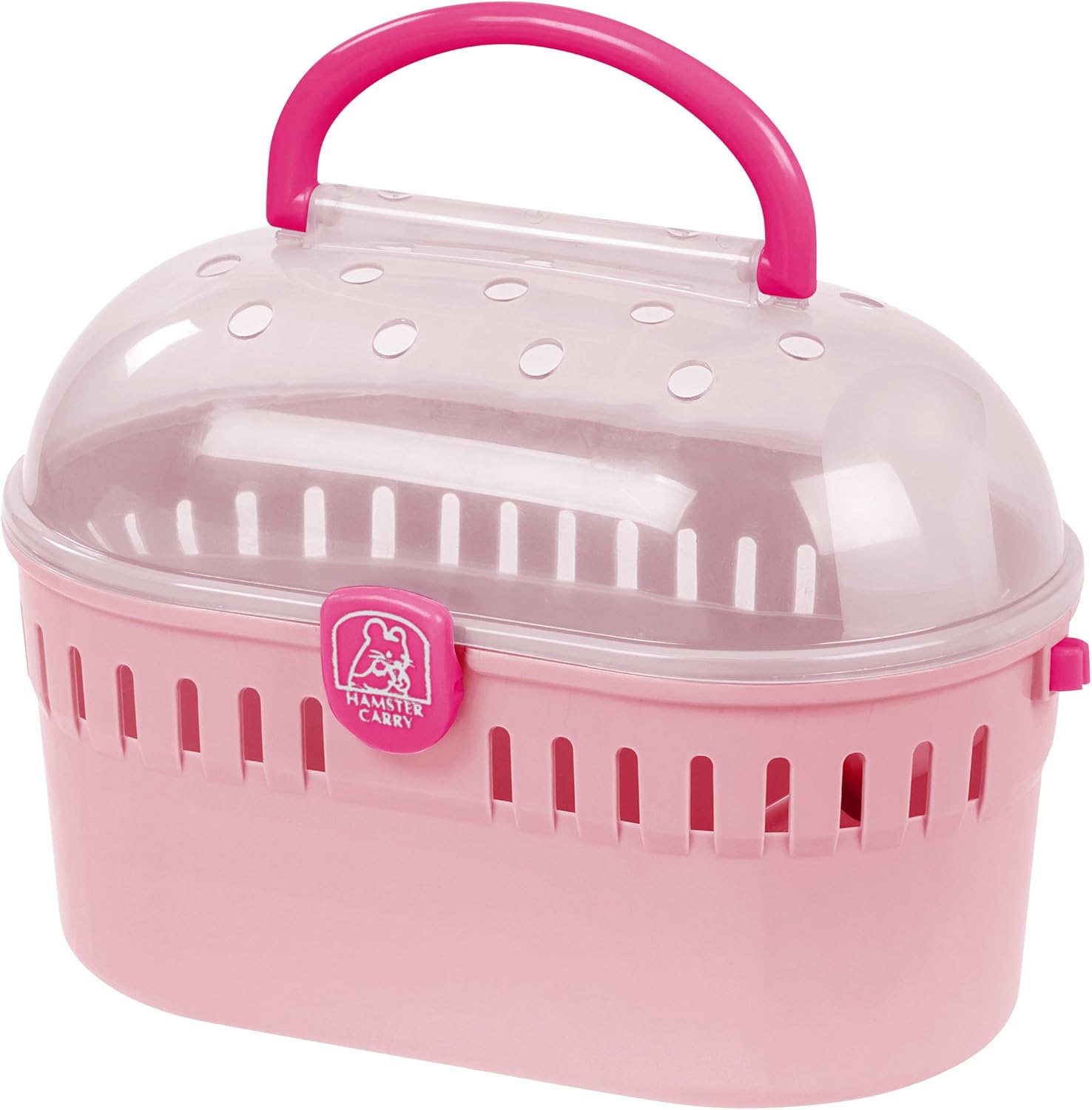
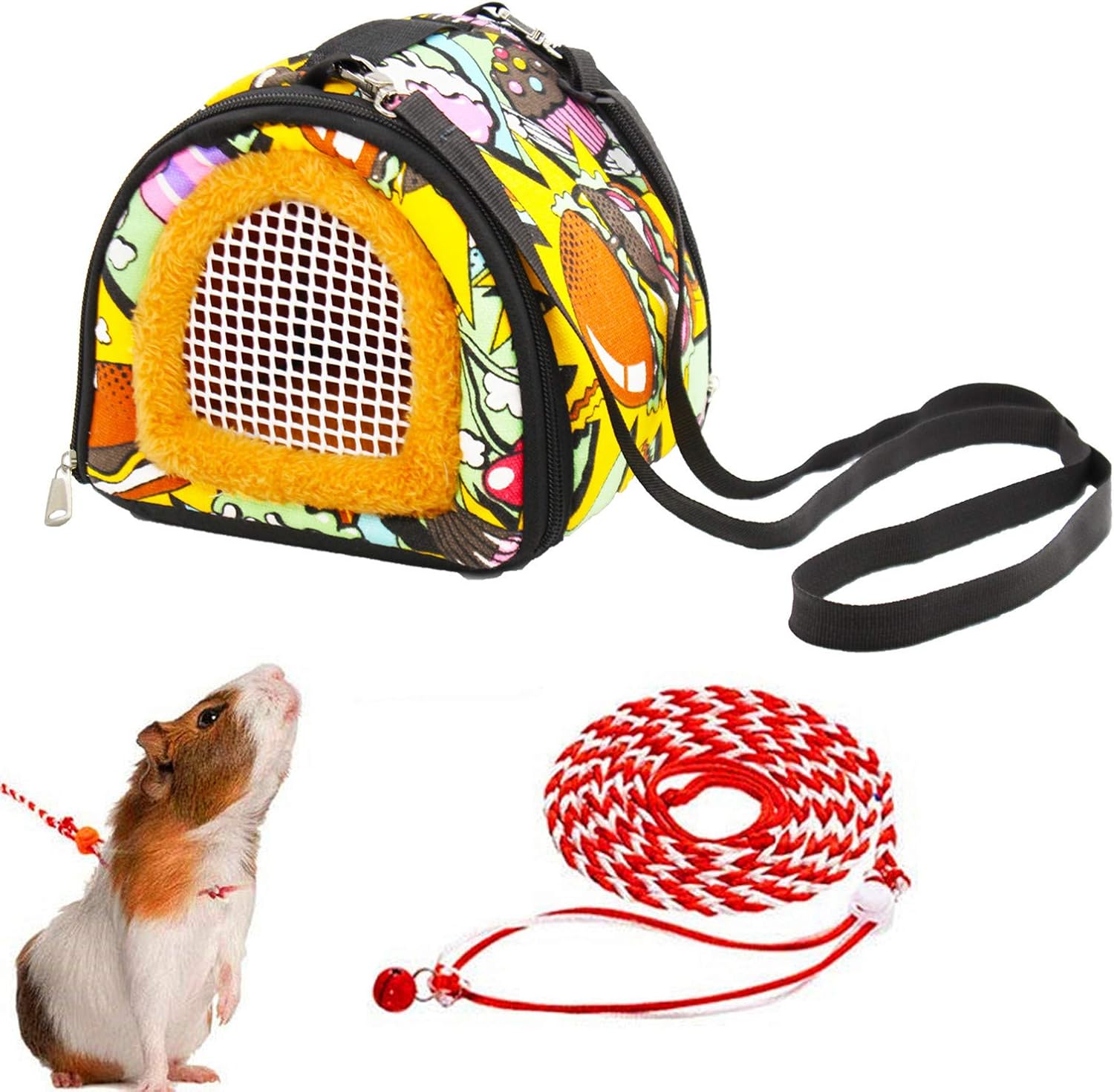


Ware Manufacturing
Ware Manufacturing Twist-N-Go Carrier for Small Pets, Hamsters, Ferrets, Rats, Guinea Pigs - Medium
See current price


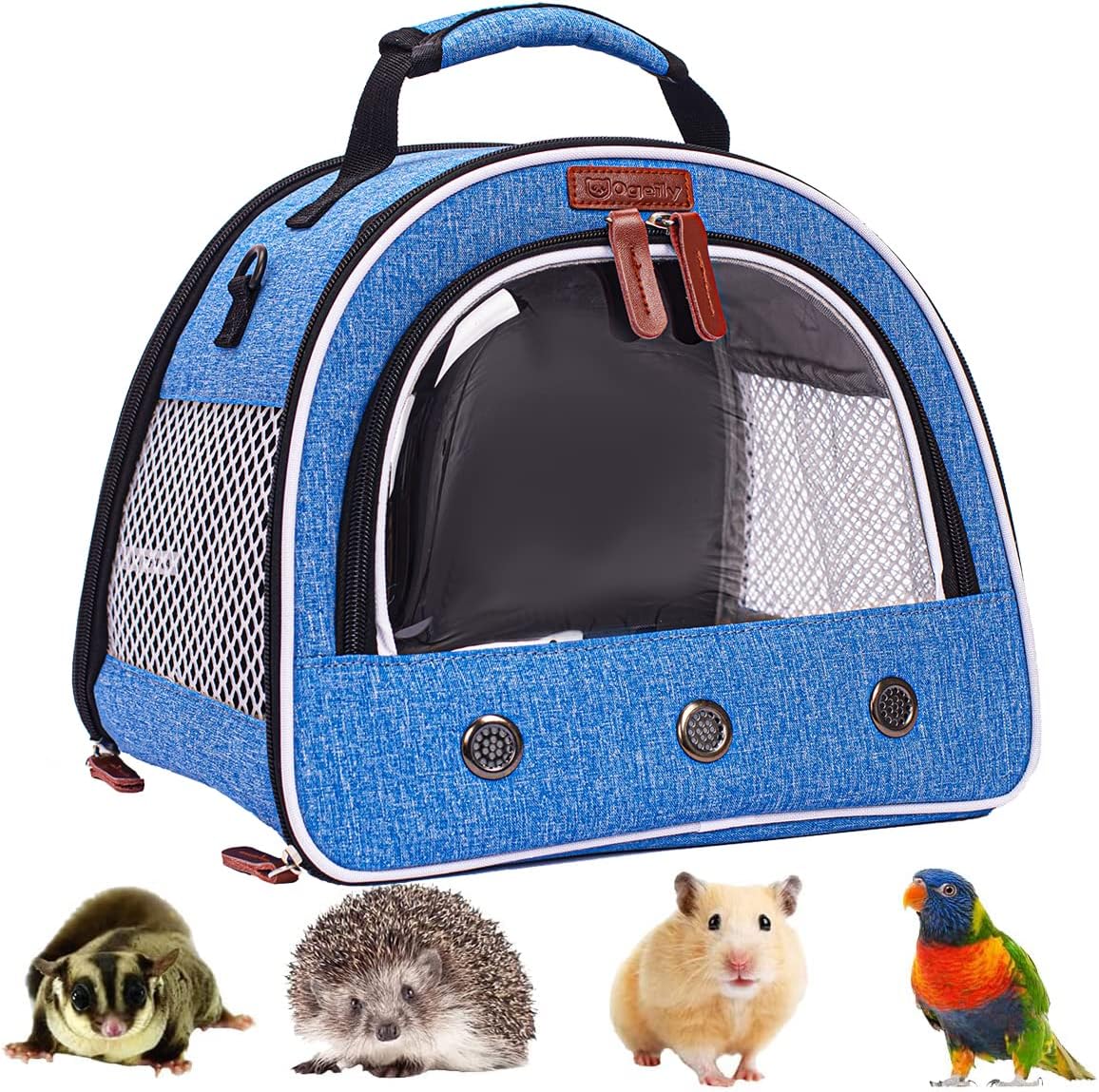

Dukes Digs Quality Pet Products
Critter Cuddler Small Animal Carrier and Bonding Pouch Anti-Anxiety Interactive Play Exercise Ring Therapeutic for Pet & Handler Small Dog Cat Hedgehog Puppy Travel Sling - Made in USA (Black)
See current price

Popular brands in Carriers
A suitable carrier gives a small animal a contained, well-ventilated space during transport while making handling easier for the owner. The right choice depends on the animal’s size and behavior, how far it needs to travel, and whether the carrier will be used occasionally or regularly.
This K-Catalog selection helps shoppers compare carrier specifications and features across listings. For more equipment, browse the broader Small Animals category, then check each product listing for its detailed dimensions and intended use.
How to choose a small animal carrier
Start with the animal’s measurements and the way the carrier will be used. A carrier should provide enough room for the animal to sit, stand, turn around, and settle naturally without leaving so much unused space that the animal slides around during movement. Check the listed interior dimensions rather than relying only on exterior size.
Consider these factors before choosing:
- Animal compatibility: Look for guidance about suitable species, weight, and body size. A carrier designed for a small rodent may not suit a rabbit or another larger small animal.
- Travel conditions: Short trips may call for a lightweight, easy-to-carry design, while longer journeys may require more room for bedding and a familiar comfort item.
- Access: A wide top opening can make placing or removing a nervous animal easier. Front or side doors may be more convenient when the carrier is positioned on the floor or inside another space.
- Security: Inspect the door, latches, hinges, and attachment points. The opening should close firmly and remain secure while the carrier is being lifted or moved.
- Portability: Handles, shoulder straps, and a stable base can affect comfort and control. Choose a format that is easy to hold without tipping.
Carrier types and useful designs
Small animal carriers vary in construction and opening style. Hard-sided plastic carriers are often easy to wipe clean and can provide a stable enclosure during transport. They may be useful for veterinary visits or situations where the carrier could be bumped or placed on a vehicle floor.
Soft-sided carriers can be lighter and easier to store when not in use. Look for sturdy seams, secure closures, good ventilation, and a base that does not collapse under the animal’s weight. These designs may be convenient for controlled, supervised travel, but the materials should match the animal’s chewing habits.
Some carriers use wire or mesh panels to increase airflow and visibility. Ventilation is important, but openings should not be large enough for an animal to escape or catch a foot, nose, or other body part. A carrier with multiple access points can also simplify cleaning and handling.
Features and specifications to compare
The product details can reveal whether a carrier suits a particular animal and routine. Compare:
- Interior and exterior dimensions: Interior space matters most for comfort; exterior dimensions help determine whether the carrier will fit in a vehicle or storage area.
- Ventilation placement: Openings on several sides can support airflow and allow the owner to observe the animal.
- Door construction: Check the door location, latch style, opening size, and whether the design allows easy access without creating an escape opportunity.
- Base design: A solid, level bottom is useful for bedding and can make the carrier easier to carry. A removable or washable base may simplify cleanup.
- Materials: Plastic, fabric, metal, and mesh each differ in durability, weight, visibility, and cleaning requirements.
- Included accessories: Some listings may include bowls, liners, bedding areas, or carrying straps. Confirm exactly what is included rather than assuming accessories are supplied.
- Storage: Collapsible or nestable designs may be helpful when the carrier is not in use, provided they remain secure when assembled.
Brands in the catalog
The Carriers catalog includes products from Asoract, KAMEIOU, IRIS USA, Inc., TRIXIE, ADNIKIA, Petzilla, Rosewood Pet, DETOP, KINTOR, Rypet, Ferplast, and Dukes Digs Quality Pet Products. These brands are represented in the catalog without implying that one brand or design is right for every animal. Comparing construction, dimensions, access, and care instructions is more useful than choosing by brand name alone.
Preparing and using a carrier safely
Introduce the carrier before it is needed if possible. Leaving it open in a familiar area with appropriate bedding can help the animal investigate it without the added stress of immediate travel. Avoid forcing an animal into a carrier unless necessary, and use calm, controlled handling.
Before leaving, check that the door is latched, ventilation openings are unobstructed, and the base is dry and stable. Use familiar bedding when appropriate, but avoid filling the carrier so completely that airflow or movement is restricted. Keep the carrier level, protect it from direct heat and cold, and do not leave an animal unattended in a parked vehicle.
After use, remove bedding and clean the carrier according to the manufacturer’s instructions. Mild, animal-safe cleaning methods and thorough drying can help keep the space ready for the next trip. Related supplies such as Houses & Habitats, Toys, and Feeding & Watering Supplies may help support comfort outside the carrier, but only items that fit securely should travel with the animal.
Frequently asked questions
What size carrier does a small animal need?
Choose a carrier based on the animal’s measurements and the manufacturer’s guidance. It should allow natural repositioning while keeping the animal safely contained during movement.
Is a hard or soft carrier better?
Hard carriers are generally easier to wipe clean and provide a firm enclosure. Soft carriers may be lighter and easier to store. The better option depends on the animal’s chewing behavior, travel conditions, and handling needs.
How much ventilation should a carrier have?
Look for unobstructed ventilation on multiple sides when possible. Openings should provide airflow without creating an escape route or allowing the animal to become caught.
What should go inside a carrier?
Use suitable bedding or a secure liner, and add only items that cannot shift into the animal’s face or restrict movement. For longer travel, follow species-appropriate care guidance.
How can a carrier be made less stressful?
Allow the animal to become familiar with the carrier in advance, use familiar bedding where suitable, and keep handling calm. Reduce excessive noise, heat, cold, and sudden movement during transport.