

Starters & Alternators for Replacement Vehicles
Compare starters and alternators by vehicle fitment, electrical specifications, construction, and installation details. Use the catalog to narrow compatible replacement options before checking current availability on Amazon.
468 products in catalog
468 results
Filters
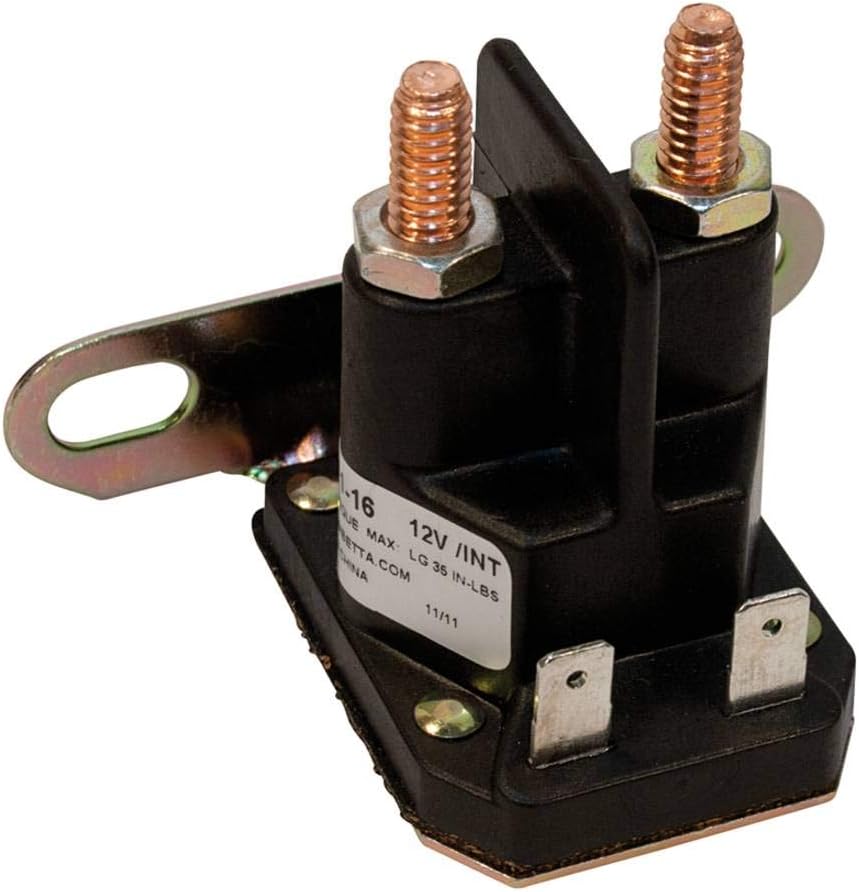


MaySpare
Max 300A Continuous Duty Solenoid Relay Nickel-Plating For Golf Carts, Winch, Marine In Rush 12VDC
See current price

Performance Tool
Performance Tool W80586 Heavy Duty Remote Starter for Car and Truck Engines with Push-Button Switch and 5-ft Wire Leads , Black
See current price


Caltric
Caltric Compatible with Starter Kohler Courage Twin Sv730 Sv735 Sv740 Sv810 Sv 730 735 740 810
See current price


DB Electrical
DB Electrical SBS0009K Starter Compatible with/Replacement for Briggs & Stratton Air Cooled All 14HP Horizontal
See current price


Popular brands in Starters & Alternators
A starter and an alternator perform different jobs in a vehicle’s electrical system. The starter motor turns the engine during startup, while the alternator helps recharge the battery and supply electrical power after the engine is running. Choosing the correct replacement requires more than matching the general part name.
This K-Catalog section helps shoppers compare specifications and features across automotive replacement parts. For broader vehicle repair categories, browse Replacement Parts or explore related areas such as Lighting & Electrical.
How to choose the right part
Start with exact vehicle fitment. Check the vehicle’s year, make, model, engine configuration, drivetrain where relevant, and any listed production or trim details. A part that fits one version of a vehicle may not fit another, even when the vehicle name is the same.
Use the original component or vehicle documentation to confirm the required specifications. If the listing provides an original equipment or interchange reference, compare it carefully with the number associated with the part being replaced. Confirm connector style, mounting arrangement, and terminal placement before ordering.
It also helps to identify whether the problem is related to starting or charging. A vehicle that will not crank may involve the starter, battery, wiring, ignition switch, or relay. Dimming lights, charging warnings, or a battery that repeatedly loses charge may point toward the charging system, but proper testing is needed before selecting a replacement.
Starter motors: what to compare
Starters are compact, high-load electric motors designed to crank the engine. Compare these details when reviewing compatible options:
- Vehicle and engine fitment: Verify the exact application rather than relying only on the vehicle’s model name.
- Mounting pattern: Check the number, position, and orientation of mounting points.
- Electrical connections: Compare terminal arrangement, connector design, and cable location.
- Rotation and drive details: The required rotation direction and gear engagement must match the vehicle.
- Construction: Listings may identify new, remanufactured, or replacement assemblies; read the product description to understand what is included.
- Physical clearance: Confirm the housing shape and dimensions will clear nearby components.
A starter may be listed as a complete assembly or with details about the solenoid and drive mechanism. Review the included components and installation requirements so the replacement matches the original setup.
Alternators: output and fitment details
Alternators convert engine power into electrical power and help maintain the battery while supporting the vehicle’s electrical loads. The most important comparison points include:
- Rated output: Match the listed amperage to the vehicle’s original requirement and electrical equipment.
- Voltage: Confirm the electrical system voltage is appropriate for the application.
- Pulley configuration: Compare pulley type, groove arrangement, and whether the pulley is included.
- Mounting and case design: Bracket locations, housing dimensions, and clocking can affect installation.
- Connector and terminal layout: The plug and output connection must correspond with the vehicle’s wiring.
- Regulator design: Check whether the voltage regulator is internal or externally controlled when the listing specifies it.
Higher electrical demand does not automatically make an alternator suitable. Fitment, control-system compatibility, belt alignment, and the vehicle’s charging requirements all matter.
Brands represented in the catalog
The catalog includes products from DB Electrical, Parts Player, Rareelectrical, ACDelco, PREMIER GEAR, TYC, Powermaster, MaySpare, Standard Motor Products, IRONTREE, Caltric, and Victory Lap. These brands are represented across the available catalog; compare each individual listing by fitment, specifications, included components, and installation details rather than choosing by brand name alone.
For adjacent electrical components, Switches & Relays and Ignition Parts may help when the starting fault involves a control or ignition circuit. Filters and Body & Trim cover other replacement needs but do not substitute for starter or alternator fitment checks.
Installation and compatibility tips
Before ordering, compare the original part with the product images and specifications. Look for differences in mounting ears, pulley position, connector orientation, and cable terminals. These details can prevent a physically similar but incompatible part from being selected.
Disconnect the battery before working on starter or alternator wiring, and follow the vehicle manufacturer’s service procedures. Belts, cables, grounds, fuses, and battery condition can affect system performance, so inspect related components as part of the repair. If the vehicle has unusual electrical accessories or a modified charging system, confirm the required output and control compatibility with a qualified technician.
When comparing listings, pay attention to what the package contains. Some products may include hardware or related components, while others may be sold as the main assembly only. Installation instructions, warranty terms, and return conditions are also useful practical considerations.
Frequently asked questions
Is a starter the same as an alternator?
No. The starter cranks the engine when the vehicle is started. The alternator supplies electrical power and helps recharge the battery while the engine runs.
How do I confirm starter or alternator compatibility?
Match the vehicle year, make, model, engine, electrical system, mounting design, connectors, and any listed interchange references. Compare the original component with the product specifications where possible.
Does a higher-output alternator fit every vehicle?
No. Output is only one factor. The alternator must also match the vehicle’s mounting points, pulley, wiring, regulator or control system, and physical clearance.
Can a weak battery damage a starter or alternator?
A weak battery or poor electrical connection can affect starting and charging performance and may place additional demand on related components. Test the battery, cables, grounds, and charging system before replacing a part.
What should I check before installation?
Confirm the part number or fitment information, mounting hardware, connector and terminal layout, pulley or drive details, and package contents. Disconnect the battery and follow the appropriate service instructions.