

Sewing Storage & Furniture
Compare sewing storage and furniture for organizing supplies, supporting machines, and creating a more comfortable workspace. Review dimensions, construction, capacity, and useful features before choosing.
62 products in catalog
62 results
Filters


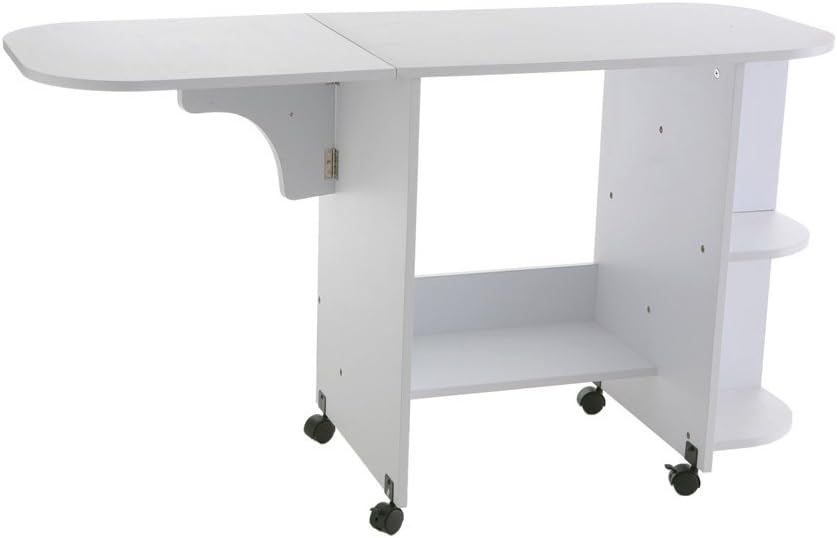
SEI Furniture
SEI Furniture Eaton Expandable Rolling Craft Station Sewing Table, White
See current price

ARROW SEWING CABINETS
Arrow Sewing Cabinet 601 Gidget I Sew-Much-More Folding Sewing, Cutting, Quilting, and Craft Table, Portable with Lift, White Finish
See current price


Popular brands in Storage & Furniture
A well-planned sewing area can make fabric, thread, tools, and machines easier to access while keeping the workspace manageable. This category brings together storage and furniture options for sewing rooms, craft areas, and multipurpose spaces. Use the catalog to compare specifications and features, then check the current listing details before making a purchase.
For related supplies and equipment, browse the broader Sewing category, or explore Sewing Notions & Supplies for smaller tools and essentials.
How to choose sewing storage and furniture
Start with the space available and the way you sew. A compact room may benefit from furniture that folds, rolls, or provides multiple functions, while a dedicated sewing area may have room for a larger cabinet or work table. Measure the intended location, including clearance for doors, drawers, chairs, and any fold-out surfaces.
Consider what the furniture needs to hold. A machine-focused setup may require a stable work surface and storage for accessories. If fabric, patterns, thread, or tools are the main concern, look for an arrangement with compartments, drawers, shelves, or enclosed storage. Keep frequently used items within easy reach and reserve less accessible areas for seasonal or occasional supplies.
Types of storage and furniture to compare
The catalog may include several approaches to organizing a sewing workspace:
- Sewing cabinets: Designed to combine a work area with storage and may help keep a machine or supplies contained when not in use. Check the usable surface, opening dimensions, and how the cabinet fits your machine and room.
- Sewing and craft tables: Useful when a broad, steady surface is more important than enclosed storage. Compare the table footprint, legroom, shelf placement, and whether the layout suits cutting, sewing, or general crafting.
- Storage carts and organizers: A practical choice for supplies that need to move between rooms or stay close to a work area. Look at wheel design, handle placement, compartment sizes, and overall stability.
- Folding or space-conscious furniture: Helpful for shared rooms or temporary work areas. Confirm the folded and assembled dimensions, the process for opening or closing the furniture, and where supplies can be stored.
Furniture in this category can complement Quilting projects, while Trim & Embellishments and Thread & Floss can help complete a more specialized organization system.
Key features and specifications
Dimensions are among the most important details to compare. Pay attention to overall width, depth, and height, as well as the size of individual shelves, drawers, cabinets, or work surfaces. A piece that fits the room may still be unsuitable if its storage areas cannot accommodate your containers or tools.
Construction and materials affect how furniture looks, feels, and fits into a sewing routine. Compare the listed materials, finish, hardware, and support structure. For a machine table or cutting surface, stability matters; for movable storage, consider how easily it can be repositioned without becoming difficult to control.
Also check the practical details:
- Assembly requirements and whether more than one person may be helpful
- Weight capacity where it is specified
- Drawer stops, doors, shelves, or adjustable storage features
- Cable openings or machine access features on furniture intended for equipment
- Included accessories, organizers, casters, or hardware
- Cleaning instructions and the care required for the listed materials
If your setup includes a specialized machine, compare furniture dimensions with the machine’s footprint and accessories. For replacement components and add-ons, see Sewing Machine Parts & Accessories. Sewing Machines can also be browsed separately when selecting equipment for a new workspace.
Brands represented in the catalog
Brands represented in this catalog include Sauder, Giantex, sewsteady, Arrow Sewing, Comfecto, Sew Ready, Hobby Gift, ARROW SEWING CABINETS, COSTWAY, Tidy Crafts, Juvale, and Albott. Compare individual product specifications rather than choosing by brand name alone, since dimensions, storage layouts, materials, and intended uses can differ across listings.
Tips for an organized sewing area
Group supplies by task, such as machine accessories, cutting tools, fabric, thread, and embellishments. Use the storage areas that are easiest to reach for items used every session, and avoid overloading drawers or shelves beyond their listed capacity. Keep heavy items on lower shelves when possible to improve stability.
Before assembly, verify that the furniture can be carried through doorways and positioned where it will be used. After setup, leave enough room to sit comfortably and operate doors, drawers, or folding panels. If a product is intended for a sewing machine, confirm that the machine can be placed and removed safely and that cords will not interfere with moving parts.
Frequently asked questions
What should I measure before buying sewing furniture?
Measure the available width, depth, and height, including clearance for chairs, doors, drawers, and fold-out surfaces. Also compare the furniture’s usable work area with your machine or cutting materials.
Is a sewing cabinet or table better for a small room?
Either may work depending on the layout. Folding furniture can help in shared spaces, while a compact cabinet may combine storage and a dedicated machine area. Compare both open and closed dimensions.
What storage is useful for sewing supplies?
Drawers, shelves, compartments, and enclosed cabinets can all be useful. Choose based on the size and quantity of your fabric, thread, tools, patterns, and machine accessories.
What should I check for machine compatibility?
Compare the listed surface dimensions, opening or recess measurements, weight capacity when provided, and access for cords and accessories with your machine’s requirements.
Does sewing furniture usually require assembly?
Assembly requirements vary by listing. Review the product specifications and included hardware information before ordering, and confirm that the finished dimensions suit the intended space.