

Transmission & Drive Train Replacement Parts
Compare transmission and drivetrain replacement parts by vehicle fitment, component type, dimensions, and specifications. Use the catalog to narrow compatible options before checking availability on Amazon.
552 products in catalog
552 results
Filters


Dorman
Dorman 917-143 Engine Oil Pressure Sensor Filter Compatible with Select Models
See current price

Performance Tool
Performance Tool W5203 Metric O-Ring Assortment with 32 Sizes for Vehicle Maintenance and Repair, Nitrile Rubber (419-Piece)
See current price

Dorman Products
Dorman 924-706 Shift Interlock Latch Compatible with Select Chrysler / Dodge Models
See current price


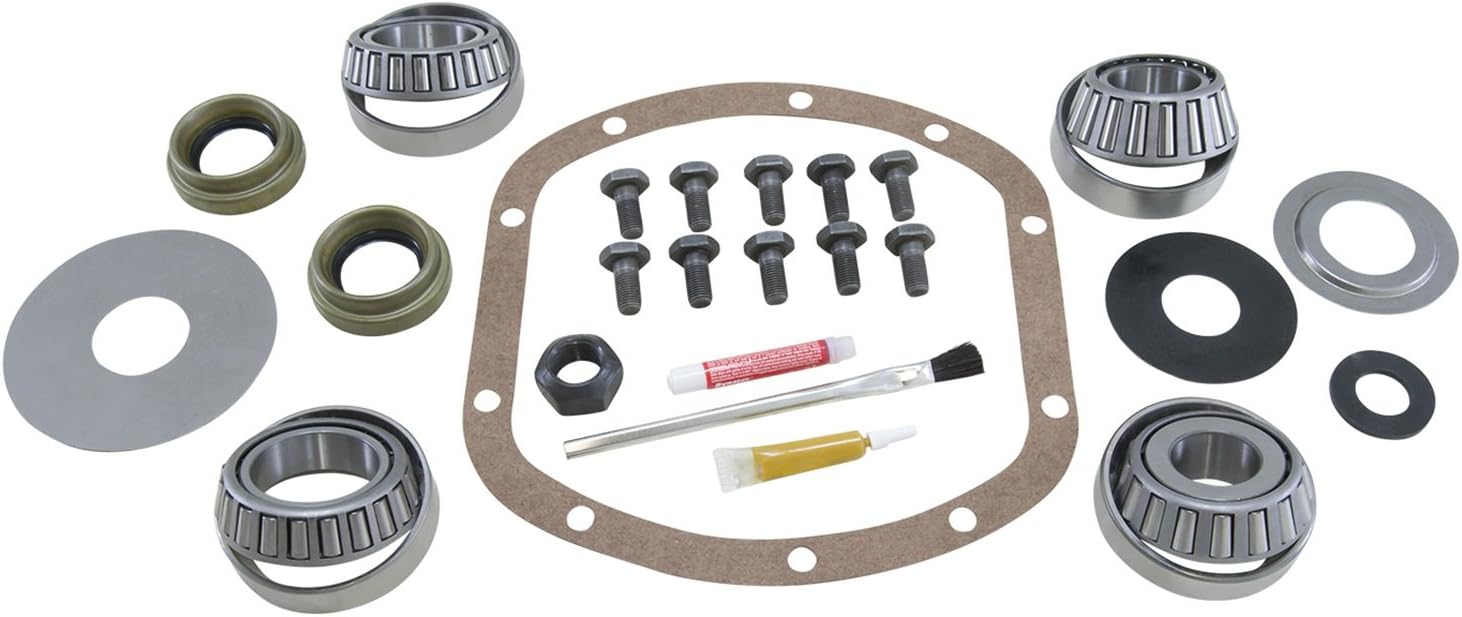
USA Standard Gear
USA Standard Gear (ZK D30-F) Master Overhaul Kit for Dana 30 Front Differential
See current price

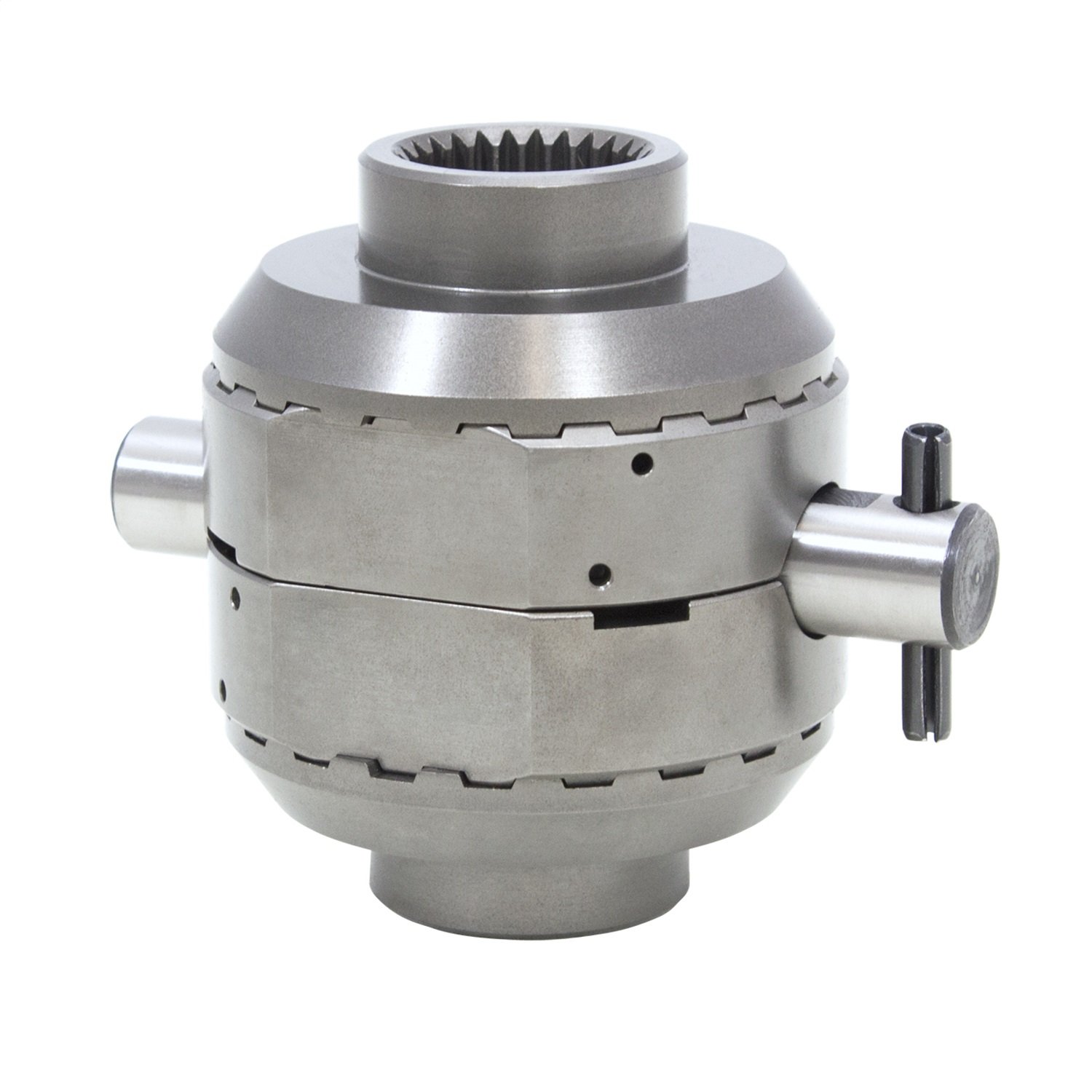
USA Standard Gear
USA Standard Gear Spartan Locker for Dana 30 Differential 27 Spline (SL D30-27)
See current price

Dorman
Dorman 14057 Shifter Cable Bushing Kit Compatible with Select Models (OE FIX)
See current price


Popular brands in Transmission & Drive Train
Transmission and drivetrain parts transfer engine power to the wheels, so correct fitment is essential. This category covers replacement components for automatic and manual transmissions, differentials, axles, driveshafts, transfer cases, and related systems.
Use the product details to compare application information, measurements, construction, and included hardware. Because drivetrain components vary significantly between vehicles and driveline layouts, matching the exact year, make, model, engine, transmission, and drive configuration is a critical first step.
How to choose the right part
Start by identifying the component that needs replacement. A vibration, fluid leak, shifting concern, clicking noise, or driveline play can involve different parts, and symptoms may overlap. The original part number, vehicle service information, or a professional diagnosis can help confirm what to search for.
Before comparing options, check:
- Vehicle fitment: Verify year, make, model, engine, transmission type, and drivetrain configuration.
- Part location: Confirm whether the component fits the front or rear axle, left or right side, driver or passenger side, or a specific transmission position.
- Dimensions: Compare spline count, shaft length, flange pattern, mounting points, thread size, seal diameter, and other listed measurements.
- Included components: Check whether seals, bearings, gaskets, yokes, hardware, or installation accessories are included.
- Replacement scope: Decide whether a complete assembly or an individual service part better matches the repair.
Common transmission and drivetrain parts
Transmission-related listings may include shift components, transmission mounts, solenoids, sensors, seals, gaskets, filters, and other service parts. Automatic and manual transmissions use different systems, so the listing must specifically match the transmission installed in the vehicle.
Drivetrain components commonly include CV axles, universal joints, driveshaft parts, differential components, transfer-case parts, axle shafts, wheel-hub-related hardware, and bushings. Mounts and support components are also important because worn rubber or polyurethane can allow excess movement, noise, or vibration.
Clutch-related replacement parts may be relevant to manual-transmission repairs, while transfer-case and differential components are especially important on four-wheel-drive and all-wheel-drive vehicles. Always confirm the vehicle’s drive layout and the exact assembly position before selecting a part.
Specifications worth comparing
Product pages can differ in how much technical information they provide, so compare every available specification rather than relying on a general description. For shafts and axles, look at overall length, spline details, joint type, boot material, and connection style. For gears and differential parts, check gear ratio compatibility, tooth details, dimensions, and application notes.
For mounts, bushings, and supports, compare material, mounting design, position, and whether the part is intended as a direct replacement or an upgrade-style component. For seals and gaskets, match the fluid-contact area, dimensions, material, and installation location.
Transmission fluid requirements, adjustment procedures, torque specifications, and break-in instructions can vary by vehicle and component. Follow the vehicle manufacturer’s service information and the part supplier’s instructions where applicable.
Brands in the catalog
The catalog includes transmission and drivetrain products from Dorman, Spicer, GM, Cardone, Moog, ACDelco, Omix-Ada, ATP Automotive, APDTY, Bapmic, USA Standard Gear, and BushingFix.com. These brands may cover different component types and vehicle applications, so brand selection should follow verified fitment and specifications rather than name recognition alone.
When comparing products from different manufacturers, review the construction details, included parts, warranty information provided on the product page, and installation requirements. A familiar brand does not replace the need to confirm the exact application.
Related replacement-part categories
Transmission and drivetrain repairs may involve neighboring vehicle systems. Browse Replacement Parts for the broader catalog. Related categories include Shocks, Struts & Suspension for suspension components, Filters for filtration parts, and Lighting & Electrical for electrical and lighting components.
For repairs involving surrounding body panels, see Body & Trim. Ignition Parts and Switches & Relays may also be useful when a drivability concern could involve an engine-control or electrical component.
Frequently asked questions
How do I confirm transmission part compatibility?
Check the full vehicle fitment, including year, make, model, engine, transmission type, and drivetrain. Compare the original part number and physical dimensions when available.
Are drivetrain parts interchangeable between two similar vehicles?
Not necessarily. Different engines, axle ratios, transmissions, wheelbases, and drive configurations can require different components even within the same model family.
Should I choose an assembly or an individual replacement part?
An assembly may simplify replacement when several integrated components are worn, while an individual part may suit a targeted repair. Use the diagnosis, service instructions, and listing contents to decide.
What information matters for a CV axle or driveshaft?
Compare position, overall length, spline or flange details, joint type, connection points, and vehicle drivetrain configuration. These specifications can vary between otherwise similar applications.
When should drivetrain installation be professionally handled?
Professional installation is advisable when the repair involves lifting the vehicle, removing transmission or differential components, setting gear clearances, handling press-fit parts, or following specialized adjustment procedures.