

Video Surveillance Cameras & Systems
Compare video surveillance cameras and systems by image quality, coverage, connectivity, storage, and monitoring features. Review specifications to narrow the options for home, business, or property security.
1,766 products in catalog
1,766 results
Filters


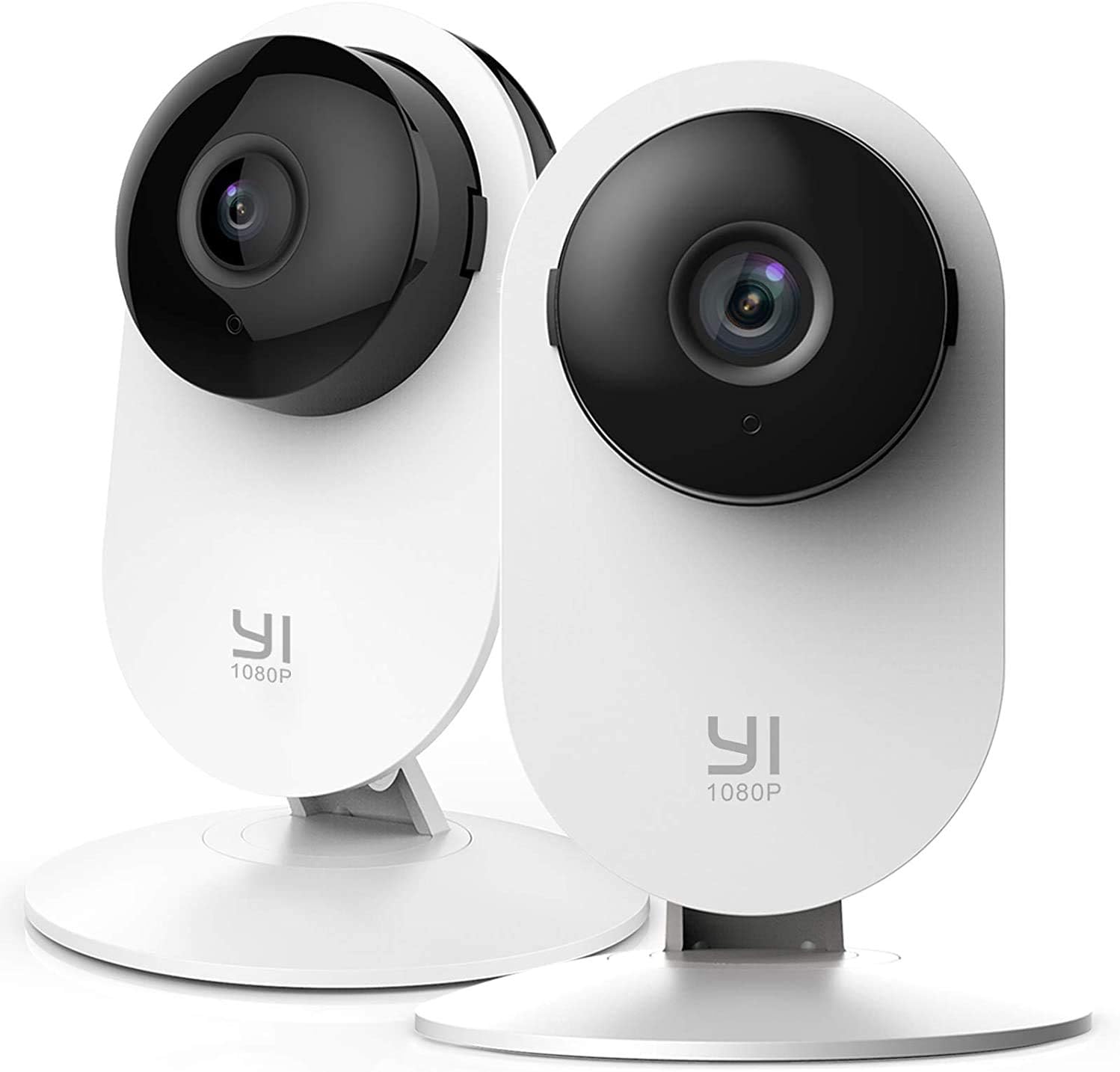


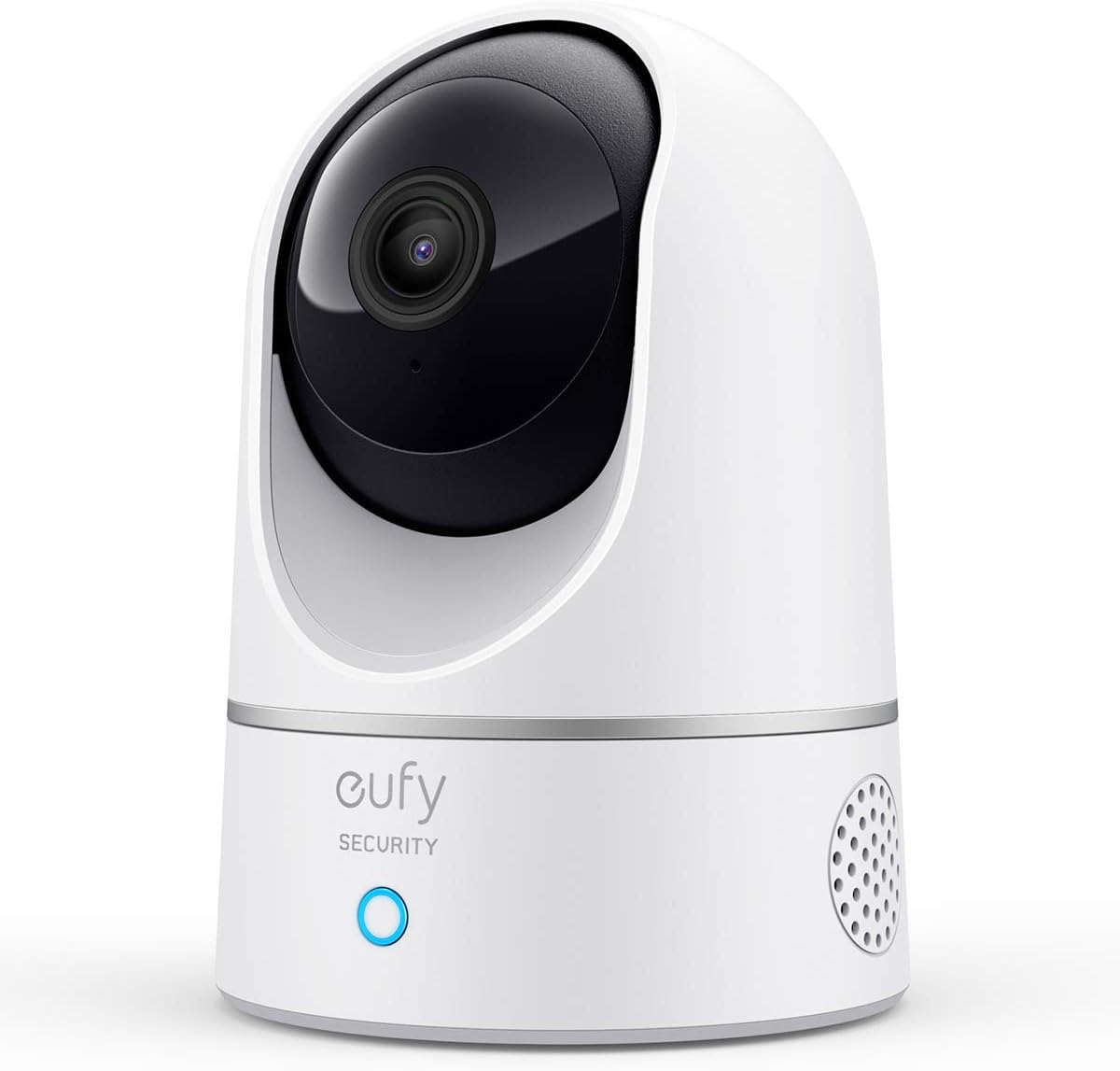


Popular brands in Video Surveillance
Video surveillance products vary widely in how they capture, store, and deliver footage. The right choice depends on the area to monitor, available network access, lighting conditions, privacy needs, and whether you want a simple standalone camera or a more expandable system.
Use this catalog to compare specifications and features across indoor, outdoor, wired, and wireless surveillance options. Product details can help you determine which cameras fit your installation plan and monitoring habits.
How to choose video surveillance equipment
Start by identifying what the camera needs to see and where it will be installed. A compact indoor camera may suit a room, entryway, or workspace, while an outdoor model should be designed for changing weather and wider environmental conditions. Consider mounting position, viewing angle, and whether nearby structures could block the scene.
Important questions include:
- Do you need live viewing from a phone, computer, or dedicated monitor?
- Is continuous recording necessary, or are motion-triggered clips sufficient?
- Will the camera connect through Wi-Fi, Ethernet, cellular service, or another method?
- Is local storage preferred, or do you want footage saved through a cloud service?
- Does the camera need to cover a fixed area or follow movement?
Planning these requirements first makes it easier to compare cameras with similar intended uses.
Common video surveillance types
Video surveillance products can be grouped by installation and monitoring approach rather than by appearance alone.
Indoor cameras are intended for rooms and other protected spaces. They may emphasize compact placement, two-way communication, privacy controls, or motion alerts.
Outdoor cameras are suited to driveways, yards, entrances, and other exposed locations. Check the product specifications for weather protection, mounting options, operating conditions, and night-vision capability.
Wired cameras can provide a consistent connection when cable installation is practical. They may be a good fit for fixed installations where dependable power and network access are priorities.
Wireless cameras can be easier to position or relocate, but they still require careful consideration of power, signal strength, and network coverage. Battery-powered models may also involve charging or battery replacement.
Pan-and-tilt cameras can adjust their viewing direction and may help monitor a broader area from one mounting location. Fixed cameras can be simpler when the priority is continuous coverage of a specific scene.
Specifications and features to compare
Image quality is only one part of a surveillance camera’s performance. Compare the following details in the product specifications:
- Resolution and low-light performance: Higher image detail can make scenes easier to inspect, while infrared or color night vision may help in darkness. Look for information about how night viewing works rather than assuming every camera performs the same way.
- Field of view: A wider view can cover more of a room or property, but the image may show more distortion at the edges. A narrower view may provide more focused coverage.
- Motion detection: Check whether detection zones, sensitivity settings, person detection, or activity notifications are included. These features can affect how useful alerts are in busy areas.
- Recording and storage: Compare support for memory cards, network video recorders, cloud storage, or other recording methods. Also check whether recording is continuous, event-based, or dependent on a separate device or service.
- Audio and communication: Microphones, speakers, two-way talk, and sound detection can be useful for entrances, nurseries, offices, and other monitored areas.
- Connectivity and compatibility: Confirm support for your home network, mobile operating system, smart-home platform, or preferred viewing application before choosing a camera.
- Power and installation: Review cable requirements, battery arrangements, mounting hardware, and whether the camera is intended for wall, ceiling, desktop, or outdoor installation.
For a broader selection of mounting and setup items, browse Camera & Photo Accessories. Tripods & Monopods may also be relevant for temporary, portable, or non-permanent camera placement, depending on the product design.
Brands represented in the catalog
The Video Surveillance catalog includes products from REOLINK, Amcrest, FOSCAM, Zmodo, eufy Security, YI, D-Link, Ctronics, NETVUE, Arlo, ieGeek, and ZOSI. These brands may offer different approaches to connectivity, storage, camera movement, monitoring applications, and installation. Compare the specifications of individual products rather than choosing by brand name alone.
If you are shopping more broadly across photography and imaging equipment, the parent Camera & Photo category includes related product areas. For general photography rather than property monitoring, you can also compare Digital Cameras.
Installation, privacy, and maintenance tips
Place cameras where they have a clear view without pointing unnecessarily into neighboring properties or private areas. Follow local rules and property policies concerning recording, audio capture, and notification of people being recorded.
Before permanent installation, test the wireless signal, viewing angle, and nighttime coverage from the intended location. Keep lenses clean, protect cables from moisture or damage, and review notification settings so important events are not hidden among unnecessary alerts. Keep camera firmware and companion applications up to date when supported, and use strong, unique account credentials.
Frequently asked questions
What is the difference between wired and wireless surveillance cameras?
Wired cameras use a physical cable for power, data, or both. Wireless cameras communicate over a wireless network or another wireless connection, but they still need a suitable power source unless designed for battery operation.
Do all video surveillance cameras record continuously?
No. Some support continuous recording, while others focus on motion-triggered clips or alerts. Check the recording modes and storage requirements for each product.
Is night vision important for outdoor surveillance?
It can be important when the monitored area is poorly lit. Compare the camera’s stated night-vision method, image behavior in darkness, and any available lighting features.
Where is surveillance footage stored?
Depending on the camera, footage may be stored on a memory card, a local recording device, a computer, or a cloud service. Confirm storage compatibility and any required equipment before installation.
Should a surveillance camera have two-way audio?
Two-way audio can be useful when you want to communicate through the camera, such as at an entrance or in a monitored room. It is optional for installations focused only on visual recording.