

Weaving & Spinning Supplies and Tools
Compare weaving and spinning supplies by project type, materials, dimensions, and compatibility. Explore tools and accessories for fiber artists at different skill levels.
192 products in catalog
192 results
Filters



Rainbow Loom
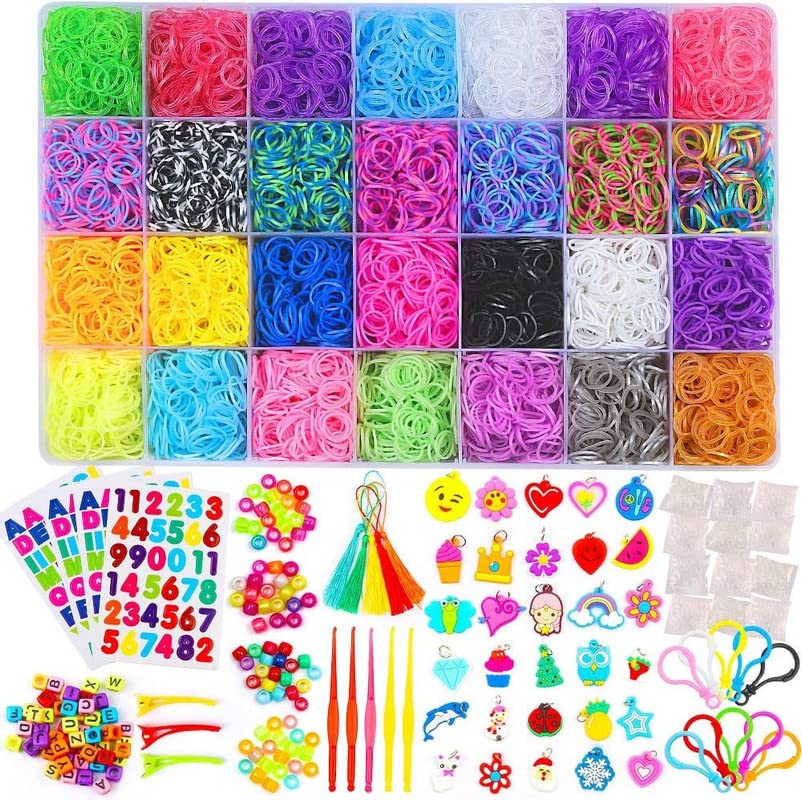
Rainbow Loom Crafting Kit includes Loom, Metal Hook, Mini Rainbow Loom, 600 Rubber Bands + 24 Clips
See current price
Rainbow Loom
Rainbow Loom Crafting Kit includes Loom, Metal Hook, Mini Rainbow Loom, 600 Rubber Bands + 24 Clips
See current price
Rainbow Loom
Rainbow Loom Crafting Kit includes Loom, Metal Hook, Mini Rainbow Loom, 600 Rubber Bands + 24 Clips
See current price


Stanwood Needlecraft
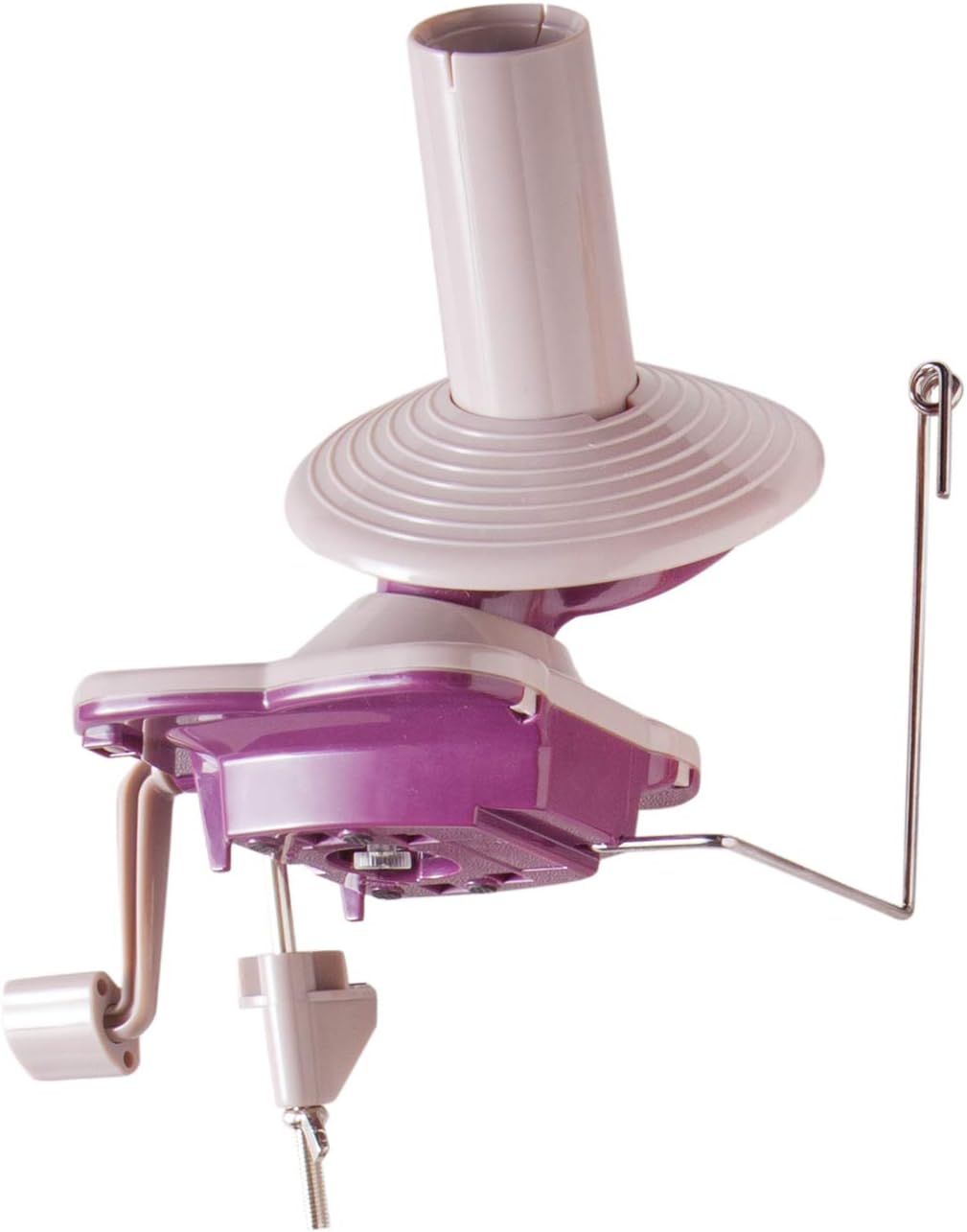
Stanwood Needlecraft Large Metal Yarn/Fiber/Wool/String Ball Winder - 10 oz
See current price


Rainbow Loom
Rainbow Loom Crafting Kit includes Loom, Metal Hook, Mini Rainbow Loom, 600 Rubber Bands + 24 Clips
See current price


Made By Me
Made By Me Easy Steps Weaving Loom — Beginner Loom — DIY Potholders — Weaving Loom For Kids Ages 5 And Up
See current price
Made By Me
Made By Me Easy Steps Weaving Loom — Beginner Loom — DIY Potholders — Weaving Loom For Kids Ages 5 And Up
See current price


Popular brands in Weaving & Spinning
Weaving and spinning bring together practical tools, tactile materials, and plenty of room for experimentation. Whether you are making a small woven project, preparing yarn by hand, or building a dedicated fiber-art setup, the right supplies can make the process easier and more enjoyable.
Use this category to compare product specifications and features before choosing tools for your workspace. Consider what you want to make, the fibers you plan to use, and how much control you want over the finished fabric or yarn.
How to choose weaving and spinning supplies
Start with the technique and project size. A small wall hanging, practice sampler, or decorative piece may need a compact loom and a limited selection of yarn. Larger projects require more working width, sturdy construction, and enough room to manage warp threads or multiple colors.
For spinning, think about whether you want to work with prepared fiber, roving, or loose fleece. Beginners may prefer a straightforward setup with fewer adjustments, while experienced makers may prioritize fine control over twist, drafting, tension, and yarn thickness.
Before purchasing, compare:
- Project requirements: Match the tool to the finished item, yarn weight, and intended dimensions.
- Working space: Check the overall size and whether the tool can be comfortably stored or transported.
- Materials: Consider wood, plastic, metal, or mixed construction based on durability, weight, and handling preferences.
- Included components: Confirm which accessories, needles, shuttles, bobbins, hooks, or instructional materials are included.
- Skill level: A simple learning setup can be preferable for beginners, while adjustable tools may suit more advanced work.
Common types of weaving tools
Looms vary in size, structure, and the way they hold the warp. Small frame and lap-style looms are useful for compact projects, samples, and portable crafting. Rigid-frame and larger tabletop designs can offer more working area and may be better suited to repeated weaving or broader pieces.
Useful accessories can include shuttles for carrying weft yarn, combs or beaters for packing rows, needles for finishing, and tools for setting or separating warp threads. When comparing a loom kit, check its working area and whether the supplied accessories match the techniques you intend to practice.
If you also work with other handmade materials, Craft Supplies can be useful for finding complementary tools and project components.
Spinning equipment and fiber considerations
Spinning tools help turn loose or prepared fiber into yarn. The main differences to compare are the way the tool is powered, how it controls twist, and how easily the spinner can adjust tension and yarn formation. A compact hand tool may suit sampling and portability, while a larger setup can be more appropriate for extended sessions.
Fiber preparation matters as much as the spinner itself. Wool, cotton, alpaca, plant fibers, and blends can behave differently during drafting and twisting. Look for supplies that fit the fiber preparation you already have, and check whether the tool is designed for the type of yarn thickness or spinning style you want to explore.
Features and specifications to compare
Small specification differences can affect comfort and results. Pay attention to working dimensions, component compatibility, and adjustment options rather than choosing by appearance alone.
- Dimensions and capacity: Confirm the loom width, available spinning space, or amount of fiber the tool can handle.
- Tension control: Adjustable tension can help maintain more consistent weaving or yarn formation.
- Portability: Compact tools are easier to store, carry to classes, or use in shared spaces.
- Ergonomics: Handle shape, tool weight, and access to working parts can influence comfort during longer sessions.
- Assembly and storage: Check whether setup requires separate parts and how the tool can be stored between projects.
- Maintenance: Smooth surfaces, replaceable components, and accessible moving parts may simplify care.
Brands represented in the catalog
The catalog includes weaving, loom, knitting, and fiber-craft names such as Kirinstores, Boye, WIVOWI LOOM, Rainbow Loom, Knewmart, INSCRAFT, MUDO NEST, Ayasee, LAMXD, Made By Me, Nagina International, and Knit Picks. Compare each item by its listed materials, dimensions, included parts, and intended use rather than relying on brand familiarity alone.
For makers exploring related hands-on crafts, Woodcrafts and Ceramics & Pottery offer additional project categories. Paper & Paper Crafts may also be relevant for designing patterns, templates, labels, or presentation materials.
Tips for a better crafting setup
Keep yarn, fiber, and tools organized so that colors and materials remain easy to identify. Store natural fibers in a clean, dry place and protect them from dust and moisture. Before beginning, inspect warp threads, cords, bobbins, and other tension-bearing parts for damage or uneven wear.
When learning a new technique, make a small sample first. This gives you a chance to test tension, yarn thickness, color combinations, and finishing methods before committing to a larger project. Follow the product’s assembly and safety guidance, particularly when using cutting tools, pointed needles, or equipment with moving parts.
Frequently asked questions
What should a beginner look for in a weaving tool?
Choose a manageable working size, clear instructions, and a simple design with the essential accessories included. A compact loom can make practice and storage easier.
Is a larger loom always better?
Not necessarily. Larger looms provide more working area but need more storage and setup space. Match the size to your projects and workspace.
What fiber is easiest to spin?
Prepared fiber with consistent texture is often easier to learn with than material that needs extensive sorting or preparation. The best choice also depends on the spinner and yarn style.
Why does tension matter?
Consistent tension helps keep woven rows even and supports more uniform yarn formation. Adjustable tension can be useful when changing materials or techniques.
What supplies are useful alongside a loom?
Shuttles, beaters, weaving needles, warp tools, scissors, measuring tools, and suitable yarn can all support different stages of a project. Check which items are already included before adding accessories.