

Wood Chippers, Shredders & Mulchers
Compare wood chippers, shredders, and mulchers by the jobs they handle, their power source, feed design, capacity, and safety features before choosing equipment for yard cleanup.
57 products in catalog
57 results
Filters
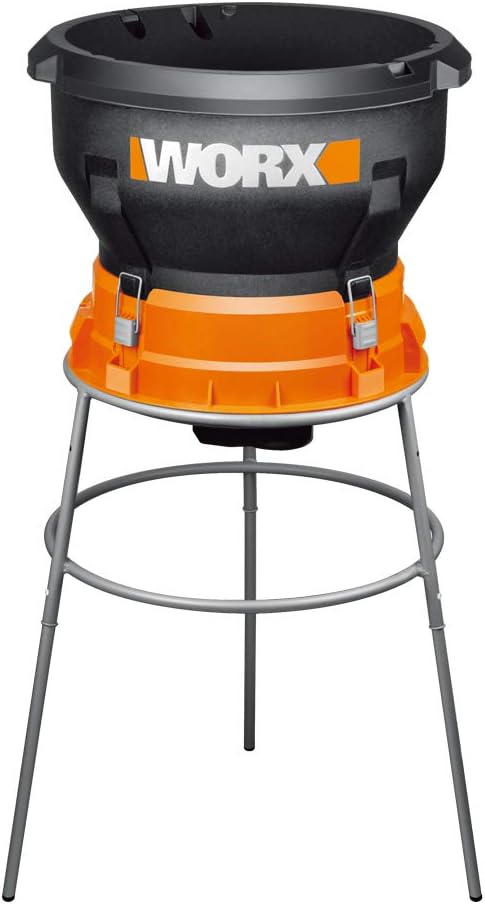

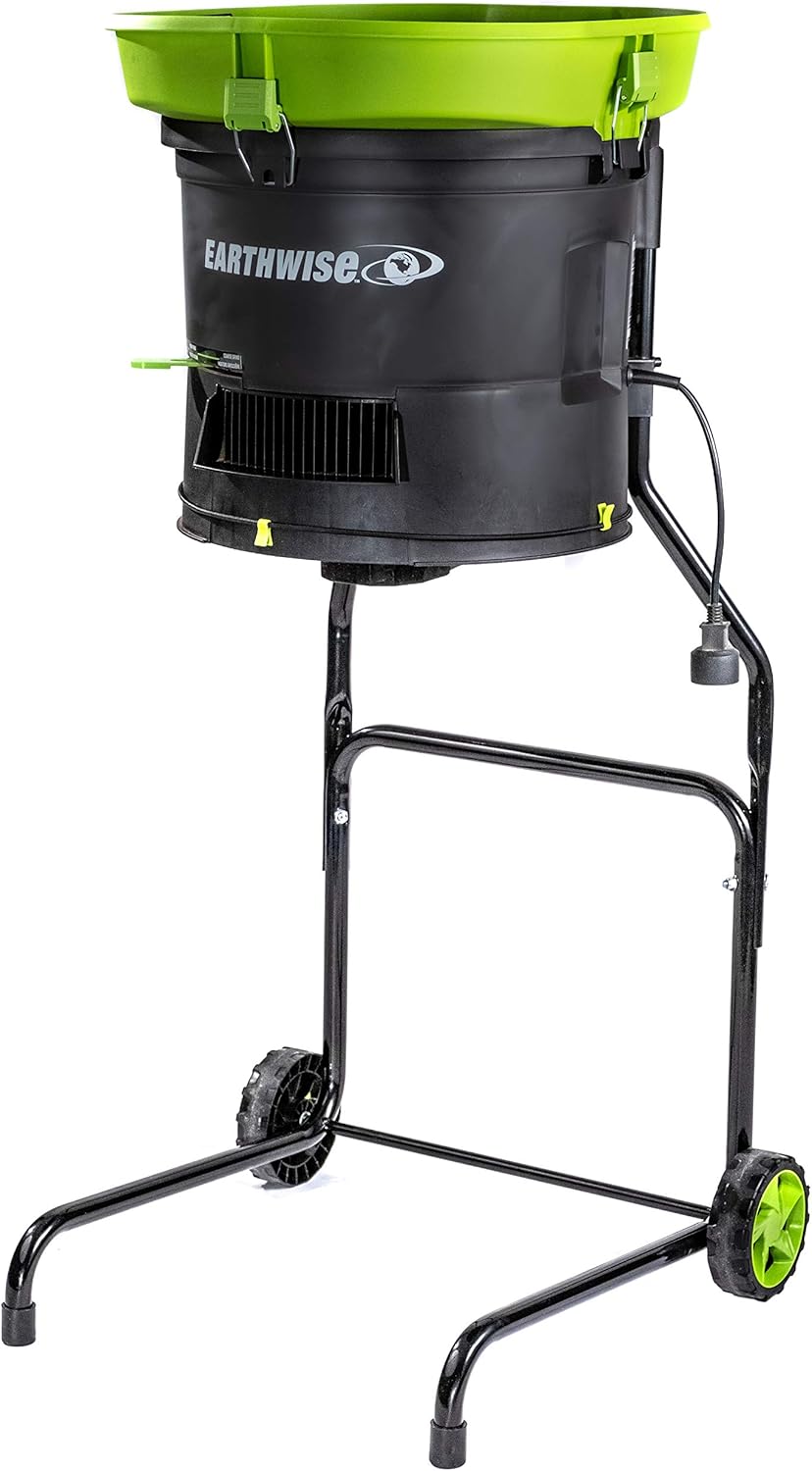

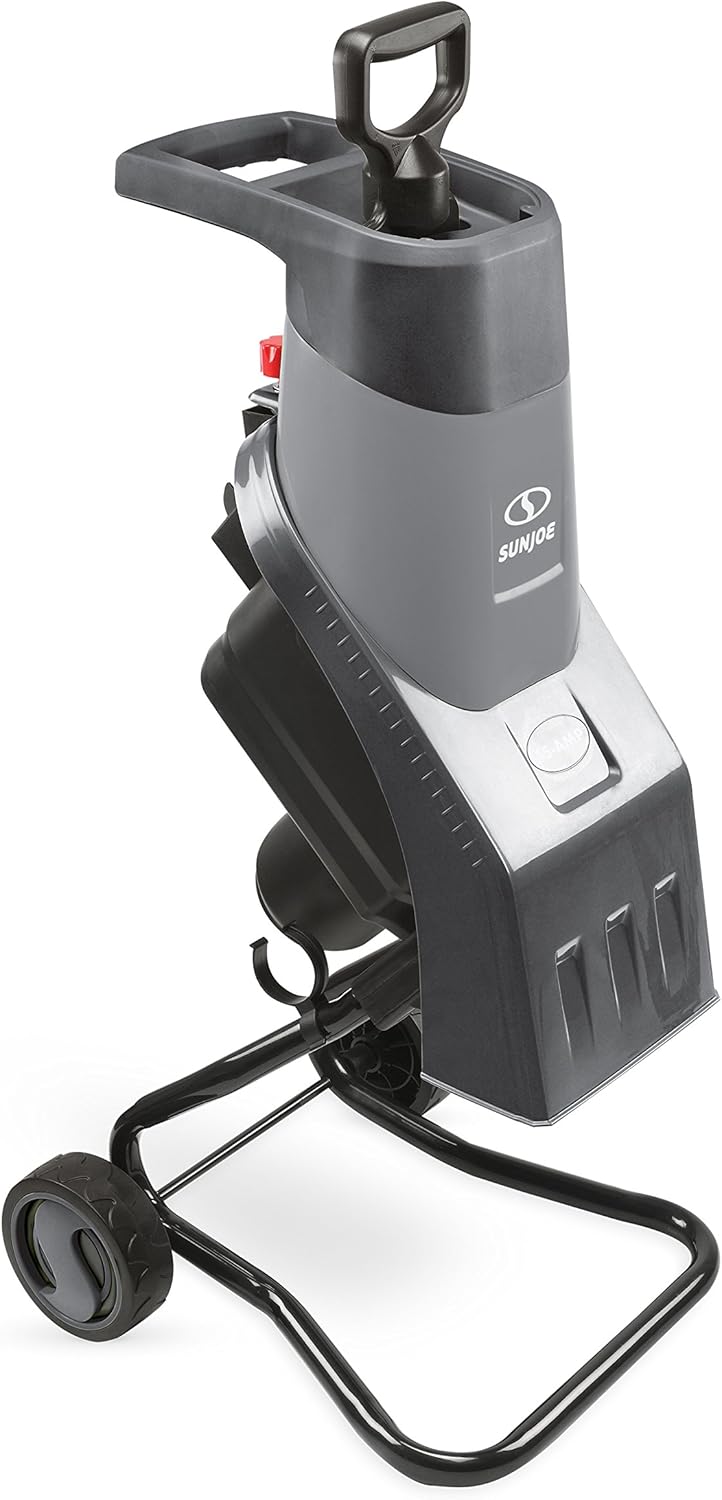
Sun Joe
Sun Joe CJ601E Electric Wood Chipper/Shredder, 14-Amp, 16:1 Reduction, Green
See current price


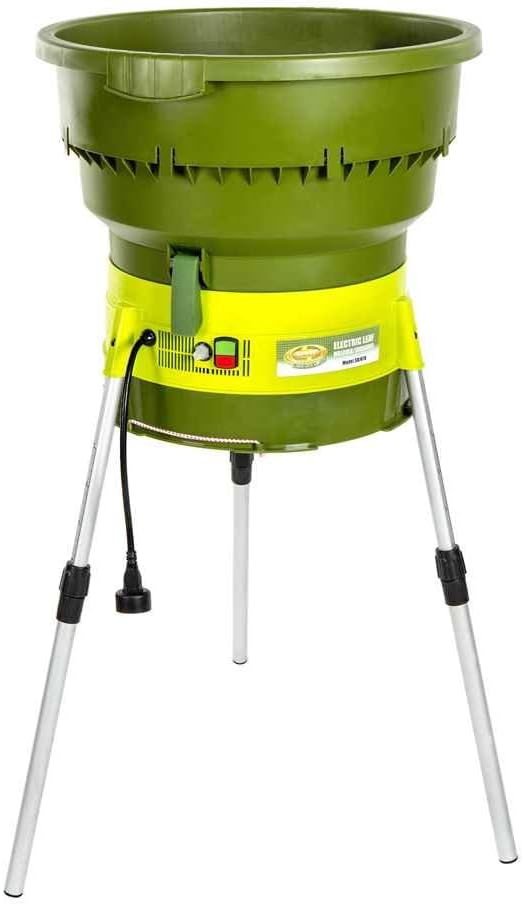


Worx
WORX WA0050 Flex-A-Line 24-Pack 13" Replacement Line for WG430 Electric Leaf Mulcher
See current price


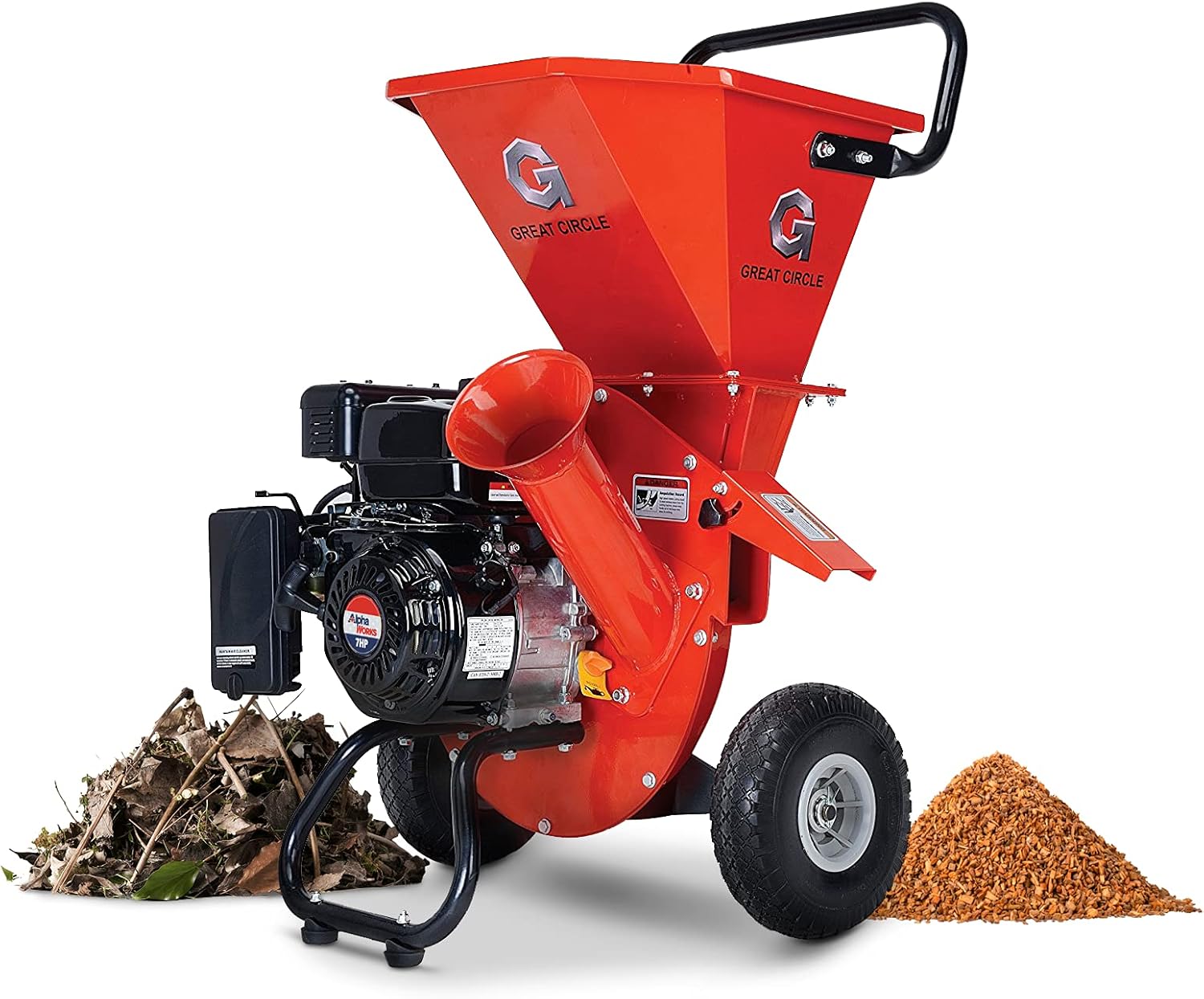

Landworks
Landworks Wood Chipper Shredder Mulcher Super Heavy Duty 7HP 3 in 1 Multi-Function 3" Inch Max Capacity
See current price

SuperHandy
SuperHandy Mini Wood Chipper Shredder Mulcher Heavy Duty 7HP Compact Design 3" Inch Max Capacity
See current price
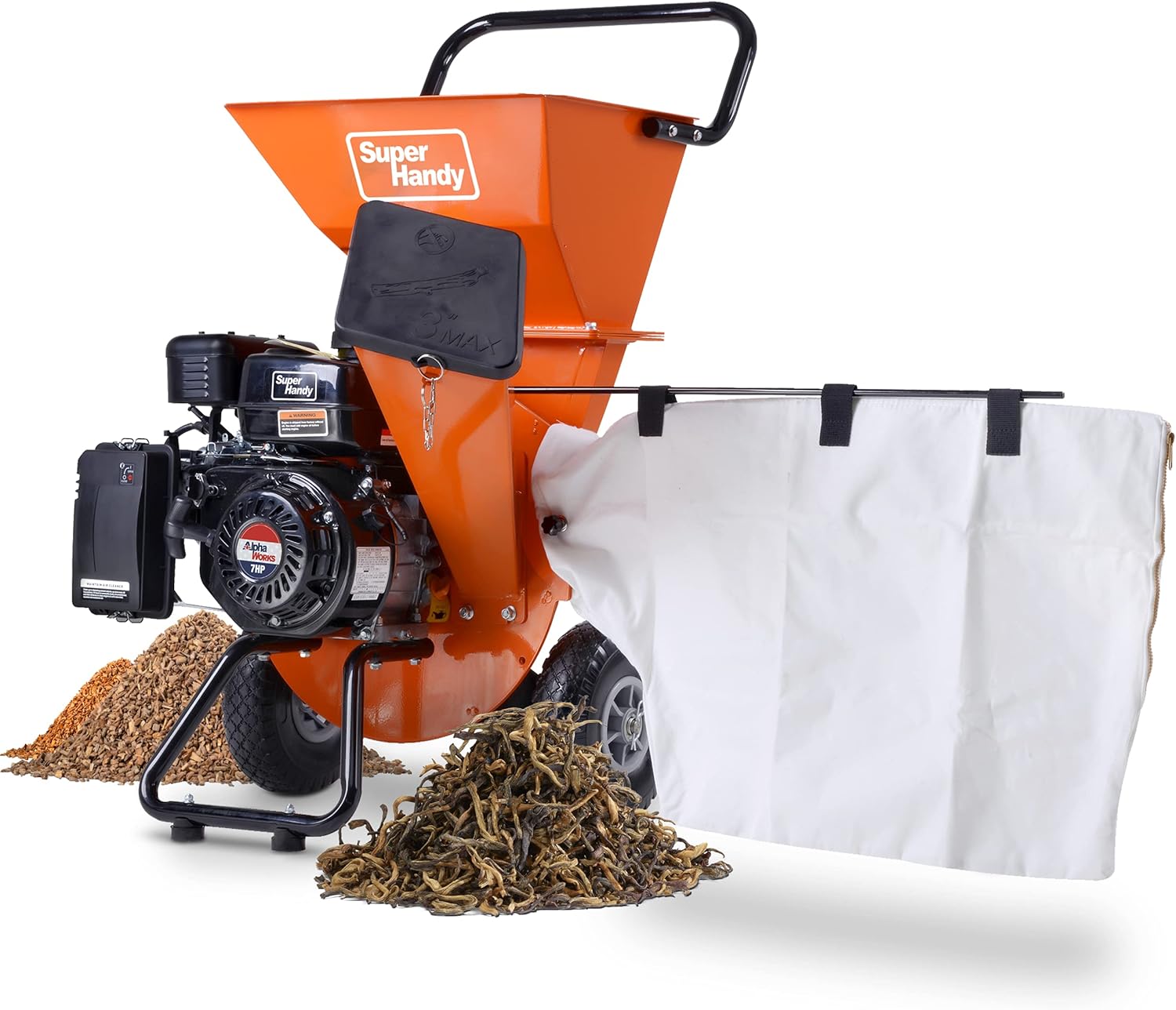
SuperHandy
SuperHandy Wood Chipper Shredder Mulcher Ultra Heavy Duty 7HP 3 in 1 Multi-Function 3" Inch Max Capacity
See current price

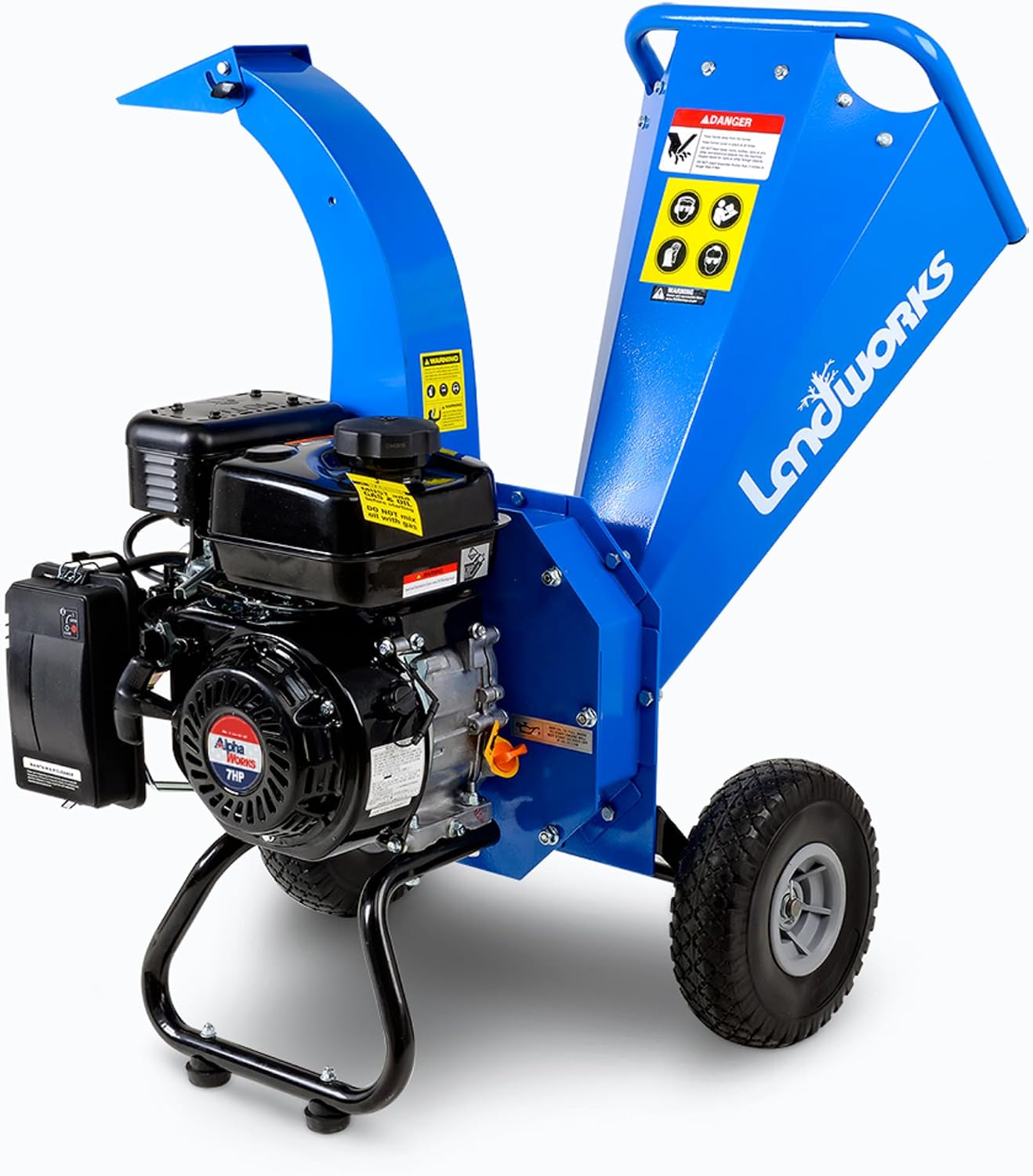
Landworks
Landworks Mini Wood Chipper Shredder Mulcher Heavy Duty 7HP Compact Design 3" Inch Max Capacity
See current price

Popular brands in Wood Chippers, Shredders, & Mulchers
Wood chippers, shredders, and mulchers can help turn branches, brush, leaves, and other yard debris into material that is easier to handle. The right machine depends on the type of cleanup you do, the size and condition of the material, available storage, and how you plan to use the processed debris.
This K-Catalog category brings together equipment from brands including Sun Joe, Landworks, SuperHandy, McCulloch, G, Worx, Patriot, ZMT, Intradin (Shanghai) China Ltd Co., Snow Joe, Lesche, and PowerSmart. Compare the listed specifications and features to narrow the options that fit your property and routine.
How to choose a wood chipper, shredder, or mulcher
Start with the material you expect to process most often. Small leafy debris and light brush may suit a shredder or mulcher, while woody branches generally call for a chipper designed for more demanding material. Some equipment is intended for one primary task, while other designs combine chipping, shredding, or mulching functions.
Consider how often the machine will be used and where it will operate. A compact unit may be easier to store and move around a residential yard. A heavier machine may be more appropriate when processing larger amounts of debris, but it can require more storage space and effort to transport.
Main types to compare
Wood chippers
Chippers process branches and woody material into chips. When comparing them, pay close attention to the supported material size, feed opening, cutting system, discharge direction, and whether the design is suited to the branches you typically collect.
Shredders
Shredders break down softer yard waste such as leaves, small stems, and garden debris. They can be useful when the goal is to reduce loose material for disposal or composting. Look for information about the accepted material, feed method, collection arrangement, and ease of clearing blockages.
Mulchers
Mulchers reduce organic debris into smaller pieces that may be easier to spread, transport, or add to a composting process. A mulcher can be a practical choice for seasonal leaf cleanup, but the listed capacity and material guidance still matter when comparing models.
Key features and specifications
The most useful specifications depend on the work, but these details deserve close attention:
- Power source: Compare electric and gas-powered designs according to outlet access, operating environment, storage, noise preferences, and maintenance expectations.
- Motor or engine information: Review the listed power details alongside the intended material. A higher stated output alone does not explain how a machine will perform with a particular type of debris.
- Material capacity: Check the supported branch or debris size, feed opening dimensions, and any stated limits before choosing a chipper or shredder.
- Cutting mechanism: Blade, knife, flail, or other cutting systems can affect the kind of material accepted and the maintenance routine.
- Collection and discharge: Look for a collection bag, chute, discharge direction, or other method that matches how you plan to gather the processed material.
- Portability: Wheels, handles, overall weight, and balance matter when moving equipment between storage and different areas of the yard.
- Safety features: Inspect the listed guards, feed controls, safety switches, overload protection, and instructions for clearing jams.
- Maintenance access: Removable covers, replaceable cutting components, cleanout access, and clearly described maintenance requirements can make ownership simpler.
Match the machine to your yard routine
Think about the full workflow, not only the cutting action. A machine that processes debris effectively may still be inconvenient if it is difficult to move, feed, empty, or clean. Check whether the collection method works with your preferred disposal or composting routine, and consider where chips or mulch will be placed after processing.
For properties with mixed debris, review whether the product is designed to handle both woody and leafy material or whether separate equipment is more suitable. If branches are collected after pruning, a chipper may be the priority. If the main task is leaf cleanup, a shredder or mulcher may provide a better match.
Related outdoor power equipment
A chipper or mulcher is often one part of a broader yard-maintenance setup. Browse Leaf Blowers, Vacuums & Accessories for tools focused on gathering loose debris, or compare Chainsaws when cutting branches is part of the preparation process. String Trimmers may help with grass and weeds that are not suitable for chipping.
For maintenance items, see Replacement Parts & Accessories. If your outdoor projects also involve washing patios, walkways, or equipment, Pressure Washers are a separate category to consider.
Frequently asked questions
What is the difference between a chipper and a shredder?
A chipper is generally intended for woody branches, while a shredder is usually designed for softer yard debris such as leaves and small stems. Always check the product’s stated material limits.
Should I choose an electric or gas-powered machine?
Electric models may suit users who have convenient access to power and prefer a simpler setup. Gas-powered equipment may be considered when portability and operation away from an outlet are more important. Compare the listed requirements and maintenance details.
What debris can go into a mulcher?
The acceptable material varies by product. Review the manufacturer’s guidance for leaves, stems, branches, wet debris, and other organic material before feeding anything into the machine.
What safety features should I look for?
Look for feed guards, safety switches, overload protection, secure chutes, and clear instructions for stopping the machine and clearing jams. Protective equipment and safe operating practices are also essential.
How do I compare cutting capacity?
Check the listed maximum material size, feed opening, cutting mechanism, and recommended debris type together. These specifications provide more useful guidance than considering motor output alone.
What maintenance is typically needed?
Maintenance may include cleaning the feed area, inspecting cutting components, checking fasteners, and following the product’s electrical or engine-care instructions. Review the listed maintenance requirements before purchase.