

Aquarium Lights
Compare aquarium lights by tank size, lighting needs, spectrum, controls, and mounting style. K-Catalog helps you review specifications and features before checking options on Amazon.
370 products in catalog
370 results
Filters

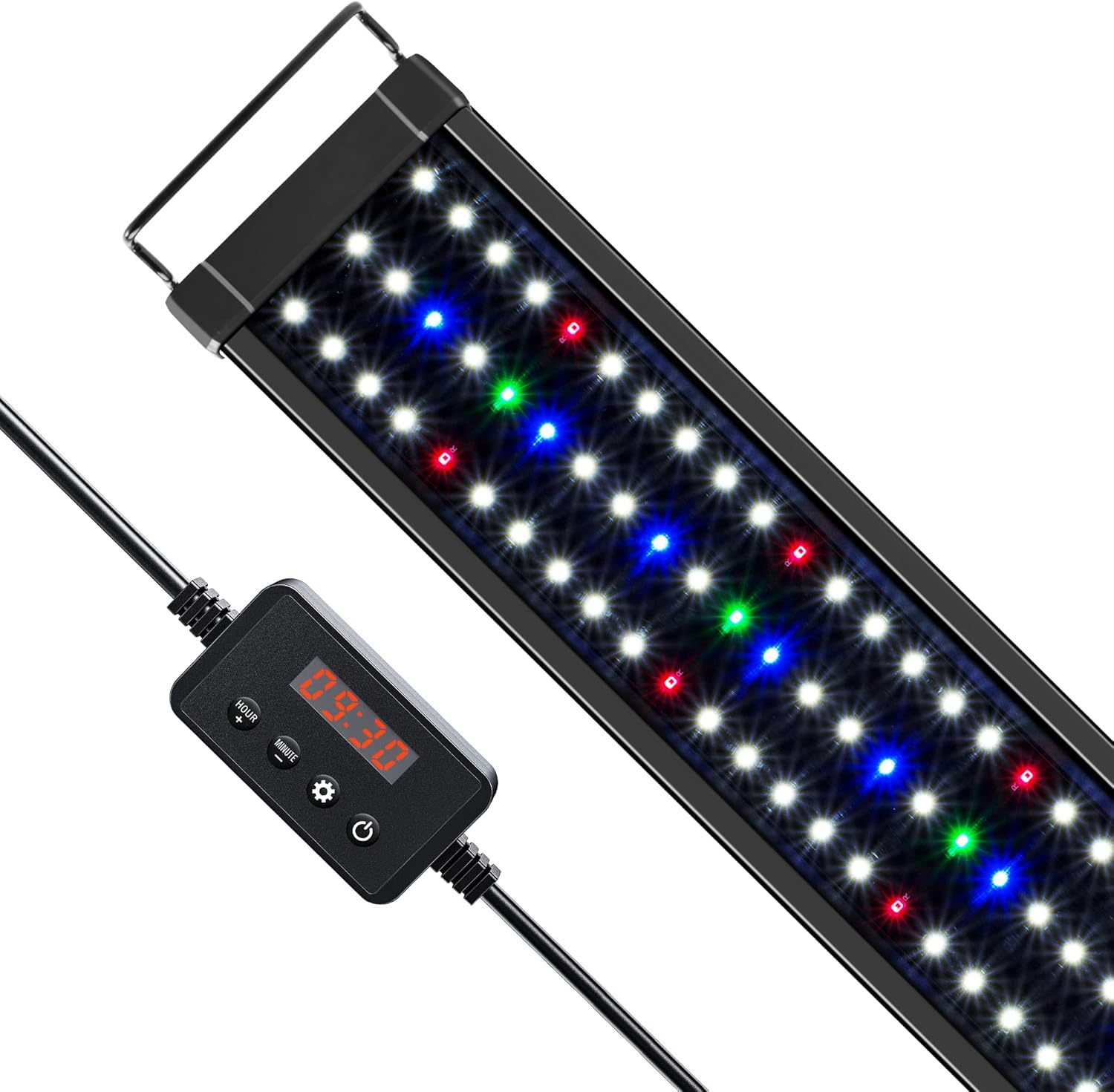


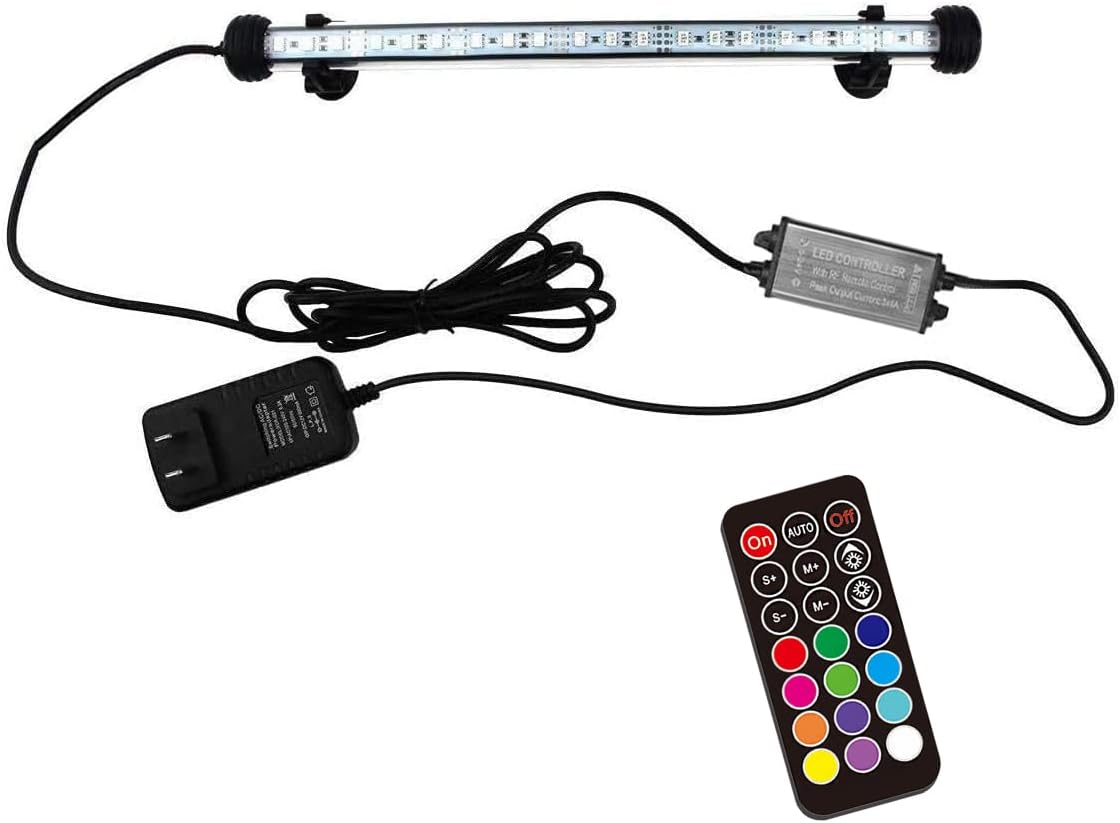

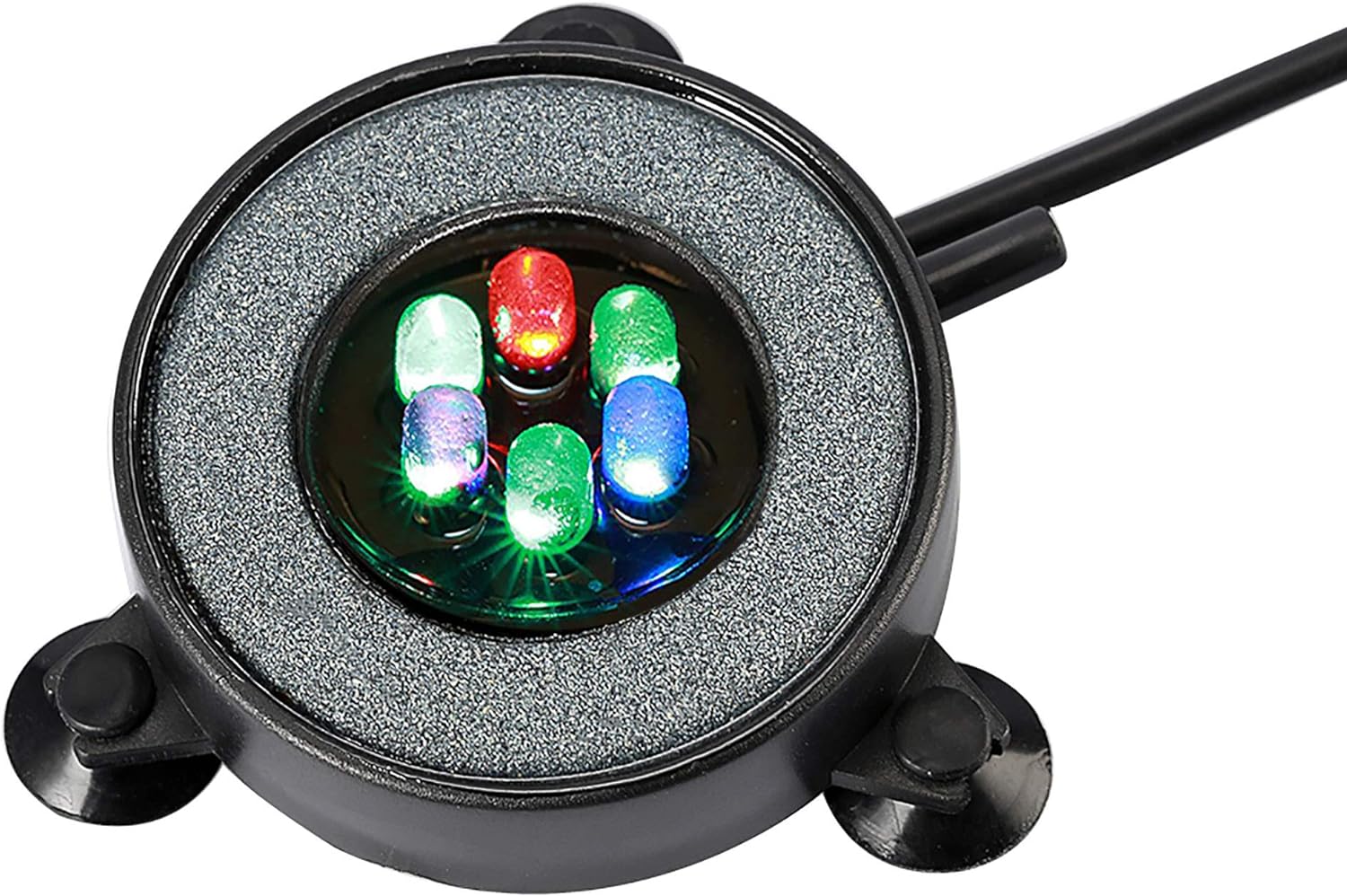


AQUANEAT
AQUANEAT LED Aquarium Light Blue and White for 12 Inch to 16 Inch Fish Tank Light Fresh Water Light
See current price


Lightahead
Lightahead Artificial Tropical Fish Decorative Sensory Aquarium Lamp Virtual Ocean in Motion (Marine Life A)
See current price


Popular brands in Aquarium Lights
Aquarium lighting affects how a tank looks and can support the needs of fish, plants, and other aquatic life. The right choice depends on your aquarium’s dimensions, the organisms inside it, and how much control you want over brightness and timing.
Use this catalog to compare specifications across aquarium lights from brands including NICREW, Aqueon, MingDak, Hygger, AQQA, Fluval, Finnex, JOYHILL, MarineLand, GloFish, Lightahead, and JackSuper. These brands are well represented in the catalog, but features can vary considerably between individual products.
How to choose aquarium lights
Start with the aquarium itself. Measure the tank’s length and check whether the light is designed to sit on a rim, rest across the top, clip onto a surface, or hang above the aquarium. A light that does not fit securely can be inconvenient to install and difficult to position evenly.
Next, consider what the light needs to do:
- Viewing only: A basic light can make fish and décor easier to see and may be suitable for a simple display tank.
- Live plants: Look for specifications describing plant-oriented illumination, adjustable intensity, and a spectrum intended for aquatic plants.
- Color effects: If appearance is a priority, compare color modes, selectable channels, and any dedicated nighttime or accent settings.
- Marine setups: Check whether the product is intended for marine use and whether its spectrum and output match the needs of the aquarium inhabitants.
The best option is not necessarily the brightest one. Excessive illumination can make algae management more difficult, while insufficient light may not meet the needs of live plants.
Aquarium light types and features
Most aquarium lights use LED technology because it can provide a compact fixture with adjustable output and multiple color options. However, LED products differ in layout, control method, spectrum, and coverage, so the word “LED” alone is not enough for comparison.
Common configurations include:
- Full-length bar lights: Useful for distributing light across longer aquariums when the fixture’s adjustable supports match the tank width.
- Clip-on lights: Often suited to smaller setups or aquariums where a compact, directional fixture is preferred.
- Submersible lights: Designed for placement in or near the water, but compatibility, sealing, and installation instructions deserve close attention.
- Programmable lights: Helpful when you want scheduled changes in brightness or color without manually adjusting the fixture every day.
Compare the stated coverage area with your tank’s length and depth. A fixture may illuminate the surface well while leaving lower areas or corners darker, depending on its design and mounting height.
Key specifications to compare
When reviewing aquarium lights, focus on specifications that affect daily use and compatibility:
- Dimensions and fit: Check the fixture length, adjustable range, mounting footprint, and clearance around the aquarium lid or rim.
- Brightness control: Dimming or multiple intensity levels provide more flexibility for acclimating fish, managing plants, and reducing glare.
- Light spectrum: Compare the available color channels and whether the product is intended for freshwater, planted, marine, or general display use.
- Timer and controls: Look for built-in timers, remote controls, app controls, or manual buttons according to how you prefer to operate the tank.
- Lighting modes: Sunrise, sunset, moonlight, and color presets may help create a more varied viewing schedule, but confirm which modes are actually included.
- Power and heat: Review the listed power requirements and ventilation guidance. The fixture should be suitable for the available outlet and installed as directed.
- Water resistance: Determine which parts are protected from splashes and whether the light may be placed near or under water. Do not assume every aquarium light is submersible.
Matching lighting to the aquarium
A freshwater fish-only aquarium usually gives you more flexibility than a planted or marine setup. For planted tanks, compare spectrum information, output controls, and coverage rather than choosing solely by appearance. Plant species, planting depth, water clarity, and aquarium height can all affect how much useful light reaches the leaves.
For marine aquariums, confirm that the fixture is designed for the intended livestock and setup. Saltwater environments can be demanding on equipment, so mounting position, splash protection, and maintenance access are especially important. Always follow the manufacturer’s installation and operating instructions.
Lighting should also fit the tank’s daily routine. A timer can help maintain a consistent schedule, while gradual transitions may be preferable to abruptly switching between darkness and full brightness. Keep the light duration appropriate for the aquarium and monitor the tank for unwanted algae growth or signs that the inhabitants are stressed.
Related aquarium equipment
Lighting works alongside other aquarium equipment. Browse Aquarium Pumps & Filters for water movement and filtration, or compare Aquarium Décor when planning the tank’s visual layout. Aquariums & Fish Bowls can help when the enclosure itself still needs to be selected.
For ongoing care, related categories include Aquarium Water Treatments, Aquarium Cleaners, and Food. Considering these items together can make it easier to check that the light, tank size, filtration, and maintenance routine are compatible.
Frequently asked questions
What type of light is suitable for a fish-only aquarium?
A general aquarium LED light may be suitable when the main goals are visibility and appearance. Compare its size, brightness controls, timer features, and mounting method with the tank.
Do aquarium plants need a special light?
Many live plants benefit from lighting with an appropriate spectrum and sufficient usable output. Check the light’s plant-related specifications and consider the plants’ placement and requirements.
How do I know if an aquarium light will fit?
Measure the aquarium’s length, rim or lid area, and available clearance. Then compare those measurements with the fixture dimensions and any stated adjustable range.
Are aquarium lights waterproof?
Not all aquarium lights are waterproof or submersible. Review the product’s water-resistance information and keep electrical connections away from splashes as directed.
Should an aquarium light have a timer?
A timer can make it easier to maintain a consistent lighting schedule. If scheduling is not built in, a compatible external timer may be an alternative, subject to the product’s instructions.
Can a bright light cause algae problems?
Excessive light duration or intensity can contribute to algae growth in some aquariums. Use available dimming or scheduling controls and adjust the routine while monitoring the tank.