

Aquarium Pumps & Filters
Compare aquarium pumps and filters by flow, filtration method, tank compatibility, noise, and maintenance needs. This guide helps narrow the catalog to equipment suited to your aquatic setup.
1,615 products in catalog
1,615 results
Filters
Spectrum Brands Pet
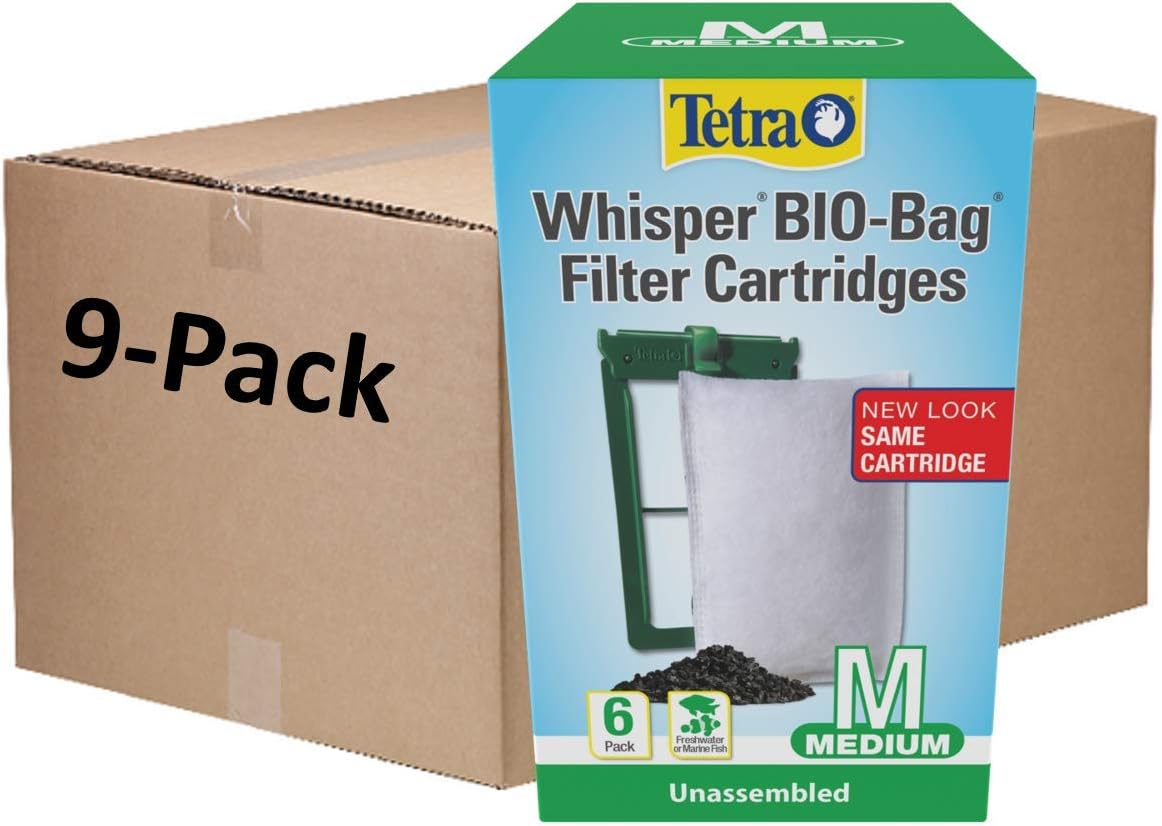
Tetra Whisper Bio-Bag Filter Cartridges for Aquariums - Ready to Use Medium
See current price

Tetra
Tetra Whisper Air Pump 40 To 60 Gallons, For Aquariums, Powerful Airflow, Non-UL Listed
See current price

MarineLand
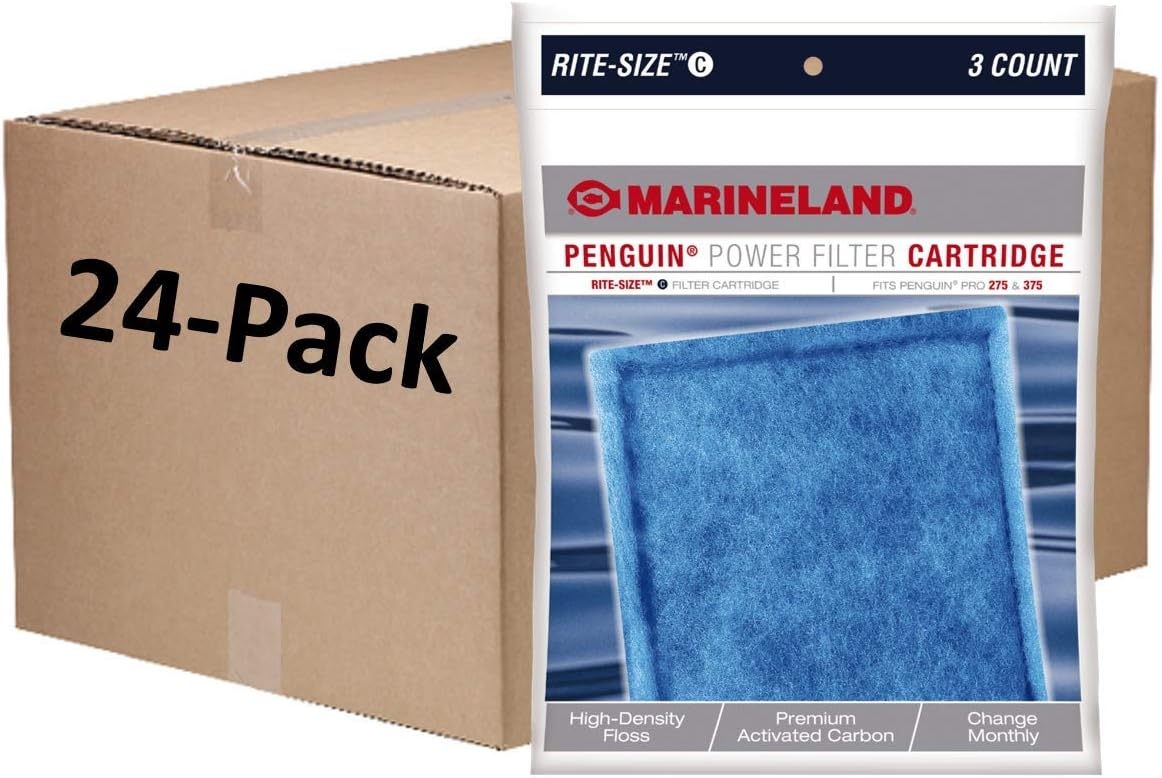
Marineland Penguin Bio-Wheel Power Filter 100 GPH, Multi-Stage Aquarium Filtration
See current price


Spectrum Brands Pet, LLC
Tetra Whisper Filter Cartridges 4 Count, Extra Small, For aquarium Filtration (AQ-78052),white
See current price

Rolf C. Hagen (USA) Corp.
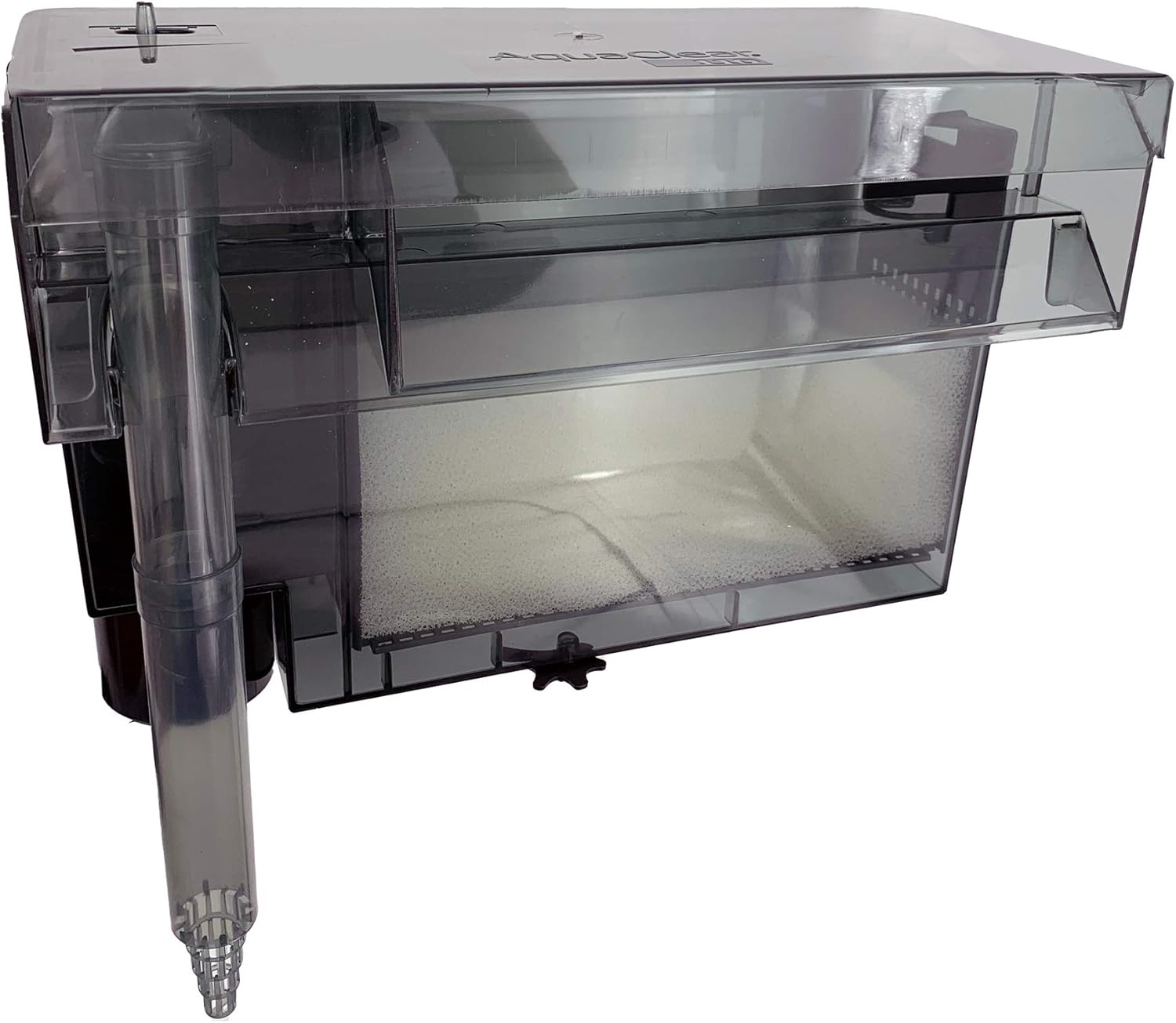
AquaClear 110 Power Filter, Fish Tank Filter for 60- to 110-Gallon Aquariums
See current price


Rolf C. Hagen (USA) Corp.
Fluval Carbon Filter Media for Aquariums, Premium Bituminous Carbon Inserts, 100-gram Nylon Bags, 3-Pack, A1440
See current price


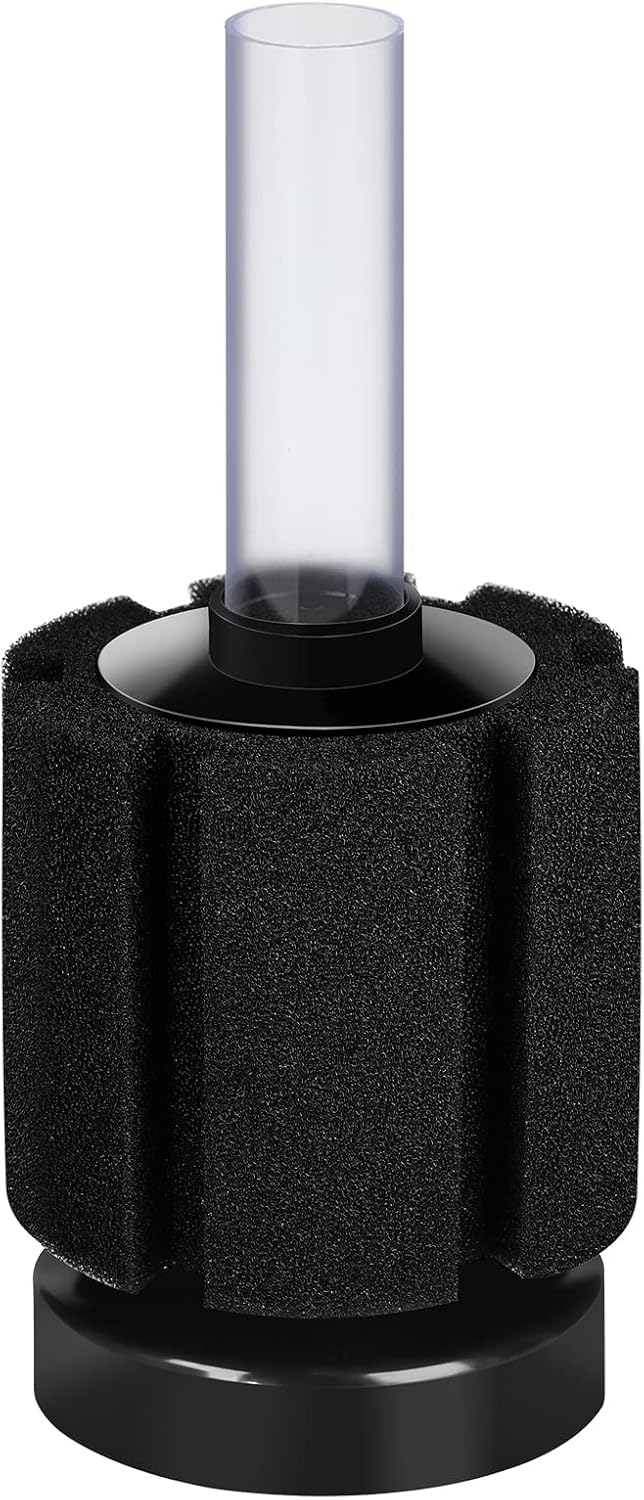
AQUANEAT
AQUANEAT Aquarium Bio Sponge Filter Breeding Fry Betta Shrimp Nano Fish Tank (Small up to 10Gal)
See current price

Spectrum Brands Pet, LLC
Tetra Whisper 4 Gallon Internal Power Filter, Filtration for 4 Gallon Aquariums
See current price
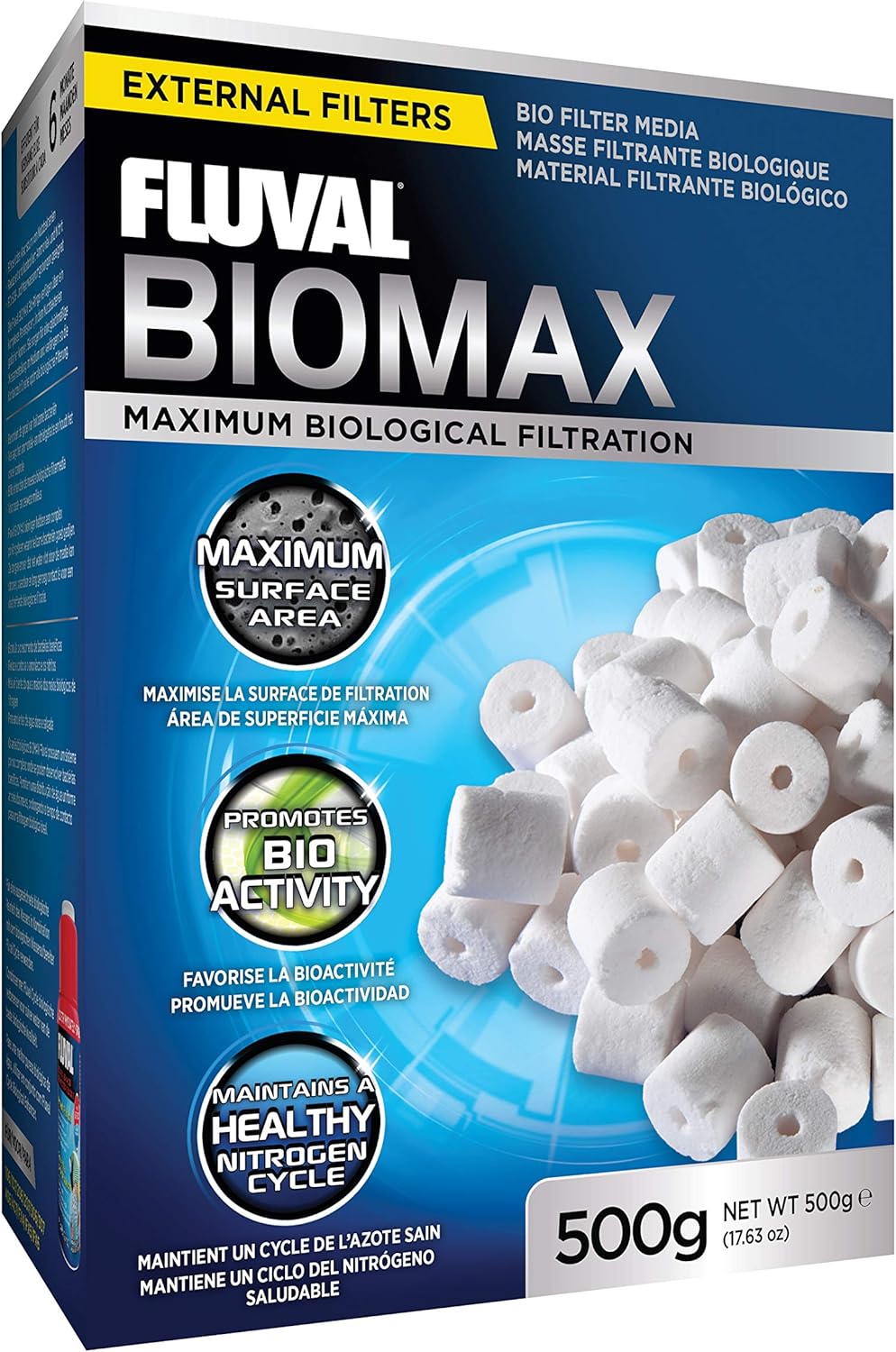
Fluval
Fluval BioMax Biological Material Remover, 500 g - Biological Filter Media for Aquariums
See current price


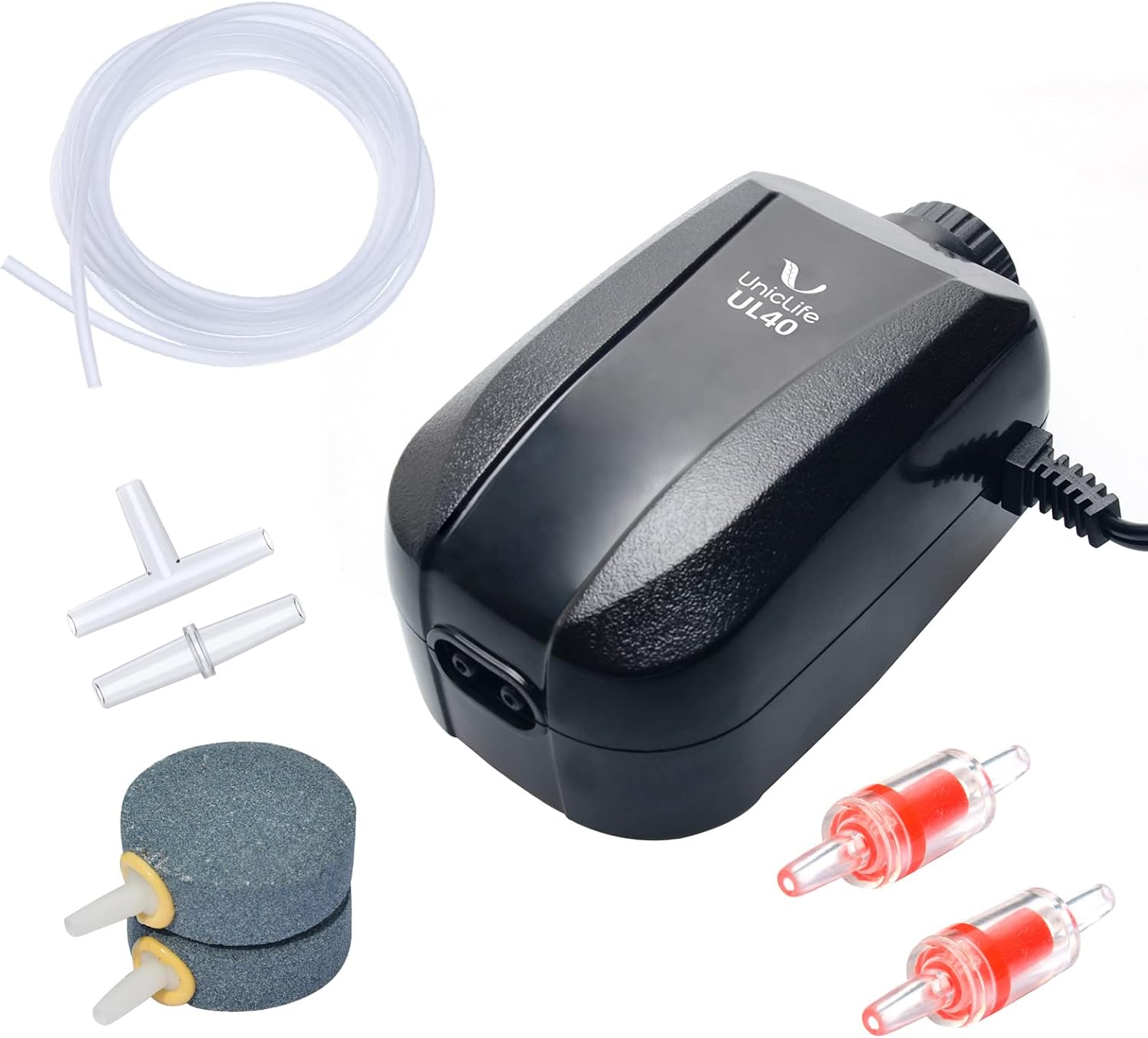
Uniclife
Uniclife Aquarium Air Pump Dual Outlet Fish Tank Aerator with Accessories for Up to 100 Gallon Tank
See current price

Rolf C. Hagen (USA) Corp.
Fluval 107 Perfomance Canister Filter for Aquariums up to 30 Gallons
See current price

MarineLand
Marineland Eclipse Replacement Filter Cartridges, For aquarium Filtration
See current price
Popular brands in Aquarium Pumps & Filters
Choosing the right aquarium pump or filter helps maintain water movement, oxygen exchange, and cleaner conditions for fish and other aquatic pets. The best match depends on your aquarium’s size and layout, the species you keep, and how much routine maintenance you want to handle.
This category includes equipment for filtration, circulation, aeration, and water features. Compare the specifications carefully rather than choosing by appearance alone, since flow rate, media capacity, installation style, and replacement parts all affect everyday use.
How to choose aquarium pumps and filters
Start by identifying the job the equipment needs to perform. A filter removes or captures waste, while a pump moves water through the filter, around the aquarium, or to another feature. Some equipment combines several functions, but not every pump provides filtration and not every filter is designed to create strong circulation.
Consider these factors before comparing individual products:
- Aquarium size and water volume: Choose equipment rated for your setup, allowing for the effect of decorations, substrate, and filter media on actual circulation.
- Tank inhabitants: Fish that prefer calm water may need gentler flow, while some species benefit from stronger movement and increased oxygenation.
- Installation space: Check whether the aquarium can accommodate an internal unit, a hang-on-back filter, an external canister, or a separate air pump.
- Maintenance routine: Accessible media and simple cleaning can matter more than maximum capacity if you want straightforward upkeep.
- Noise and energy use: These are especially important for aquariums in bedrooms, offices, or living areas.
Common aquarium pump and filter types
Hang-on-back filters attach to the rear rim and return filtered water to the tank. They are convenient for many community aquariums and keep much of the equipment outside the display area. Verify that the tank rim and water level are compatible with the design.
Internal filters sit inside the aquarium and can suit smaller setups or tanks where external clearance is limited. They are often easy to install, but the unit occupies space inside the aquarium and may need regular cleaning to maintain flow.
Canister filters use an external housing with room for multiple media stages. They can be useful when you want flexible mechanical, biological, and chemical filtration, although hose routing and maintenance require more planning.
Sponge filters provide gentle filtration and are often paired with an air pump. They can work well in breeding or low-flow environments, but the air pump, airline, and check valve must be arranged safely.
Water and air pumps may be used for aeration, circulation, fountains, or other aquarium features. When comparing them, look for adjustable output, lift capability, connection size, and whether the pump is intended for submerged or external use.
Specifications and features to compare
Flow information is one of the most important specifications, but it should not be considered in isolation. A pump’s output can change with lift height, tubing, bends, clogged media, and other resistance. Look for a clear flow adjustment if the aquarium contains fish that prefer slower movement.
For filters, compare the available media stages and the amount of room for media. Mechanical media captures visible particles, biological media supports beneficial bacteria, and chemical media can be used for specific water-management goals. Check whether media is reusable, replaceable, or proprietary before buying.
Also review the following details:
- Power requirements and cord length for the intended location
- Submersible or external operation and any required water level
- Outlet and tubing compatibility with existing equipment
- Impeller access for cleaning and replacement
- Adjustable return direction or spray-bar options
- Included accessories, such as suction cups, intake guards, airline, or media
- Replacement-part availability for media, impellers, seals, and tubing
Installation, safety, and maintenance
Place the intake where it can circulate water without pulling in large debris or disturbing the substrate. Use an intake guard when appropriate, and keep the return flow from creating excessive surface turbulence or splashing. Air pumps should generally be positioned above the aquarium waterline or used with a check valve to help prevent back-siphoning during a power interruption.
Follow the product instructions for priming, cleaning, and media replacement. Avoid washing biological media with untreated tap water if doing so could damage the established beneficial bacteria. Inspect cords, tubing, seals, and impellers regularly, and disconnect electrical equipment before placing hands in the aquarium.
A filter is only one part of aquarium care. Use suitable Aquarium Water Treatments, and choose Aquarium Cleaners for removing algae and debris from the glass, substrate, and other surfaces. Water flow should also complement the layout, including Aquarium Décor that may block intakes or create sheltered areas.
Brands in the catalog
The catalog includes aquarium equipment from Rolf C. Hagen (USA) Corp., AQUANEAT, Penn-Plax, Fluval, MarineLand, Tetra, Aqueon, Pawfly, Eheim, Hygger, ALEGI, and Sunsun. These brands are represented across different equipment formats and feature sets. Compare the specifications, included components, maintenance requirements, and replacement-media options for each product rather than relying on brand name alone.
For a complete setup, you can also compare Aquariums & Fish Bowls, Aquarium Lights, and Food alongside pumps and filters.
Frequently asked questions
Do aquarium pumps and filters do the same thing?
Not always. A filter is designed to process water through filtration media, while a pump primarily moves water. Some filters include pumps, and separate pumps may be used for aeration or circulation.
How much flow does an aquarium need?
The suitable flow depends on aquarium volume, livestock, filter design, and the desired water movement. Follow the product’s specifications and choose adjustable output when inhabitants may be sensitive to strong currents.
Is a canister filter better than an internal filter?
Neither is universally better. Canister filters generally offer external placement and flexible media capacity, while internal filters can be simpler to install where cabinet or rear clearance is limited.
How often should aquarium filter media be cleaned?
Clean media when flow drops or debris builds up, following the manufacturer’s instructions. Avoid replacing or cleaning all biological media at once if that could disrupt the aquarium’s established filtration.
What should be checked before buying an aquarium pump?
Confirm the pump’s intended placement, flow adjustment, lift capability, power requirements, connection size, operating depth, and compatibility with the aquarium and any tubing or accessories.