

Fish Food
Compare fish food by format, ingredients, species compatibility, and feeding needs. Browse catalog listings to find options suited to your aquarium and its inhabitants.
588 products in catalog
588 results
Filters



HARRIS
HARRIS Diatomaceous Earth Food Grade, 2lb with Powder Duster Included in The Bag
See current price


Tetra
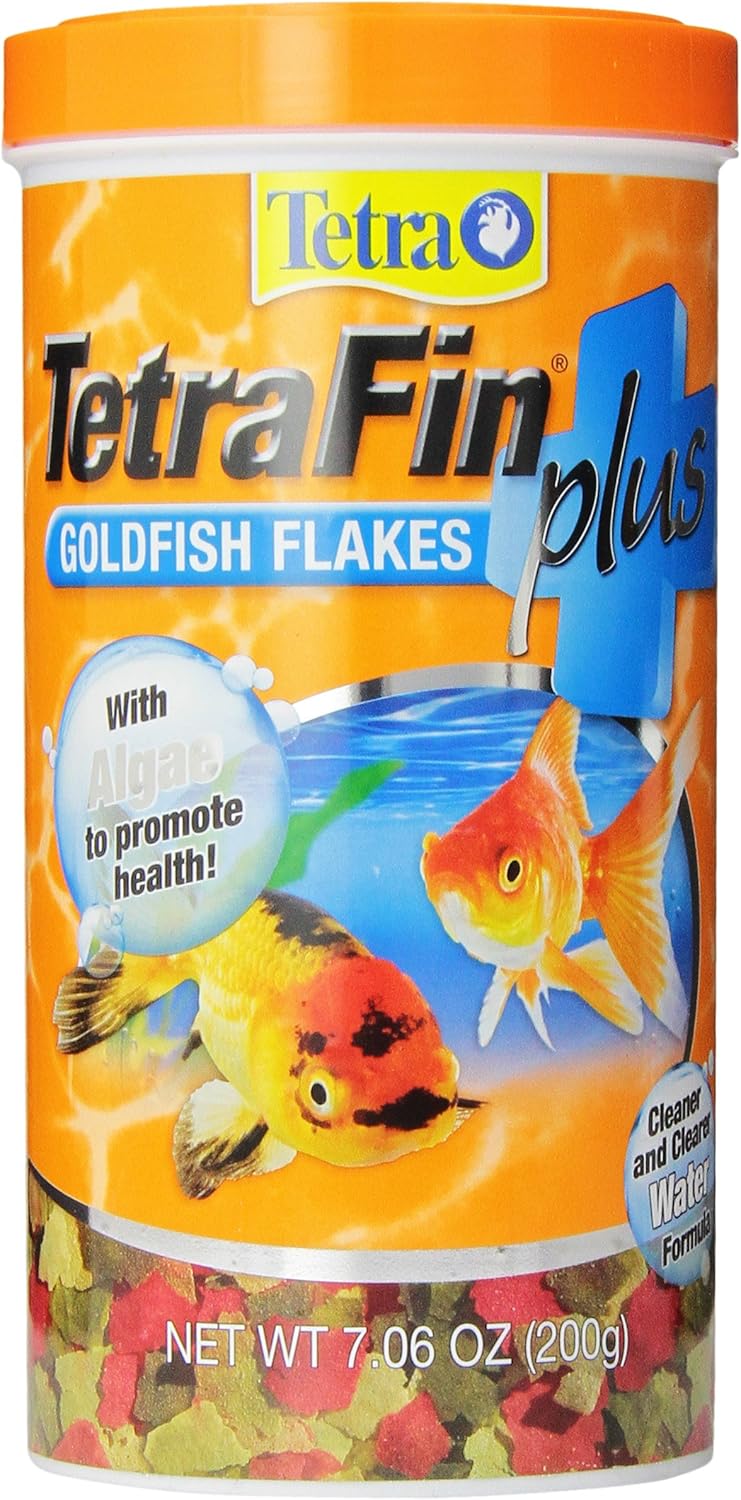
TetraFin Plus Goldfish Flakes 7.06 Ounces, Balanced Diet, With Algae To Promote Health
See current price

Rolf C. Hagen (USA) Corp.
Fluval Bug Bites Tropical Fish Food, Small Granules for Small to Medium Sized Fish, 1.6 oz., A6577
See current price

Tetra
Tetra ReptoMin Floating Food Sticks 1.43 Pounds, For Aquatic Turtles, Newts And Frogs
See current price
Tetra
TetraFin Plus Goldfish Flakes 7.06 Ounces, Balanced Diet, With Algae To Promote Health
See current price



![Blue Ridge Fish Food [14lb], Platinum Professional Formula 3/16" Floating Pellet, Koi and Goldfish](https://m.media-amazon.com/images/I/61GIAMz+bRL._AC_SL1500_.jpg)
Blue Ridge Fish Hatchery
Blue Ridge Fish Food [14lb], Platinum Professional Formula 3/16" Floating Pellet, Koi and Goldfish
See current price
Popular brands in Food
Choosing fish food is about more than selecting a container labeled for aquarium use. Fish have different feeding behaviors and nutritional needs, while food format affects how quickly it is eaten, where it moves through the tank, and how easy it is to portion. K-Catalog helps you compare listed specifications and features before checking current availability on Amazon.
The right choice depends on the species in your aquarium, whether fish feed at the surface or bottom, and how often you plan to feed. It is also useful to consider the number and size of fish, the presence of invertebrates, and whether the food is intended for everyday feeding or occasional variety.
How to choose fish food
Start with the species and habitat rather than the package size. Look for labeling that matches freshwater, saltwater, tropical, coldwater, community, or species-specific use as appropriate for your aquarium. Some foods are designed for particular feeding zones or life stages, so compatibility should be checked before comparing other features.
Consider these factors:
- Diet and ingredients: Compare the listed protein sources, plant ingredients, algae, vitamins, and other nutritional components. The ingredient list can help you identify whether a product suits carnivorous, herbivorous, omnivorous, or general community fish.
- Food size: Pellets, granules, and flakes come in different sizes. Smaller fish and fry generally need food they can manage easily, while larger fish may require a larger format.
- Feeding behavior: Floating foods suit fish that feed near the surface, while sinking foods can be more useful for midwater or bottom-feeding species.
- Portion control: Foods that are easy to measure can help reduce overfeeding. Follow the product directions and remove uneaten food when appropriate.
- Storage: Check packaging guidance for sealing, moisture protection, and shelf life after opening. Keeping food dry and clean helps preserve its intended condition.
Common types of aquarium food
Flakes are familiar for community aquariums and can be portioned into small amounts, but they may break apart quickly. Pellets and granules are available in floating and sinking formats and can make it easier to select a food size and feeding zone. Wafers and tablets are often considered for bottom feeders or tanks where food needs to stay in place longer.
Freeze-dried and frozen foods can provide variety alongside a staple diet. Gel foods may be useful when a soft or moldable format is preferred. Foods intended for fry or juvenile fish require especially close attention to particle size. Always compare the intended species, feeding zone, and preparation instructions rather than assuming one format will suit every tank.
Key specifications and features to compare
Product listings may differ in the details they provide, so compare the information that matters most for your setup. Useful specifications include:
- Intended fish type, species, or aquarium environment
- Food format, texture, and whether it floats or sinks
- Pellet, flake, granule, wafer, or tablet size
- Primary ingredients and guaranteed analysis, where provided
- Whether the food is a staple diet, treat, color-focused formula, or specialty diet
- Container type and resealing features
- Feeding instructions and storage recommendations
A varied diet can be appropriate for some community aquariums, but variety should not replace checking the nutritional suitability of each product. If your aquarium contains fish with different diets, compare whether one food is suitable for the whole tank or whether separate foods are more practical.
Brands represented in the catalog
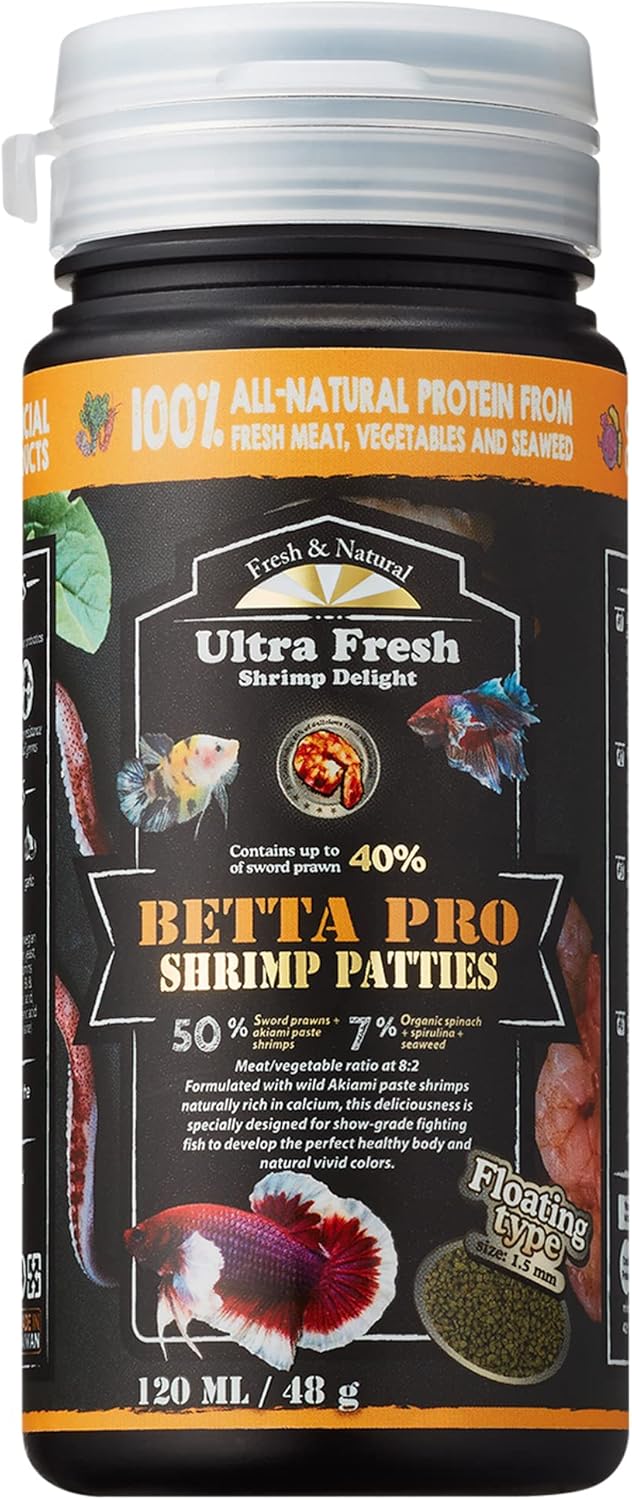
The catalog includes fish food from brands such as Tetra, HIKARI, Omega One, Sera, New Life Spectrum, San Francisco Bay Brand, Fluval, Ocean Nutrition, Zoo Med, Aqueon, Repashy, and Ultra Fresh. These listings may cover different formats, ingredients, and intended uses, so compare the specifications of individual products rather than relying on brand name alone.
Related aquarium supplies
Food works alongside the rest of an aquarium’s setup. Browse Fish & Aquatic Pets for the broader category, or compare Aquarium Pumps & Filters when filtration and water movement are part of your setup. Aquarium Water Treatments can help you review products related to maintaining aquarium water, while Aquarium Cleaners covers tools for routine maintenance.
Tank layout and lighting can also affect how fish behave during feeding. Compare Aquarium Décor and Aquarium Lights when planning the environment around your fish.
Feeding and storage tips
Feed only what fish can consume within the time recommended on the product label. Uneaten food can affect water quality, so observe how quickly the fish eat and adjust portions carefully. Feed at a consistent time when possible, and avoid mixing foods without checking whether each one is suitable for the species in the tank.
Keep containers tightly closed and store food according to the label. Use clean, dry utensils rather than wet hands, and check the appearance and smell of food before use. When introducing a new formula, compare its instructions with the needs of the fish and make changes gradually if appropriate.
Frequently asked questions
What type of food is best for aquarium fish?
There is no single best type for every aquarium. Choose based on species, diet, fish size, feeding zone, and whether the food is intended as a staple or occasional variety.
Are flakes or pellets better?
Both can be suitable. Flakes are easy to portion for many community fish, while pellets and granules offer different sizes and floating or sinking behavior. Compare the format with how your fish feed.
How do I choose food for bottom-feeding fish?
Look for a sinking food or wafer labeled for appropriate bottom-feeding species. Check the food size and ingredients to make sure it fits the fish in your aquarium.
Can one food suit all fish in a community tank?
Sometimes, but not always. Fish with different diets, body sizes, or feeding zones may need more than one format or formula. Check each product’s intended use.
How should fish food be stored?
Follow the package instructions, keep the container sealed, and protect the food from moisture, heat, and contamination. Use clean, dry hands or utensils when portioning.