
![Utopia Towels Kitchen Towels [6 Pack], 15 x 25 Inches, 100% Ring Spun Cotton Super Soft and Absorbent Dish Towels, Tea Towels and Bar Towels (Aqua)](https://m.media-amazon.com/images/I/A1C-9HMae2L._AC_SL1500_.jpg)
Kitchen & Table Linens for Everyday Dining
Compare kitchen and table linens by material, size, construction, care needs, and design to find practical options for cooking, serving, and everyday dining.
10,796 products in catalog
10,796 results
Filters




Amazon Basics
Amazon Basics Silicone Hot Skillet Rectangular Handle Cover Holder, Black
See current price
![Utopia Kitchen Purple Cloth Napkins [12 Pack, 18x18 Inch] Cotton Blend Washable and Reusable Table Dinner Napkins for Hotel, Lunch, Restaurant, Weddings, Event and Parties](https://m.media-amazon.com/images/I/71Wcp2RhwOL._AC_SL1500_.jpg)


![KMAT Kitchen Mat [2 PCS] Cushioned Anti-Fatigue Area Rug Sets, Waterproof Non-Slip Kitchen Mats and Rugs Heavy Duty PVC Ergonomic Comfort Foam Rug for Kitchen, Floor Home, Office, Sink,Blue](https://m.media-amazon.com/images/I/81hPBXuGSoL._AC_SL1500_.jpg)


Big Red House
Big Red House Heat-Resistant Oven Mitts - Set of 2 Silicone Kitchen Oven Mitt Gloves, Turquoise
See current price

Covers For The Home
Covers For The Home Deluxe Elastic Edged Flannel Backed Vinyl Fitted Table Cover - Basketweave (Green) Pattern - Banquet - 8' x 30"
See current price


Popular brands in Kitchen & Table Linens
Kitchen and table linens bring both function and style to food preparation and dining spaces. The category includes items for drying dishes, handling hot cookware, protecting surfaces, serving meals, and setting a table. Because appearance, comfort, durability, and care requirements can vary widely, comparing specifications and features helps narrow the selection.
Start by considering where the linen will be used most. A hardworking kitchen may call for absorbent, easy-care textiles, while a dining area may benefit from coordinated pieces with a more decorative finish. For mixed use, look for materials and construction that balance practicality with a style that suits the room.
How to choose kitchen and table linens
Identify the task before comparing patterns or colors. A towel used for drying hands has different priorities from a cloth used beneath dishes, while a textile used near hot cookware needs appropriate heat-handling properties and a secure grip.
Key considerations include:
- Purpose: Decide whether the item is intended for drying, covering, serving, protecting a surface, handling cookware, or adding decorative detail.
- Material: Cotton, linen, blends, microfiber, and synthetic fabrics can differ in absorbency, texture, drying time, and resistance to wrinkles.
- Size and coverage: Check the listed dimensions against your counters, table, trays, or cookware. A larger piece may provide more coverage, but it can also be harder to fold and store.
- Care instructions: Machine-washable textiles are convenient for frequent use. Some fabrics may require gentle cycles, low heat, line drying, or ironing.
- Construction: Inspect details such as hems, stitching, seams, loops, quilting, and layered designs. These features can affect durability and everyday handling.
- Style: Coordinate colors, patterns, and textures with cabinets, tableware, and other kitchen or dining accessories.
If a linen will be used around food, also check the product description for intended use and any material-specific care guidance. Decorative textiles may not be designed for direct contact with food or high-heat tasks.
Common types and uses
Kitchen & Table Linens is a broad category, so shoppers may encounter several types of products even when the main purpose is similar. Understanding the role of each type makes product comparisons more useful.
Kitchen towels and dish cloths
These are commonly selected for drying hands, dishes, cookware, or work surfaces. Compare absorbency, texture, thickness, and drying time. A towel that feels soft may be comfortable for hands, while a less bulky cloth may be easier to use around dishes and appliances. Loops or hanging tabs can make storage more convenient.
Tablecloths, runners, and placemats
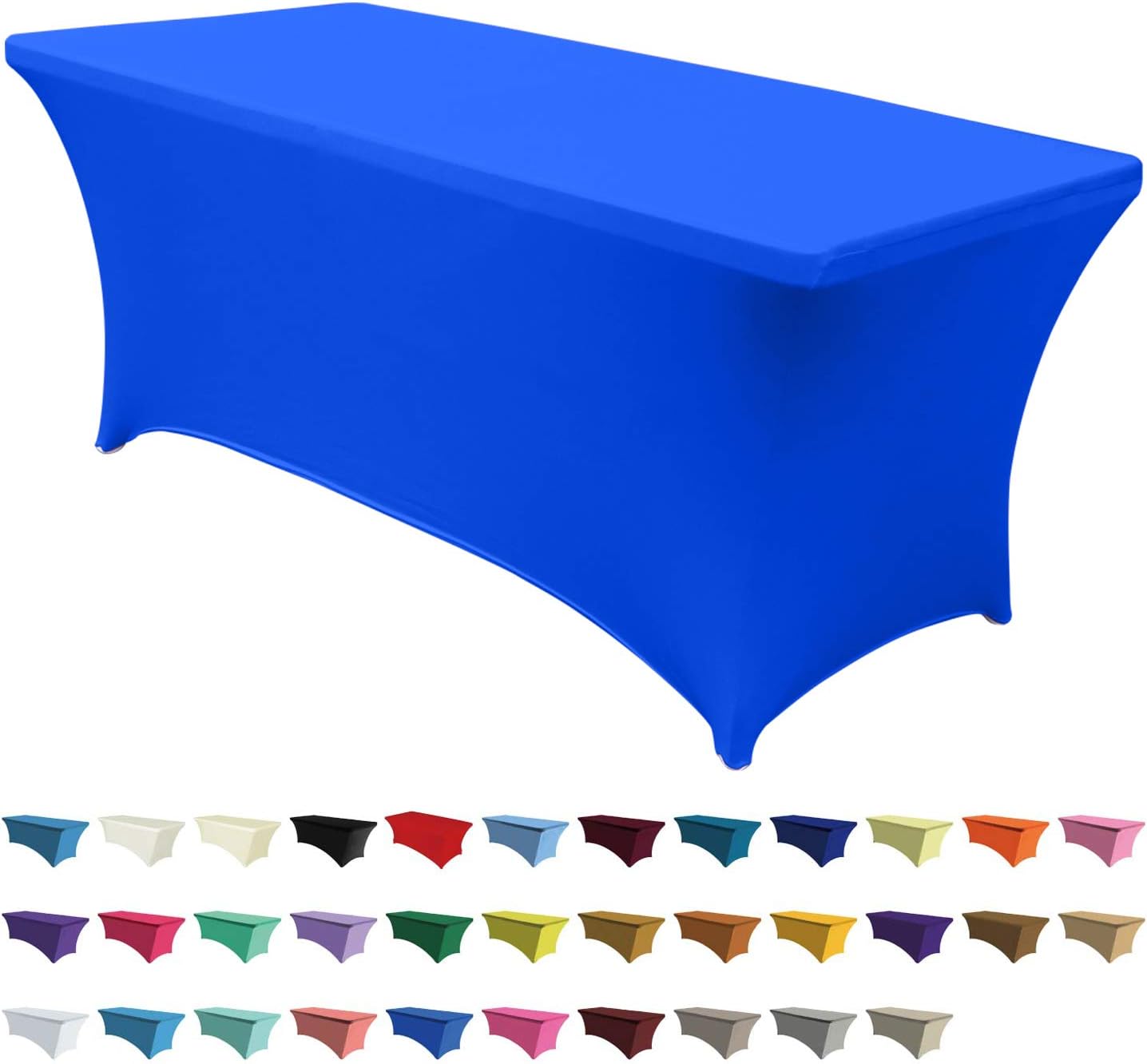
Table coverings help define a dining setup while protecting the surface from spills, marks, and heat. Compare the textile’s dimensions with the table or serving area, allowing for the desired amount of overhang. Runners can add a centered accent without covering the entire table, while placemats offer individual place settings and can be easier to remove after a meal.
Napkins and serving textiles
Napkins may be chosen for everyday meals, entertaining, or seasonal table settings. Fabric weight, softness, absorbency, and laundering requirements are especially important when napkins will be used regularly. Coordinated sets can create a consistent look, but individual pieces may provide more flexibility when replacing or mixing colors.
Oven mitts, pot holders, and related items
For hot cookware, prioritize the product’s stated heat protection, coverage, flexibility, and grip. A mitt should allow enough movement to hold a pan securely, while a pot holder may be useful for brief handling or protecting a counter. Always follow the manufacturer’s usage guidance, since textile construction and heat resistance vary.
Features and specifications to compare
Product descriptions often provide details that are easy to overlook but useful for choosing between similar options. Check whether the listing identifies the fabric composition, weave, finish, lining, or number of layers. Quilted or padded construction may provide structure and protection, while lighter fabrics may fold more compactly and dry faster.
Dimensions matter for both performance and storage. Measure the intended area when selecting table coverings, and consider drawer or cabinet space for folded linens. For towels and cloths, compare the size with the job: smaller pieces may be convenient for quick tasks, while larger towels can provide greater coverage.
Pay attention to set contents and care details. A product may include matching pieces, assorted designs, or a single item, so verify what is included before comparing options. Care instructions can also influence long-term convenience, particularly if the textile will be washed frequently.
Color and pattern should be evaluated alongside maintenance. Light colors can create a clean, understated look but may show stains more readily. Darker or patterned designs may be more forgiving for everyday use, while neutral pieces can coordinate with changing seasonal décor.
Brands represented in the catalog
The catalog includes kitchen and table linen products from DII, LEEVAN, Artoid Mode, Newbridge, Remedios, Benson Mills, OstepDecor, ColorBird, Lahome, Aneco, KAF Home, and Ambesonne. These brands may offer different combinations of fabric, dimensions, patterns, construction, and intended use.
Brand name alone is not a substitute for checking the product details. Compare the specifications for each individual item, including materials, measurements, set contents, care instructions, and stated purpose. This is particularly important when choosing between products that look similar but are designed for different tasks.
Coordinating a practical kitchen and dining setup
Linens work best when selected as part of the way a space is used. Keep frequently used towels near the sink or preparation area, and choose storage that allows damp textiles to dry fully before folding. Reserve decorative table linens for occasions when their care requirements and coverage suit the meal.
For a coordinated setup, start with a versatile base color and add patterns through runners, napkins, or smaller accents. If you regularly prepare food, prioritize easy laundering and quick drying. If entertaining is the main goal, consider how table coverings, napkins, and serving pieces will look together. Related categories such as Dining & Entertaining can help complete a table setting, while Storage & Organization offers options for keeping textiles and other kitchen items arranged.
Linens can also be compared alongside the tools and equipment used in the same workspace. Browse Kitchen Utensils & Gadgets, Bakeware, Cookware, or Small Appliances when planning a broader kitchen setup.
Care, cleaning, and storage tips
Follow the care label rather than assuming all textiles can be washed or dried in the same way. Wash new colored items according to the instructions, separate pieces when color transfer is a concern, and avoid storing linens while they are still damp. Promptly treating food or grease stains may be easier than waiting for them to set.
Use separate textiles for different purposes when practical. Keeping a dedicated set for hands, dishes, counters, and hot cookware can reduce cross-use and make the kitchen easier to manage. Replace items when seams have opened, padding has compressed, or absorbency and grip have noticeably declined.
Frequently asked questions
What should I look for in an everyday kitchen towel?
Compare absorbency, drying time, fabric feel, size, and washing instructions. A towel used often should be easy to launder and convenient to hang or store.
How do I choose the right tablecloth size?
Measure the table and check the product dimensions. Then decide how much overhang you want on each side, while accounting for chairs and the way the table is used.
Are placemats or a tablecloth better for protecting a table?
Placemats provide focused coverage beneath individual settings, while a tablecloth covers a larger area. The better choice depends on the table size, meal style, cleaning routine, and desired appearance.
What matters most when choosing oven mitts or pot holders?
Check the stated heat protection, coverage, flexibility, lining, and grip. Select a design that allows you to handle cookware securely and follow its usage instructions.
How can kitchen linens stay fresh between uses?
Allow damp items to dry completely before folding or placing them in storage. Wash them according to the care label and keep clean textiles separate from used or wet ones.