
Amazon Basics
Amazon Basics High-Density Round Foam Roller for Exercise, Massage, Muscle Recovery - 12", 18", 24", 36"
See current price

Compare balance trainers by construction, stability, size, and intended use. Explore equipment for mobility work, core training, athletic conditioning, and home exercise.
611 products in catalog
611 results
Amazon Basics
See current price


Yes4All
See current price


Gimme 10
See current price

Yes4All
See current price

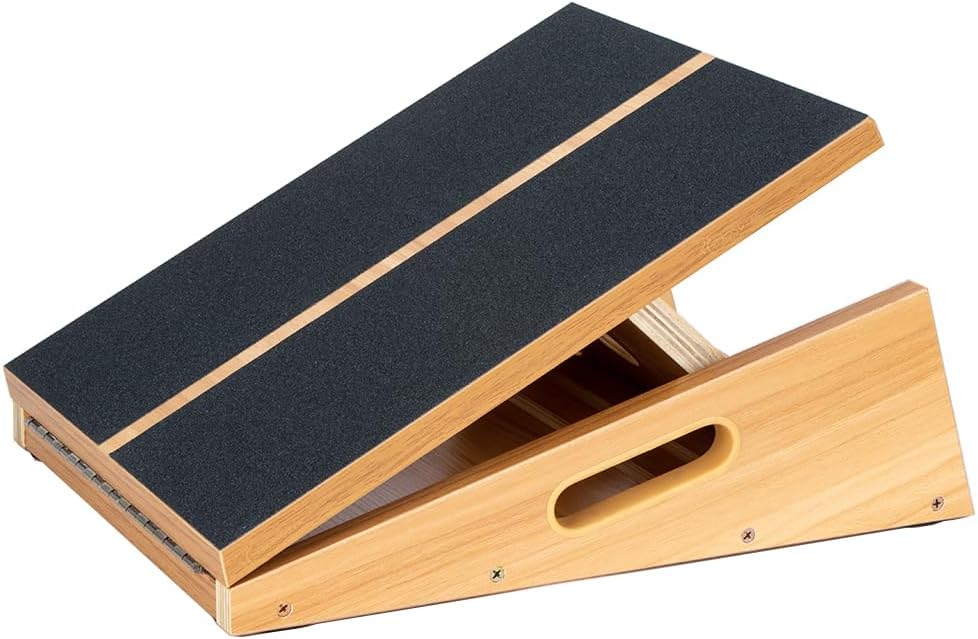


LuxFit
See current price

321 STRONG
See current price


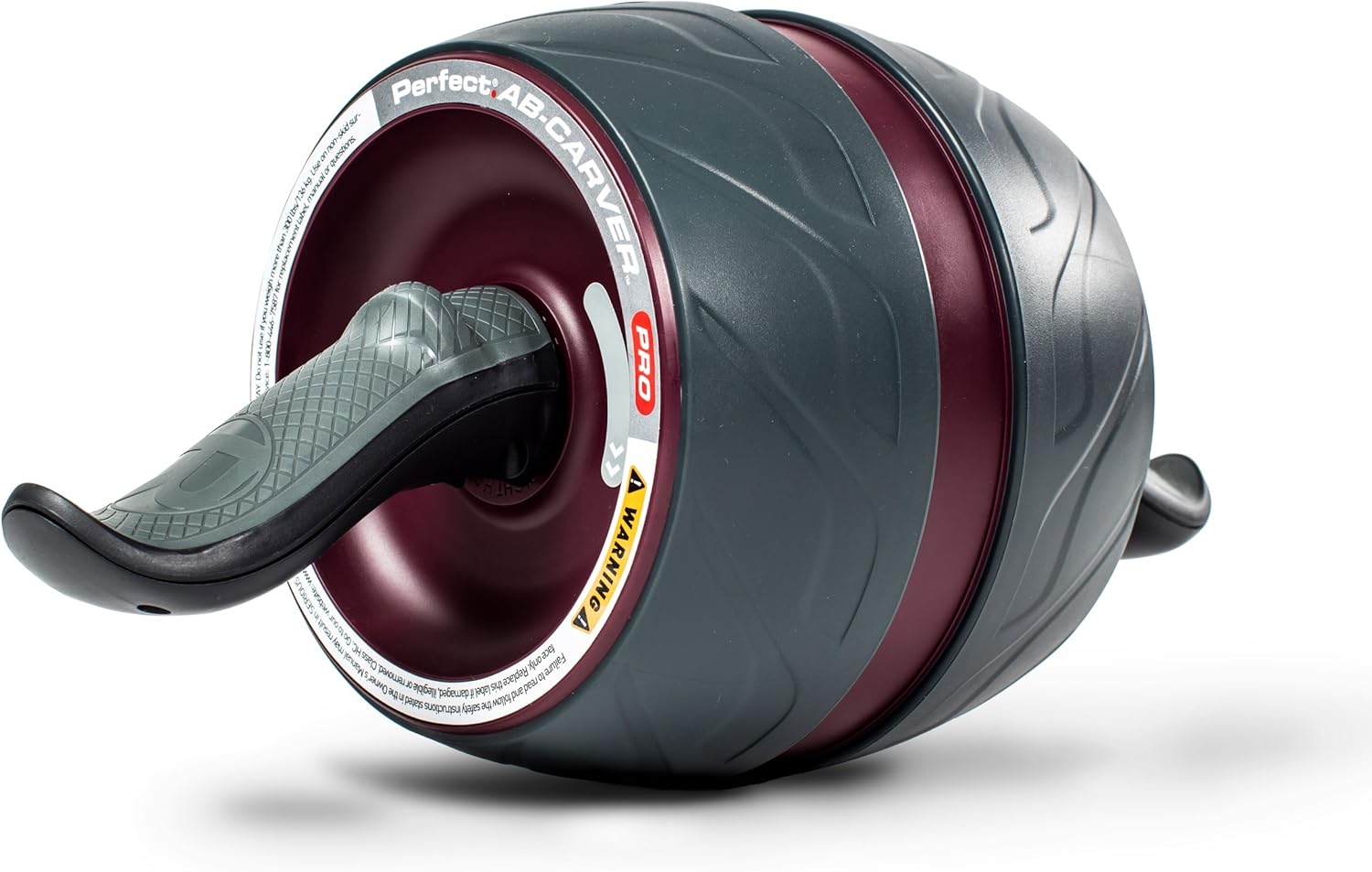
Balance trainers create an unstable surface that encourages controlled movement, body awareness, and postural engagement. Depending on the design, they can support balance practice, core exercises, lower-body conditioning, stretching, or rehabilitation routines.
K-Catalog helps shoppers compare product specifications and features before visiting Amazon to check availability and the current price. The right choice depends on your experience, available space, exercise goals, and how much support you need while training.
Start by considering the type of movement you plan to perform. A beginner working on basic stability may prefer a wide, predictable platform or a balance cushion with adjustable firmness. More experienced users may want a less stable surface that makes exercises more demanding.
Consider these factors before choosing:
Balance equipment varies considerably in shape and how it responds to movement. Understanding the main formats can make product comparisons easier.
Wobble boards pivot or tilt as weight shifts from side to side. They suit users who want active balance practice and controlled ankle, leg, or core exercises. Look for a platform size that gives you enough room to stand comfortably and a base that matches your experience level.
Inflatable discs and balance cushions compress or move beneath the user. They can be used while standing or placed on a chair to introduce subtle instability during seated work. Adjustable inflation is useful when you want to change the amount of movement over time.
Dome-shaped trainers offer a broad platform with a curved or unstable base. Some can be used with the platform facing up or down, creating different training sensations. These designs are often suitable for squats, lunges, core movements, and general conditioning when the user has enough room to move safely.
Foam balance products provide a less rigid surface for standing drills, rehabilitation routines, and proprioception work. Compare the foam density, surface texture, dimensions, and cleaning requirements, especially if the trainer will be used frequently or shared by several people.
Construction affects both feel and durability. Rigid plastic or composite platforms may provide a responsive training surface, while rubber, foam, or inflatable materials can offer a different level of cushioning and movement.
Pay close attention to the manufacturer’s stated weight capacity and intended use. This is particularly important for dynamic exercises or when the trainer will be used with additional equipment. Product dimensions also matter: a larger platform can feel more reassuring, but a compact design may be easier to store.
Other useful details include:
The balance trainer catalog includes products from YOGU, BODYMATE, Yes4All, Isokinetics, USA Foam Roller Fitness Products, OPTP, BOSU, JFIT, StrongTek, RumbleRoller, Day 1 Fitness, and Fitterfirst. These brands may offer different approaches to shape, materials, stability, and intended training use, so compare the individual product specifications rather than choosing by brand name alone.
Balance trainers can also complement equipment in Strength Training Equipment, especially for users who want to add stability challenges to familiar movements. Related Accessories may help with setup, storage, or workout organization.
Use the equipment on a clear, level surface and begin near a wall, sturdy support, or another stable structure if you are unfamiliar with the design. Start with controlled movements and progress gradually rather than forcing instability before you can maintain good posture.
Wear footwear that provides suitable traction, or follow the manufacturer’s guidance for barefoot use. Inspect inflatable, foam, and rubber components for damage, and keep the surface clean and dry. Stop if an exercise causes pain, dizziness, or loss of control. If you are recovering from an injury or managing a medical condition, ask a qualified professional whether this type of equipment is appropriate.
For routines focused on flexibility and controlled movement, browse Yoga. Users building a broader workout plan may also compare Fitness Technology or Cardio Training.
Yes, but beginners should start with a stable design, simple movements, and a nearby support point. Choose a platform or cushion that feels manageable rather than immediately selecting the most unstable option.
Common uses include standing balance drills, squats, lunges, calf raises, planks, seated stability work, and mobility exercises. The suitable movements depend on the trainer’s design and the manufacturer’s instructions.
Compare the platform dimensions with your foot placement and intended exercises. A wider surface may feel easier to control, while a compact model can be useful when storage space is limited.
They may need occasional firmness adjustments and should be kept away from sharp objects. Check the valve, seams, and outer surface regularly, and follow the care instructions supplied with the product.
A balance trainer can add instability to bodyweight exercises, but it is not a complete replacement for dedicated resistance equipment. Many users combine it with strength, mobility, or cardio training for a more varied routine.