

Strength Training Equipment
Compare strength training equipment by design, resistance, adjustability, and space requirements. Explore options for building a practical home gym or supporting a more structured workout routine.
5,574 products in catalog
5,574 results
Filters

Fit Simplify
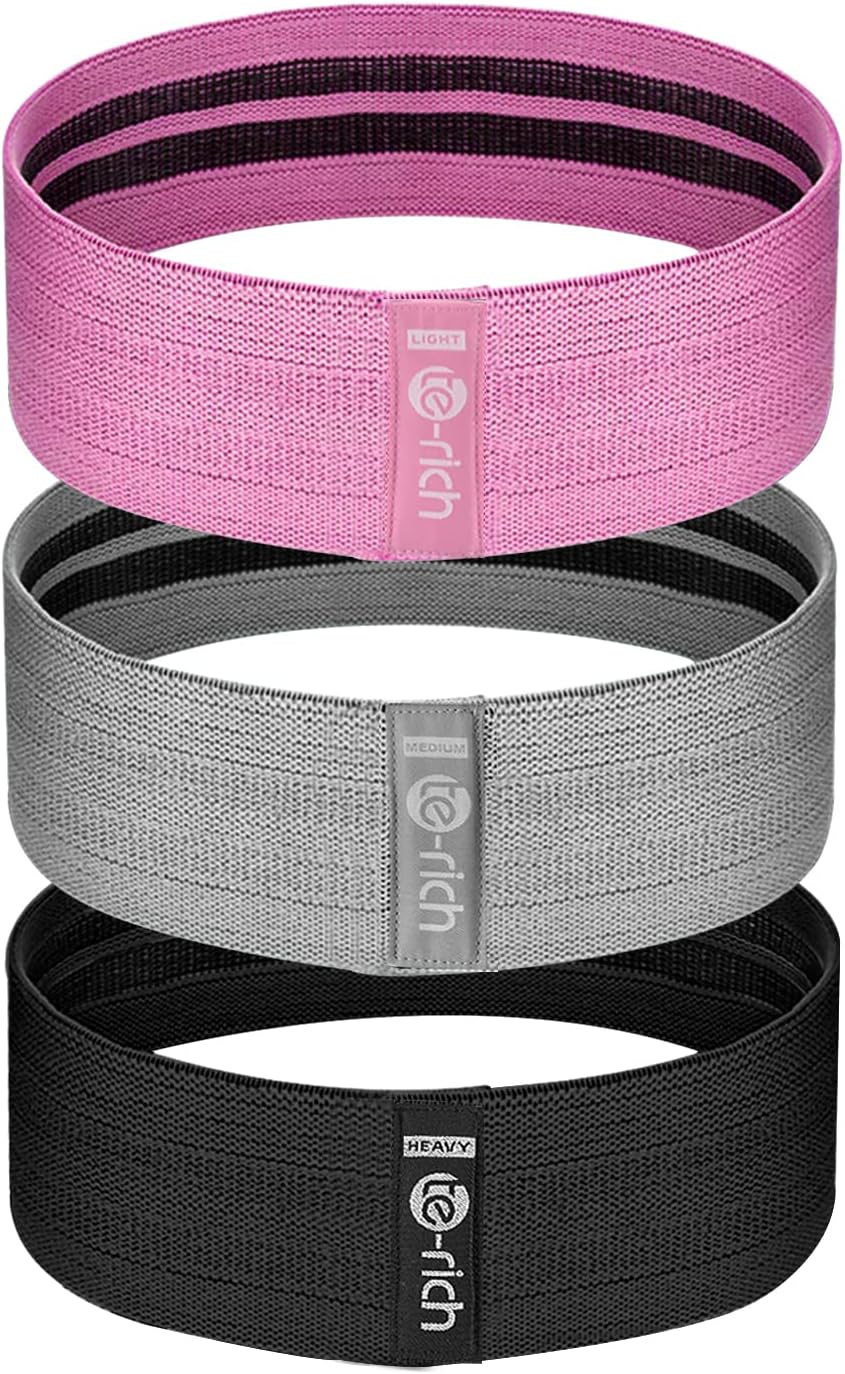
Fit Simplify Resistance Loop Exercise Bands with Instruction Guide and Carry Bag, Set of 5
See current price



Innova Health and Fitness
Innova Inversion Table with Adjustable Headrest, Reversible Ankle Holders, and 300 lb Weight Capacity
See current price


Perfect Fitness
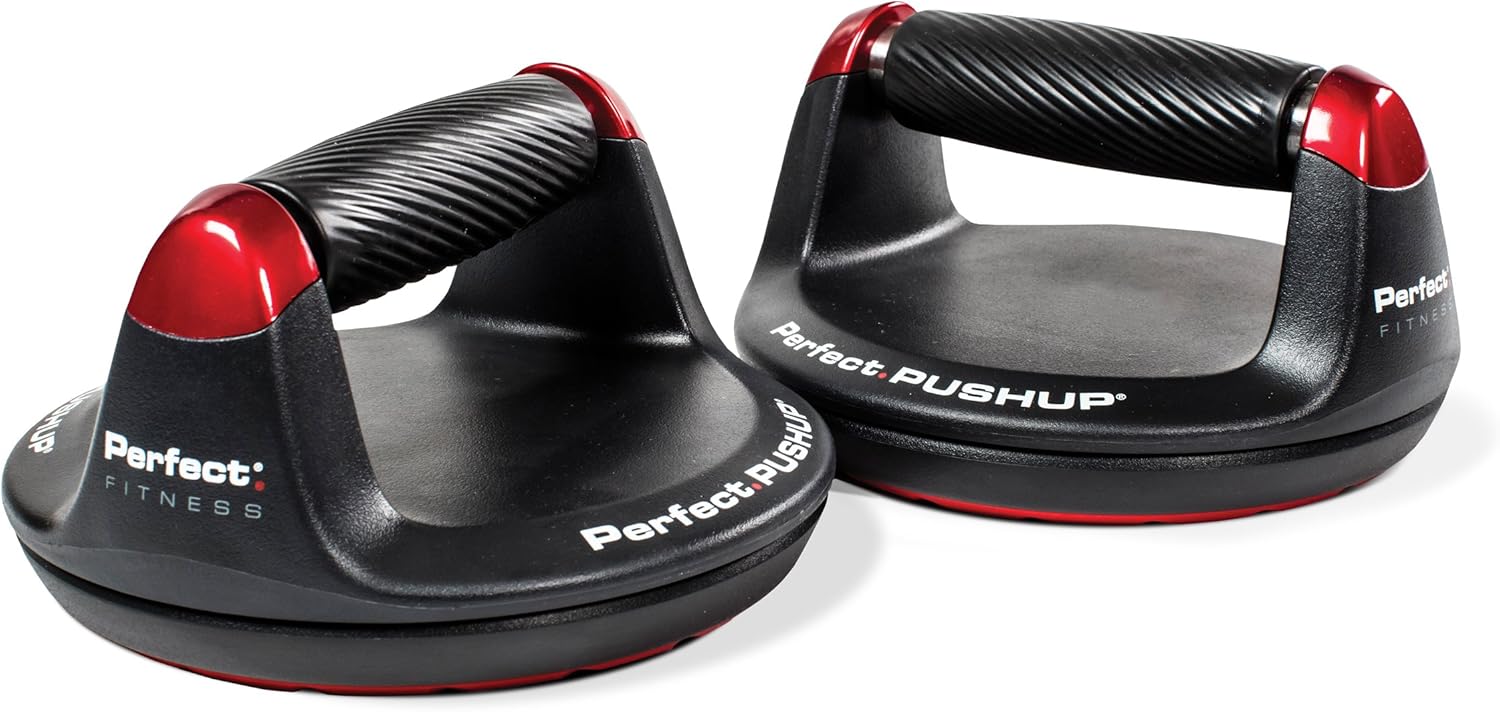
Perfect Fitness Perfect Pushup + Ab Carver Pro, All-in-One Home Gym Set
See current price


Popular brands in Strength Training Equipment
Strength training equipment can support everything from basic resistance exercises to organized home-gym workouts. The right choice depends on your available space, training goals, experience level, and how much adjustability you need from each piece of equipment.
This category brings together equipment for strengthening major muscle groups, improving muscular endurance, and adding progressive resistance to a routine. Compare construction, dimensions, weight capacity, comfort, and storage requirements before choosing products to compare on Amazon.
How to choose strength training equipment
Start with the exercises you plan to perform rather than choosing equipment based only on appearance. A compact set of weights may suit someone building a simple routine, while a bench, rack, or station can be more useful for people who want a wider range of exercises.
Consider these questions:
- What is your goal? Muscle building, general strength, conditioning, and rehabilitation may call for different resistance levels and equipment styles.
- How much space is available? Measure the workout area, including clearance around the equipment and room to move safely.
- Will more than one person use it? Adjustable products can make it easier to accommodate different heights, abilities, and strength levels.
- How often will it be moved? Look for manageable weight, built-in handles, folding features, or a storage-friendly shape when equipment must be put away.
- What accessories are required? Some products work alone, while others may need plates, handles, anchors, mats, or other compatible components.
If strength equipment is part of a broader workout setup, browse Exercise & Fitness for related equipment and training categories.
Types of strength training equipment
Free weights
Dumbbells, barbells, kettlebells, weight plates, and similar free weights allow users to perform pressing, pulling, squatting, hinging, and carrying movements. They are versatile, but they require attention to form and a clear area for lifting and setting equipment down.
When comparing free weights, check the listed weight, handle shape, grip texture, coating, plate compatibility, and whether the set includes storage or securing hardware. Fixed-weight options are straightforward to use, while adjustable designs can provide multiple resistance levels in less space.
Resistance bands and tubes
Bands offer a portable way to add resistance to upper-body, lower-body, and mobility exercises. They are useful for warmups, travel, home workouts, and routines where equipment needs to be stored in a drawer or closet.
Compare band style, resistance range, length, attachment points, handle design, and the intended anchoring method. Inspect bands regularly for cuts, stretching damage, or other signs of wear, especially when they are used under high tension.
Benches, racks, and supports
A weight bench can provide support for presses, rows, step-ups, and other movements. Racks and stands may help organize barbell exercises or keep equipment off the floor. These products are most useful when their dimensions and adjustment range match the user and the rest of the workout space.
Review the bench or rack’s available positions, padding, frame construction, footprint, stability features, and stated weight capacity. A stable base and sufficient clearance matter more than a long list of adjustment options if the equipment will be used in a confined area.
Home-gym stations and specialized equipment
Multi-function stations can combine several exercise options in one larger frame. They may suit users who want a dedicated workout area and prefer a fixed setup, but they typically require more assembly space and careful placement.
Specialized equipment can target a particular movement or muscle group. Before choosing it, confirm that the product supports the exercises you want and that replacement parts, attachments, or compatible accessories are available if needed.
Features and specifications to compare
Product descriptions can vary, so compare the specifications that affect fit, safety, and everyday use:
- Resistance and capacity: Check the resistance type, included load, maximum supported weight, and whether the stated capacity includes the user, plates, or both.
- Adjustability: Look for adjustable handles, seat positions, backrest angles, resistance settings, or interchangeable attachments.
- Materials and construction: Frame material, welds, coating, padding, and hardware can affect durability and comfort.
- Dimensions: Compare assembled size, folded size when applicable, and the space needed to perform exercises without obstruction.
- Grip and comfort: Handle diameter, knurling, padding, texture, and surface finish can influence control during repeated sets.
- Assembly and storage: Check what assembly is required, whether tools are included, and how the equipment can be stored between sessions.
- Compatibility: Confirm that plates, bars, cables, anchors, attachments, and replacement components match the product’s specifications.
Do not assume that two products with a similar purpose are interchangeable. A bar, plate, attachment, or bench should be checked for dimensions and stated compatibility before it is added to an existing setup.
Brands represented in the catalog
The catalog includes products from CAP Barbell, BalanceFrom, BONDWELL, Yes4All, Amazon Basics, MARCY, WNDRNG, ProFitness, Day 1 Fitness, Sunny Health & Fitness, DMoose Fitness, and SPRI. These brands appear across different styles of strength equipment, so compare the individual product specifications rather than choosing by brand name alone.
It can be useful to organize your shortlist by equipment type, available space, resistance level, and included components. This makes it easier to distinguish between products intended for portability, individual exercises, or a more permanent home-gym arrangement.
Building a practical workout setup
A balanced setup does not need to include every type of equipment. Begin with the movements you want to practice and select products that cover those needs without creating unnecessary duplication. For example, adjustable equipment may be appropriate when storage is limited, while fixed equipment may be convenient when multiple users want quick transitions.
Use a level, stable surface and keep walkways clear. Follow the manufacturer’s assembly, adjustment, and maintenance instructions, and check fasteners, cables, bands, and locking mechanisms periodically. Start with manageable resistance and use controlled movement; increase the challenge only when your technique remains consistent.
For supporting gear, compare Accessories. If your routine also includes flexibility or mobility work, see Yoga. Fitness Technology may be relevant for tracking workouts, while Cardio Training can complement a strength-focused plan. For workout apparel, browse Clothing, and consider Balance Trainers for exercises that emphasize stability.
Frequently asked questions
What strength training equipment is suitable for a home gym?
The right choice depends on available space, training goals, and experience. Compact free weights or resistance bands suit smaller areas, while benches, racks, and stations offer more exercise options when space allows.
Should beginners choose adjustable or fixed equipment?
Adjustable equipment can provide multiple resistance levels and save space. Fixed equipment may be simpler to use, so compare ease of adjustment, storage, and the exercises you plan to perform.
What specifications matter most when comparing weights?
Check the listed weight, handle or grip design, materials, finish, dimensions, and compatibility with other equipment. For adjustable products, also verify the included components and adjustment mechanism.
How much room is needed for strength equipment?
The required space varies by product and exercise. Measure the equipment’s footprint and allow additional clearance for lifting, changing positions, loading weights, and safely entering or leaving the workout area.
How can strength equipment be maintained?
Follow the product’s care instructions, keep moving parts clean, inspect fasteners and attachments, and check bands or cables for wear. Stop using equipment that shows damage until it has been evaluated or replaced.