

Exercise & Fitness Accessories
Compare exercise and fitness accessories by purpose, fit, materials, and compatibility. Use the available specifications to narrow choices for home workouts, gyms, mobility, and recovery.
5,293 products in catalog
5,293 results
Filters


BalanceFrom
BalanceFrom All Purpose 1/4-Inch High Density Anti-Tear Exercise Yoga Mat with Carrying Strap
See current price



Sports Research
Sweet Sweat Waist Trimmer for Women and Men - Sweat Band Waist Trainer for High-Intensity Training & Workouts, 5 Sizes
See current price


Sports Research Corporation
Sweet Sweat Workout Enhancer Roll-On Gel Stick - Makes You Sweat Harder and Faster, Helps Promote Water Weight Loss, Use with Sweet Sweat Waist Trimmer
See current price



BalanceFrom
BalanceFrom GoCloud All-Purpose 1-Inch Extra Thick High Density Anti-Tear Exercise Yoga Mat with Carrying Strap
See current price


Amazon Basics
Amazon Basics Foam Interlocking Exercise Gym Floor Mat Tiles - 6-Pack, 24 x 24 x .5 Inch Tiles (24 sqft)
See current price

Sports Research
Sweet Sweat Waist Trimmer 'Xtra-Coverage' Belt | Premium Waist Trainer with more Torso Coverage for a Better Sweat!
See current price

BalanceFrom
BalanceFrom Heavy Duty Thick Real Rubber Mat Exercise Equipment Floor Mat
See current price
Popular brands in Accessories
Exercise and fitness accessories can make a workout more comfortable, organized, measurable, or adaptable. This broad category includes supporting gear for strength training, stretching, balance work, cardio, yoga, and general home fitness.
Because accessories vary widely in design and intended use, start with the activity you plan to support. Then compare dimensions, materials, adjustment options, compatibility, and care requirements rather than choosing based on appearance alone.
How to choose fitness accessories
The right accessory should solve a specific problem in your routine. It may provide grip, cushioning, support, storage, resistance, positioning, or a way to track training information.
Consider these questions before comparing products:
- What activity is it for? A lifting accessory may not suit yoga, cardio, mobility work, or balance exercises.
- Where will you use it? Home users may prioritize compact storage, while gym users may need equipment that is easy to carry.
- How often will you use it? Frequent training makes durable materials, secure closures, and simple cleaning more important.
- Who will use it? Shared equipment may benefit from adjustable sizing and easy-to-clean surfaces.
- What equipment must it work with? Check dimensions, attachment methods, interfaces, and stated compatibility before ordering.
If you are still deciding which type of equipment belongs in your routine, browse the broader Exercise & Fitness category for related training products.
Types of accessories to compare
Accessories are often selected as additions to a larger training setup. The most useful type depends on the movement, equipment, and level of support required.
Strength and resistance support
For lifting and resistance workouts, compare accessories based on grip, hand protection, stability, and adjustability. Look for clear information about materials, closure systems, dimensions, and whether the item is intended for a particular exercise or equipment style. Related equipment can be found in Strength Training Equipment.
Yoga, stretching, and mobility
Accessories for stretching and yoga can assist with positioning, comfort, balance, or range-of-motion work. Consider surface texture, firmness, portability, and cleanability. Products designed for floor contact should be evaluated for grip and cushioning, while support tools should be easy to place accurately during a movement. See Yoga for equipment focused on that practice.
Cardio and workout organization
Accessories used with cardio or circuit training may help hold personal items, organize equipment, or support workout tracking. Compare storage capacity, attachment points, visibility, and whether the accessory interferes with movement. For equipment intended specifically for aerobic exercise, browse Cardio Training.
Balance and stability
Balance-focused accessories require particular attention to surface contact, dimensions, and the user’s experience level. A wider or more stable design may be easier to control, while a less stable option may be intended for more advanced training. Explore Balance Trainers for products in that area.
Technology and tracking accessories
Technology-related fitness accessories may record, display, connect, or organize workout information. Before choosing one, compare device compatibility, connection method, power requirements, controls, display details, and data features. Fitness Technology offers a more focused selection of technology-oriented products.
Key features and specifications
Product specifications can reveal whether an accessory fits your routine better than a general description can. Pay attention to the following details:
- Dimensions and weight: Confirm that the product fits your body, equipment, storage space, and travel needs.
- Materials: Compare fabric, foam, rubber, plastic, metal, or composite construction according to the type of contact and stress involved.
- Fit and adjustment: Straps, closures, elastic sections, and adjustable components can affect comfort and security. Check the stated size range or measurements.
- Grip and surface texture: Non-slip surfaces may be useful for floor work or handling, but the surface should still feel appropriate for the intended movement.
- Padding and firmness: More cushioning is not automatically better. The suitable level depends on pressure, stability, and the exercise being performed.
- Compatibility: For add-on products, verify attachment points, connector types, device support, and any stated equipment requirements.
- Portability: Foldable designs, carrying handles, low weight, and compact storage can matter for small spaces or travel.
- Maintenance: Check whether the item can be wiped clean, machine washed, air dried, or otherwise maintained according to the manufacturer’s instructions.
Brands in the catalog
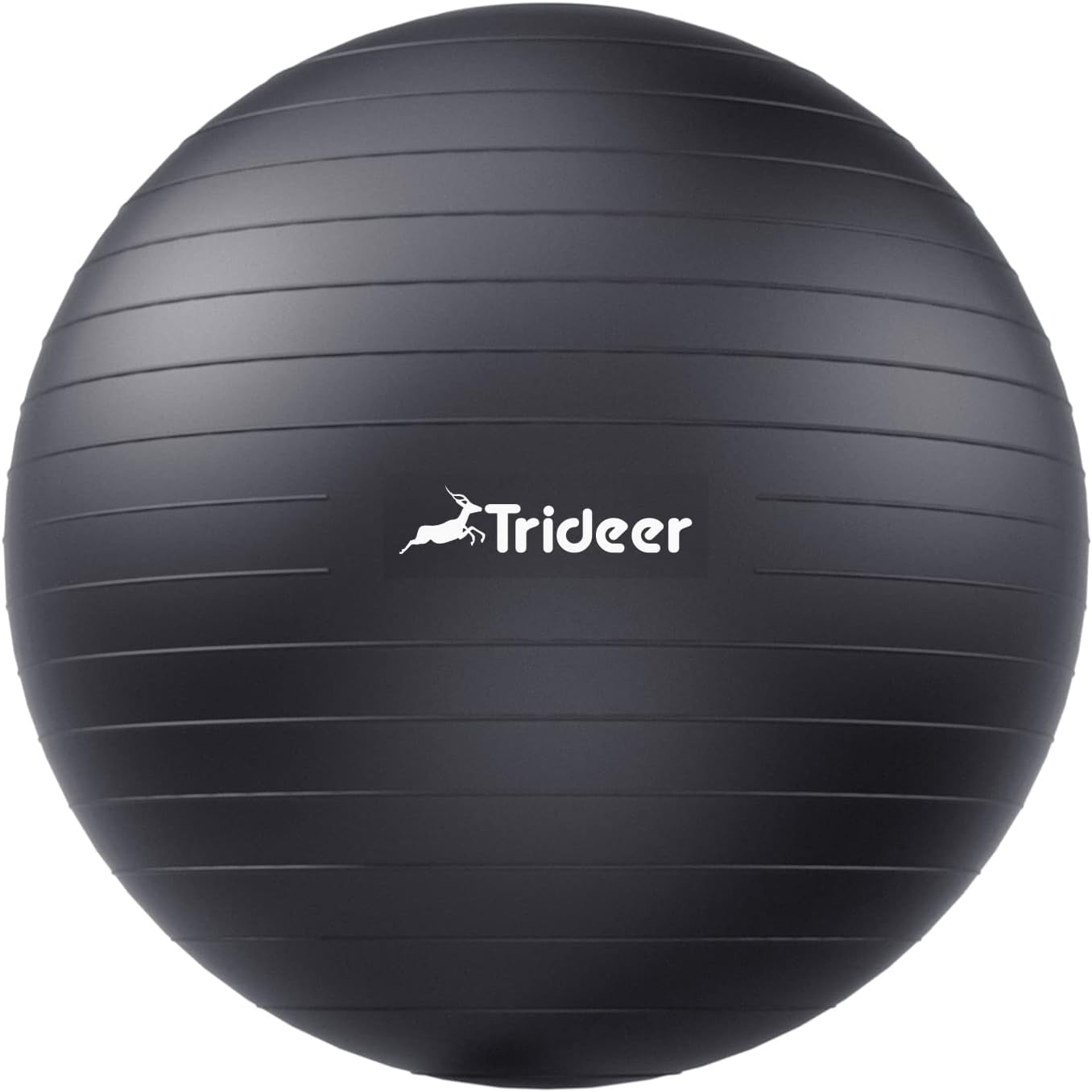
The catalog includes accessories from brands such as ProFitness, Harbinger, Amazon Basics, Junlan, Incline Fit, Wonderience, Ursexyly, Nike, Steel Sweat, PROMIC, KUMAYES, and Trideer. These names can help narrow a broad catalog search, but the specifications for the individual product should guide the comparison.
When comparing products from different brands, look beyond the brand name. Check the listed dimensions, materials, intended use, included components, adjustment range, and care instructions. Product descriptions can vary in how much detail they provide, so confirm that the essential specifications are available for the option you are considering.
Fit, safety, and care tips
Accessories should support controlled movement without creating avoidable distractions. Read the product instructions before use, particularly for items that attach to exercise equipment, bear body weight, or affect balance and grip.
Choose a size and adjustment range that allow secure positioning without excessive pressure. Inspect straps, seams, fasteners, grips, and connection points periodically. Stop using an accessory if it shows damage, unusual stretching, loose components, or a surface that no longer provides the expected support.
Keep accessories clean and dry as directed. Sweat, moisture, and repeated friction can affect some materials over time. Store them away from excessive heat, sharp edges, and prolonged dampness. If an accessory is shared, choose a material and cleaning method that suit regular wipe-downs or the manufacturer’s care guidance.
For wearable or technology-related products, confirm that the fit is comfortable and that the device is compatible with your phone, app, charger, or other equipment before purchase. Shoppers can check the current price and full product details on Amazon before ordering.
Frequently asked questions
What are exercise and fitness accessories?
They are supporting products used alongside workouts, such as items for grip, comfort, positioning, organization, balance, mobility, or fitness tracking. The exact features vary by intended activity.
How do I choose an accessory for home workouts?
Start with the exercise it will support, then compare its size, storage needs, durability, adjustability, and compatibility with your existing equipment. Compact and easy-to-clean designs may be practical in shared spaces.
What specifications matter most when comparing accessories?
Dimensions, materials, fit, adjustment range, surface texture, padding or firmness, compatibility, and care requirements are usually important. Prioritize the specifications connected to how you will use the product.
Are fitness accessories useful without large exercise equipment?
Many accessories can support floor exercises, stretching, mobility, balance, or organization without requiring large machines. Check the intended use and confirm that the product suits your planned movements.
How should fitness accessories be maintained?
Follow the manufacturer’s cleaning and storage instructions. In general, keep accessories dry, inspect them for wear, and avoid using damaged components or attachments.
Should I compare accessories by brand alone?
No. Brand can help organize your search, but the product’s materials, measurements, fit, compatibility, included components, and intended use are more useful for a specific purchase decision.