
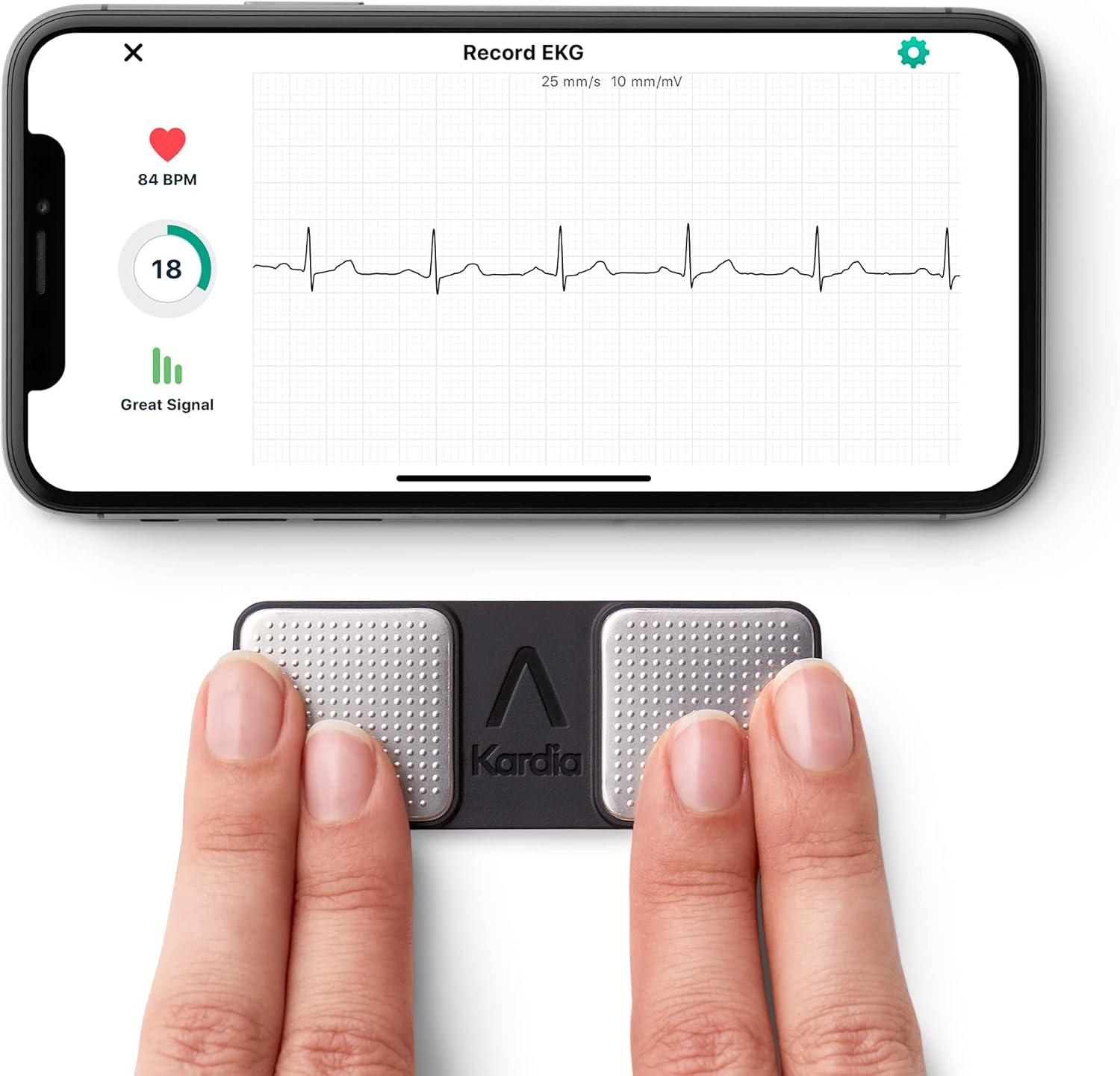
Fitness Technology
Compare fitness technology by the data it tracks, how it connects, and how comfortably it fits your routine. Review specifications and features before choosing a device for workouts, health tracking, or everyday activity.
1,250 products in catalog
1,250 results
Filters
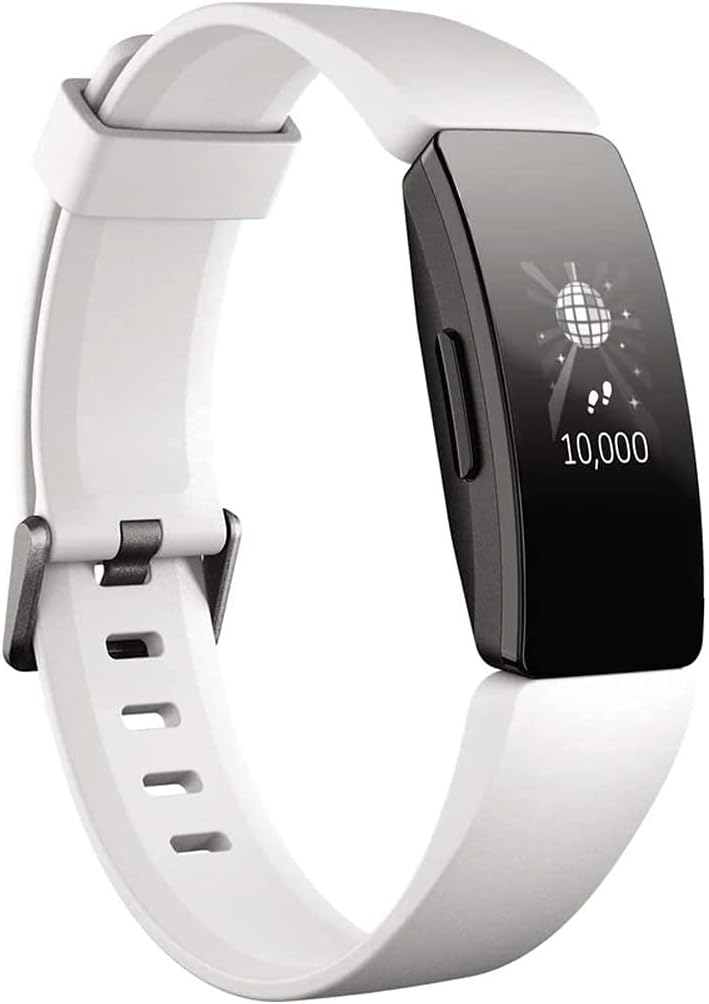
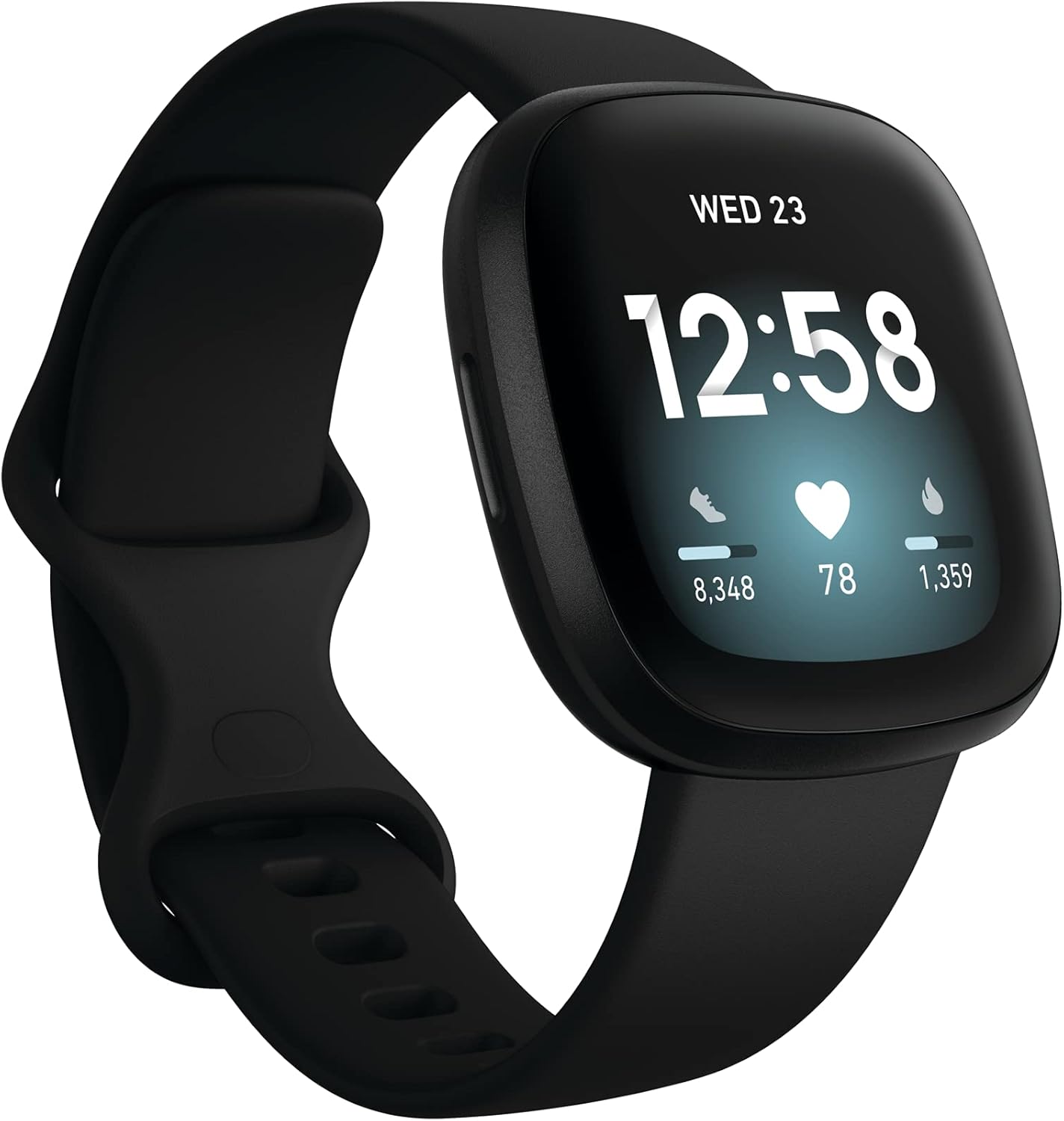

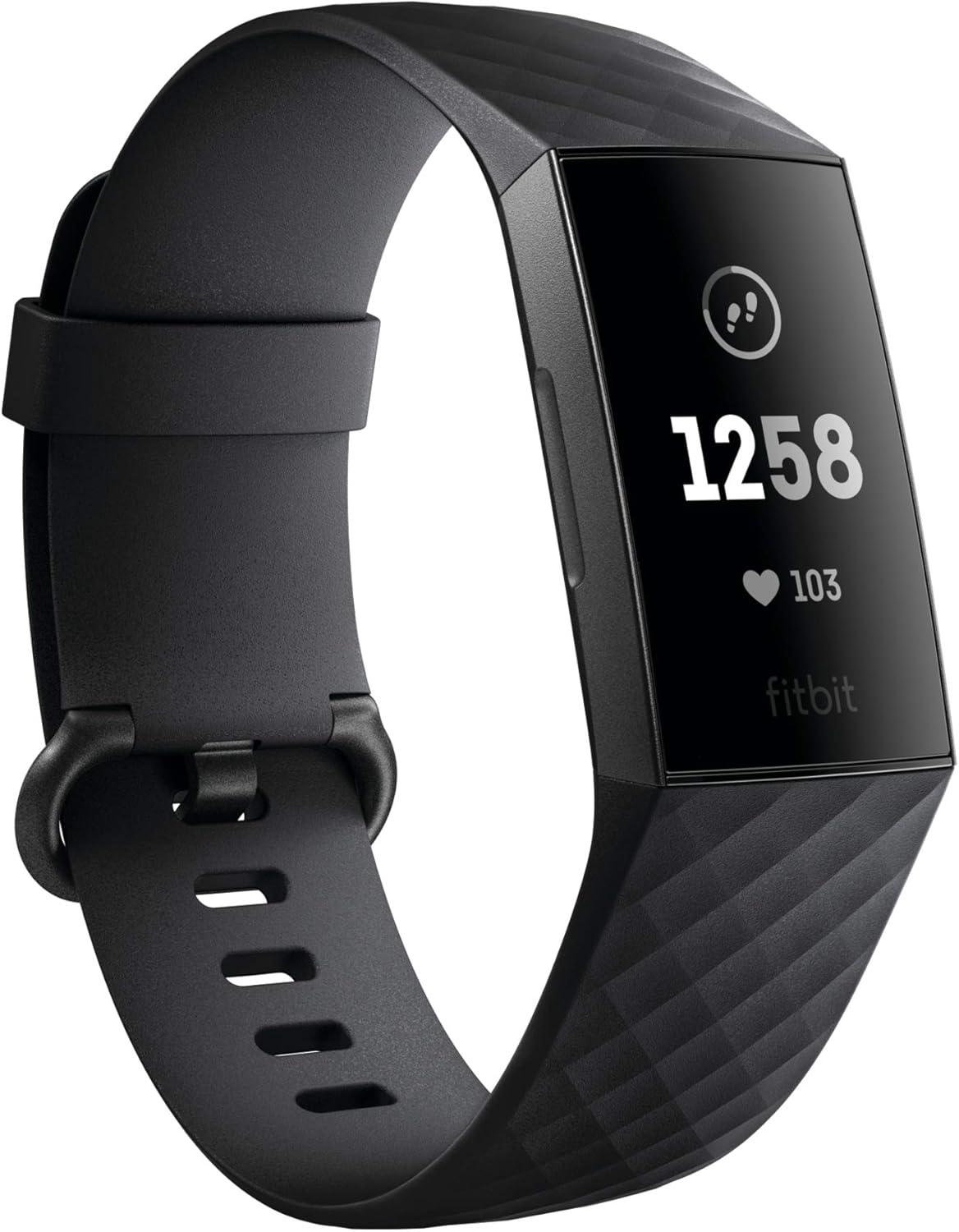


Fitbit
Fitbit Charge 2 Heart Rate + Fitness Wristband, Blue, Large (International Version)
See current price


Fitbit
Fitbit Charge HR Wireless Activity Wristband (Tangerine, Large (6.2 - 7.6 in))
See current price


3DActive
3DFitBud Simple Step Counter Walking 3D Pedometer with Clip and Lanyard, A420S
See current price

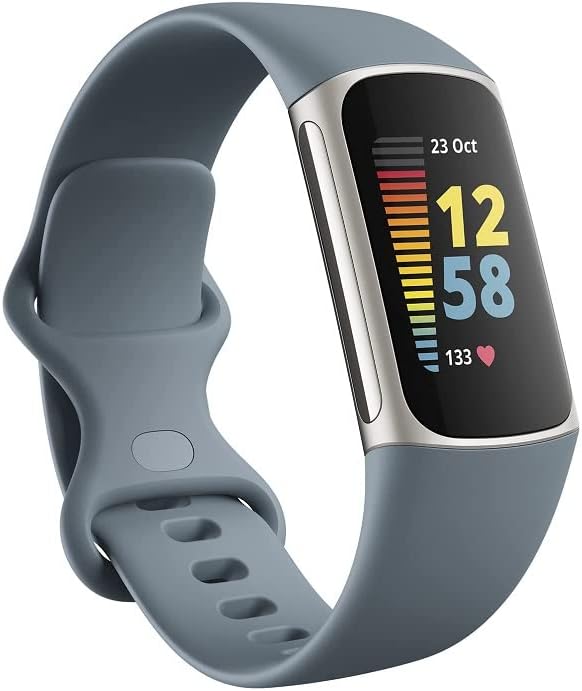

Popular brands in Fitness Technology
Fitness technology can make exercise data easier to understand and help organize an active routine. This category includes connected devices and digital tools designed to track activity, monitor selected health metrics, support training, or display progress over time.
The right choice depends on what you want to measure and how you plan to use the information. Compare compatibility, sensor features, comfort, battery expectations, and app support rather than focusing on appearance alone.
How to choose fitness technology
Start with the problem the device should solve. Someone interested in daily movement may want a convenient wearable with activity and sleep-related tracking, while a structured exerciser may care more about workout modes, heart-rate data, route tracking, or training summaries. A home user monitoring a specific metric may need a dedicated monitor instead of a general-purpose wearable.
Consider these questions before comparing products:
- What will you track? Look for the metrics and exercise modes that match your routine rather than choosing a device with features you will not use.
- Where will you use it? Wrist-worn devices, handheld tools, and home monitors suit different settings and activities.
- How important is phone integration? Check whether the device works with your smartphone and whether its companion app supports the operating system you use.
- Will you wear or handle it often? Weight, fit, controls, display readability, and charging requirements all affect everyday convenience.
- Do you need alerts or guidance? Some technology is focused on recording information, while other products may provide notifications, reminders, or workout feedback.
Types of fitness technology to compare
Fitness technology is not limited to one device style. Wearables are useful for people who want activity information available during the day or while exercising. Depending on the product, they may focus on movement, workouts, heart-rate-related data, sleep, or connected notifications.
Dedicated monitors can be a better fit when a shopper wants to focus on a particular measurement at home. Compare the measurement method, display, memory or app connectivity, and the intended use. Smart scales and body-composition devices also require careful attention to compatibility and the way their results are presented.
Some products are designed around a specific activity or training goal. For equipment used during cardio workouts, explore Cardio Training alongside connected tracking options. Shoppers building a resistance-focused routine can compare technology with Strength Training Equipment, while balance and stability work may pair with Balance Trainers.
Key features and specifications
The most useful specifications vary by product type, but several comparisons apply across the category:
- Compatibility: Check phone, tablet, operating-system, and app requirements before buying. A feature-rich device is less useful if it cannot connect to your setup.
- Tracking capabilities: Read the listed sensors, supported activities, and health or fitness metrics carefully. Similar-looking products may collect different types of data.
- Battery and charging: Compare how the product charges, whether the charger is proprietary, and how often it may need attention during your normal routine.
- Durability: For exercise use, look for construction and water-resistance information that suit sweat, outdoor conditions, or the activities you plan to do.
- Display and controls: A readable screen and simple controls matter when checking information during movement. Products without a display may depend more heavily on a phone app.
- Data access: Check whether information is stored on the device, transferred to an app, exported, or shared with other fitness platforms.
- Fit and sizing: Wearables should remain comfortable without moving excessively. Review the available fit options and adjustment method before selecting one.
Brands represented in the catalog
The catalog includes fitness technology from Polar, Fitbit, Omron, I-SMILE, Garmin, Dunfire, MorePro, Vancle, Andyou, OenFoto, Xiaomi, and Withings. These brands cover different approaches to wearable tracking, connected devices, and home-focused monitoring. Compare individual product specifications within each brand rather than assuming that every product offers the same sensors, app features, or compatibility.
Using fitness technology responsibly
Treat tracked data as a tool for observing patterns, not as a substitute for professional medical advice. If a product monitors a health-related metric, review its intended use and limitations. Follow the manufacturer’s setup, cleaning, charging, and fit instructions, especially for devices worn during exercise or against the skin.
For a broader exercise setup, browse Accessories for supporting items, or compare technology with Yoga and Clothing when comfort and activity-specific gear matter. You can also return to the wider Exercise & Fitness category to explore related equipment.
Frequently asked questions
What is fitness technology used for?
Fitness technology can record activity, support workout tracking, monitor selected metrics, organize data in an app, and provide reminders or progress information.
Should I choose a wearable or a dedicated monitor?
Choose a wearable for convenient, ongoing activity tracking. A dedicated monitor may be more suitable when you want to focus on one measurement or use the device primarily at home.
Does fitness technology require a smartphone?
Not always. Some devices show information directly or store data temporarily, while others rely heavily on a compatible smartphone app. Check the product’s connectivity requirements.
What specifications matter most for workout use?
Focus on supported activities, tracking features, comfort, durability, battery and charging needs, display visibility, and compatibility with your phone or preferred app.
Can fitness technology replace professional medical guidance?
No. Fitness devices are intended to support personal tracking and exercise routines. Health-related concerns or unexpected readings should be discussed with a qualified professional.