

Biscuits & Plugs for Industrial Hardware
Compare biscuits and plugs for joining, covering, sealing, or protecting components. Review dimensions, materials, fit, and intended use to narrow the available industrial hardware options.
76 products in catalog
76 results
Filters


General Tools
General Tools 1/2-Inch Button Plugs #312012, FSC Ethically Sourced Hardwood, 50-Pack
See current price

Hydanle
8 Pack 2 Inch Square Plastic Plugs,Hydanle Insert End Caps for Square Tubing Post
See current price


ZMSNTGS
4 Pack 1 Inch Square Plastic Plug Tubing End Cap Suitable for Square Tube (Black-4Pcs)
See current price


Caplugs
1/2 0.5 inch Flush Mount Black Plastic Body and Sheet Metal Hole Plug Qty 25 by Caplugs
See current price

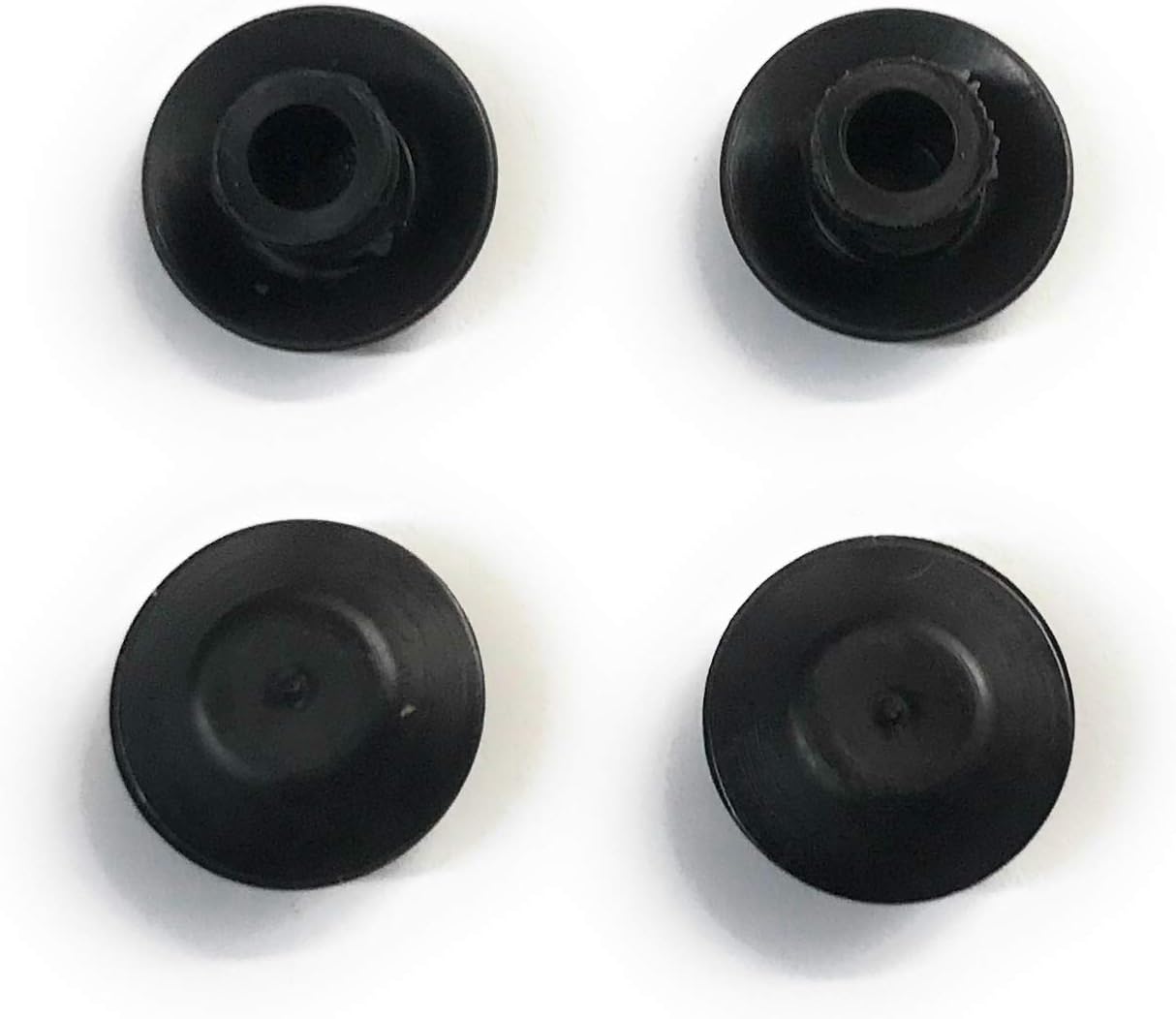
Caplugs
1/4" (0.25 inch) Flush Mount Black Plastic Body and Sheet Metal Hole Plug - Qty 25
See current price


Popular brands in Biscuits & Plugs
Biscuits and plugs serve different practical purposes, but both can help complete an industrial assembly. Depending on the design, a biscuit may support alignment or joining, while a plug may close an opening, protect a component, or help manage a connection. The right choice depends on the opening or joint, the surrounding material, and the conditions the part will face.
This K-Catalog category helps shoppers compare specifications and features across available products before visiting Amazon to check current availability and purchase options. For broader hardware browsing, see Industrial Hardware.
How to choose biscuits and plugs
Start by identifying the job the part must perform. A joining biscuit should match the joint design and the materials being connected. A plug or cap should match the opening it covers and provide the right type of fit, whether that is friction-fit, threaded, push-in, or another listed style.
Compare these details before choosing:
- Purpose: Determine whether the component is intended for joining, closing, sealing, protecting, spacing, or finishing.
- Fit and dimensions: Check the plug diameter, thread details, insertion depth, biscuit size, or other measurements against the mating part.
- Material: Consider whether plastic, rubber, metal, wood-based material, or another construction is appropriate for the application.
- Environment: Review any listed guidance for temperature, moisture, chemicals, abrasion, outdoor exposure, or other operating conditions.
- Installation and removal: A part designed for a permanent assembly may not suit an application requiring regular access.
A close visual match is not enough. Small differences in dimensions, thread style, flexibility, or material can affect whether a component seats correctly.
Common uses and product types
Because “biscuits and plugs” covers more than one kind of hardware, product descriptions deserve careful attention. Joining biscuits are commonly selected when alignment and a concealed connection are important. Their suitability depends on the joint layout, the compatible tool or process, and the materials involved.
Plugs and caps may be used to cover unused holes, protect exposed ends, finish a panel, or close an opening. Some are intended for general protection, while others are designed around a particular connection or application. Check the product description for the intended installation method rather than assuming that any plug will work in a similar-looking opening.
If the project involves a different fastening or support function, related Brackets, Braces & Joist Hangers, or Grommets may be more appropriate. Hooks, Chains, and Snaps are also useful categories to compare when the hardware must attach, suspend, or connect items.
Specifications worth comparing
Product pages may describe dimensions in different ways, so compare like with like. For plugs, pay attention to the opening size, outside diameter, head or flange dimensions, overall length, and whether the fit is tapered or uniform. For threaded products, verify thread compatibility and the relevant internal or external measurement.
For biscuits and joining components, look for the listed length, width, thickness, shape, and compatible application. Packaging information can also matter when planning a repair or assembly, but the required quantity depends on the project rather than the category alone.
Where available, check drawings, fit charts, and manufacturer specifications. These details are especially important when the component must sit flush, maintain clearance, resist movement, or protect a sensitive opening.
Brands represented in the catalog
The catalog includes products from Caplugs, Prescott Plastics, Patelai, EZENDS, General Tools, SB Distribution Ltd., Cherne, CaSuTong, Good News, Fischer, ZYYC, and PTC. Brand availability varies by product, so compare the specifications of the individual listing instead of selecting by brand name alone.
Installation and compatibility tips
Measure the mating opening or joint before ordering, and record the dimensions in the same units used by the listing. If a plug must be removable, confirm that the retention method allows access without damaging the surrounding material. If it will be exposed to liquid, dust, vibration, or pressure, look for product information that addresses those conditions.
Do not force a part into an undersized opening or substitute a general-purpose plug where a pressure-rated, chemically compatible, or otherwise specialized component is required. Follow the manufacturer’s installation instructions and confirm that the finished assembly remains safe and accessible for maintenance.
Frequently asked questions
What are biscuits used for?
Biscuits are joining components used to help align or connect compatible pieces in an assembly. Check the product dimensions and intended application before selecting one.
What are industrial plugs used for?
Plugs can close, cover, protect, or finish openings and exposed ends. Their function depends on the design, fit, and material specified for the product.
How do I measure for a plug?
Measure the opening’s diameter, depth, and shape, then compare those measurements with the listing. Also check whether the plug is threaded, push-in, tapered, or flange-style.
Does plug material matter?
Yes. Material can affect flexibility, durability, environmental compatibility, and the way the plug fits. Use the manufacturer’s specifications to confirm suitability.
Should I choose by size alone?
No. Size is important, but thread type, retention method, operating conditions, installation requirements, and intended use also need to match the application.