

Hooks for Industrial Hardware
Compare industrial hooks by mounting method, material, shape, and intended use. Review specifications and features to find options suited to storage, organization, hanging, or securing tasks.
738 products in catalog
738 results
Filters


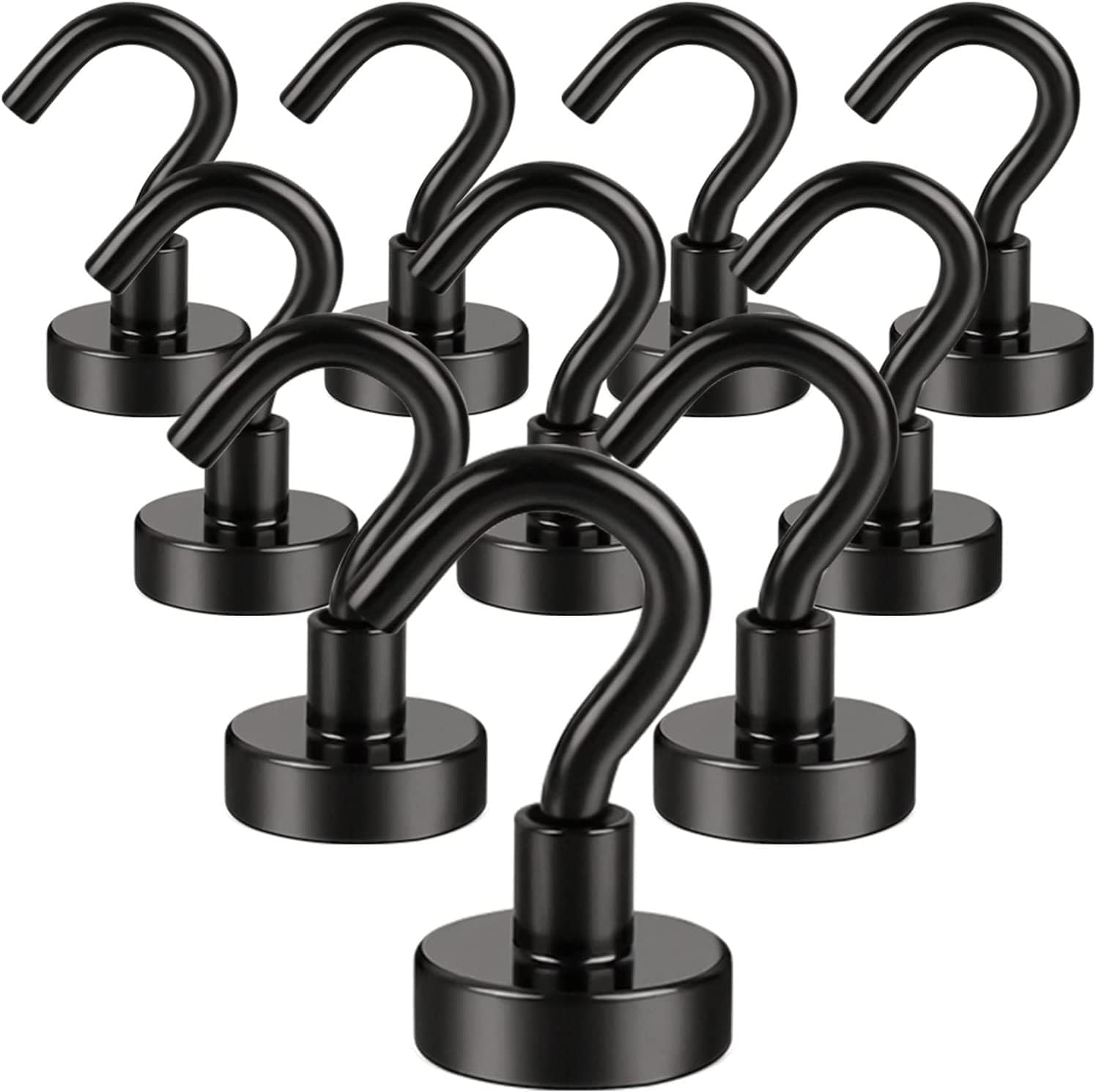


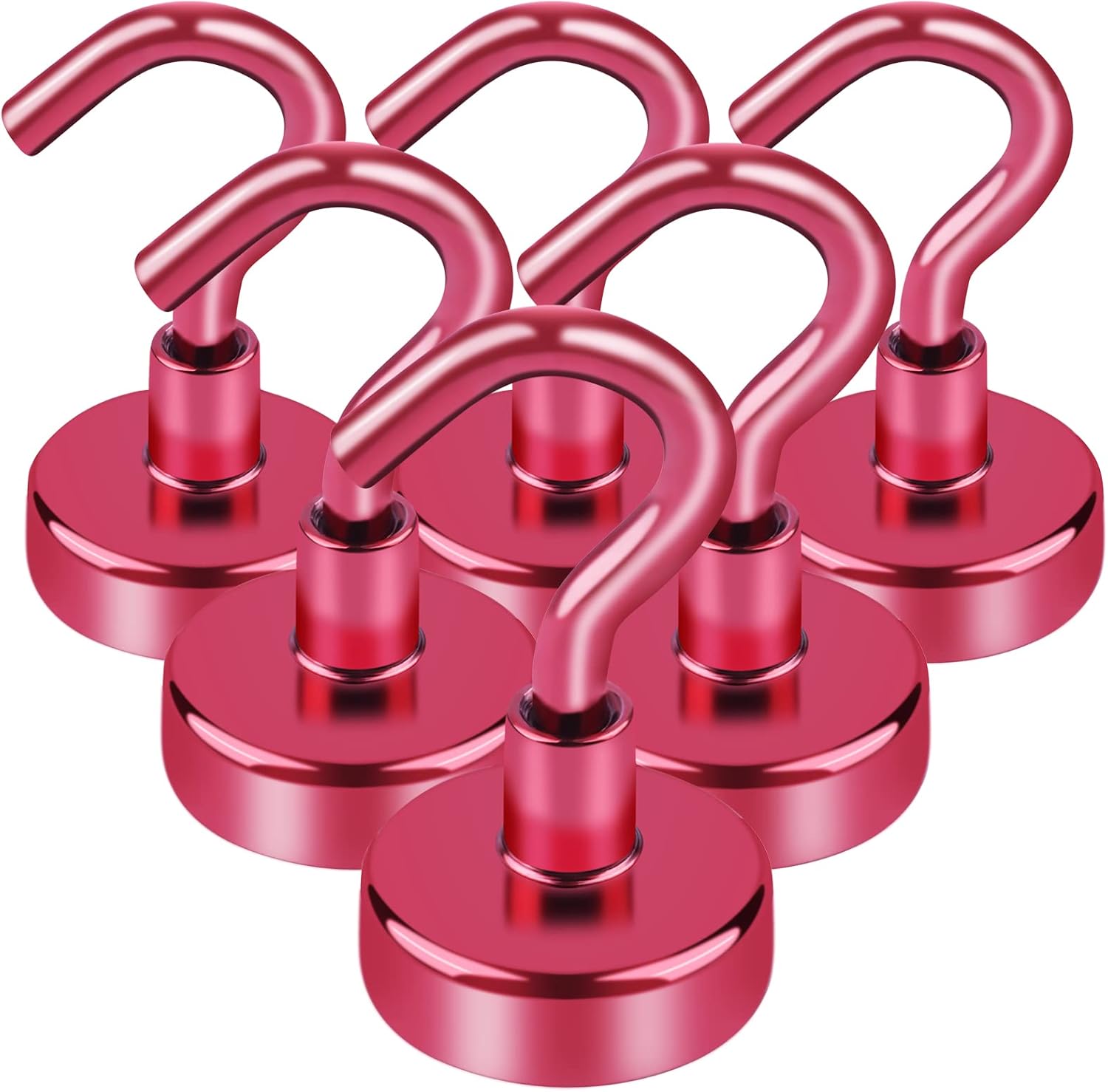


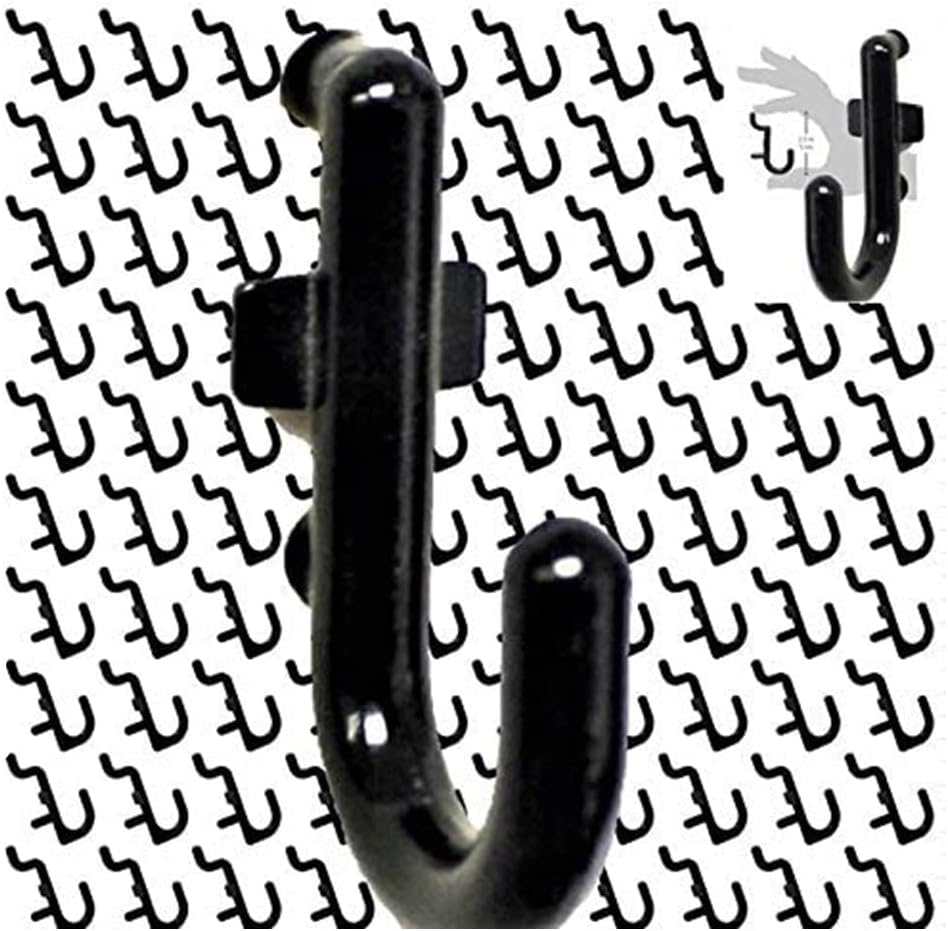


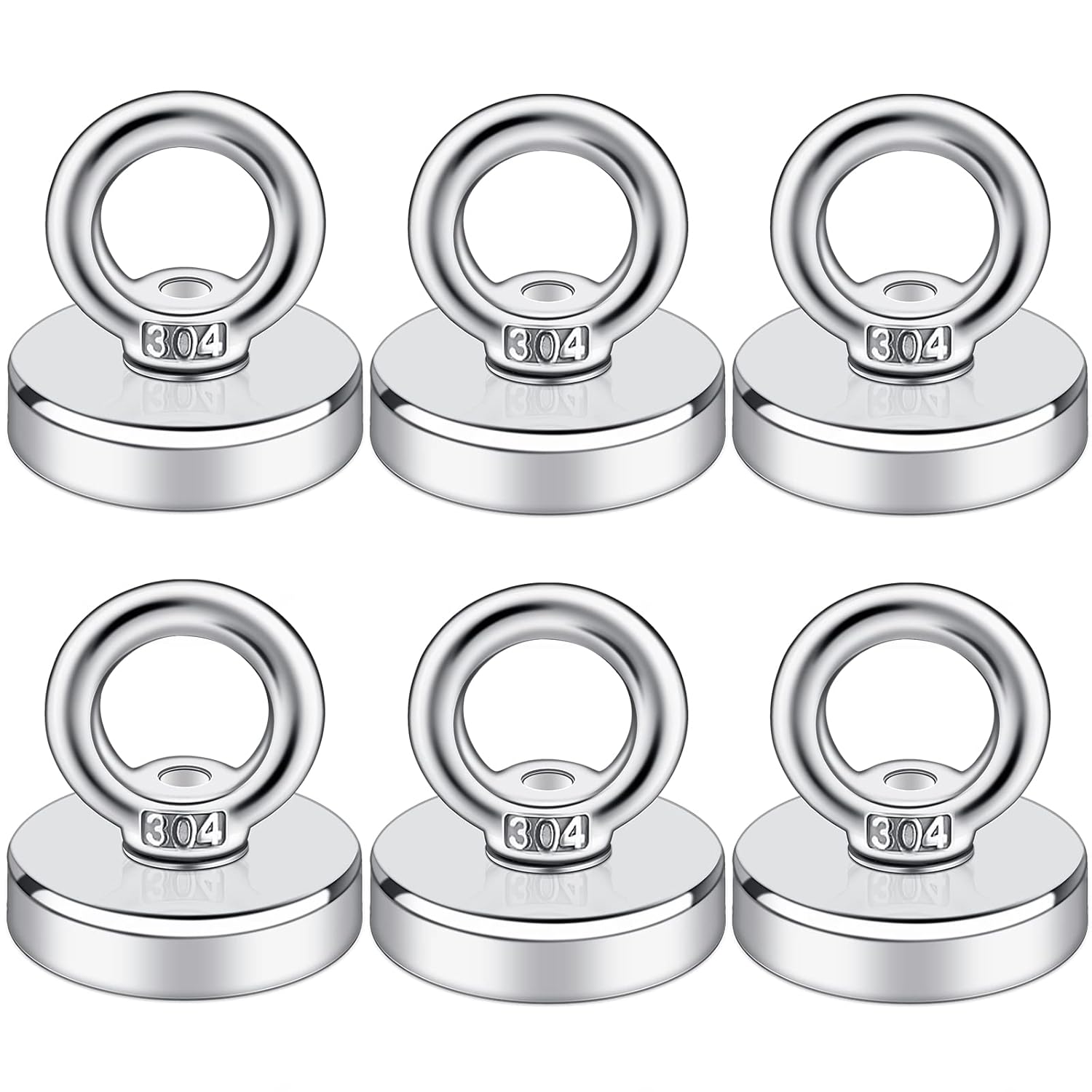
Popular brands in Hooks
Hooks are useful for organizing equipment, hanging tools, securing materials, and creating accessible storage in workshops, garages, warehouses, and work areas. The right choice depends on what the hook must hold, where it will be mounted, and how often the load will be handled.
This K-Catalog selection sits within Industrial Hardware, alongside related fastening and storage components. Compare the available specifications carefully, then check the product listing for current details before buying.
How to choose industrial hooks
Start by defining the job rather than choosing by appearance alone. A hook for lightweight organization may prioritize easy installation and compact dimensions, while a hook for tools, equipment, or repeated use should be assessed more carefully for construction, attachment, and load suitability.
Consider these factors:
- Mounting surface: Check whether the hook is intended for wood, drywall, metal, pegboard, a slatwall system, or another surface.
- Installation method: Options may include screws, wall anchors, adhesive backing, magnets, hanging rails, or other attachment methods.
- Intended load: Review the manufacturer’s stated capacity and make sure it suits the object being hung, including any movement or pulling force.
- Hook shape: Curved, straight, double, S-shaped, and specialty profiles each support different objects and storage layouts.
- Available space: Compare overall depth, height, width, and clearance so the hook does not interfere with doors, walkways, or nearby items.
- Environment: Moisture, dust, chemicals, outdoor exposure, and temperature changes can affect the appropriate material and finish.
Common hook types and uses
Industrial hooks are available in designs for both permanent installation and flexible organization. Wall-mounted hooks can help keep tools, cords, workwear, and accessories off benches and floors. Utility and storage hooks are useful where an object needs to be lifted clear of a surface while remaining easy to retrieve.
Magnetic hooks can be convenient on compatible steel surfaces because they can often be repositioned without drilling. Adhesive-mounted designs may suit smooth, clean surfaces where a hole-free installation is preferred, but the surface condition and stated holding limits matter. Pegboard and panel-compatible hooks are a practical option for modular workspaces where the layout may change.
S-hooks and open-ended designs can work well for hanging or linking objects, while closed or more securely retained profiles may be preferable when vibration or accidental contact is a concern. For applications involving a permanent structural connection, compare hooks with related Brackets, Braces & Joist Hangers, or Chains to determine which hardware type matches the task.
Materials, finishes, and construction
Material affects strength, weight, corrosion resistance, and appearance. Steel and other metal hooks may be appropriate for demanding storage or workshop use, while coated or plated finishes can provide an added barrier against wear and environmental exposure. Plastic or composite options may be useful when low weight, surface protection, or nonconductive construction is important.
Look for clear information about the material, finish, wire or plate thickness where provided, and whether the hook is intended for indoor or outdoor use. Welded joints, formed bends, mounting plates, and included hardware can all affect how a hook performs after installation. A finish that looks suitable is not necessarily proof of outdoor or corrosive-environment compatibility, so check the manufacturer’s specifications.
Brands represented in the catalog
The Hooks catalog includes products from VXAR, SKOLOO, Wall Control, Online Best Service, Hotop, WallPeg, Colorstorm, Bullbins, Calax, VNDUEEY, Master Magnetics, and DIYMAG. These brands may cover different mounting systems, materials, formats, and intended uses. Compare each listing’s specifications rather than assuming products from the same general category are interchangeable.
Installation and safety tips
Confirm the mounting surface before selecting fasteners. For wall installation, identify whether the hook should attach to a stud, masonry, panel, or an appropriate anchor. Clean and dry surfaces before applying adhesive products, and allow any required curing time before loading them.
Keep the actual load centered and avoid exceeding the stated capacity. Do not use a general-purpose hook for lifting, fall protection, overhead suspension, or other safety-critical applications unless it is specifically designed and rated for that purpose. Inspect mounted hooks periodically for loosening, bending, cracked components, adhesive failure, or corrosion.
If the hook will be used with another component, check compatibility with related Grommets, Snaps, or Biscuits & Plugs. These parts serve different functions, but may be relevant when building a broader organization, fastening, or protection setup.
Frequently asked questions
What should an industrial hook be used for?
Industrial hooks are commonly used for storage, organization, hanging tools or equipment, and securing suitable items. Select a design and capacity that match the specific application.
Are magnetic hooks suitable for every surface?
No. Magnetic hooks require a compatible ferrous metal surface. They will not attach securely to every wall, cabinet, panel, or structural material.
How do I choose the right mounting method?
Match the mounting method to the surface, expected load, installation requirements, and whether the hook needs to be repositioned. Always follow the product’s installation instructions.
Can hooks be used outdoors?
Some may be suitable for outdoor use, but this depends on the material, finish, fasteners, and manufacturer’s stated environmental guidance. Check the specifications before installation.
What details should I compare between hook listings?
Compare dimensions, material, finish, mounting style, included hardware, intended surface, capacity, and any restrictions on use. These details help determine whether a hook will fit and perform as needed.