

Braces & Joist Hangers for Industrial Hardware
Compare braces and joist hangers for framing, reinforcement, alignment, and support projects. Review dimensions, materials, fastening requirements, and intended use before selecting hardware.
33 products in catalog
33 results
Filters


KWIK9
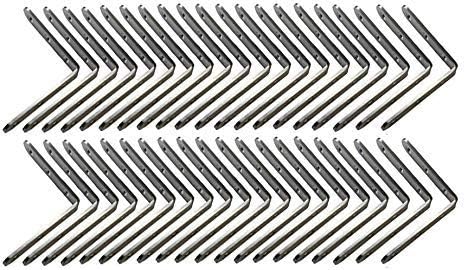
National Hardware N215-798 4075BC Expanded Steel in Plain Steel, 1 pack,24x12 Inch
See current price

National Hardware
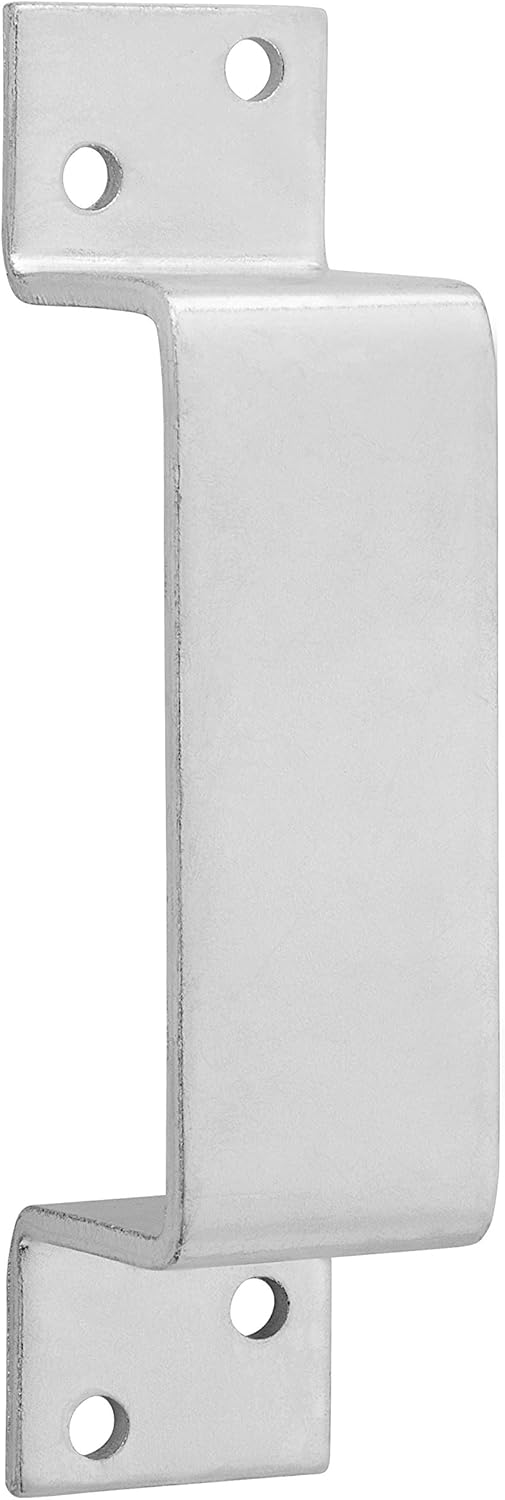
National Hardware N100-743 Closed Bar Holder For Use With 2x4 For doors, Zinc
See current price


BronaGrand
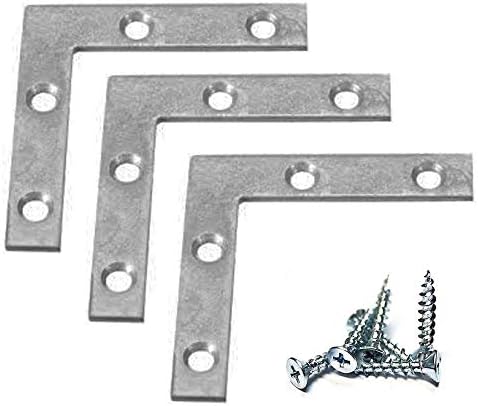
Bronagrand 10pcs 90 Degree Right Angle Brackets Fastener Stainless Steel Corner Braces with Screws (40x40mm)
See current price




Popular brands in Braces & Joist Hangers
Braces and joist hangers help connect, reinforce, support, or align structural and woodworking components. The right hardware depends on the joint design, the materials being connected, the expected load, and the available space for installation.
This K-Catalog category brings together hardware for projects ranging from shop fabrication and furniture work to framing and general industrial repairs. Use the specifications to narrow your options, then check the current product details on Amazon before buying.
How to choose braces and joist hangers
Start by identifying the job the hardware must perform. A brace may stabilize a corner or reinforce a joint, while a joist hanger is designed to support the end of a joist or similar member. Hardware that looks similar can have very different installation requirements and intended applications.
Consider these factors:
- Connection type: Decide whether you need a corner connection, surface reinforcement, suspended support, or another joint configuration.
- Dimensions: Compare the hanger or brace size with the width, depth, and thickness of the members being joined.
- Load requirements: Check the manufacturer’s stated capacity and installation conditions rather than relying on appearance alone.
- Fasteners: Confirm whether the hardware requires nails, screws, bolts, or another fastening method, and verify that the fasteners are suitable for the base material.
- Clearance: Make sure there is enough room for the hardware, fastener heads, tools, and any adjoining components.
- Environment: For outdoor, damp, or corrosive settings, review the material and finish specifications carefully.
For broader sourcing, browse Industrial Hardware or compare adjacent Brackets when a project needs general-purpose support hardware rather than a dedicated joist hanger.
Common types and applications
Corner and angle braces
Corner braces reinforce a right-angle joint and can help reduce movement between connected pieces. They are often considered for cabinets, shelving, frames, furniture, and light structural assemblies. Compare the leg lengths, hole layout, thickness, and profile to make sure the brace sits flat and does not interfere with nearby parts.
Joist hangers
Joist hangers support one member from another, commonly where the end of a joist or beam meets a ledger, header, or supporting frame. Fit is especially important: the hanger should match the member dimensions and be installed with the fasteners and pattern specified for that hardware.
Flat braces and reinforcement plates
Flat braces can reinforce a seam or help tie two sections together across a joint. They may be useful for repairs, framing adjustments, boxes, furniture, and fabricated assemblies. Check the plate length, width, thickness, hole spacing, and whether the fastener holes align with the material underneath.
Depending on the project, related Hooks, Grommets, or Chains may also be relevant for hanging, routing, or securing components.
Specifications worth comparing
Product descriptions can differ in how they present measurements, so compare each specification carefully rather than relying only on the product title. Important details include the overall dimensions, material, finish, hole diameter, hole spacing, bend angle, and hardware orientation.
For joist hangers, look for the compatible member size, supporting-member requirements, nail or screw schedule, and any restrictions on installation. For braces, pay attention to the angle, mounting surface, number and location of holes, and whether the design is intended for a visible or concealed connection.
Material and finish can affect durability, appearance, and compatibility. A coated or plated finish may be suitable for some conditions, while other environments may require a particular corrosion-resistant material. Always verify the manufacturer’s intended use when the hardware will be exposed to moisture, chemicals, vibration, or heavy loads.
Brands represented in the catalog
The catalog includes products from FastCap, iziusy, LANMOK, National Hardware, WannaBi, VinBee, Hysagtek, The Hillman Group, ABJHCAD, Chudeng, ASelected, and Laserjamb. These brands provide options to compare across dimensions, construction, finish, fastening design, and intended application. Brand presence is not an endorsement, so use the individual product specifications to evaluate suitability.
Installation and project tips
Before installation, dry-fit the brace or hanger and mark the connection points. Confirm that the joined members are aligned, supported, and free from splits or damage. Pre-drilling may be appropriate for some materials, but the correct method depends on the manufacturer’s instructions and the fasteners being used.
Avoid substituting random screws or nails when the product specifies a particular fastener type or pattern. For structural applications, follow applicable building requirements and seek qualified advice when the connection affects safety or carries a significant load. Do not modify, drill, bend, or cut a hanger or brace unless the manufacturer specifically allows it.
If the project involves hanging or securing rather than framing, Snaps may be a better related category. For joinery-focused work, Biscuits & Plugs can provide a different approach to alignment and connection.
Frequently asked questions
What is the difference between a brace and a joist hanger?
A brace typically reinforces or stabilizes a joint, while a joist hanger supports the end of a joist or similar member from another structural component. Always confirm the manufacturer’s intended use.
How do I choose the correct joist hanger size?
Match the hanger to the dimensions of the supported member and the supporting structure. Check the product specifications, required fasteners, installation pattern, and any applicable construction requirements.
Can any screws or nails be used with these products?
Not necessarily. Fastener type, length, diameter, and placement can affect the connection. Use the fasteners specified by the manufacturer or approved for the intended application.
Does the finish matter?
Yes. Finish and material can affect corrosion resistance, appearance, and compatibility with the installation environment. Review the specifications when hardware will be exposed to moisture or chemicals.
Are braces and joist hangers suitable for structural work?
Some are designed for structural applications, while others are intended for furniture, cabinetry, repairs, or light-duty assemblies. Verify the product’s application, capacity, and installation instructions before use.