

Breakers, Load Centers & Fuses
Compare breakers, load centers, and fuses by panel compatibility, electrical specifications, installation requirements, and intended use. Review product details carefully before choosing components for a residential or commercial electrical system.
543 products in catalog
543 results
Filters


Klein Tools
Klein Tools 69411 Circuit Breaker Finder Accessory Kit, Circuit Breaker Leads, Circuit Breaker Adapters
See current price


Square D by Schneider Electric
Square D by Schneider Electric HOM120CP Homeline 20 Amp Single-Pole Circuit Breaker
See current price

EMPORIA ENERGY
Smart Home Energy Monitor with 16 50A Circuit Level Sensors | Vue - Real Time Electricity Monitor/Meter | Solar/Net Metering
See current price
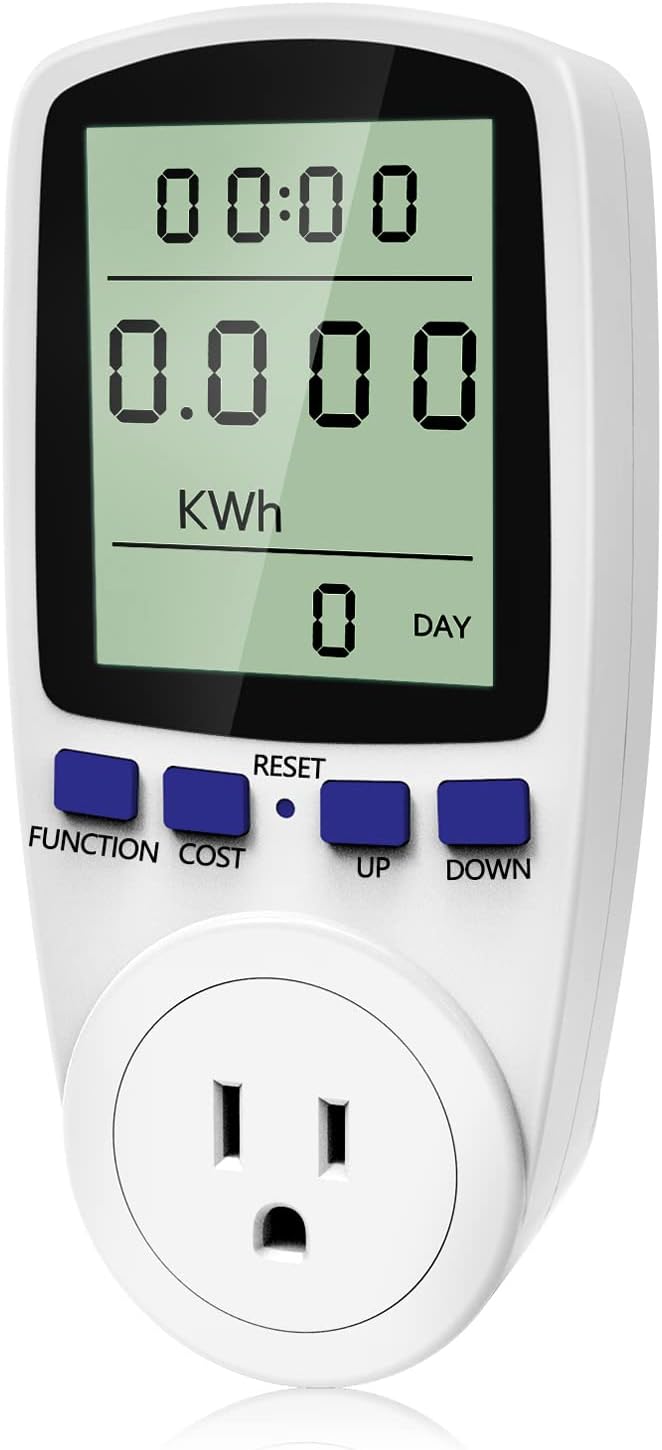


Power Gear
Power Gear Type-T/TL Fuse, 2 Pack, 20 Amp, Time Delay, 125VAC, UL Listed, 18251
See current price


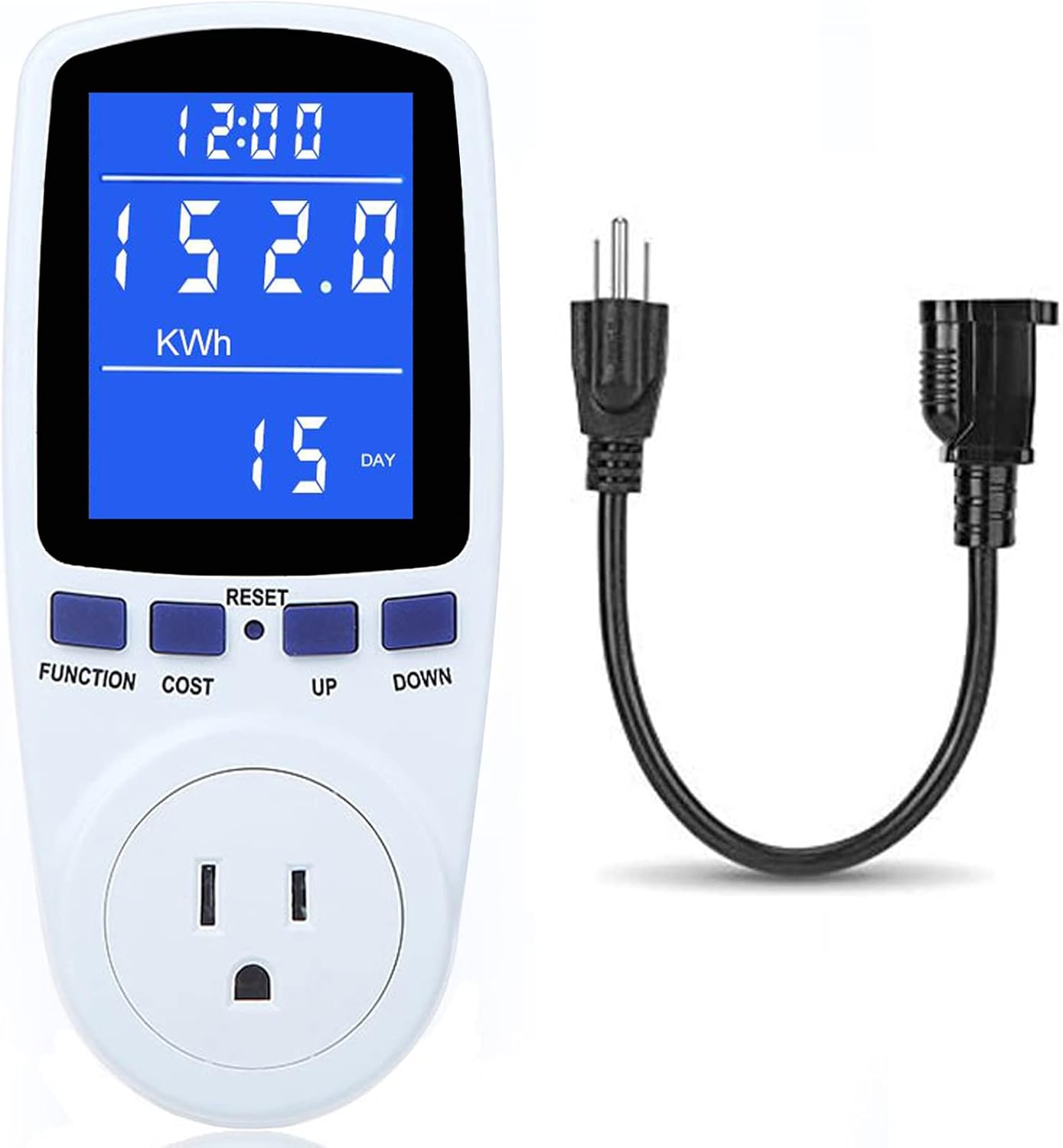


![Uriveusa 12V Car Add-A-Circuit Fuse TAP Adapter Fuse Holder with 10A, 20A Fuse [Upgraded Fuses] - (2 Pack) (ATO Fuse(Regular))](https://m.media-amazon.com/images/I/61VJ1qK6wlL._AC_SL1500_.jpg)


CompStudio
10Pcs F4AL250V 5x20mm Fast Blow Fuse 4 Amp 250V Glass Fuse Fast Acting Fuse (3/16 in x 3/4 in)
See current price


Popular brands in Breakers, Load Centers & Fuses
Breakers, load centers, and fuses are key parts of an electrical distribution system, but they serve different purposes and must be matched carefully. A circuit breaker can interrupt power when a circuit is overloaded or experiences a fault, while a fuse uses a replaceable element to provide overcurrent protection. A load center houses breakers and distributes power to branch circuits.
This K-Catalog category brings together products from brands such as Square D by Schneider Electric, SIEMENS, Eaton, Bussmann, Connecticut Electric, and Cutler-Hammer. Use the listed specifications to compare compatibility and design details, then check the current product information on Amazon before buying.
How to choose the right electrical component
Start by identifying whether the project requires a replacement breaker, a complete load center, a fuse, or a related accessory. The existing electrical panel, equipment documentation, and circuit requirements are more important than appearance alone.
Consider these factors before comparing individual products:
- System compatibility: Match the component to the panel, equipment, or fuse system it is designed to fit. Components that look similar may not be interchangeable.
- Electrical specifications: Check the stated voltage, current capacity, phase, and pole configuration where applicable.
- Protection type: Determine whether the application calls for standard overcurrent protection or a specialized protective function.
- Installation requirements: Review connection style, mounting method, conductor compatibility, and available space in the enclosure.
- Certification and labeling: Product markings and documentation should support the intended installation and local code requirements.
Because electrical work can present shock, fire, and equipment hazards, installation or replacement should be handled by a qualified electrician when required by the equipment instructions or local regulations.
Breakers, load centers, and fuses explained
Circuit breakers
Breakers are resettable protective devices installed in a panel or equipment enclosure. When comparing them, confirm the panel manufacturer and compatible series, pole arrangement, connection method, and electrical ratings. Some breakers are intended for specific equipment or protection functions, so the listing and documentation should be read closely.
Load centers
A load center distributes incoming power to individual circuits and provides a mounting location for compatible breakers. Compare enclosure style, indoor or outdoor suitability, main disconnect arrangement, breaker compatibility, wiring space, and the number of available circuit positions. The physical dimensions and service configuration must suit the installation location.
Fuses and fuse accessories
Fuses provide protection by opening the circuit when their internal element responds to excessive current. Unlike a resettable breaker, a used fuse generally needs to be replaced with the correct compatible type. Compare fuse classification, form factor, electrical ratings, time-response characteristics, and equipment compatibility. Never substitute a fuse with a different rating or construction without confirming that it is approved for the application.
Specifications worth comparing
Product pages may use technical terms that are easy to overlook. Pay close attention to the following details:
- Pole count and configuration: These affect how a breaker connects to the panel and the circuits it can serve.
- Interrupting capability: This indicates the fault-current protection the device is designed to provide under specified conditions.
- Terminal and conductor requirements: Verify that the terminals accept the wire type and size used in the installation.
- Enclosure rating: For load centers and related equipment, confirm whether the enclosure is intended for indoor, outdoor, damp, or other environments.
- Mounting and connection style: Plug-on, bolt-on, cartridge, and other formats are not automatically interchangeable.
- Environmental and temperature information: These details can matter in garages, workshops, utility areas, and other demanding locations.
If replacing an existing part, record its manufacturer, series, markings, and physical arrangement before searching. When the information is unclear, consult the panel documentation or an electrician rather than relying on visual similarity.
Brands represented in the catalog
The catalog includes products associated with Square D by Schneider Electric, Square D, SIEMENS, Eaton, Connecticut Electric, Bussmann, Cutler-Hammer, Supco, BOJACK, Zephyr, Divine Lighting, and Qizpcer. These brands may cover different product types and compatibility systems, so compare each item by its specifications and intended application rather than by brand name alone.
Related electrical supplies
Breakers and fuses are often selected as part of a broader wiring or panel project. For compatible project components, browse Outlets & Accessories, Switches & Dimmers, and Wall Plates & Accessories. Cords, Adapters & Multi-Outlets may be useful for equipment connections, while Testers can help with appropriate verification by a qualified person. Other electrical products are organized in the broader Electrical category.
Frequently asked questions
Can any breaker replace an existing breaker?
No. A replacement must be listed or documented as compatible with the specific panel or equipment, with matching electrical and connection requirements.
What is the difference between a breaker and a fuse?
A breaker is generally resettable after it interrupts a circuit, while a fuse uses an element that opens the circuit and typically requires replacement. The correct choice depends on the equipment and application.
What should I check when selecting a load center?
Compare the enclosure environment, service arrangement, breaker compatibility, wiring space, mounting dimensions, and available circuit positions with the installation requirements.
Can a fuse with a higher rating be used as a substitute?
Do not make that substitution without qualified guidance. The fuse rating and type must match the equipment and circuit design to maintain proper protection.
Should homeowners install breakers or load centers themselves?
Electrical panel work can be hazardous and may be regulated locally. Follow the manufacturer’s instructions and use a qualified electrician whenever the work involves energized equipment, service connections, or uncertain compatibility.