

Cords, Adapters & Multi-Outlets
Compare cords, adapters, power strips, and multi-outlet solutions by compatibility, capacity, length, and safety features. Review specifications before choosing an option for home, office, workshop, or travel.
1,699 products in catalog
1,699 results
Filters
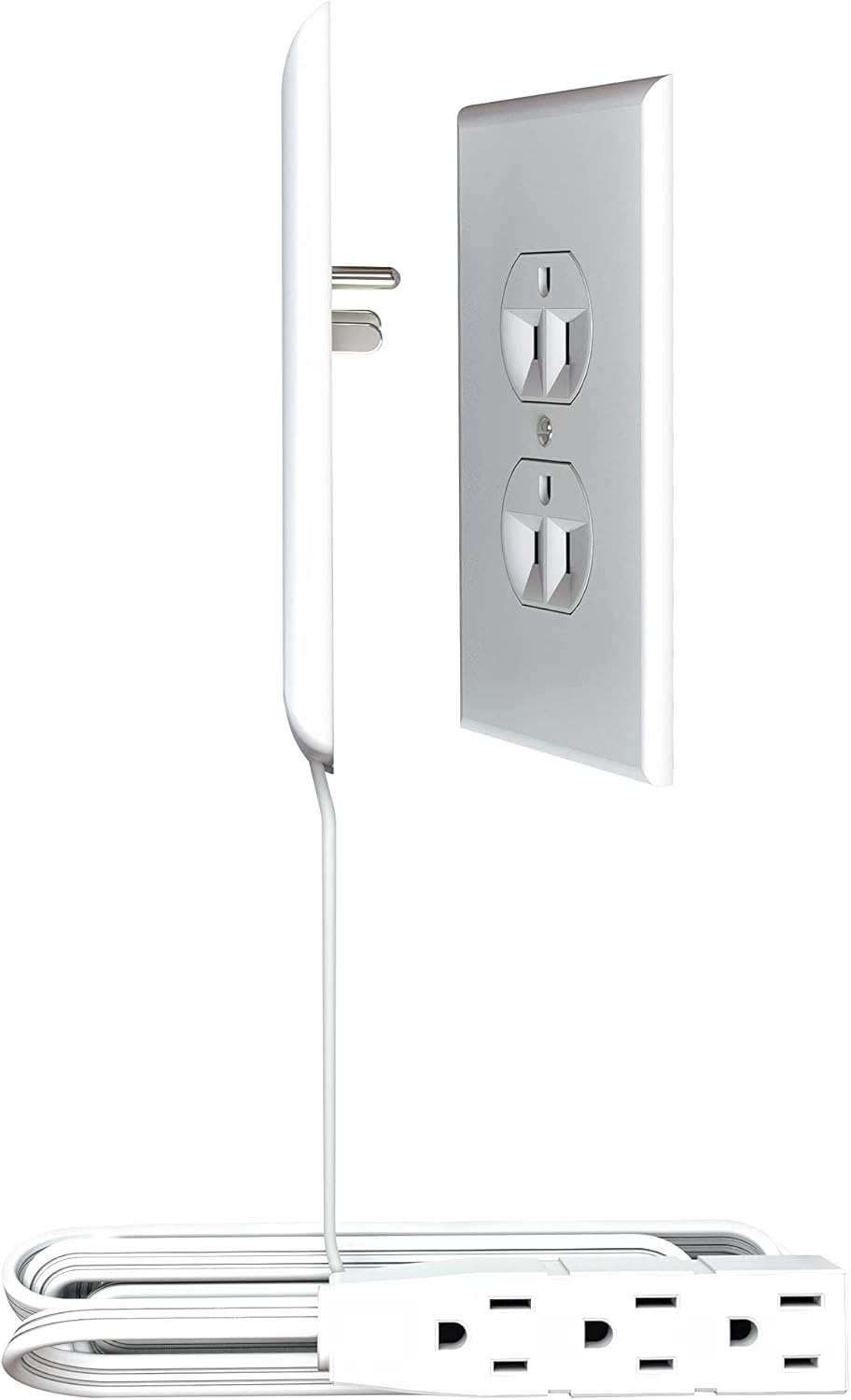

GE home electrical
GE 6-Outlet Extender, Grounded Wall Tap, Adapter Spaced Outlets, 3-Prong, Quick and Easy Install, UL Listed, White, 50759
See current price

GE home electrical
GE 6-Outlet Extender Wall Tap, 2 Pack, Grounded Adapter, Charging Station, 3-Prong, Secure Install, UL Listed, Black, 57318
See current price


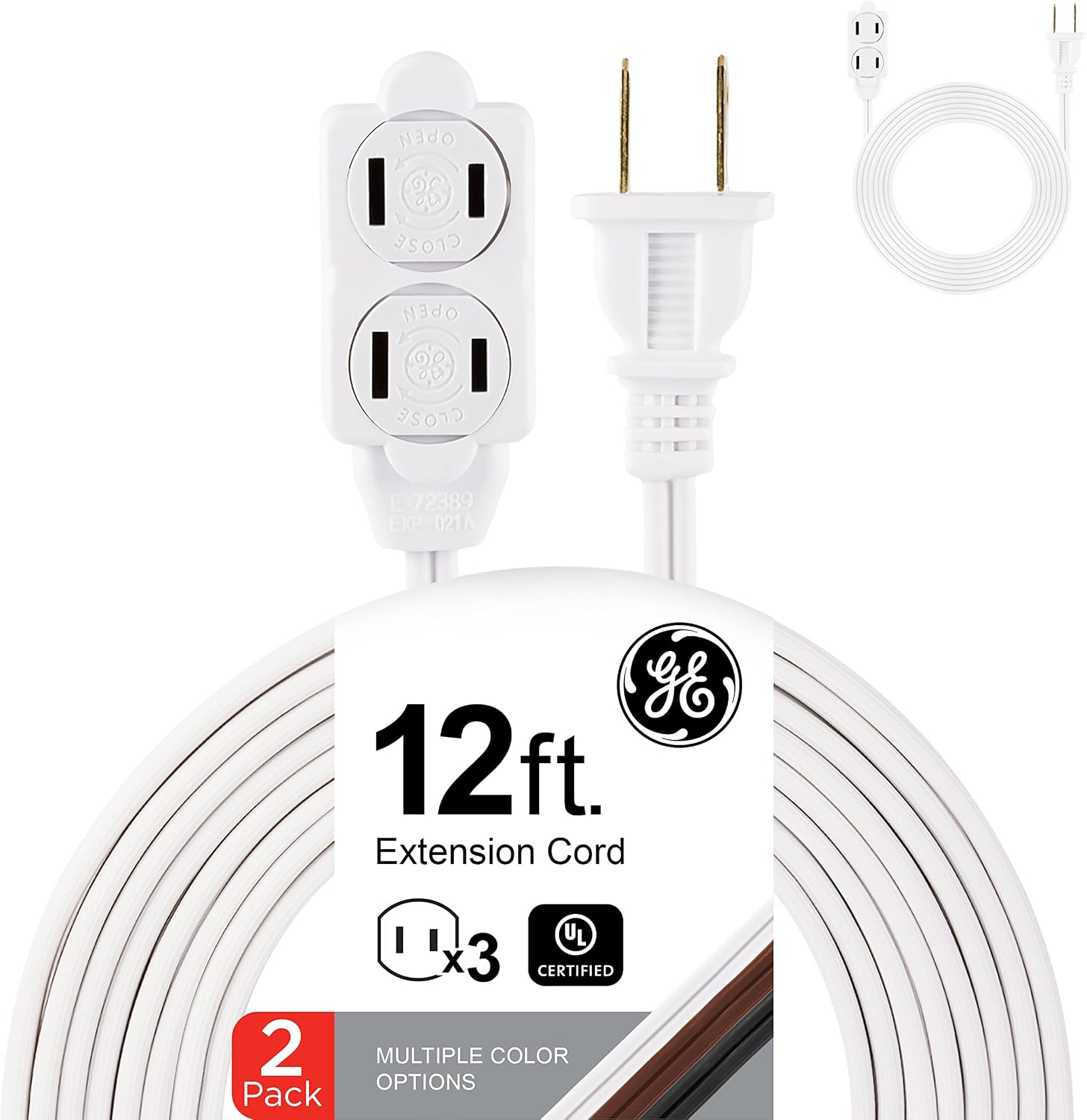

Amazon Basics
Amazon Basics 50-Foot 3-Prong Vinyl Indoor/Outdoor Extension Cord - 13 Amps, 1625 Watts, 125 VAC, Green
See current price

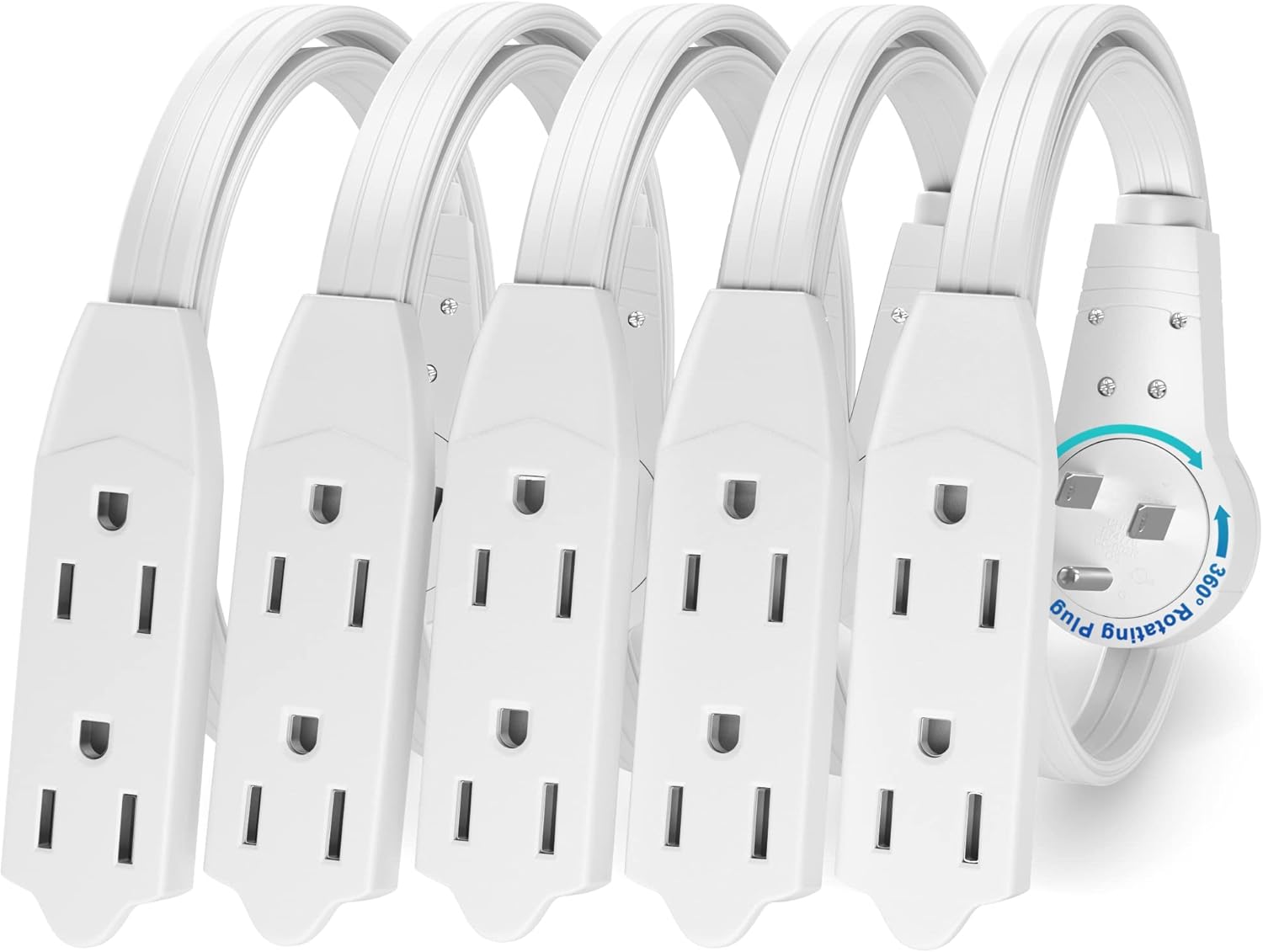


Jasco Products Company, LLC
Jasco GE 3-Outlet Extender Wall Tap Cube, Adapter Spaced Outlets, Easy Access Design, Grounded, 3-Prong, Perfect for Home or Travel, UL Listed, Black, 47494
See current price

![[UL Listed] Miady Short Power Extension Cord Outlet Saver, 16AWG/13A, 3 Prong (4 Pack, Black, 8 Inch)](https://m.media-amazon.com/images/I/61FUoMweLxL._AC_SL1500_.jpg)
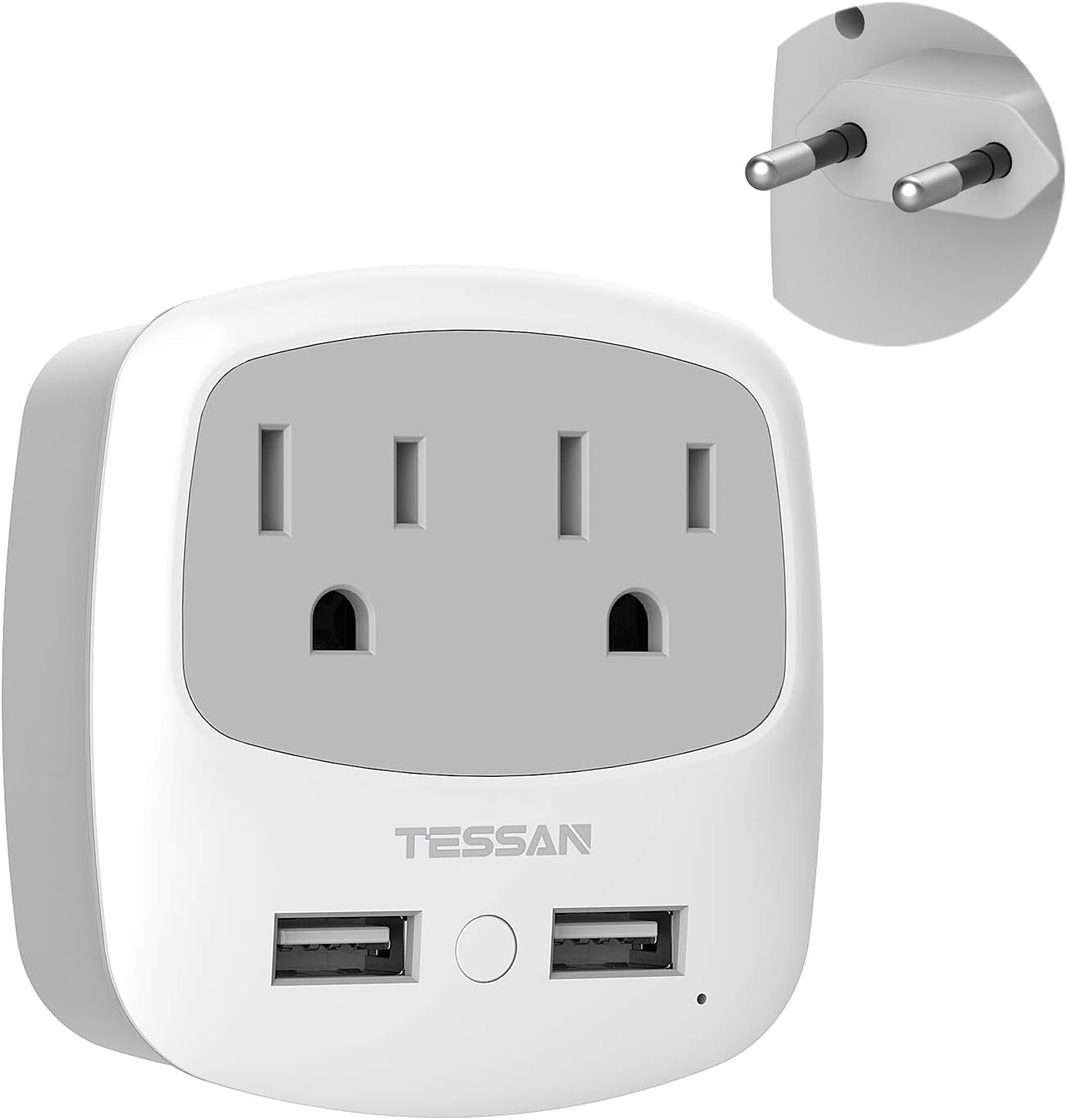

GE home electrical
GE home electrical 3-Outlet Extender Wall Tap, Grounded Adapter Plug, Indoor Rated, 3-Prong, Perfect for Travel, UL Listed, White, 52203
See current price


BindMaster
BindMaster 15 Feet Extension Cord/Wire, 3 Prong Grounded, 3 outlets, Angeled Flat Plug, White (3 Pack)
See current price
Popular brands in Cords, Adapters & Multi-Outlets
Cords, adapters, and multi-outlets help extend power, connect different plug configurations, and provide additional receptacles where they are needed. The right choice depends on the devices being connected, the available outlet, the environment, and the amount of electrical load involved.
K-Catalog brings together a broad selection in this electrical category so shoppers can compare product specifications and features in one place. For related electrical components, browse Switches & Dimmers, Wall Plates & Accessories, and Outlets & Accessories.
How to choose the right electrical accessory
Start by identifying the job the product must perform. An extension cord is useful when a device’s cable cannot reach an outlet, while a multi-outlet or power strip adds connection points in a convenient location. An adapter may be better when the issue is plug orientation, outlet spacing, or compatibility between a plug and receptacle.
Before comparing appearance or extra features, check the electrical requirements of the connected equipment. The cord or outlet accessory should be suitable for the voltage, amperage, and total wattage involved. Avoid using a product beyond its marked capacity, and do not assume that adding more outlets increases the amount of power available from the circuit.
Common types to compare
Extension cords
Extension cords vary by length, conductor size, plug style, grounding, and intended environment. Short cords can reduce excess cable around desks or workbenches, while longer options provide reach for tools and appliances. Heavy-duty designs are generally intended for higher-demand equipment, but the product’s listed capacity should always guide the selection.
For outdoor or damp-area use, look for an appropriate outdoor rating, durable insulation, and a grounded design when required by the equipment. Indoor cords are not automatically suitable for exterior use.
Plug and outlet adapters
Adapters can change the orientation or configuration of a connection, create additional plug positions, or support a particular outlet layout. Compare the input plug, output receptacles, grounding arrangement, and physical shape. A compact adapter may work well behind furniture or during travel, while a wider design may be more practical when several plugs need to fit at once.
An adapter should not be used to defeat grounding or bypass a required safety feature. Compatibility matters more than simply making a plug fit.
Multi-outlets and power strips
Multi-outlet products are useful for workstations, entertainment areas, charging stations, and other locations with several low- or moderate-demand devices. Compare the number and spacing of receptacles, cord length, switch design, mounting options, and whether the unit includes overload protection or surge protection.
A basic multi-outlet product and a surge-protective power strip are not interchangeable. If protection from certain electrical surges is important, check that surge protection is explicitly listed in the specifications rather than inferred from the product’s appearance.
Key specifications and features
Pay particular attention to:
- Electrical capacity: Check voltage, amperage, wattage, and any stated maximum load.
- Wire gauge and construction: Conductor size, insulation, strain relief, and plug durability can affect suitability for a particular use.
- Cord length: Choose enough reach without creating unnecessary loops or trip hazards.
- Grounding: Confirm whether the cord or adapter is grounded and whether that matches the equipment and outlet.
- Environment rating: Indoor, outdoor, damp-location, and temperature suitability can differ.
- Receptacle layout: Spacing may matter for bulky plugs, chargers, and right-angle connectors.
- Safety features: Look for overload protection, circuit breakers, illuminated switches, shutters, or surge protection when those features are needed.
- Mounting and storage: Keyhole slots, adhesive mounting, cable management, or a compact form can help keep connections organized.
Brands represented in the catalog
The catalog includes products from Woods, TESSAN, DEWENWILS, IRON FORGE CABLE, Amazon Basics, BESTTEN, Maximm, ClearMax®, VINTAR, Southwire, GE home electrical, and Cable Matters. Comparing specifications across these brands can help shoppers distinguish products by capacity, construction, layout, and intended environment rather than relying on brand name alone.
Safe use and compatibility tips
Do not connect power strips or multi-outlets in series, and avoid using extension cords as a permanent substitute for properly installed wiring. Keep cords away from heat, water, sharp edges, and locations where they can be pinched or crushed. Unwind cords when required by the manufacturer, especially during higher-load use, and inspect them for cuts, exposed conductors, loose plugs, or damaged insulation.
Use the product only with equipment within its stated capacity. High-demand appliances and tools may require a dedicated outlet or a specific cord type. If an installation involves new wiring, a circuit change, or uncertainty about electrical safety, consult a qualified professional. Related equipment such as Testers or Breakers, Load Centers & Fuses serves a different purpose and should not be substituted for a cord or outlet accessory.
Frequently asked questions
Is a power strip the same as a multi-outlet adapter?
Both provide additional receptacles, but their designs differ. A power strip usually has receptacles connected by a cord, while a multi-outlet adapter attaches directly to a wall receptacle. Compare the capacity, grounding, spacing, and protection features of the specific product.
How do I choose the right extension cord length?
Choose a length that reaches the device without excessive slack. Longer cords can create more opportunities for tangling or damage, so avoid selecting extra length unless the installation requires it.
What does cord gauge mean?
Gauge describes the conductor size inside the cord. The product’s listed gauge and capacity help indicate whether it is appropriate for a particular electrical load. Use the manufacturer’s specifications rather than choosing by thickness alone.
Can I use an indoor cord outside?
An indoor-rated cord should not be assumed safe for outdoor or damp locations. For exterior use, select a product specifically marked for that environment and follow its use instructions.
Do all multi-outlets provide surge protection?
No. Additional receptacles do not automatically mean surge protection. Check the listed features and specifications for explicit surge-protection information if that function is important.
When should a cord be replaced?
Replace a cord if it has exposed wiring, damaged insulation, bent or loose prongs, heat damage, or other visible defects. Do not continue using a cord that becomes unusually warm or shows signs of electrical damage.