
Electrical Testers for Comparing Tools and Features
Compare electrical testers by measurement type, safety features, range, and intended use. This catalog helps shoppers narrow options by specifications before checking the current product details on Amazon.
568 products in catalog
568 results
Filters






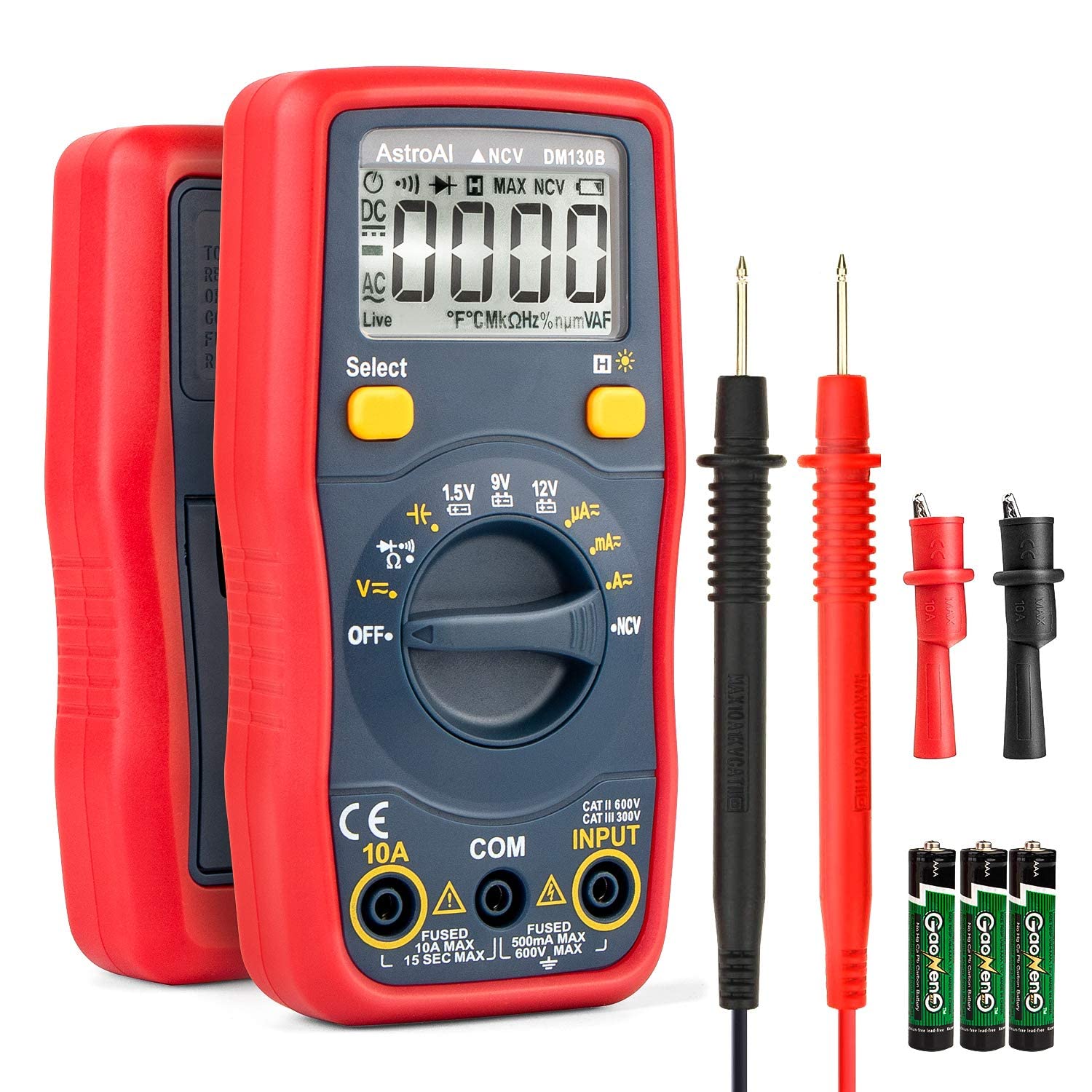


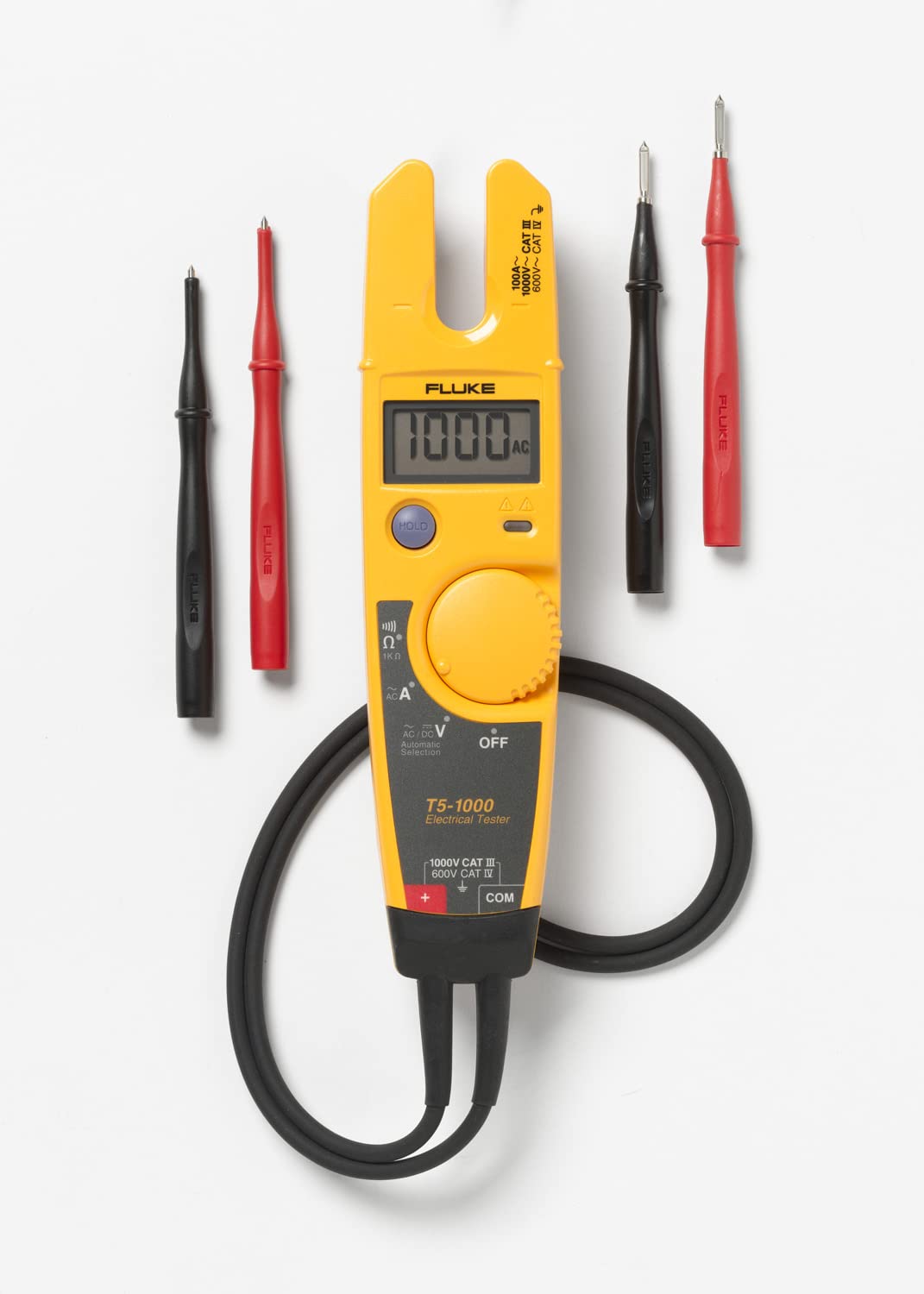


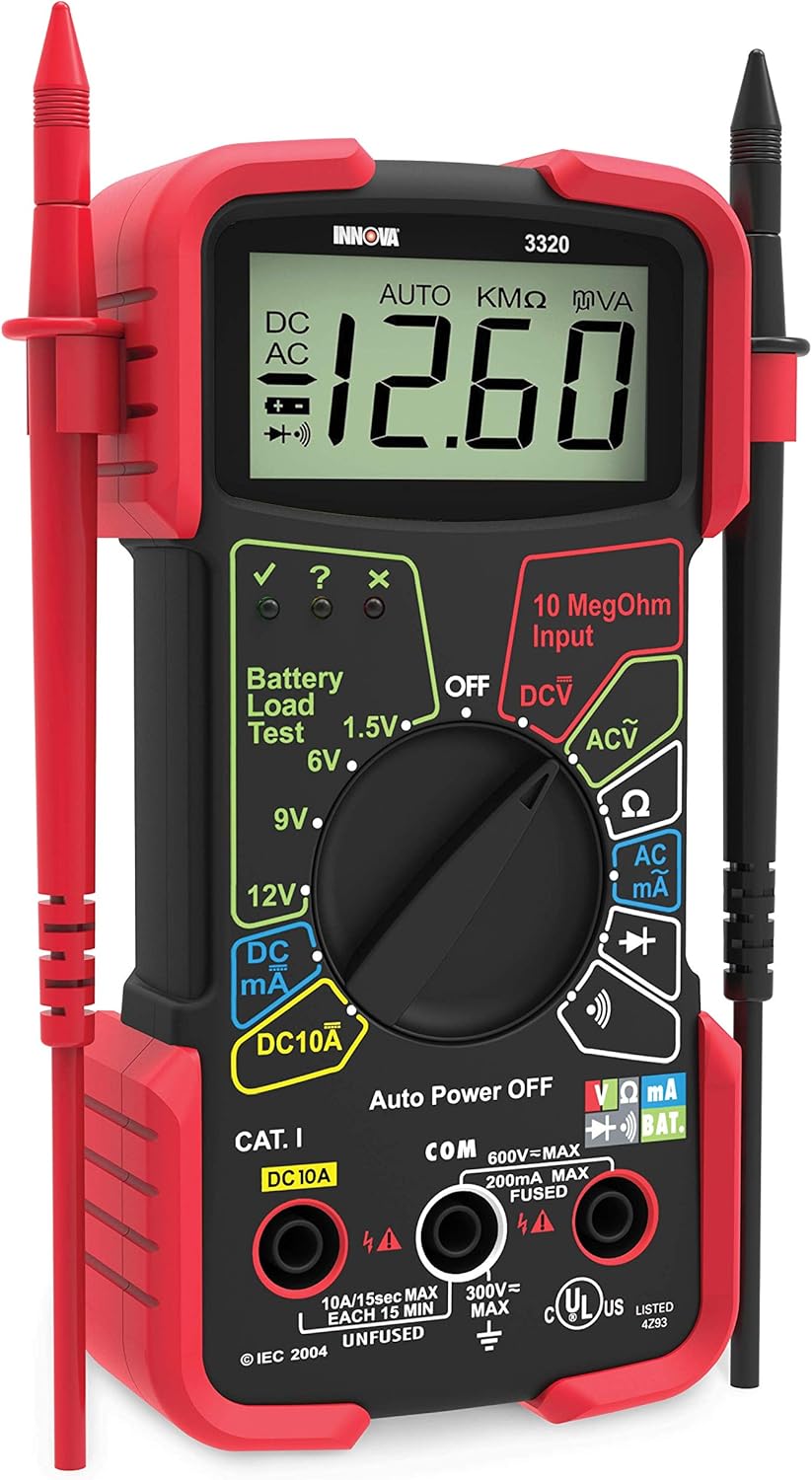

Popular brands in Testers
Electrical testers help identify voltage, continuity, resistance, current, and other electrical conditions. The right tool depends on whether you need a quick presence check, detailed troubleshooting, or specialized measurements for a particular system.
Use this catalog to compare testers by function and specifications rather than choosing by appearance alone. Consider the electrical work involved, the measurement range required, and the safety features that support the task.
How to choose an electrical tester
Start by identifying what you need to measure. A non-contact voltage tester may be suitable for a quick screening, while a multimeter provides more detailed readings for diagnosing circuits and components. Specialized testers can be useful for outlets, batteries, automotive systems, HVAC equipment, or other specific applications.
Consider these questions before comparing products:
- What will you test? Household wiring, outlets, batteries, electronics, and vehicle circuits may require different functions.
- Which measurements matter? Look for voltage, current, resistance, continuity, frequency, capacitance, temperature, or other functions relevant to your work.
- Where will you use it? A compact tester can be convenient for a tool bag, while a larger display or broader control layout may help during bench or workshop troubleshooting.
- What level of precision is appropriate? Basic checks and detailed diagnostics have different requirements.
For more electrical equipment and installation supplies, browse the broader Electrical category.
Common types of testers
Voltage testers
Voltage testers are designed to indicate whether electrical voltage is present. Non-contact models can offer a quick preliminary check without touching an exposed conductor, while contact-style testers may provide a more direct reading. Compare detection method, voltage range, display or indicator type, and whether the tool supports the environments where it will be used.
Digital multimeters
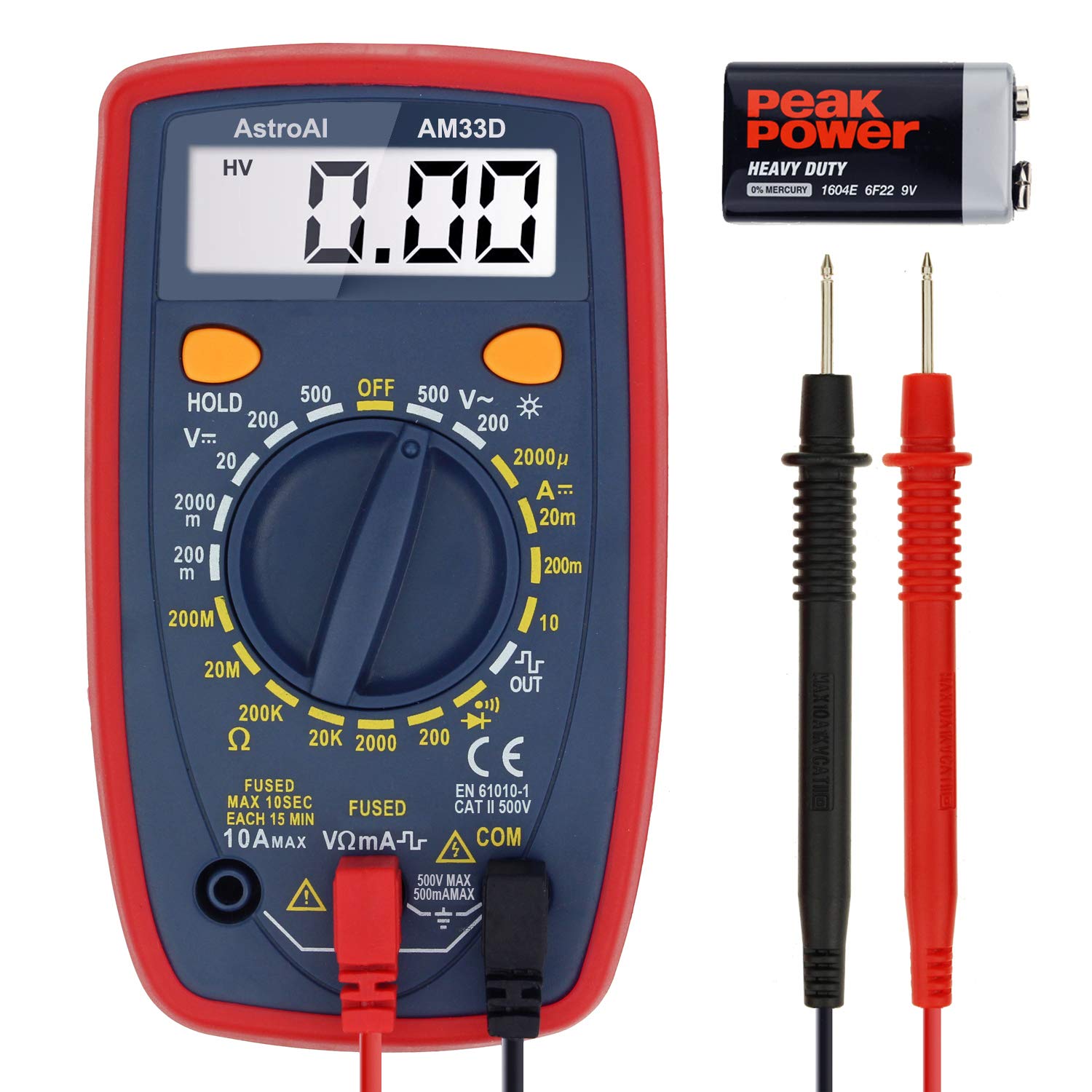
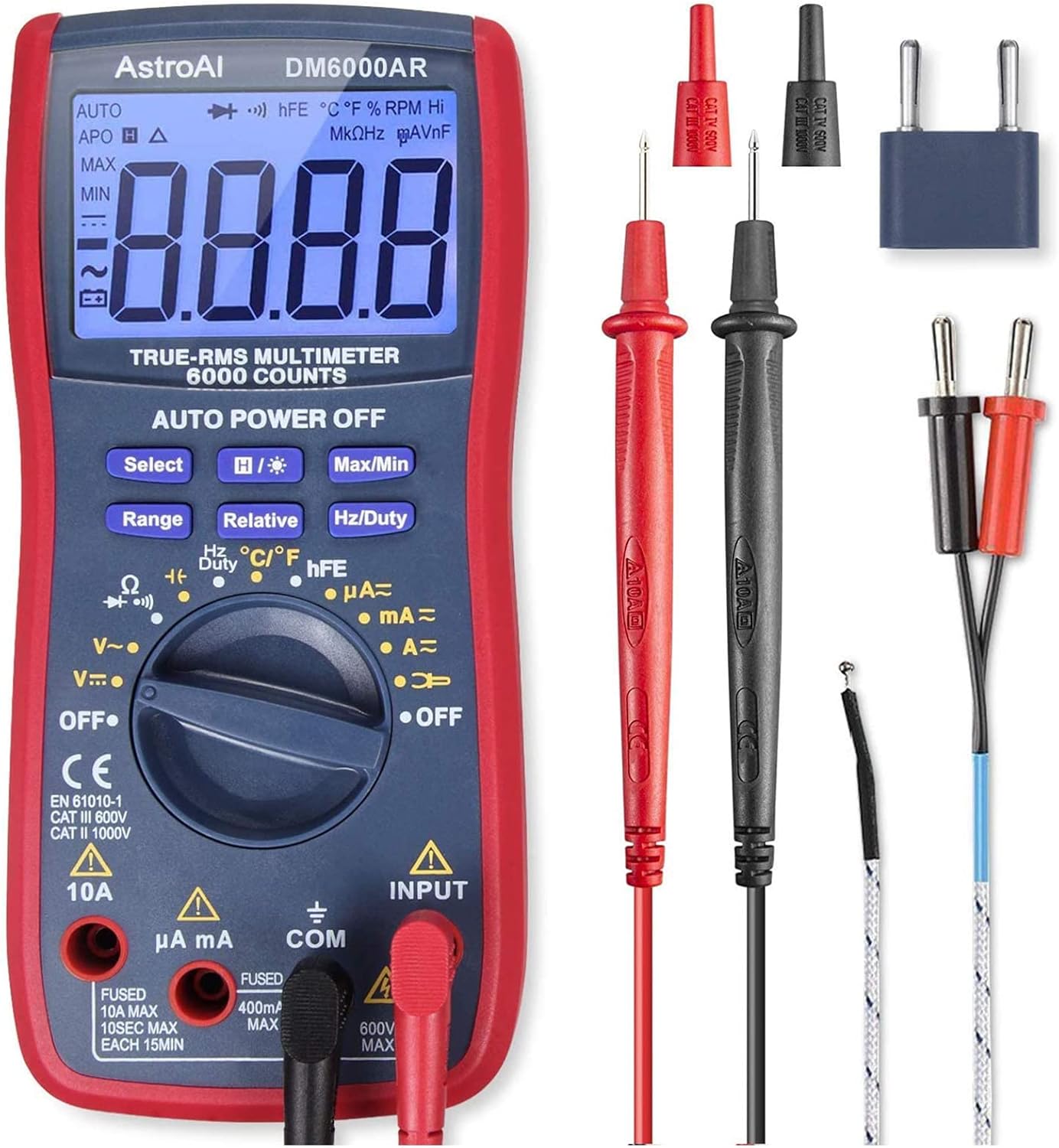
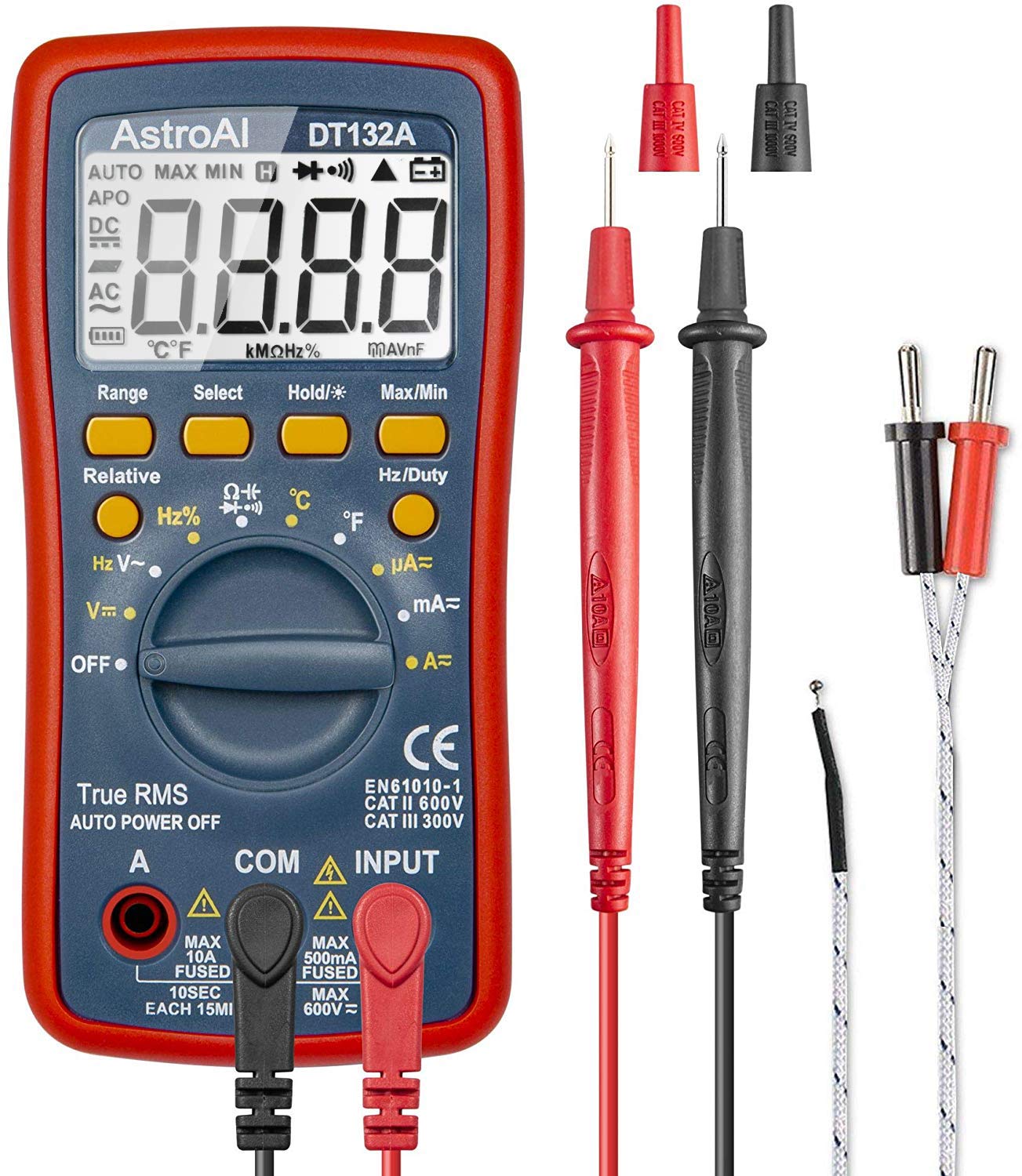
Digital multimeters combine several measurement functions in one instrument. Depending on the model, they may measure AC or DC voltage, current, resistance, continuity, and additional electrical properties. Compare the available modes, measurement ranges, input protection, display readability, and control layout.
Circuit and outlet testers
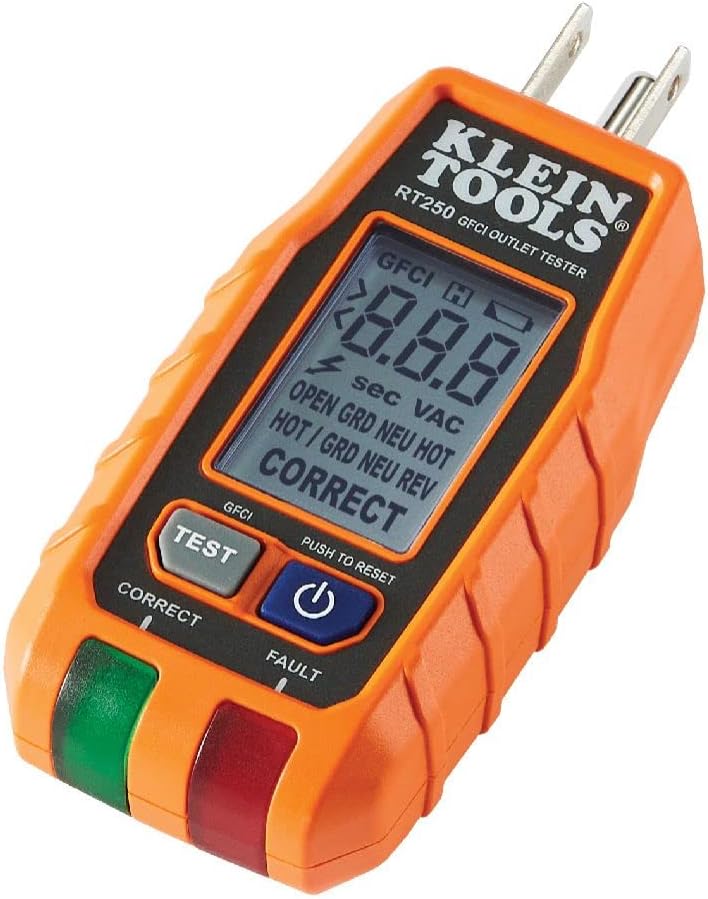
Circuit testers can help identify common wiring conditions or check whether an outlet is energized. These tools are convenient for household electrical checks, but their capabilities vary. Review the conditions the tester can identify and treat an indication as a diagnostic aid rather than a substitute for safe electrical procedures.
Specialized electrical testers
Some testers are designed for particular applications, such as automotive troubleshooting, HVAC service, battery checks, or electronic circuits. Specialized controls, probes, leads, and measurement modes may make these products more suitable than a general-purpose tester for recurring technical work.
Related household electrical categories include Outlets & Accessories, Switches & Dimmers, and Breakers, Load Centers & Fuses.
Features and specifications to compare
Pay close attention to the details that affect usability and safe operation:
- Measurement range: Confirm that the tester covers the minimum and maximum values expected in your applications.
- AC and DC support: Some tasks require one type of current, while others require both.
- Accuracy and resolution: Accuracy describes how close a reading is to the actual value; resolution describes how finely the display shows changes.
- Display and indicators: Backlighting, clear symbols, audible alerts, and visible status indicators can help in dim or noisy work areas.
- Probes and accessories: Compare lead style, probe tips, clips, carrying cases, and included accessories when these affect the intended work.
- Protection and safety category: Review the listed electrical safety ratings and protective features, especially for work involving energized circuits.
- Power and durability: Check the power source, battery access, auto shutoff, construction, and storage options for the way the tester will be used.
Brands represented in the catalog
The catalog includes electrical testers from Klein Tools, Fluke, KAIWEETS, Gardner Bender, Southwire, Fieldpiece, DROK, Aenllosi, Aproca, Neoteck, Extech, and Power Probe. Compare each product by its listed functions and specifications, since capabilities can differ substantially between tools from the same brand.
Safe and practical testing tips
Read the product instructions before connecting a tester to a circuit. Select the correct function and range, inspect leads and probes for damage, and verify that the test setup matches the measurement. Keep fingers behind probe guards when applicable, avoid using damaged equipment, and do not assume that a circuit is safe based on a single indication.
When testing household wiring or equipment, turn off power when the task allows and follow applicable electrical practices. For unfamiliar, high-voltage, or complex work, qualified assistance may be appropriate. Store the tester and leads so they remain protected and ready for the next use. If your project also requires connection accessories, compare Cords, Adapters & Multi-Outlets separately.
Frequently asked questions
What is the difference between a voltage tester and a multimeter?
A voltage tester is generally intended to indicate whether voltage is present. A multimeter typically offers several functions and provides numerical measurements, such as voltage, resistance, or continuity, depending on the model.
Can one tester measure both AC and DC voltage?
Some can, but not every tester supports both. Check the listed measurement modes and ranges before choosing a product for circuits that use different current types.
What should I compare for outlet testing?
Review the tester’s supported outlet configuration, the wiring conditions it can identify, the indication method, and any voltage limitations. Follow the manufacturer’s instructions for interpretation.
Does a higher measurement range make a tester suitable for every job?
No. Range is only one consideration. Function availability, accuracy, safety protection, probe design, and compatibility with the application also matter.
Are electrical testers suitable for beginners?
Some basic testers are designed for straightforward checks, but electrical work still requires careful handling. Beginners should read the instructions, understand the tester’s limitations, and seek qualified help for unfamiliar or hazardous circuits.