
Texas Instruments
Texas Instruments TI-84 Plus CE Color Graphing Calculator, Radical Red
See current price

Compare calculators by function, display, power source, and intended use. This catalog includes options for everyday arithmetic, schoolwork, business tasks, and specialized calculations.
536 products in catalog
536 results
Texas Instruments
See current price

Texas Instruments
See current price

Texas Instruments
See current price



Helect
See current price



Texas Instruments
See current price


Calculators remain useful for quick, dependable arithmetic at a desk, in a classroom, at a counter, or on a job site. The right choice depends less on appearance than on the functions you need, the way you plan to use it, and how easily you can read and enter calculations.
K-Catalog brings together calculators from brands including Texas Instruments, Casio, Sharp, HP, Canon, Victor, CATIGA, Calculated Industries, BREIS, XINPENGFA, Datexx, and Mr. Pen. Compare specifications and features, then follow through to Amazon to check the current listing details.
Start by identifying the type of work the calculator must handle. A basic model may be ideal for household arithmetic, office calculations, or a checkout area. Students and technical users may need scientific or graphing functions, while professionals may benefit from specialized tools for finance, construction, or other fields.
Consider these questions before comparing models:
A calculator with more functions is not automatically the better choice. Extra keys can add complexity, so prioritize the features you will actually use.
These models typically focus on addition, subtraction, multiplication, division, percentages, and other everyday operations. They suit general office work, home use, retail tasks, and anyone who wants a straightforward interface. Look for clear labeling, responsive keys, and a display that is easy to read from a normal working position.
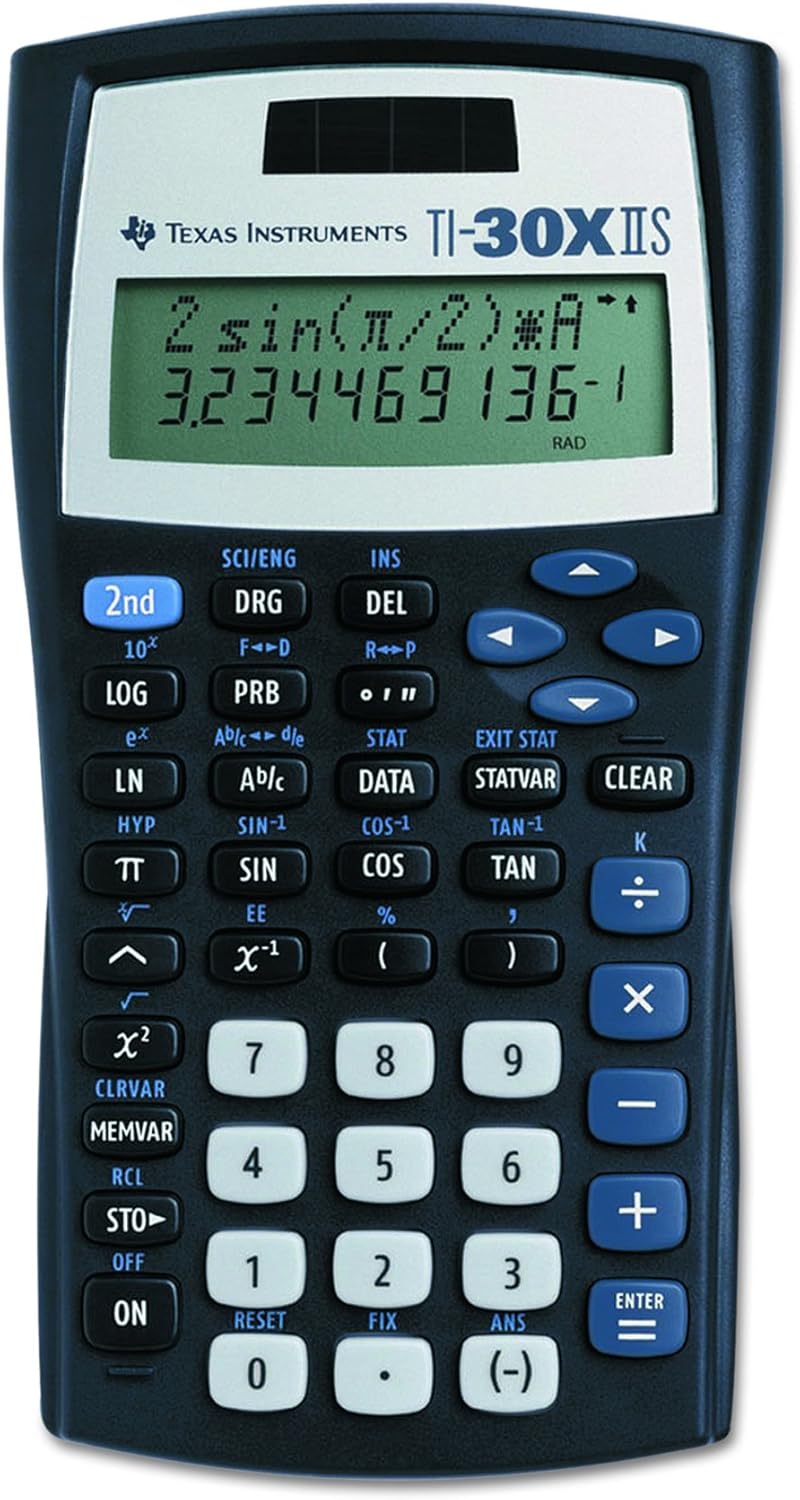
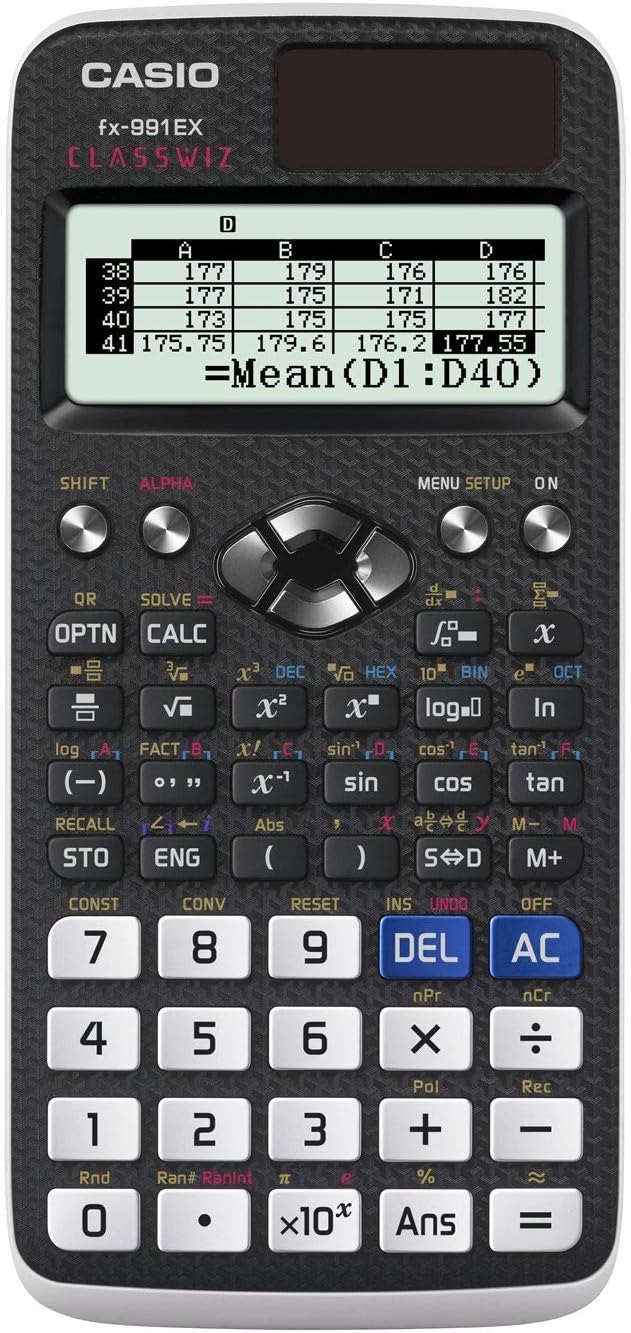
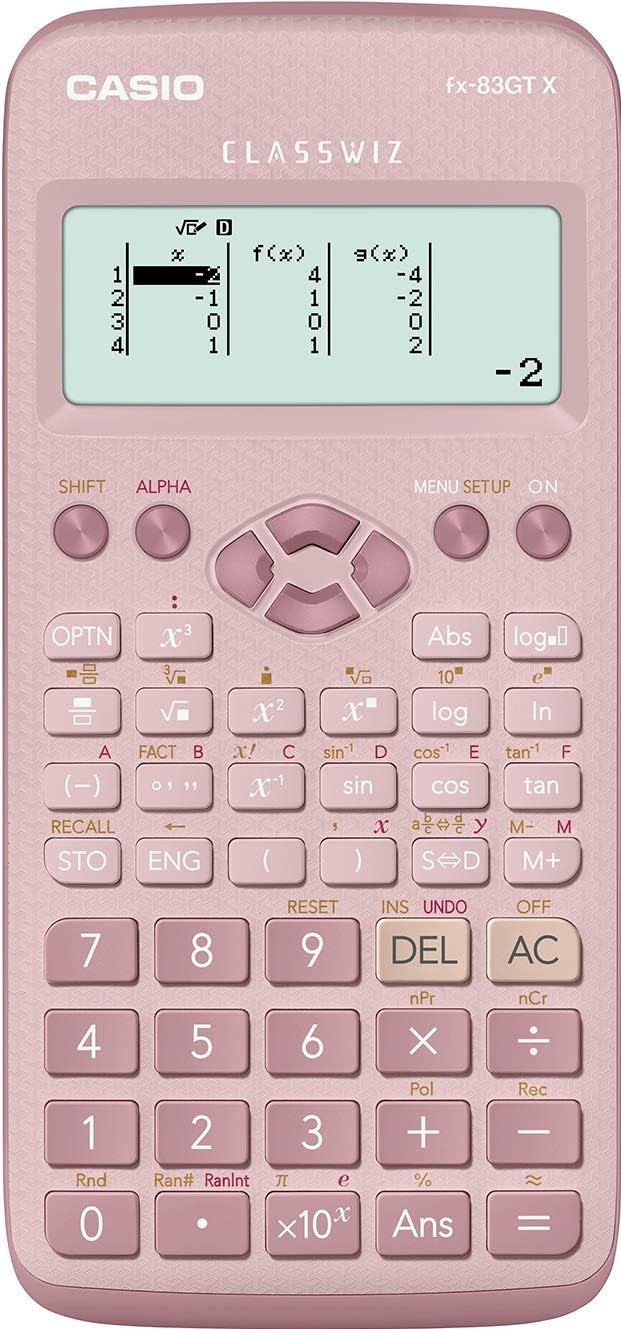
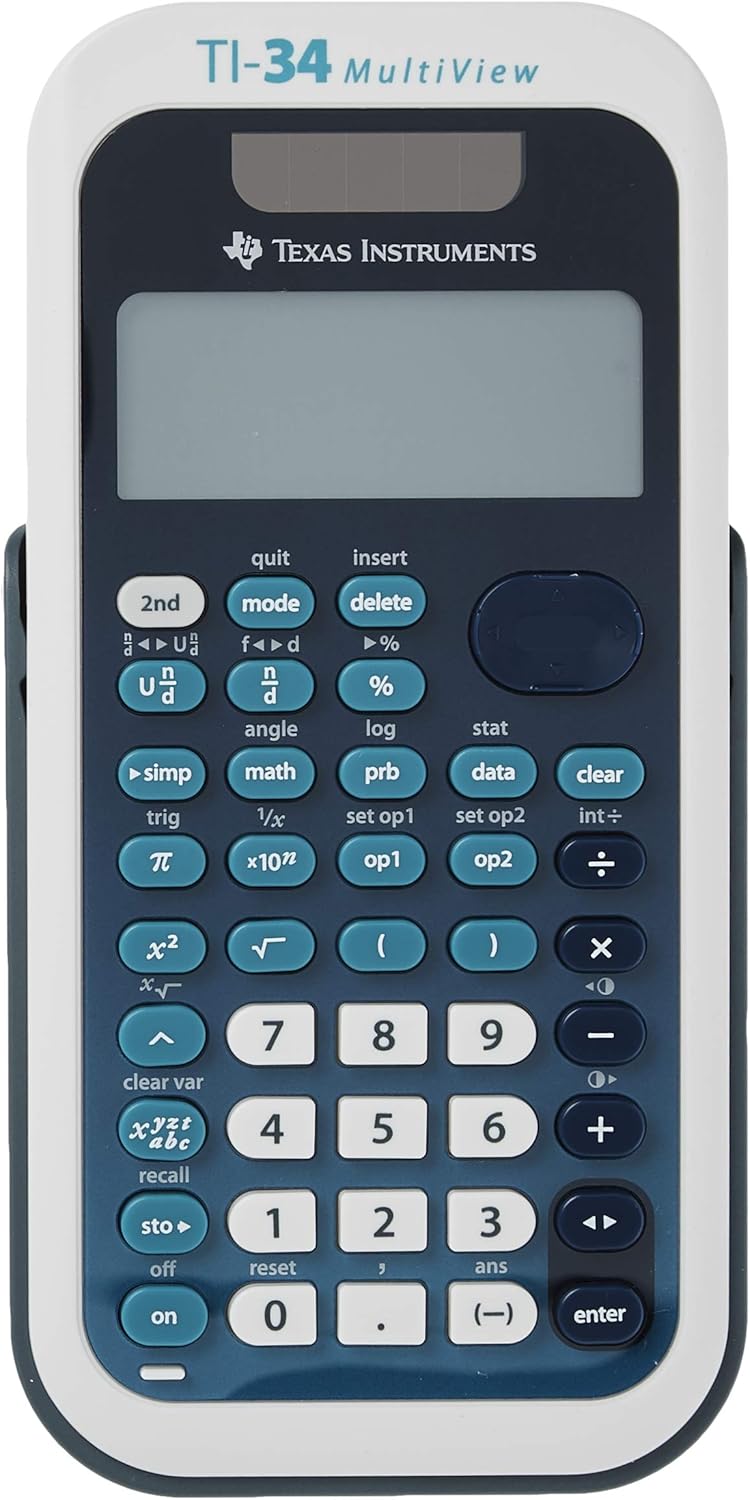
Scientific calculators are designed for more advanced mathematics, including trigonometric, logarithmic, exponential, and other technical operations. They can be useful for secondary school, college, engineering, and science coursework. Check the available functions and how the calculator handles fractions, parentheses, memory, and order of operations.
Graphing models support more advanced classroom and mathematical work. Depending on the model, relevant considerations may include graphing capability, equation handling, display quality, storage, connectivity, and the calculator’s permitted use in a particular course or exam. Confirm requirements with the school or instructor before choosing one.
Financial calculators may include dedicated keys and workflows for time-value-of-money, interest, cash-flow, or business calculations. Specialty models can be tailored to fields such as construction, real estate, surveying, or other professional tasks. For these products, compare the built-in functions carefully rather than relying only on the category name.
Display: Check the display size, number of lines, contrast, and whether it shows expressions as well as results. A two-line or multi-line display can make entered formulas easier to verify.
Key layout: Large keys, distinct colors, angled surfaces, and well-spaced functions can improve usability. If calculations involve frequent percentages, tax, memory, or financial operations, dedicated keys may save time.
Power: Some calculators use replaceable batteries, solar assistance, or a combination of power methods. Consider where the calculator will be used and whether access to replacement batteries matters.
Memory and calculation handling: Compare the number of memory functions, fraction support, parentheses, constants, and the way the calculator displays intermediate steps. These details matter more for technical and schoolwork than for simple arithmetic.
Size and construction: A compact model is convenient for a backpack or drawer, while a desktop calculator may offer a larger display and more comfortable key spacing. For mobile or job-site use, consider whether the casing and keys appear suited to frequent handling.
The calculator catalog includes a broad mix of established office and education brands alongside specialty and general-purpose names. Texas Instruments and Casio are represented across education-focused calculator types, while Sharp, HP, Canon, and Victor provide additional options for office, desktop, and general calculation needs. Calculated Industries may be relevant when comparing specialized professional calculators. CATIGA, BREIS, XINPENGFA, Datexx, and Mr. Pen are also represented in the catalog.
Treat brand as one comparison point, not a substitute for checking the specifications. Function layout, display format, power requirements, and intended use can vary considerably within the same brand.
Calculators are one part of a practical workspace. If you are assembling or updating an office setup, browse Printers & Accessories, Scanners & Accessories, or Presentation Products. The broader Office Electronics category can help you compare related equipment in one place.
A basic or desktop calculator is usually suitable for routine arithmetic, percentages, memory functions, and quick business calculations. Choose based on display readability and key layout.
That depends on the course requirements. Scientific models handle many advanced calculations, while graphing models offer broader mathematical capabilities. Check the instructor’s approved calculator list first.
Many solar-assisted calculators are designed for normal indoor lighting, but performance can vary by model and environment. Check the listed power specifications and whether battery backup is included.
Financial calculators often provide dedicated functions for interest, cash flow, amortization, and related business calculations. Compare the exact functions because layouts and supported workflows differ.
Confirm that it supports the formulas and measurement systems used in your work. Also check display format, unit conversions, power source, and whether its size suits the working environment.